🏬Supersize Online Funeral Retailer🪦1000's of Headstones⚱️Over 10,000 Cremation Urns⚰️Caskets Overnight Delivery🛒Funeral & Memorial Superstore🚚FREE Shipping on ALL Orders👨👩👧👦Helping Families for over 20 Years💰Lowest Price Guarantee🏬Supersize Online Funeral Retailer🪦1000's of Headstones⚱️Over 10,000 Cremation Urns⚰️Caskets Overnight Delivery🛒Funeral & Memorial Superstore🚚FREE Shipping on ALL Orders👨👩👧👦Helping Families for over 20 Years💰Lowest Price Guarantee
🏬Supersize Online Funeral Retailer🪦1000's of Headstones⚱️Over 10,000 Cremation Urns⚰️Caskets Overnight Delivery🛒Funeral & Memorial Superstore🚚FREE Shipping on ALL Orders👨👩👧👦Helping Families for over 20 Years💰Lowest Price Guarantee🏬Supersize Online Funeral Retailer🪦1000's of Headstones⚱️Over 10,000 Cremation Urns⚰️Caskets Overnight Delivery🛒Funeral & Memorial Superstore🚚FREE Shipping on ALL Orders👨👩👧👦Helping Families for over 20 Years💰Lowest Price Guarantee
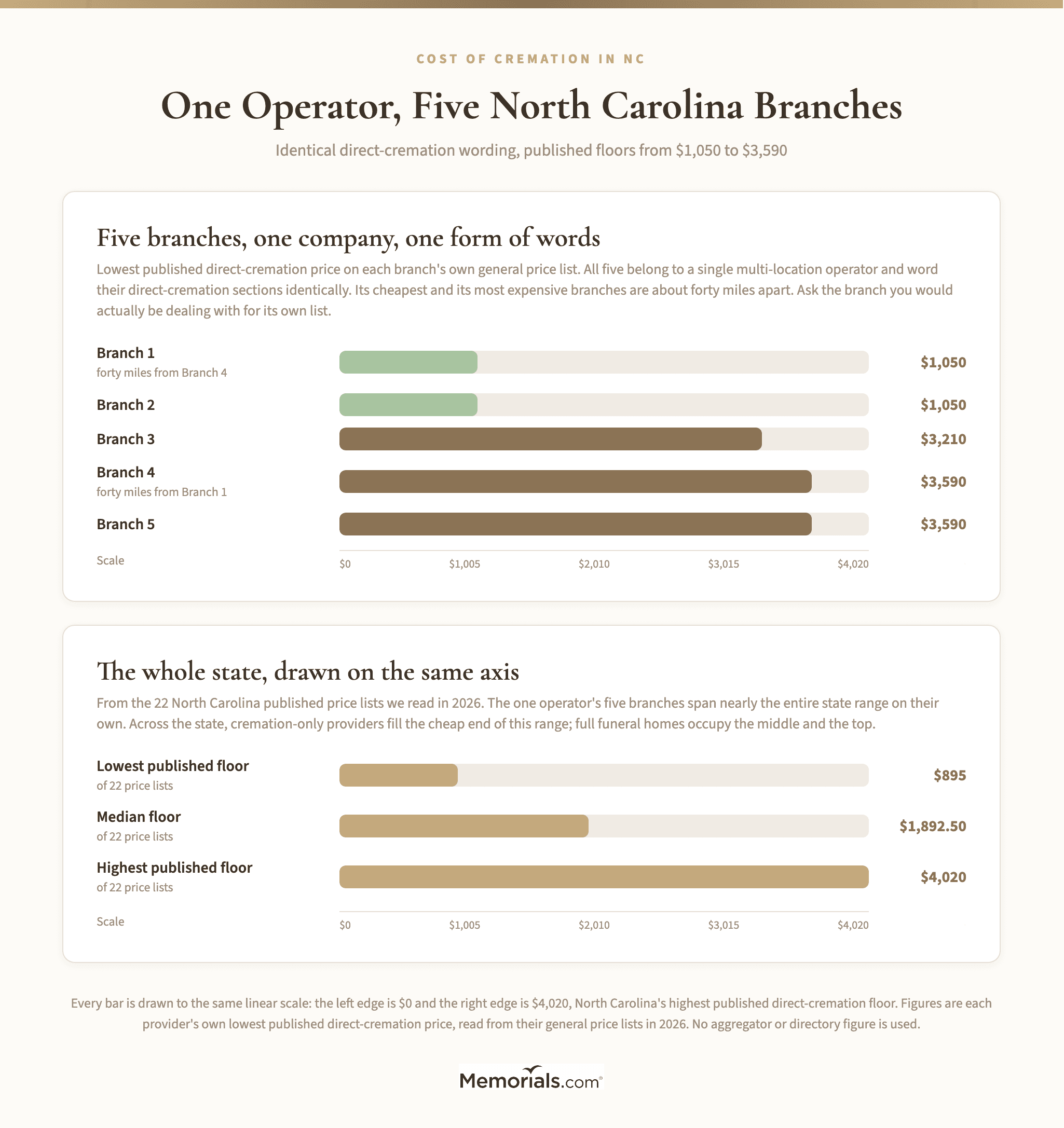
The cost of cremation in NC starts between $895 and $4,020 depending on which firm you call, with a median of $1,892.50. Those figures come from 22 published North Carolina price lists in 2026.
By that measure North Carolina is the 24th cheapest of the fifty states — $32.50 below the national median of $1,925 — and the 8th cheapest of the sixteen Southern states, $62.50 below the South's own median of $1,955. Our national cremation cost by state guide sets it beside the other forty-nine.
The spread is what matters when you are the one calling. In this state the number tracks the kind of business you have reached more than the town it sits in — a cremation-only provider and a full funeral home are selling two different things, and only one of them can hold a viewing.
Every figure here is a floor — the lowest direct-cremation price on the provider's own document.
Every North Carolina funeral home has to hand you an itemized general price list, and has to quote prices over the phone. Federal law says so. Nothing requires a firm to put that list on its website, which is why the provider nearest you may not be among the 22 lists behind these figures — ask for it directly and you are entitled to the same document.
Two notes on how we counted. We count price lists rather than firms, so three companies are represented twice, each publishing the same figure at two locations. And one of the 22 prices alkaline hydrolysis rather than flame — the only water cremation figure among them, and a process that has been licensable here under G.S. 90-210.136 since 2018.
North Carolina is one of the states where water cremation is a real published option and not a curiosity. It is also the more expensive one here: on the lists that price both, the water figure sits several hundred dollars above the flame figure.
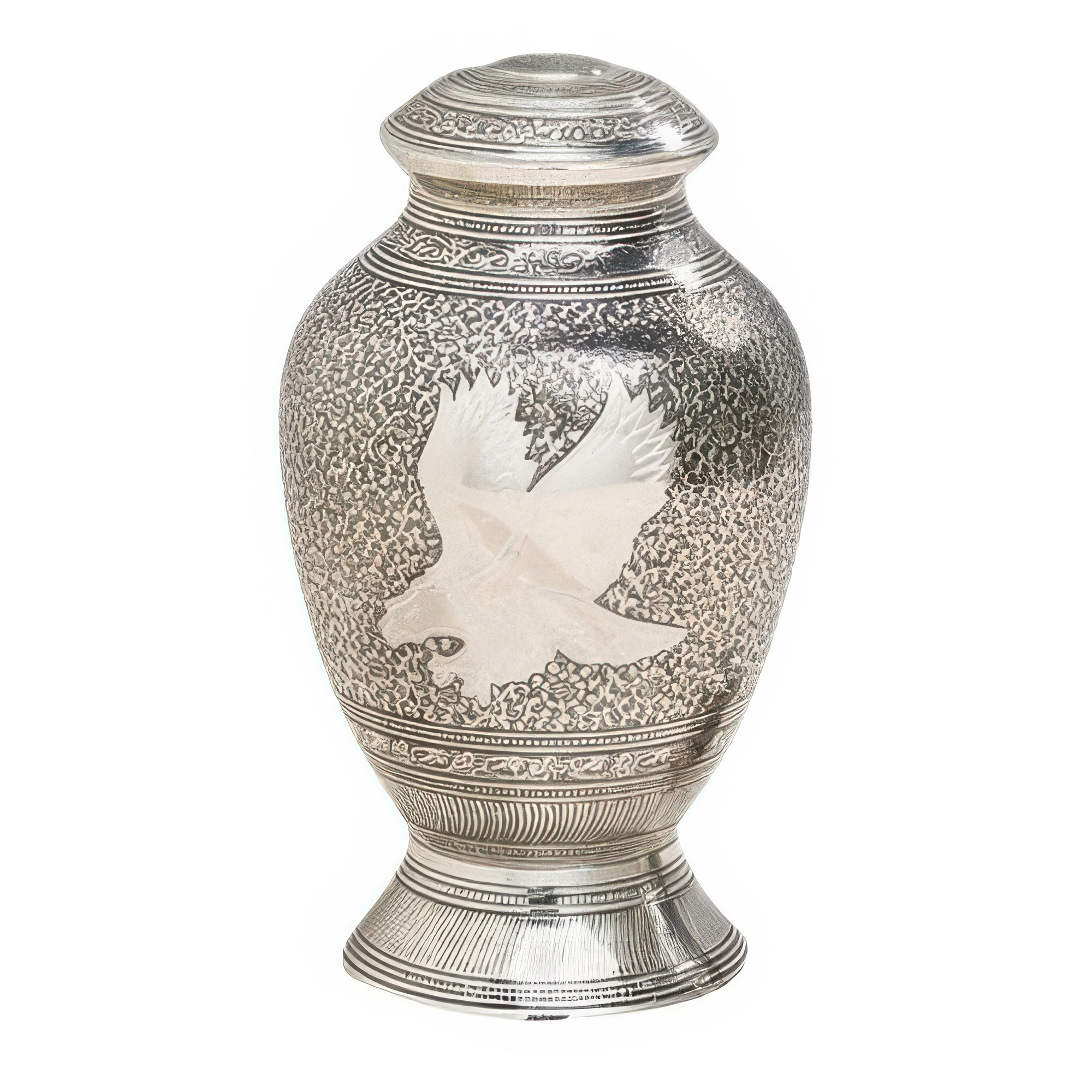
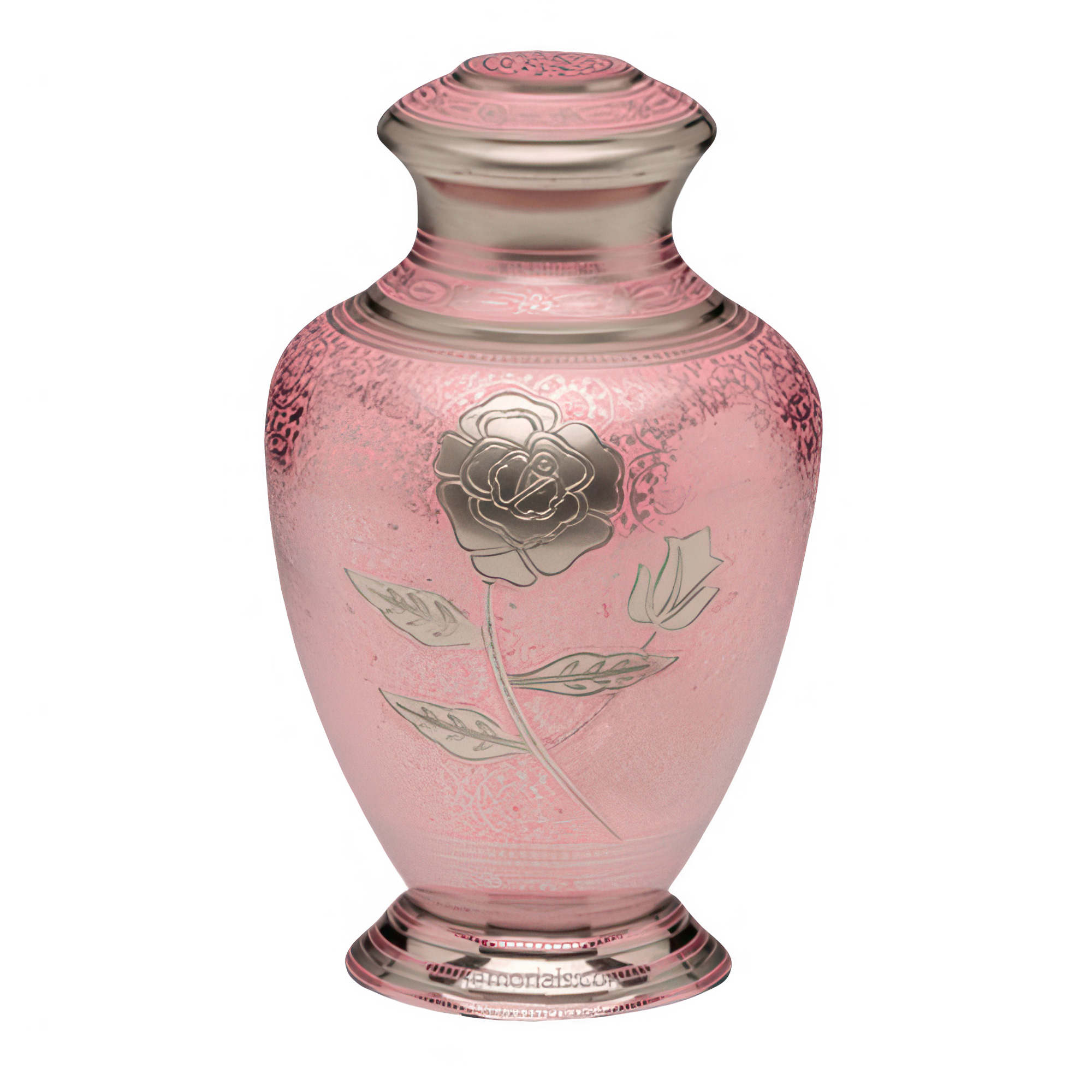
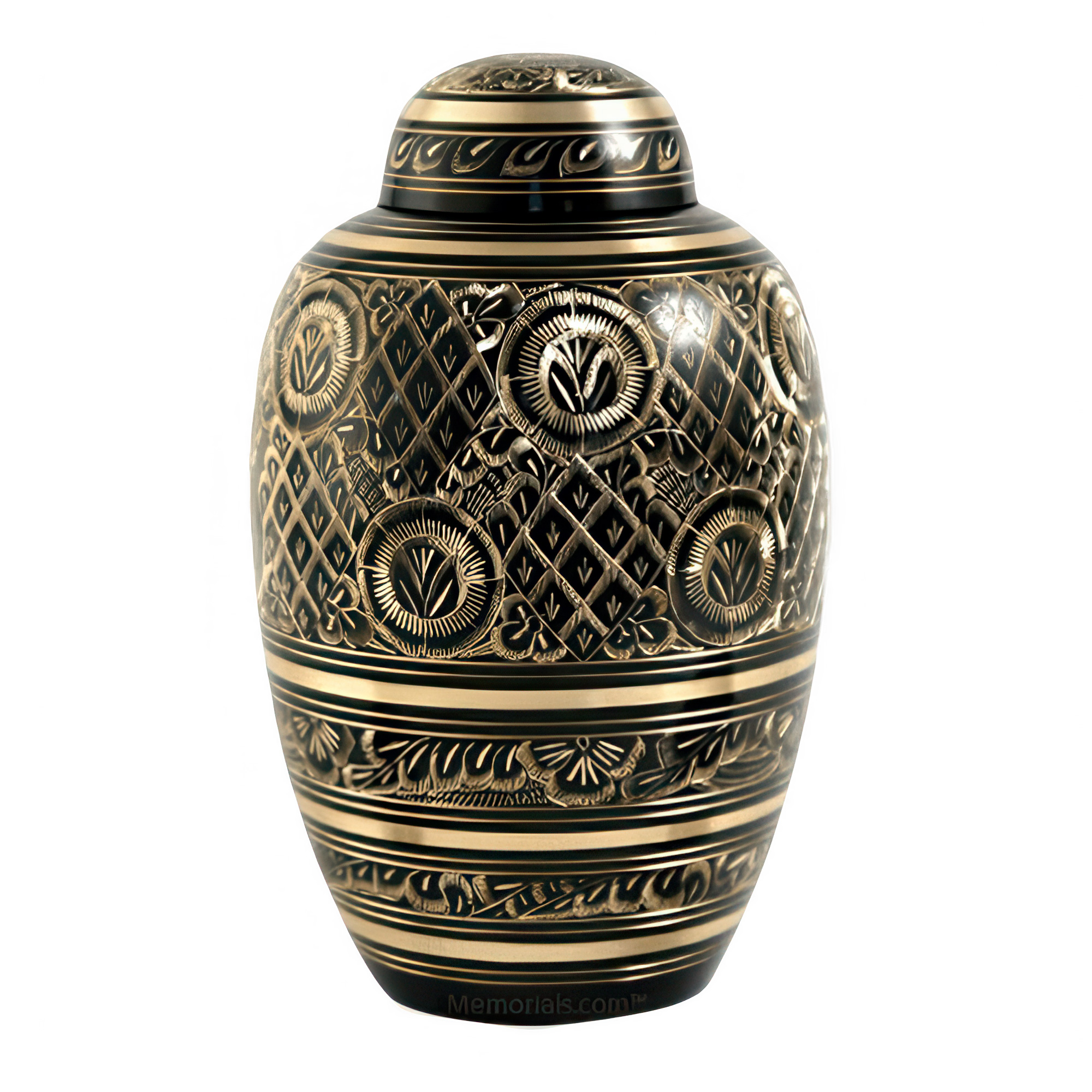
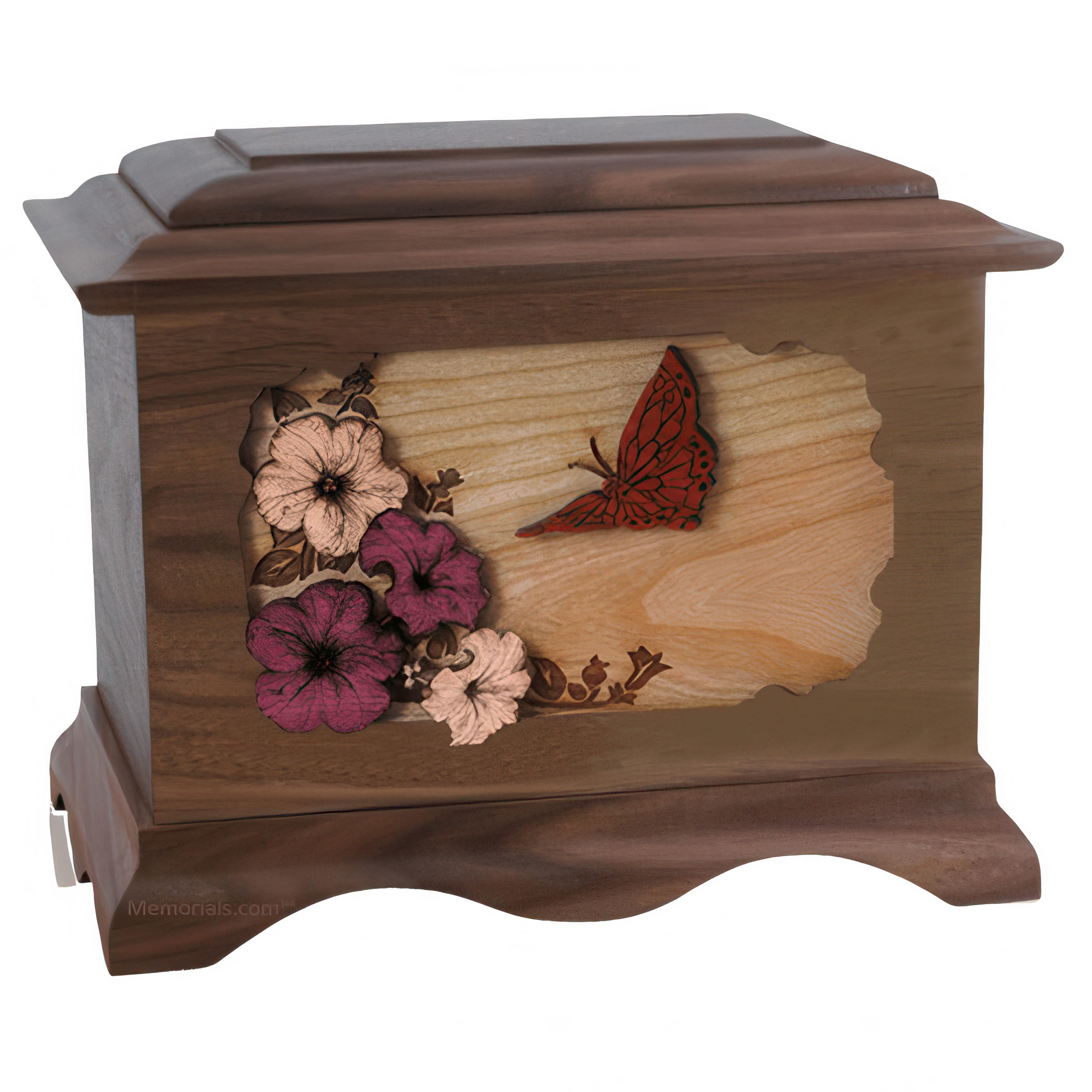
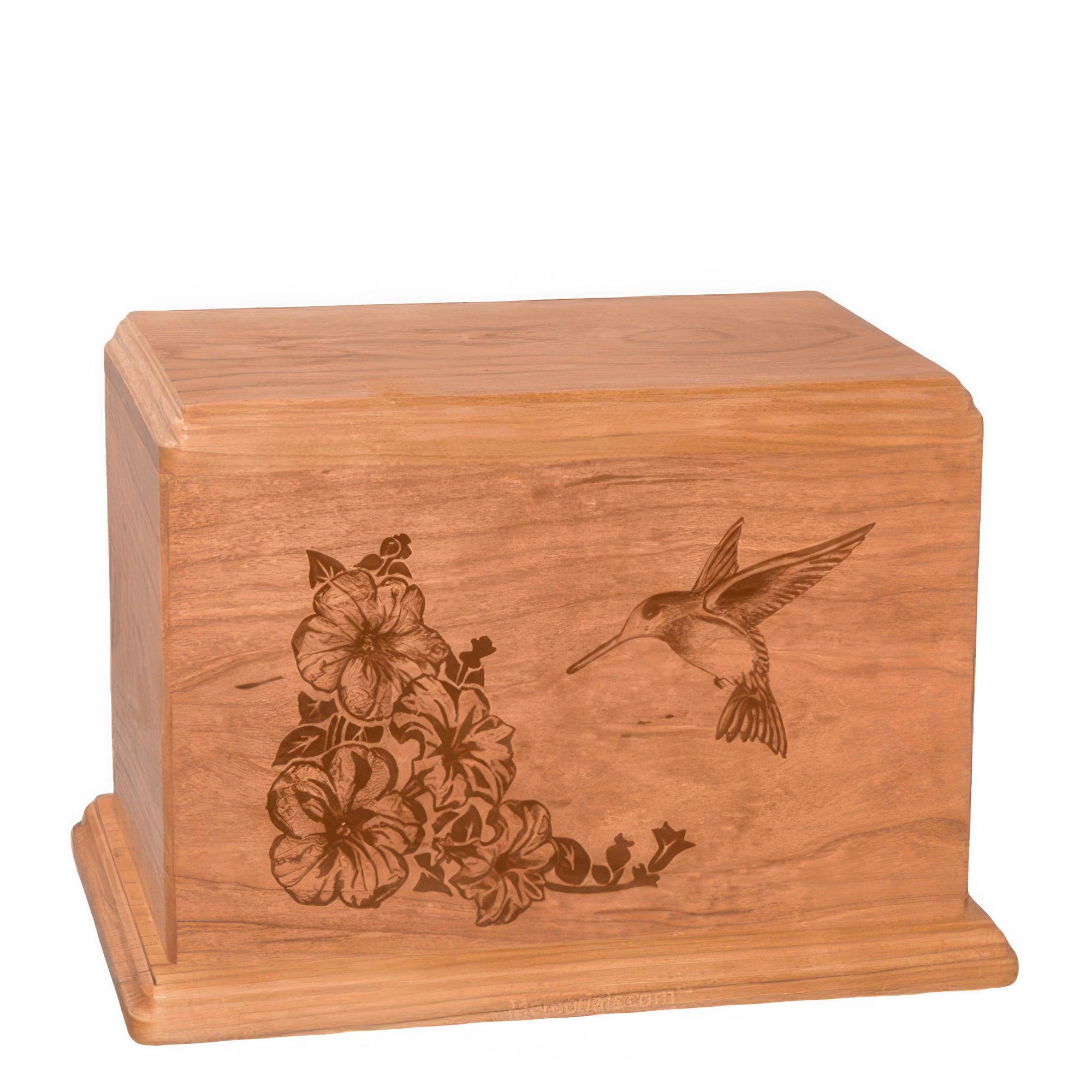
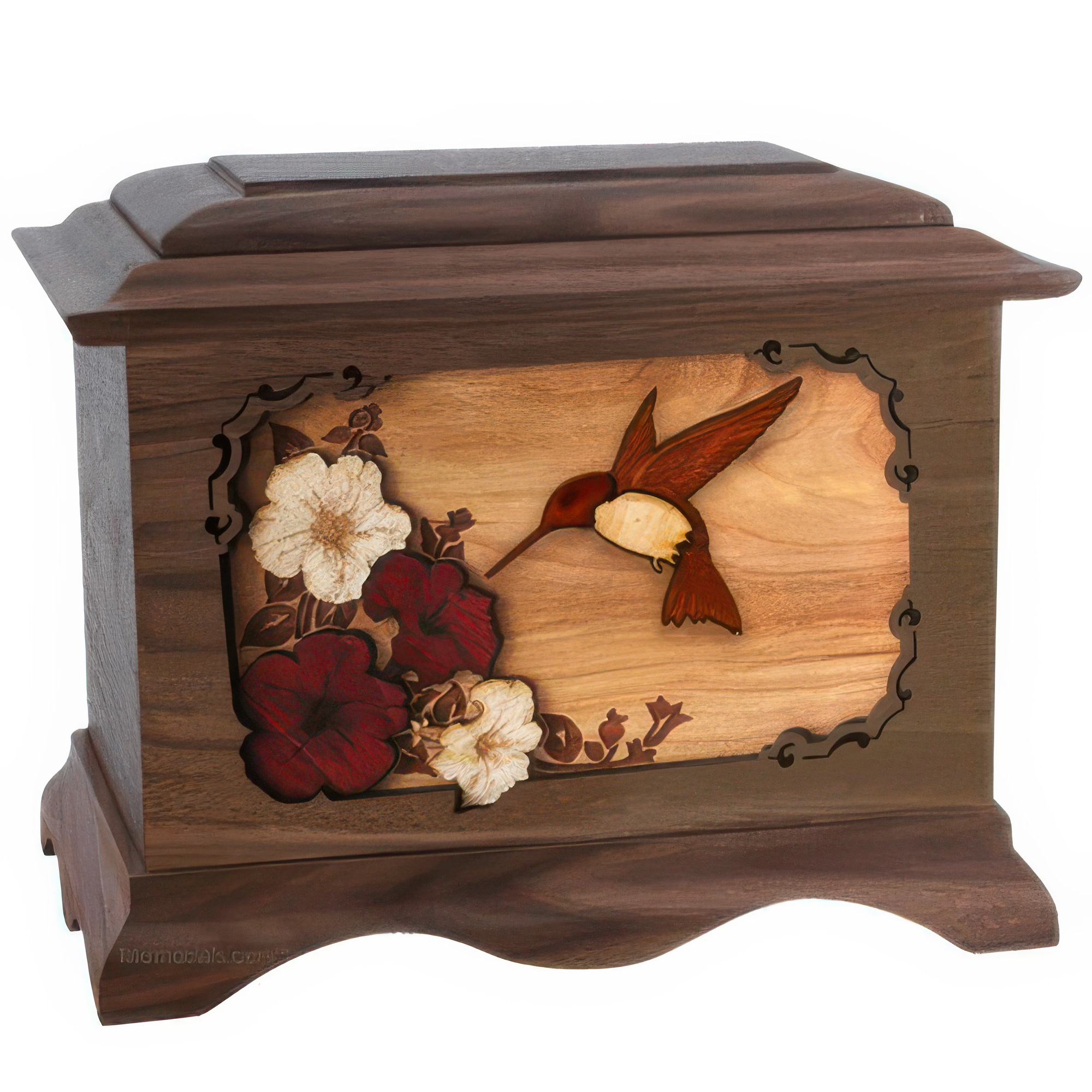
Cremation Urns for a North Carolina Family
The urn is bought separately, and the price of the cremation says nothing about it
Cremation-Only Providers and Funeral Homes: Why One Is Cheaper
The firms at the bottom of the range and the firms at the top are usually not the same kind of business. Almost everything in that $895-to-$4,020 spread is the difference between the two.
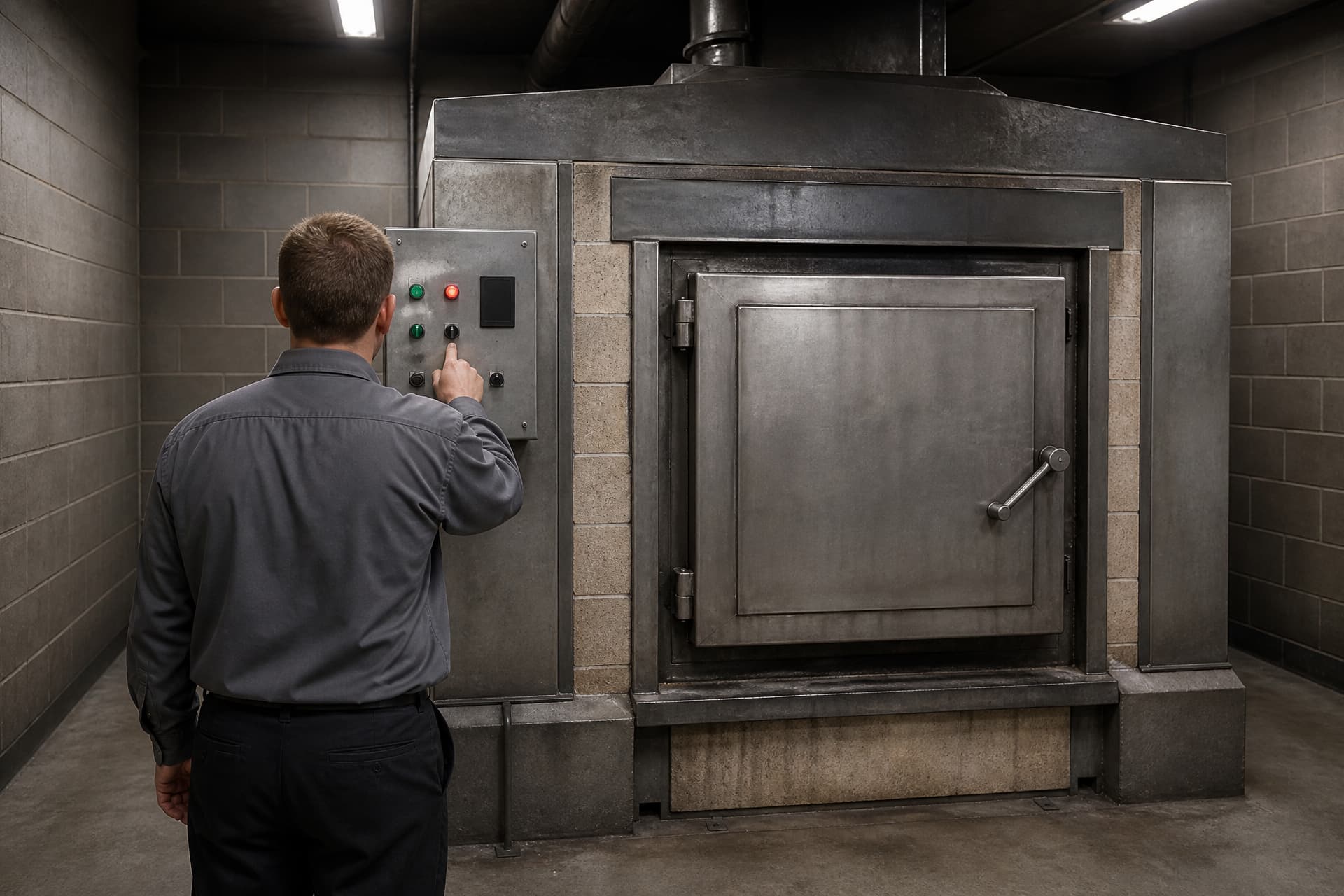
A cremation-only provider owns a retort or contracts with a crematory that does, and sells almost nothing else. Arrangements happen by phone or online; there is no chapel a family would visit and no viewing room to heat and staff. These firms fill the cheap end of the state's range.
A full funeral home carries a building, viewing rooms, arrangement offices, refrigeration and staffed hours, and sells direct cremation as one line on a long list of things it can do. Those firms occupy the middle and the top.
The cheaper firm is not undercutting anybody. It is selling you less. The cremation itself is the small part of either bill. Where a North Carolina list breaks a package into its parts, the retort is rarely the largest of them — the basic services of the director and staff usually are. Everything above the retort is the building, the licensed staff and the hours, carried by the services the firm actually sells.
What the cheaper option cannot do is a viewing, a funeral service with your loved one present, or a switch to burial if the family changes its mind. Some states write that limit into the license. North Carolina does not — it licenses the crematory, its manager and its technicians (G.S. 90-210.123) and has no separate category for a cremation-only seller. The constraint here is practical rather than legal: the discount firm has no room to hold a service in and no staff to run one.
So the first decision is not a price, it is a kind of business. Decide first whether the family will want time with your loved one beforehand, a service to gather at, or the option of changing course. If you want any of those, you are shopping among full funeral homes and the $895 end of the state's range is not open to you at any price. If you are certain you want the cremation and nothing else, every chapel-hour built into a full-service package is capacity you will pay for and never use.
North Carolina licenses three things here, and none of them is a discount storefront: the crematory, its manager, and the technician at the panel. A 2025 change (S.L. 2025-76) now lets one manager cover several crematories within 50 miles.
The brand name will not answer the question for you
Two houses under the same sign can be thousands of dollars apart. Five of the 27 North Carolina price lists belong to a single operator, and their published floors run from near the bottom of the state's range to near the top — with its cheapest and its most expensive houses about forty miles apart. The gap is not the cremation: the cheaper house of that pair charges more for the cremation itself and less for everything wrapped around it. So price the location, not the company, and ask the branch you would actually be dealing with for its own general price list.
One company, five North Carolina houses, and a range that nearly covers the whole state's. All five publish the same direct-cremation wording, and the two ends of the spread are forty miles and one county apart.
The same thing happens at a second multi-location operator, where the basic-services-and-overhead charge differs by more than a thousand dollars between two of its North Carolina houses. Compare that line rather than the total.
Read a printed range before you react to it. Where a list prints direct cremation as "$X to $Y" and the top figure is several times the bottom, that is usually the federal Funeral Rule at work: the line has to cover every container the provider stocks, from a fiberboard box to a hardwood casket. A five-figure top end is a casket ladder, not a market.
The advertised price and the price list are often two different documents. Three of the 22 lists we read disagree with the firm's own website. Ask which document your quote came from, and check its effective date.
What Is Included, and What Is Not
There is no North Carolina convention you can reason from. Some lists itemize every line inside the package, some name only what they exclude, and some price the same direct cremation two or three times over as container variants. So the headline number tells you nothing about what stands behind it. Ask these questions, and ask them against the itemized general price list rather than taking an answer over the phone:
Is the cremation container included, and which one? This is the item most likely to sit outside the quoted price. G.S. 90-210.121(9) sets what the container must be: combustible, leak-resistant, rigid enough to handle safely, covering your loved one completely, and labeled with their name, date of death, sex and age.
Is the transfer into their care included, and from how far? Transfer radii and per-mile charges beyond them are normal here, and the radius is usually printed in the same sentence as the price.
Is refrigeration or sheltering included, and for how many days? It is charged by the day at several North Carolina firms, and the clock can start within 24 or 48 hours.
Is the cremation itself inside the price, or is the crematory a third party billing separately?
Who files the death certificate and the burial-transit permit, and is that work inside the price?
What is specifically not included? Ask it in those words. Some North Carolina lists state their exclusions and nothing else, so this is the only question that reaches the same information.
Two totals are not comparable until you have both itemizations in front of you. So when a quote arrives as a single number, ask for the shape underneath it — the removal, the cremation and the basic services as lines that add up to the total.
The charges that most often sit outside a headline price are the same handful across the state: refrigeration or sheltering billed by the day, usually starting after the first 24 or 48 hours; mileage beyond a stated transfer radius; an evening or weekend surcharge; a fee to expedite; a fee to witness the cremation; and postage if the ashes are to be mailed. Weight surcharges are common and steep, and normally arrive as a ladder beginning around 300 pounds.
Certified copies of the death certificate are a cash advance almost everywhere; our guide to how many death certificates you need is worth reading first.
The fee North Carolina puts a $50 ceiling on
Under G.S. 130A-388(b) no cremation may go ahead until a medical examiner certifies that they have inquired into the cause and manner of death and are of the opinion that no further examination is necessary. It is not limited to suspicious or violent deaths; it gates every cremation in the state. The same subsection caps the fee at "fifty dollars ($50.00), to be paid by the applicant."
So budget up to $50, payable by the family, and ask outright whether it sits inside the price you have been quoted — several North Carolina lists itemize it plainly outside the package.
The permit is separate again. North Carolina's is a burial-transit permit under G.S. 130A-113, issued by the medical examiner where the death is under their jurisdiction and by the local registrar where it is not. Neither that section nor the Crematory Act names a fee for it.
Cremation Costs in Charlotte
Charlotte is the state's largest city, and its published prices very nearly cover the whole state's range on their own. Five of the flame-cremation price lists we read are Charlotte addresses, and the cheapest and the most expensive of them are a 3.6-times spread apart — inside one city. It is the state's pattern in miniature: the floor belongs to a cremation-only provider, the ceiling to a full funeral home with its own chapel and staffed hours. A Charlotte address tells you nothing about the price.
A city's cheapest published floor belongs to one specific address. Directory and aggregator pages run "cheapest cremation in Charlotte, NC" headlines and attach that figure to firms that never published it. Check any price against the provider's own general price list, for the branch at the address you would actually be dealing with, before you decide anything on it.
North Carolina Cremation Laws That Affect Cost
North Carolina's cremation rules and regulations live in two places: Article 13F of Chapter 90, the Crematory Act, and Chapter 130A, which covers death certificates, permits and the medical examiner. These are the ones that change what you pay or how long you wait.
There is a real 24-hour waiting period. G.S. 90-210.129(e) says human remains "shall not be cremated within 24 hours after the time of death." The exception is narrow — certain listed communicable diseases, waived in writing — so plan around the 24 hours rather than around a waiver.
The 24 hours is rarely what you are actually waiting for. The medical examiner's certification under G.S. 130A-388(b) comes before any cremation at all, and that sign-off is the long pole in an ordinary case. The death certificate itself has five days to be filed with the local registrar (G.S. 130A-115(a)) — five times the length of the statutory wait.
Who may authorize. If your loved one left no written authorization, G.S. 130A-420(b) sets the order: the surviving spouse, then a majority of the adult children who can be found after reasonable efforts, then the parents, then a majority of the adult siblings, and on down the degrees of kinship. Note the word majority — one adult child cannot sign alone, and not all of them are needed either. You can settle it in advance: G.S. 90-210.126 lets a person sign their own cremation authorization before two witnesses, and a crematory may not act without a signed form.
No casket is required, and North Carolina says so twice. G.S. 90-210.128(a) forbids a crematory from requiring a casket, from requiring cremation in a casket, or from refusing remains because they are not in one. Federal law separately requires every provider to offer an alternative container, and forbids them telling you state law says otherwise.
Scattering is well settled here, with one practical catch. G.S. 90-210.130(f) permits scattering over uninhabited public land, over a public waterway or at sea, or on the private property of a consenting owner. The catch is in subsection (c): on private property, that consent must reach the crematory in writing. A particular park, forest or state-owned lake may ask for its own permission on top of the statute, so ask the land manager. Our guide to scattering ashes laws and etiquette covers the general position.
Can a North Carolina family do it themselves? We are not going to answer that in either direction. Two of the three parts are clearly allowed — G.S. 130A-115 contemplates a "person acting as funeral director" filing the death certificate, and G.S. 90-210.25(c) exempts a family member carrying out the transport. But G.S. 90-210.125, on who signs the authorization form, supports two readings. That answer has to come from the NC Board of Funeral Service.
How to Lower the Cost in North Carolina
Call five firms, and do not assume the brand answers the question. One operator's own North Carolina houses run from near the bottom of the state's range to near the top. Ask each: is the cremation container included; is refrigeration included, and for how many days; what is the transfer radius and the per-mile rate beyond it; is there a weight or after-hours surcharge; and what does the medical examiner certification cost. Our cremation weight guide explains where those weight bands come from.
Look for a firm that owns its crematory. A provider running its own retort has no third-party cremation fee to pass on, and several of North Carolina's cheapest do.
Read the effective date, and open both copies. Three of the 22 lists disagreed with the firm's own advertising. When two figures conflict, the general price list with the most recent effective date is the one that binds.
And arrange it early if you can. Somebody comparing five North Carolina providers calmly will find the $3,125 that separates the two ends of this state's range. Nobody finds it on the worst day of their life.
Choosing an Urn
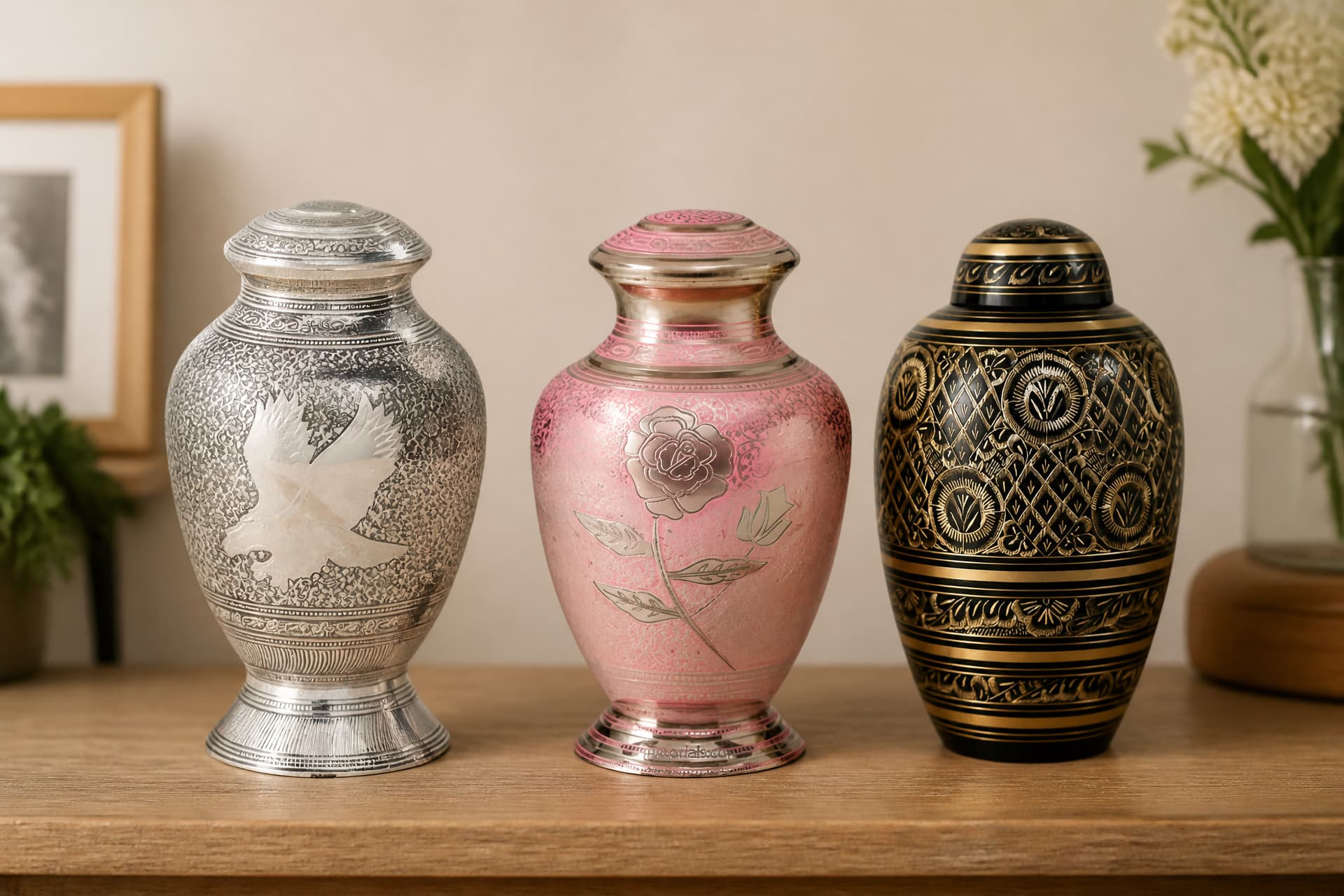
A direct-cremation package normally ends with a temporary container — a plastic or cardboard box — and the family chooses the permanent vessel afterward, from whoever they like. Ask which of the two you are being quoted; the word "urn" on a price list can mean either.
Where it is bundled you can see what it costs. One provider sells the same cremation at five prices, and the only difference between them is the urn; another's fuller package is a few hundred dollars more, and the difference is a cardboard container and a wood veneer urn. You are not obliged to buy either from the funeral home.
How much is cremation in North Carolina? Direct cremation starts between $895 and $4,020 across the 22 North Carolina price lists we read in 2026, with a median of $1,892.50.
What is the average cost of cremation in NC? We publish the median rather than the mean, because a handful of $3,000-plus funeral homes drag an average upward and describe nobody. The median is $1,892.50. Treat any figure for the average cost of cremation in North Carolina with suspicion unless the page says where its number came from.
How much does it cost to be cremated in NC, all in? Take the published floor and add what the list leaves outside it: the medical examiner certification at up to $50, the cremation container where it is not included, refrigeration where it is charged by the day, certified copies of the death certificate, and mileage beyond the transfer radius. Ask for the itemized general price list and add those against the quote you were handed.
Is there a waiting period before cremation in North Carolina? Yes — 24 hours, under G.S. 90-210.129(e), with a narrow exception for certain communicable diseases. In practice the medical examiner's certification usually takes longer than the wait.
Does a medical examiner have to approve every cremation in North Carolina? Yes. G.S. 130A-388(b) requires a medical examiner to certify that no further examination is necessary. That is broader than most states, which involve one only in violent, suspicious or sudden deaths.
Do I have to buy a casket for cremation in North Carolina? No. G.S. 90-210.128(a) forbids a crematory from requiring one. You do need a cremation container meeting the standard in G.S. 90-210.121(9), and whether one is inside the price varies from firm to firm — ask.
Can I scatter ashes in North Carolina? G.S. 90-210.130(f) allows scattering over uninhabited public land, over a public waterway or at sea, or on private property with the owner's consent — and that consent has to reach the crematory in writing. Individual parks and forests may have their own rules on top of that.
Can a family arrange a cremation in North Carolina without a funeral home? We do not know, and we would rather say so. Whether a crematory may accept the authorization form directly from a family depends on a reading of G.S. 90-210.125 that the words leave open. Ask the NC Board of Funeral Service.
In Short
The cost of cremation in North Carolina sits a little below the middle of the country — a $1,892.50 median, $32.50 below the national figure. The number worth remembering is the range inside a single company: its cheapest and its most expensive North Carolina houses are forty miles apart and thousands of dollars apart, and most of that distance sits in the basic-services line rather than in the cremation.
So call five, ask whether the container and the medical examiner certification are inside the number, and check the effective date on whichever list you are handed.