🏬Supersize Online Funeral Retailer🪦1000's of Headstones⚱️Over 10,000 Cremation Urns⚰️Caskets Overnight Delivery🛒Funeral & Memorial Superstore🚚FREE Shipping on ALL Orders👨👩👧👦Helping Families for over 20 Years💰Lowest Price Guarantee🏬Supersize Online Funeral Retailer🪦1000's of Headstones⚱️Over 10,000 Cremation Urns⚰️Caskets Overnight Delivery🛒Funeral & Memorial Superstore🚚FREE Shipping on ALL Orders👨👩👧👦Helping Families for over 20 Years💰Lowest Price Guarantee
🏬Supersize Online Funeral Retailer🪦1000's of Headstones⚱️Over 10,000 Cremation Urns⚰️Caskets Overnight Delivery🛒Funeral & Memorial Superstore🚚FREE Shipping on ALL Orders👨👩👧👦Helping Families for over 20 Years💰Lowest Price Guarantee🏬Supersize Online Funeral Retailer🪦1000's of Headstones⚱️Over 10,000 Cremation Urns⚰️Caskets Overnight Delivery🛒Funeral & Memorial Superstore🚚FREE Shipping on ALL Orders👨👩👧👦Helping Families for over 20 Years💰Lowest Price Guarantee
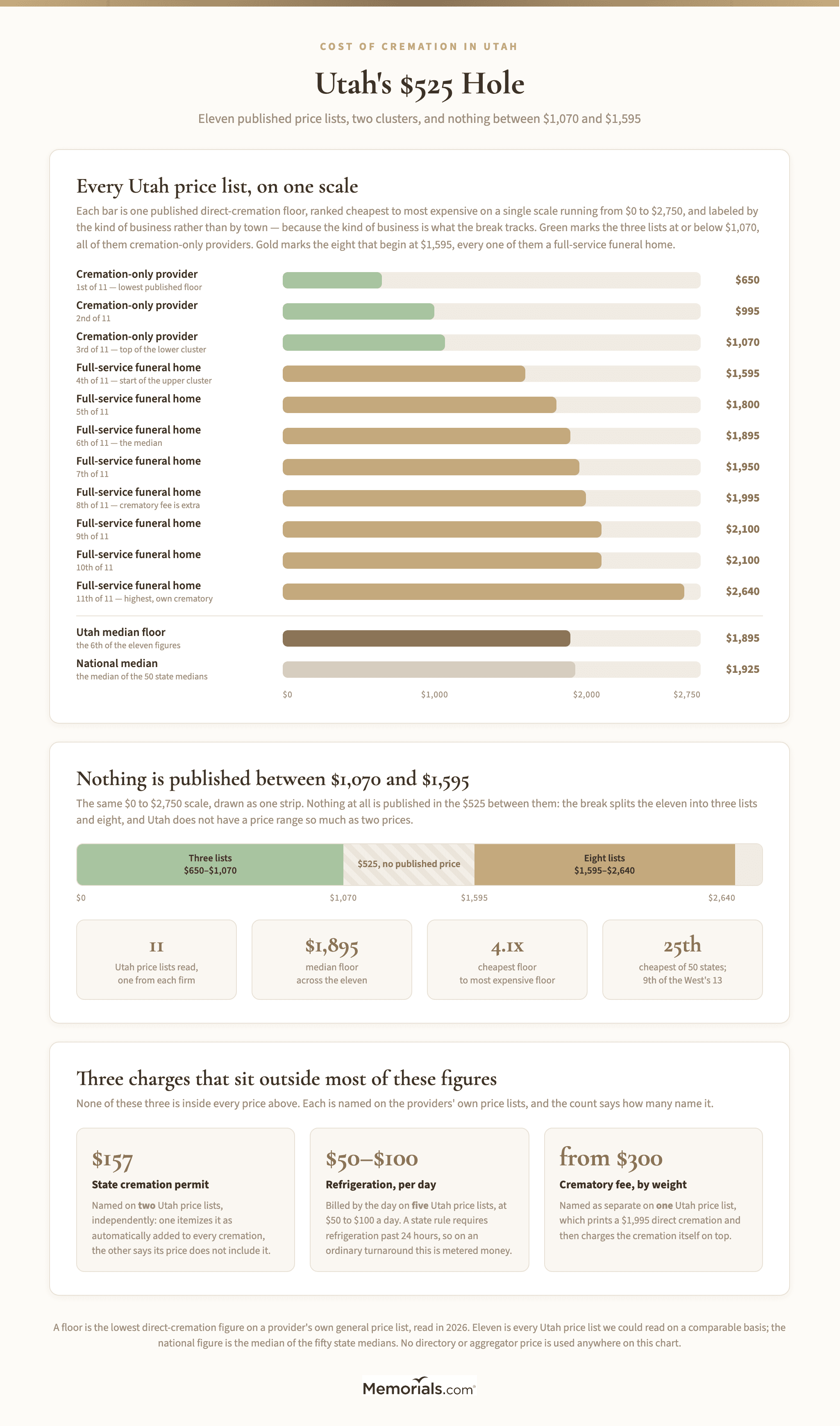
The average cost of cremation in Utah starts between $650 and $2,640, with a median of $1,895. That comes from reading 11 published Utah price lists in 2026 and recording the lowest direct-cremation figure on each one.
Nationally that is the middle of the road almost exactly. Utah is the 25th cheapest of the fifty states, and its median floor sits $30 below the national median of $1,925. Our cremation cost by state guide sets all fifty side by side with the evidence behind each. Within the West, though, Utah is on the expensive side: 9th cheapest of the region's 13 states, and $687.50 above neighboring Arizona.
What makes this state its own case is not the median. It is the added to every cremation, and a state rule that means your loved one must be kept refrigerated past the first 24 hours while the paperwork clears — and whether the price you are quoted already carries either one varies from document to document. Ask how much is cremation in Utah and the published number is the start of the comparison, not the end of it.
Direct cremation in Utah starts between $650 and $2,640, with a median of $1,895.
Every figure in that range is a floor — the lowest direct-cremation price printed on a provider's own document, read from 11 published Utah price lists in 2026. Bottom to top is 4.1 times. Each list carries its own effective date and its own idea of what the floor covers, so treat these as the prices published when we read them and confirm with the provider before you commit.
Look at the middle of that range, because there is nothing in it. Three of the eleven floors sit at $1,070 or below. The other eight start at $1,595. Between them is a $525 hole. Utah does not really have a price range so much as two prices, and which one you are quoted depends less on where you live than on what kind of business answers the telephone.
A published price is not the only price you can get. Federal law makes every Utah funeral home hand you an itemized general price list and quote prices over the phone, but nothing requires them to publish one online, and many do not. Ask the firm nearest you for that list by name: it is yours by right, and it is the document this whole comparison runs on.
The gap is the finding. Three Utah price lists stop at $1,070 and the next one begins at $1,595, so the state's published prices are two clusters rather than a spread, and the break falls where the cremation-only providers end and the funeral homes begin. The bottom panel is what none of the eleven figures contains in full.
Cremation Urns, Chosen Later and at Home
Not one of the 14 Utah price lists names a permanent urn inside the price
Cremation Services and Funeral Homes: Why One Is $650 and the Other $2,640
The hole in the middle of that range has one explanation: the firms at the bottom and the firms at the top are not the same kind of business. That is the decision to make before you start telephoning.
What a cremation-only provider is
At the cheap end are operators built around cremation and nothing else. They own a retort or contract with a crematory that does, and they sell by telephone and through a website rather than across a desk in an arrangement room. There is no chapel behind the price because there is no chapel. Every Utah floor at or below $1,070 belongs to a business of that kind.
What a full funeral home is
At the top are full mortuaries, and a mortuary is a building before it is a price: chapel, arrangement rooms, viewing rooms, refrigeration on site, staffed hours, vehicles. Direct cremation is the cheapest line on a document whose real business is funerals — add a visitation or a service and the same list multiplies that line several times over. From $1,595 upward, the Utah floors belong to firms of this kind.
Why one is cheaper, and why that is not a discount
The cheaper firm is not undercutting the more expensive one. It is selling less. Both do the same thing for your loved one; they differ in everything around it. The chapel, the viewing rooms, the staff who will sit with a family for two hours and the hours those rooms stand empty are real costs, carried by the services a mortuary does sell. Neither price is wrong — they are prices for different offerings that share a name.
What the cheaper option cannot do
A cremation-only provider can cremate, and that is the end of the list. It cannot hold a viewing with your loved one present, gather the family for a service beforehand, or turn the arrangement into a burial if somebody changes their mind on the third day. Utah does not appear to sort the two into separate license categories — the Funeral Services Licensing Act at Utah Code 58-9 speaks only of a "funeral service establishment", and we could not establish a separate Utah license for a cremation-only business, which is a claim about our lookup rather than a finding that no such category exists. Either way, ask what a firm will do, not what it is called.
So work out which kind you want before you compare prices. Decide first whether the family will want time with your loved one beforehand. If any gathering will happen elsewhere and later, the cremation-only firms sell exactly that, and $650 is a real price for it. If anyone will want to say goodbye with your loved one present, only a funeral home can arrange it — and that choice is far harder to unwind after the cremation than before it.
Two numbers for the same cremation usually means the container, one price if you supply your own and a higher one if you take theirs — a spread of roughly 4 to 19 percent across the Utah lists that show both. Where a list publishes a wide range instead of a figure, that is the same effect: the federal Funeral Rule makes a direct-cremation line cover every container a provider stocks, from a cardboard alternative to a hardwood casket, so the top of the range buys a better box, not a better cremation.
Then check that the cremation is inside the price at all. On most Utah documents the crematory fee is folded in; on at least one it is billed separately by weight, along with the death certificate and the permit.
What Is Included, and What Is Not
Two Utah documents can print the same figure and mean different amounts of money, and no state average can tell you which of the two you are holding. Read the price you have been quoted against these four lines, in the order the money moves.
The cremation itself. Many Utah lists do not itemize the retort charge at all — they name transfer, staff and the container, and the cremation is understood to be inside the number. On at least one it genuinely is not. Ask.
Refrigeration or sheltering. This is the Utah line to stare at, in a state whose rule requires refrigeration or embalming beyond 24 hours. Some firms fold it into the price; where it sits outside it is metered by the day, and the Utah lists that publish a rate run $50 to $100 a day, several starting the meter on the third day. Against a four-business-day turnaround, that arithmetic is worth doing on the first call.
The container, the permits and the paperwork. These move in and out of a Utah price more than anything else: some lists include a container, some quote less if you supply one, some file the death certificate and the state permit inside the price and some charge for each. Ask for all three by name.
Smaller charges sit outside a Utah headline price on one document or another: expediting, a witness cremation, permit processing, mileage beyond an included radius, and a surcharge where a larger person needs a larger container or a longer cremation — our cremation weight guide explains why that last line exists. Death certificates are their own charge, ordered by the copy: read how many death certificates you need before you order them.
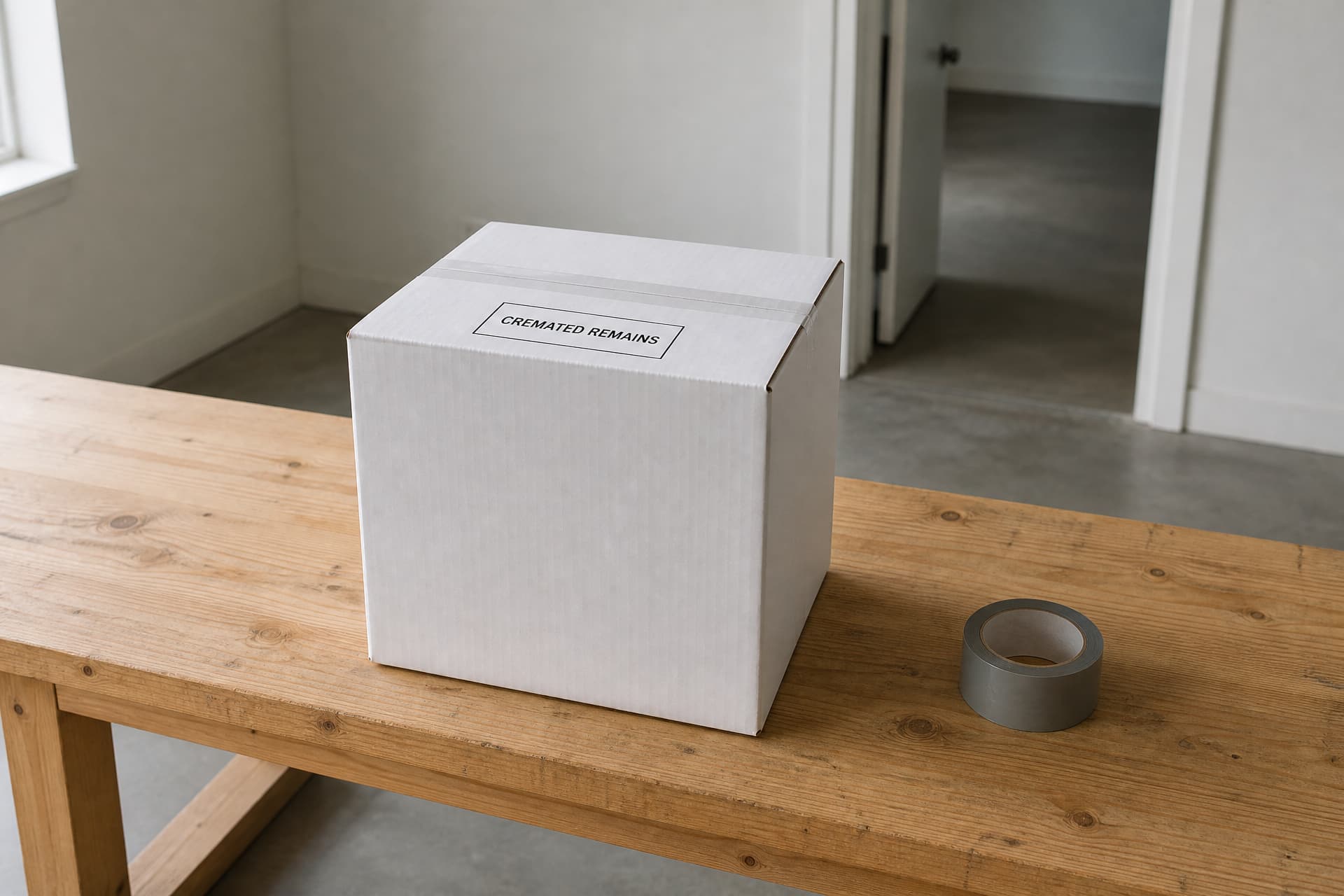
A few Utah price lists charge separately for posting ashes, priced per container and per addressee, and one of them explains why the charge exists: USPS Priority Mail Express is the only lawful way to ship cremated remains within the United States, and the parcel has to be visibly labeled as such. If the family is spread across states, this is a line to ask about before you choose a provider.
What the state charges on top
Most states leave you to guess at the government's share of a cremation. In Utah, providers print the figure on their own documents, and it is not a rounding error.
Most Utah price lists put the state cremation permit at $157, added to every cremation. Some name the figure, some say only that the permit is separate, and at least one cremation-only provider folds it into the package price. Treat $157 as typical rather than as a published government schedule, and unless the document in front of you says the permit is inside, assume the advertised floor is about $157 short.
Set it beside the equivalent charge elsewhere: Tennessee's cremation permit is $25, Rhode Island's medical examiner certificate $30. Utah's is real money against the cost of cremation Utah families are quoted.
There is a second government charge, and no number we can stand behind. Utah Code 26B-8-230 requires a permit from the medical examiner, to be issued or denied within three days, and subsection (6) lets the examiner charge a fee to recover its costs — and withhold the permit until it is paid. The statute authorizes the fee; we could not establish the current amount, so ask what it comes to.
Utah Cremation Laws That Affect Cost
Utah has no waiting period. No fixed interval sits between a death and a cremation here. What gates the timing is paperwork: Utah Code 58-9-610(1) forbids a cremation until the death certificate has been filed and the medical-examiner requirement met, and Utah Code 26B-8-121(1)(a) provides that a body "may not be interred or otherwise disposed of ... until a certificate of death is registered." Our guide to how long the cremation process takes covers the general sequence; the only published local answer we found is four business days once the documents are complete, with an expediting charge to go faster.
And the 24-hour rule is what turns those days into money. Utah Administrative Code R436-8-4 provides that a body may not be held, or be in transit, more than 24 hours after death and pending final disposition unless it is kept at not more than 40 degrees Fahrenheit or embalmed by a licensed embalmer. Because the paperwork routinely takes longer than a day, refrigeration is effectively compulsory for a direct cremation — and some Utah firms carry it inside the price while others bill it by the day. One Utah price list puts the rule to its customers plainly: "Utah law requires burial, cremation, or refrigeration within 24 hours of death if no embalming is done."
No casket is required. A container is. Utah Code 58-9-609(1) forbids a funeral service establishment from requiring that remains be placed in a casket before cremation, or from refusing remains that are not in one. But 58-9-609(2)(a) provides that remains "must be delivered to a crematory in a casket or cremation container." That is why several Utah lists print two prices, while others include a container in a single price and decline to discount it if you bring your own. Both approaches are lawful; only one lets you save $79 to $160.
Who may authorize. Utah Code 58-9-602 sets an order of priority — a person named in a notarized instrument or a service member's DD Form 93, then the surviving spouse, a personal representative named in a will, the children, the parents, the siblings, and then next of kin — and a power of attorney that ends at death does not count. Under 58-9-607 no cremation may go ahead until that person has signed an authorization form declaring that nobody of equal or higher priority objects and that there is no pacemaker or other hazardous implant to remove.
Scattering, and two Utah requirements worth knowing in advance. Utah Code 58-9-611(3) allows a dedicated cemetery, scattering over inhabited public land, the sea or public waterways subject to health and environmental law, or private property with the owner's consent — which, outside a cemetery, must be written and given to the funeral establishment first. Then the two details families do not expect: the remains "must be reduced to a particle size of one-eighth inch or less and removed from their closed container", and the establishment may not release them for scattering until it holds a receipt showing the filing with the local registrar. Our guide to scattering ashes laws and etiquette covers the general position.
Unclaimed remains, and the one thing that is barred. Under Utah Code 58-9-611(2)(b), if the agent has not claimed the remains or said what should happen to them within 60 days of the cremation, the establishment may dispose of them in any lawful manner — except scattering — and may charge its reasonable costs. Sixty days is short by national standards, and the exception is the interesting half: the cheapest disposition available to the funeral home is the one the statute takes away.
Utah Code 58-9-611(2)(b) gives a family 60 days to claim the remains or say what should happen to them. After that the funeral home may dispose of them in any lawful manner except by scattering, and may charge the authorizing agent its reasonable costs — so the shelf is not a permanent arrangement, and the sixty days start at the cremation rather than at the death.
A family that handles the disposition itself needs a permit. Under Utah Code 26B-8-121(3)(a) the local registrar issues a burial-transit permit when disposition "is made by a person other than a funeral service director"; transporting without one is penalized under R436-8-6.
How to Lower the Cost in Utah
The questions that decide the cremation cost Utah families actually pay are all asked on the first call.
Settle which kind of provider you want before you price anything. A cremation-only firm and a full mortuary are answering different questions, and only one of them can offer a viewing. Once that is decided, compare inside the group rather than across it.
Ask whether the crematory fee is inside the price, and get the answer in writing. On at least one Utah list it is not.
Ask what refrigeration will cost, and for how many days. At $50 to $100 a day against a four-business-day turnaround, this is the single largest variable on an ordinary Utah cremation.
Assume the $157 permit is on top unless the list says otherwise. The firms that include it tend to say so in as many words; where a document says nothing either way, ask.
Ask whether you may supply the cremation container, which several Utah lists price at $79 to $160 less. Utah law requires a container; it forbids anyone requiring a casket.
Call beyond your own town. The cheapest published floors in the state belong to cremation-only providers whose service areas run the length of the I-15 corridor, so the nearest firm is not necessarily the one to ring. Bottom to top is 4.1 times.
Read the effective date, and ask about the transfer radius. Some published Utah lists predate 2025, and the document with the most recent date and a stated inclusion list is the one that binds. Included transfer radii here run 30 and 50 miles, with a per-mile charge beyond them.
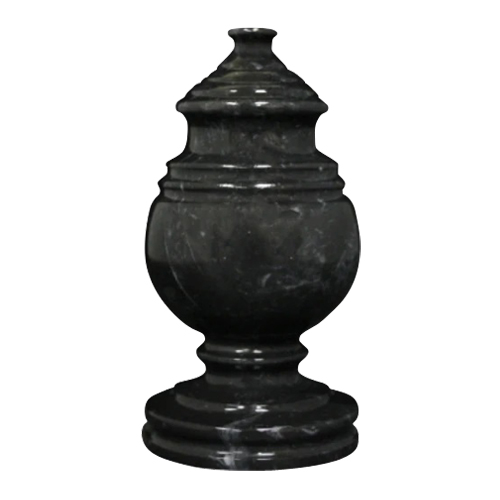
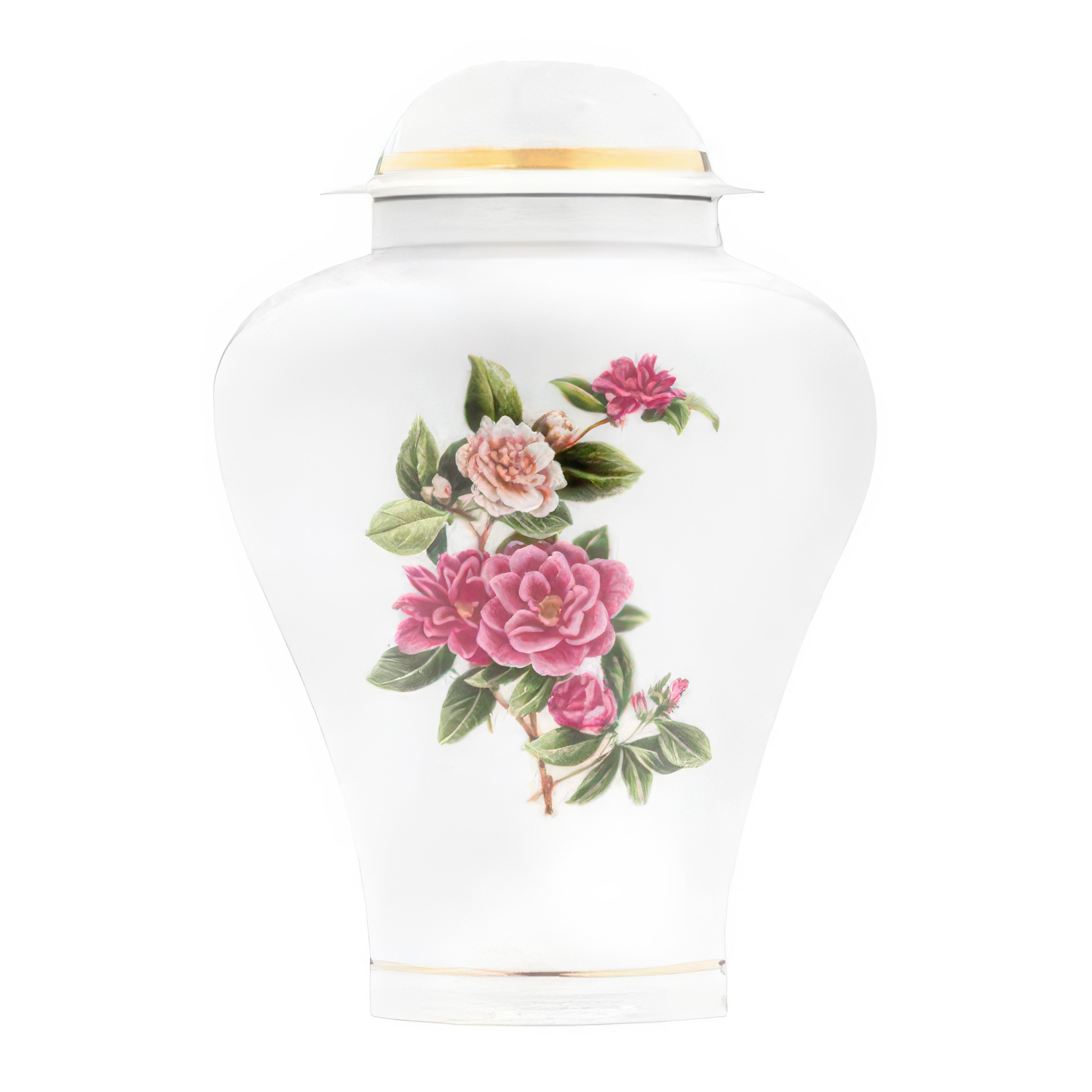
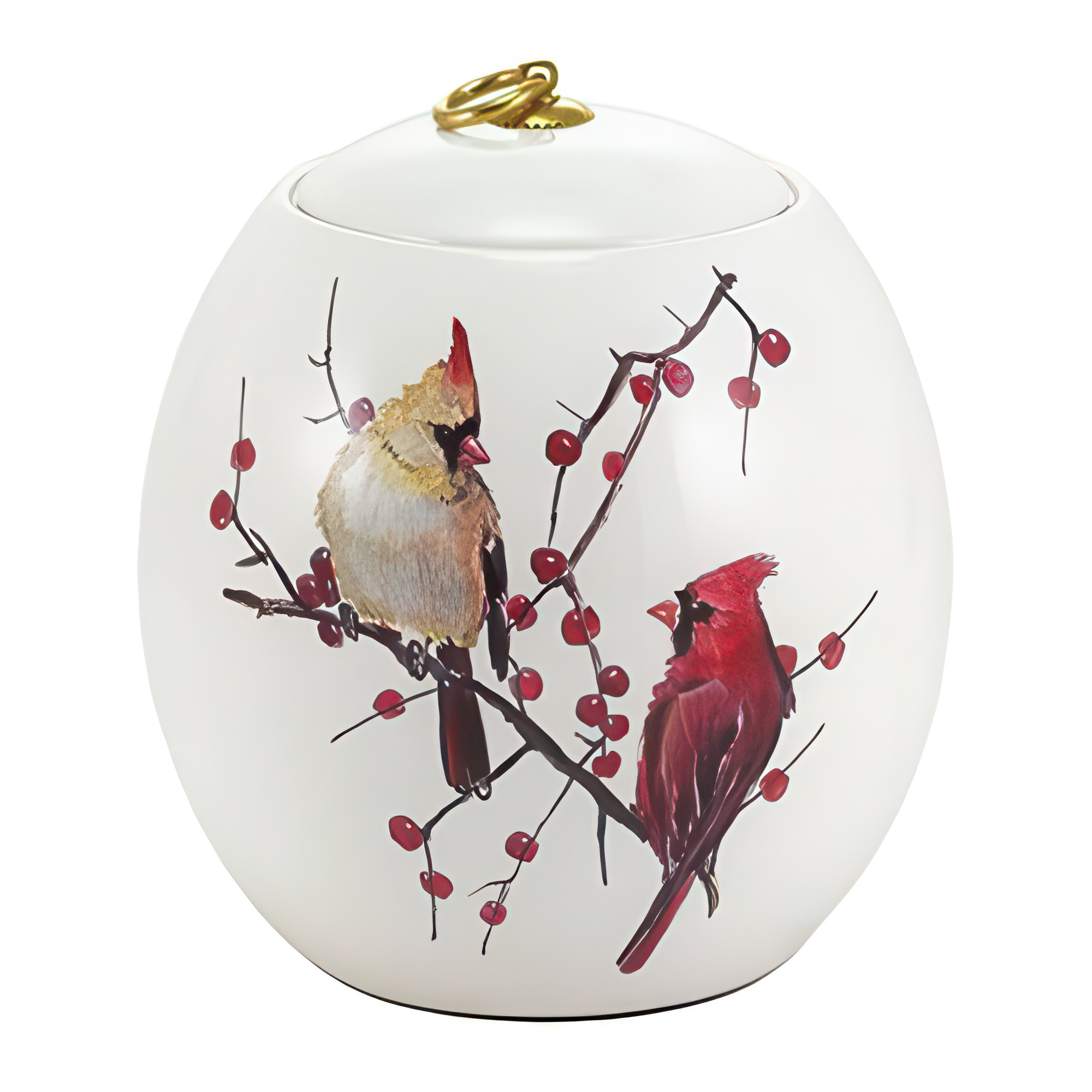
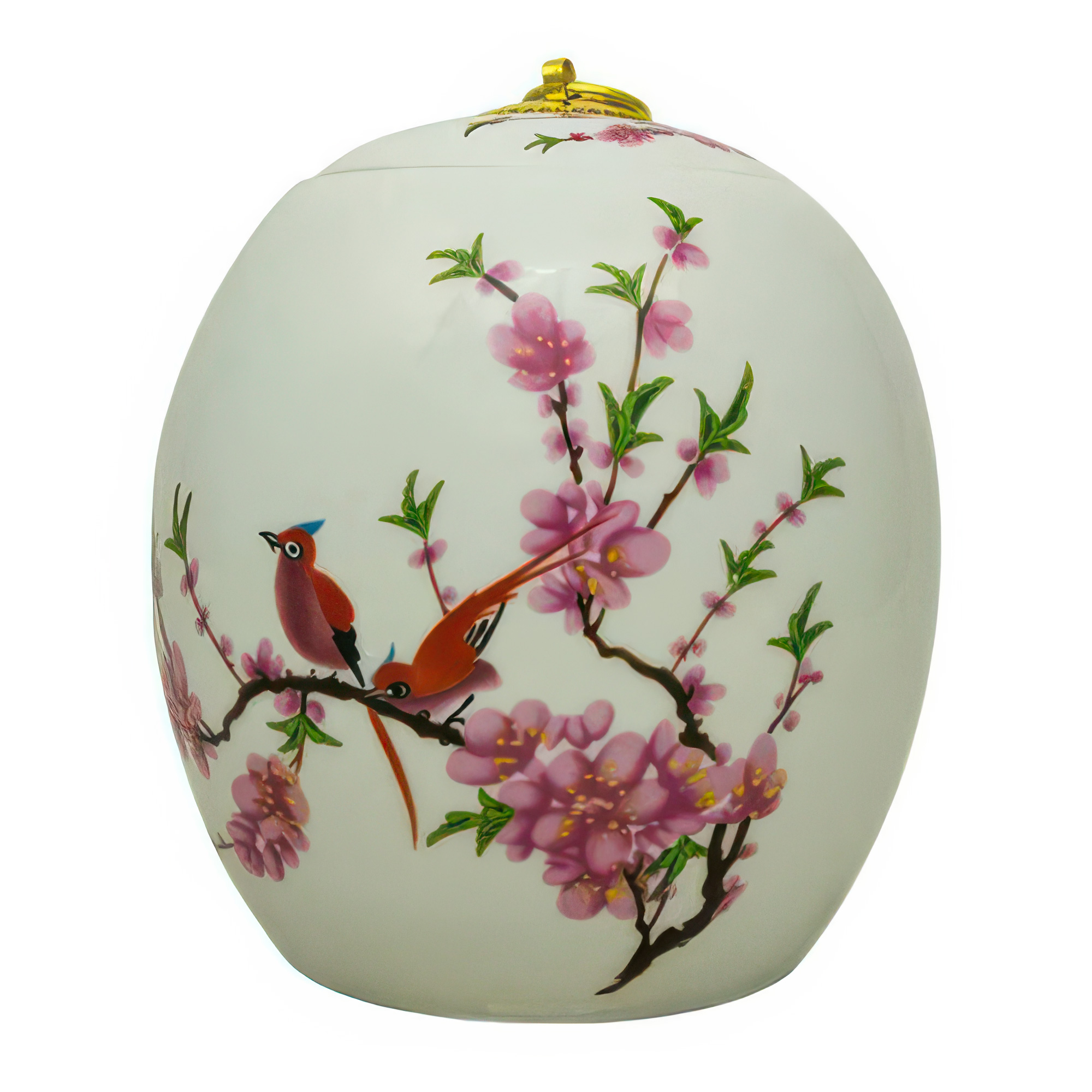
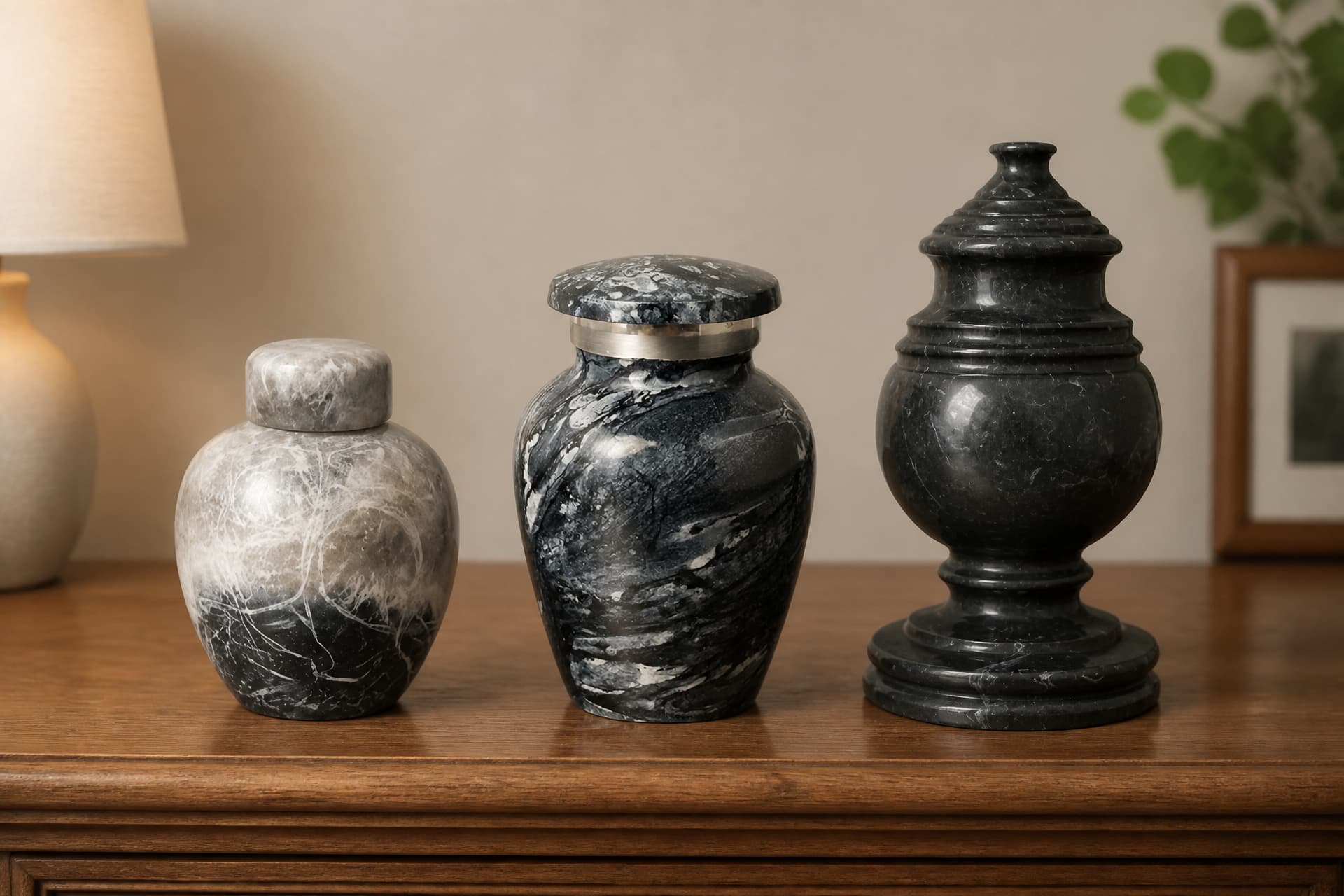
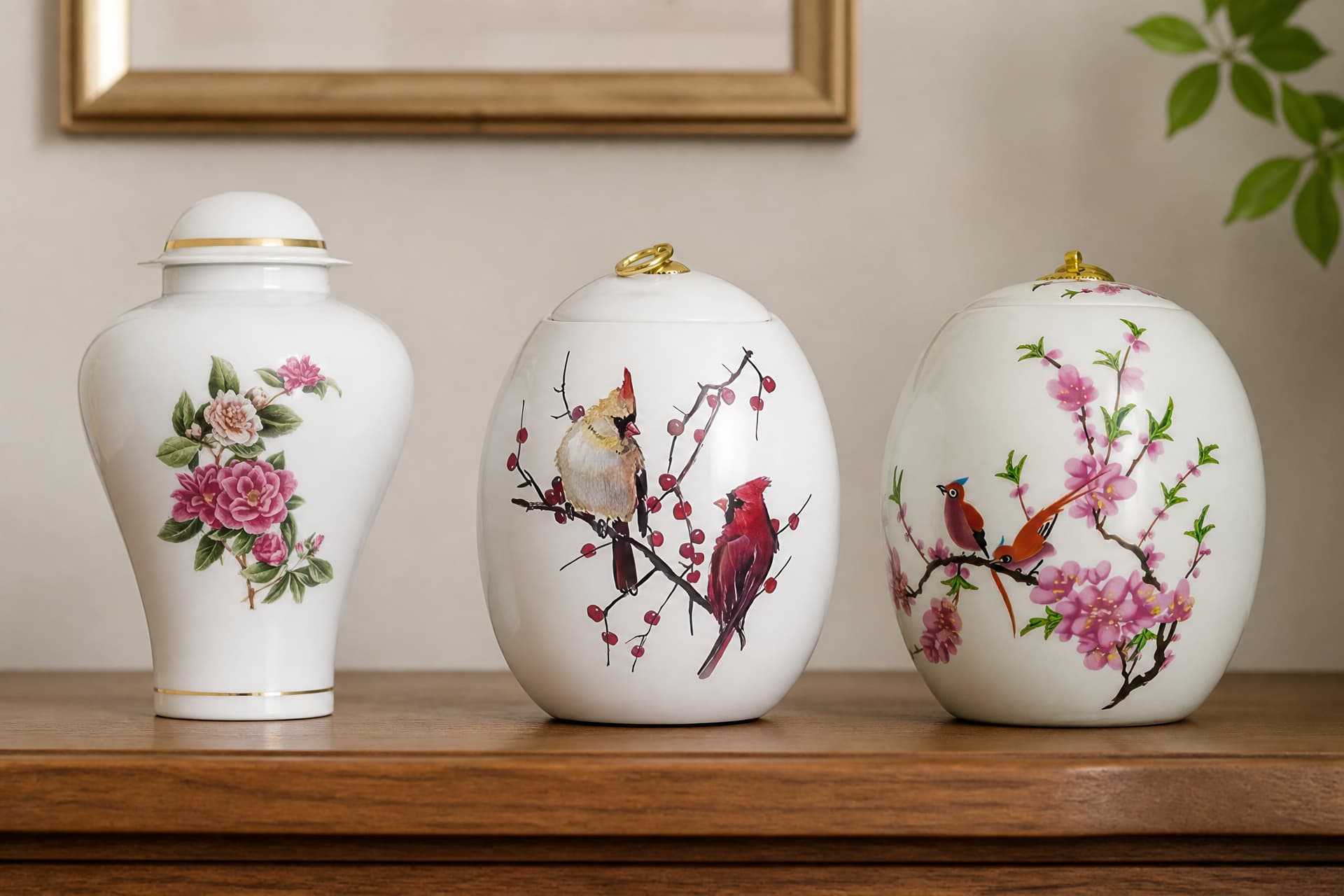
A permanent urn is not part of a Utah direct-cremation price. What some lists include instead is a temporary vessel — a plastic or utility urn meant only to bring your loved one home — and others say plainly that no urn is included. The urn is a separate decision, made later, at home, and it is the one part of this process that no Utah statute and no price list decides for you.
How much does cremation cost in Utah? Between $650 and $2,640 to start, with a median of $1,895, across the Utah price lists we read in 2026 — the 25th cheapest of the fifty states.
What is the average cost of cremation in Utah? We publish the median rather than the mean, because a couple of very cheap cremation-only floors and a cluster of mortuaries near the top produce an average that describes nobody. The median is $1,895. Treat any figure for the average cost of cremation in Utah as unverified unless the page says what sits behind it.
How much is cremation in Utah once everything is added? Take the published floor, add the $157 state permit unless the list says it is included, add refrigeration at $50 to $100 a day for as long as the paperwork takes, add the crematory fee where it is separate, and add death certificates. On a $1,895 floor that is realistically $2,200 to $2,600.
Is there a waiting period before cremation in Utah? No. What delays a cremation is the death certificate being filed and the medical examiner's permit being issued, which the statute allows up to three days from the application.
What is the Utah cremation permit fee? $157, according to the Utah price lists that name it, and it is added to every cremation. At least one cremation-only provider folds it into its package price instead. The medical examiner may also charge a fee under Utah Code 26B-8-230(6); we could not establish the current amount of that one.
Do I have to buy a casket for cremation in Utah? No. Utah Code 58-9-609(1) forbids a funeral establishment from requiring one, though 58-9-609(2)(a) does require a casket or a cremation container — and several Utah price lists charge less if you supply the container yourself.
Can I scatter ashes in Utah? Yes — over inhabited public land, the sea or public waterways subject to health and environmental law, or on private property with the owner's consent, which must be in writing and given to the funeral home if the land is not a dedicated cemetery. The remains must first be reduced to a particle size of one-eighth inch or less.
Why is the cremation cost in Utah so different between two firms in the same city? Because they are not selling the same thing. Two lists in one town can sit hundreds of dollars apart when one is a cremation-only floor and the other the cheapest line on a full mortuary's document — each quoting its own cheapest cremation rather than a comparable package.
In Short
The cost of cremation in Utah is ordinary for the country and expensive for the West: a median floor of $1,895, running from $650 to $2,640, with a $525 hole in the middle where the cremation-only operators end and the mortuaries begin. That hole is the first decision — a firm that only cremates, or a funeral home that can also gather people around your loved one. The cheaper one cannot become the fuller one after the fact.
Then read the document rather than the headline. The $157 permit is added to every cremation, and a state rule effectively requires refrigeration past 24 hours, metered at $50 to $100 a day where a firm does not carry it inside the price. Ask which of those is already in the figure you were quoted — that question moves more money in Utah than the choice of firm does.