🏬Supersize Online Funeral Retailer🪦1000's of Headstones⚱️Over 10,000 Cremation Urns⚰️Caskets Overnight Delivery🛒Funeral & Memorial Superstore🚚FREE Shipping on ALL Orders👨👩👧👦Helping Families for over 20 Years💰Lowest Price Guarantee🏬Supersize Online Funeral Retailer🪦1000's of Headstones⚱️Over 10,000 Cremation Urns⚰️Caskets Overnight Delivery🛒Funeral & Memorial Superstore🚚FREE Shipping on ALL Orders👨👩👧👦Helping Families for over 20 Years💰Lowest Price Guarantee
🏬Supersize Online Funeral Retailer🪦1000's of Headstones⚱️Over 10,000 Cremation Urns⚰️Caskets Overnight Delivery🛒Funeral & Memorial Superstore🚚FREE Shipping on ALL Orders👨👩👧👦Helping Families for over 20 Years💰Lowest Price Guarantee🏬Supersize Online Funeral Retailer🪦1000's of Headstones⚱️Over 10,000 Cremation Urns⚰️Caskets Overnight Delivery🛒Funeral & Memorial Superstore🚚FREE Shipping on ALL Orders👨👩👧👦Helping Families for over 20 Years💰Lowest Price Guarantee
If you have been invited to a janazah, it is probably happening very soon — later today, or tomorrow morning. Nothing has gone wrong and nobody is cutting corners. An Islamic funeral is meant to move quickly, usually within about twenty-four hours of the death, and that speed is a form of respect rather than haste. This page explains what the word means, what happens and in what order, and what will be expected of you if you go.
Every tradition answers the same handful of questions — how soon, who prepares the body, what it is buried in, who speaks, what the grave looks like afterward — and each one answers them differently. Our funeral traditions guide sets those answers side by side. What follows is Islam's, described for two readers at once: the guest who has never been inside a mosque, and the family member who knows the word but has never been the one responsible for making it happen.
Janazah is Arabic. Depending on how it is voiced, it names the funeral itself, the bier the body is carried on, or the body being carried — the janazah meaning shifts between the rite and the thing at the center of it, and ordinary speech uses all three senses without confusion. You will also see it written janaza, and the janaza meaning is identical; the difference is only in how Arabic letters get spelled out in English ones. Jinazah turns up as well, and so do hybrids: a funeral home may put a service on the calendar as a Muslim funeral janaza, and an online directory may list a janazah Islamic funeral, which is really a redundancy, because the word already carries "funeral" inside it.
Whether you searched what is a janazah, what is janaza, or what does janazah mean, you are asking one question, and the answer has two halves.
The first half is the whole event: everything from the moment of death to the moment the grave is filled — washing the body, wrapping it, praying over it, burying it. The second half is one specific part of that event, the funeral prayer, which is called Salat al-Janazah. When somebody says "the janazah is at eleven," they usually mean that prayer, because it is the point at which everyone gathers. Knowing that the word does both jobs will save you a good deal of confusion over the next day.
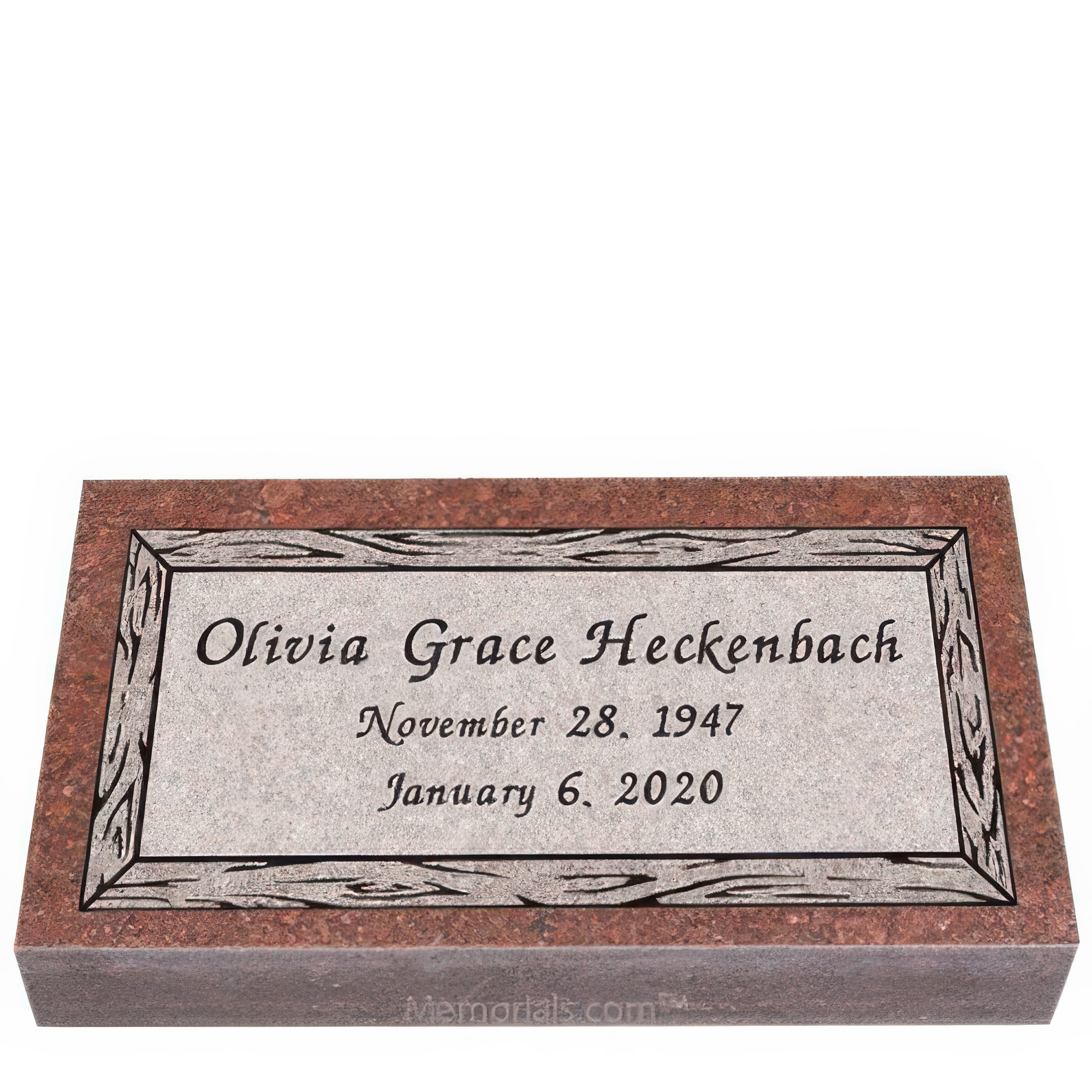
Plain Burial Containers and Flat Grave Markers
The simplest options a cemetery is likely to allow
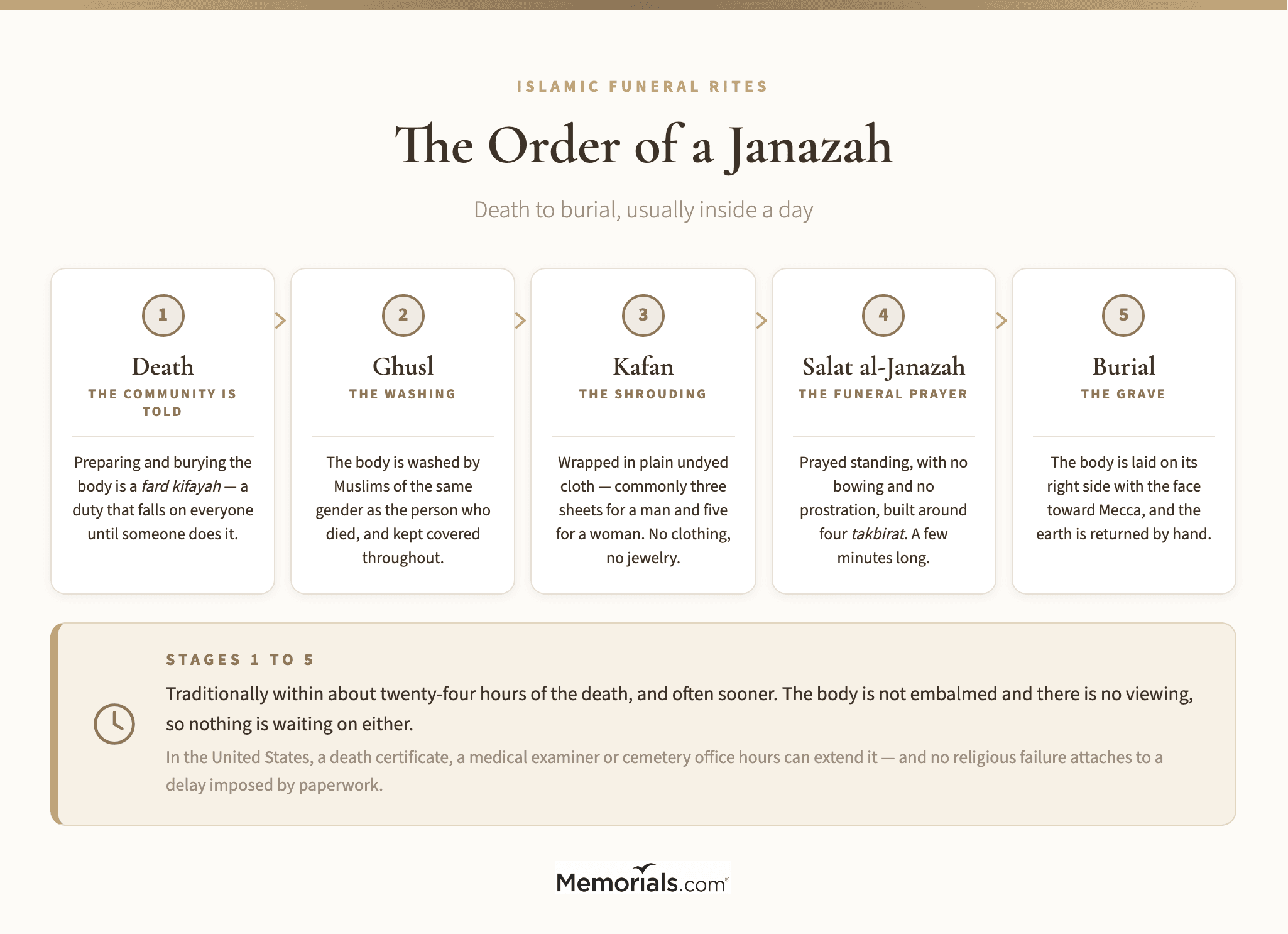
Burial as soon as possible is the norm — traditionally within twenty-four hours, and often sooner. The body is not embalmed, and there is no viewing in the American sense, no days of visitation, no scheduling around distant relatives' flights. The reasoning is that the dead are owed prompt, dignified return to the earth, and that delay serves the living more than it serves them.
Preparing and burying a Muslim is what is called a fard kifayah: a communal obligation. It does not fall on one grieving person. If enough members of the community carry it out, the duty is discharged for everyone; if nobody does, everyone is answerable. In practice this means that within an hour of a death, people who barely knew the family are washing the body, calling the cemetery and cooking for the household. If you are the relative trying to arrange all this yourself, that is worth hearing plainly: you are not supposed to be doing it alone, and the mosque will expect to help.
American reality intrudes at the edges. A death certificate has to be signed. A medical examiner may need to release the body. Cemeteries have office hours. Families often make the twenty-four hours and sometimes do not, and no religious failure attaches to a delay imposed by paperwork.
The sequence is fixed even when the clock is not: the body is washed, then shrouded, then prayed over as a congregation, then buried, usually inside a day and in that order.
Washing and Shrouding the Body
The body is washed before anything else. The washing is called ghusl, and it is done by Muslims of the same gender as the person who died — often family members, often trained volunteers attached to the mosque, frequently both. Spouses may wash each other. It is done gently, in a set order, with the body kept covered throughout; modesty is preserved for the dead exactly as it would be for the living.
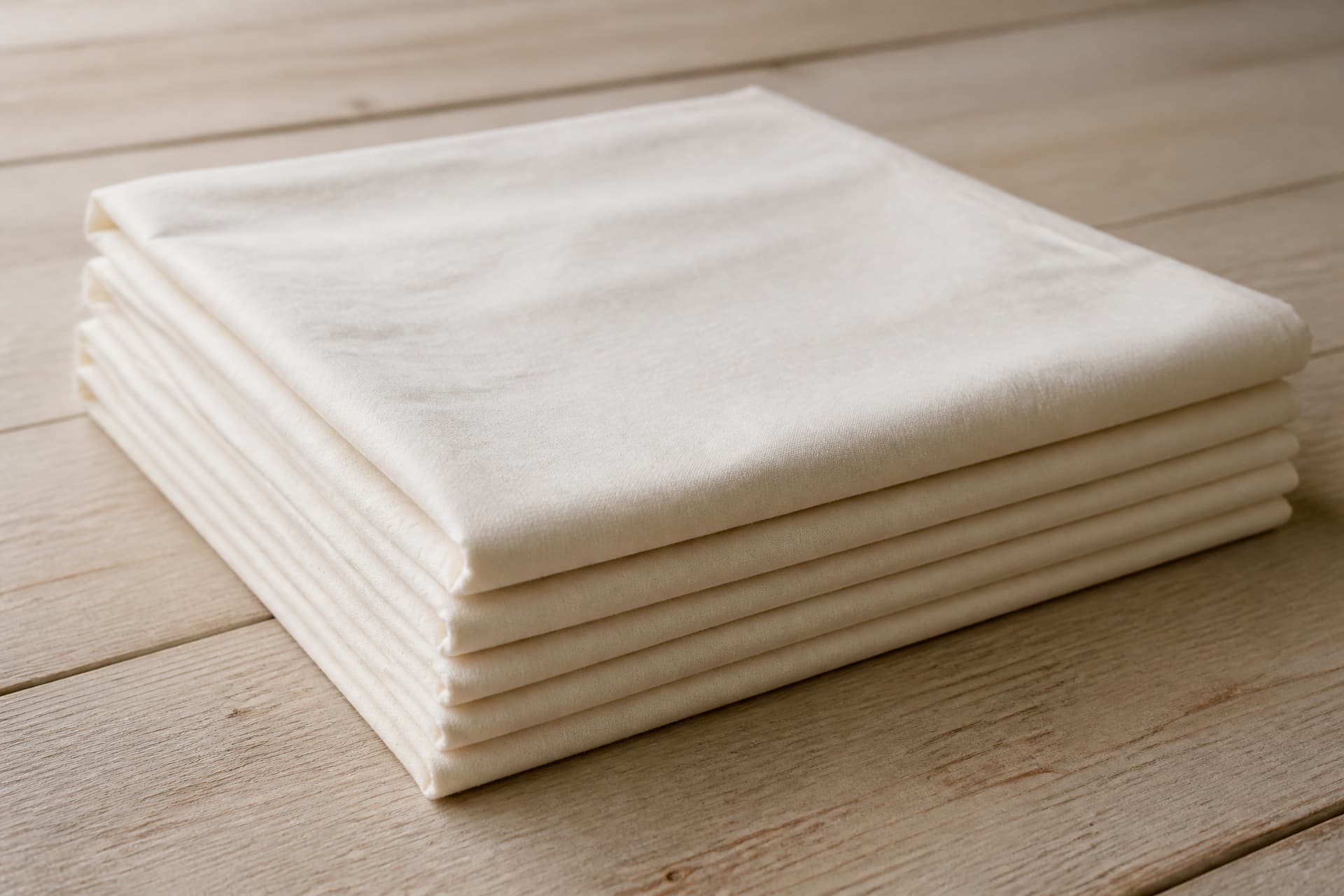
Then the body is wrapped in the kafan, a plain white burial shroud of undyed cloth. The common practice is three sheets for a man and five for a woman, though the count varies by school and by community. There is no clothing, no jewelry, no cosmetics, and no way to tell from the wrapped body whether the person was wealthy or poor. That equality is the point, and it is stated more than once in the tradition.
The kafan is ordinary undyed cloth, and deliberately so — a shroud cannot be made more expensive than the next person's.
If this sounds familiar, it should. Judaism prepares its dead almost identically, and its own washing rite, Jewish ritual washing, is performed by a volunteer society for much the same reasons: the body is handled by its own community rather than an industry, and everyone is buried in the same plain cloth.
Salat al-Janazah, the Funeral Prayer
Once the body is shrouded, the community prays over it. Salat al-Janazah is short — a few minutes — and it does not look like the prayers you may have seen photographs of. It is performed standing throughout. There is no bowing and no prostration. The body is placed in front of the congregation, the imam stands nearest to it, and everyone else lines up in rows behind, shoulder to shoulder.
The prayer is built around four takbirat, the moments when the congregation says Allahu akbar and moves from one part of the prayer to the next: praise, blessings on the Prophet, supplication for the person who died, and a closing. Some communities pray five. The prayer asks for mercy and forgiveness for the deceased; it is intercession rather than eulogy, and there is usually no speech about the person's life at all.
It is generally held at the mosque, sometimes at the cemetery, occasionally at a funeral home with a room large enough. If you want the mechanics — who leads, what is recited, how a family arranges the whole thing from the first phone call — that belongs in our guide to arranging a muslim funeral, which follows the process end to end rather than the vocabulary.
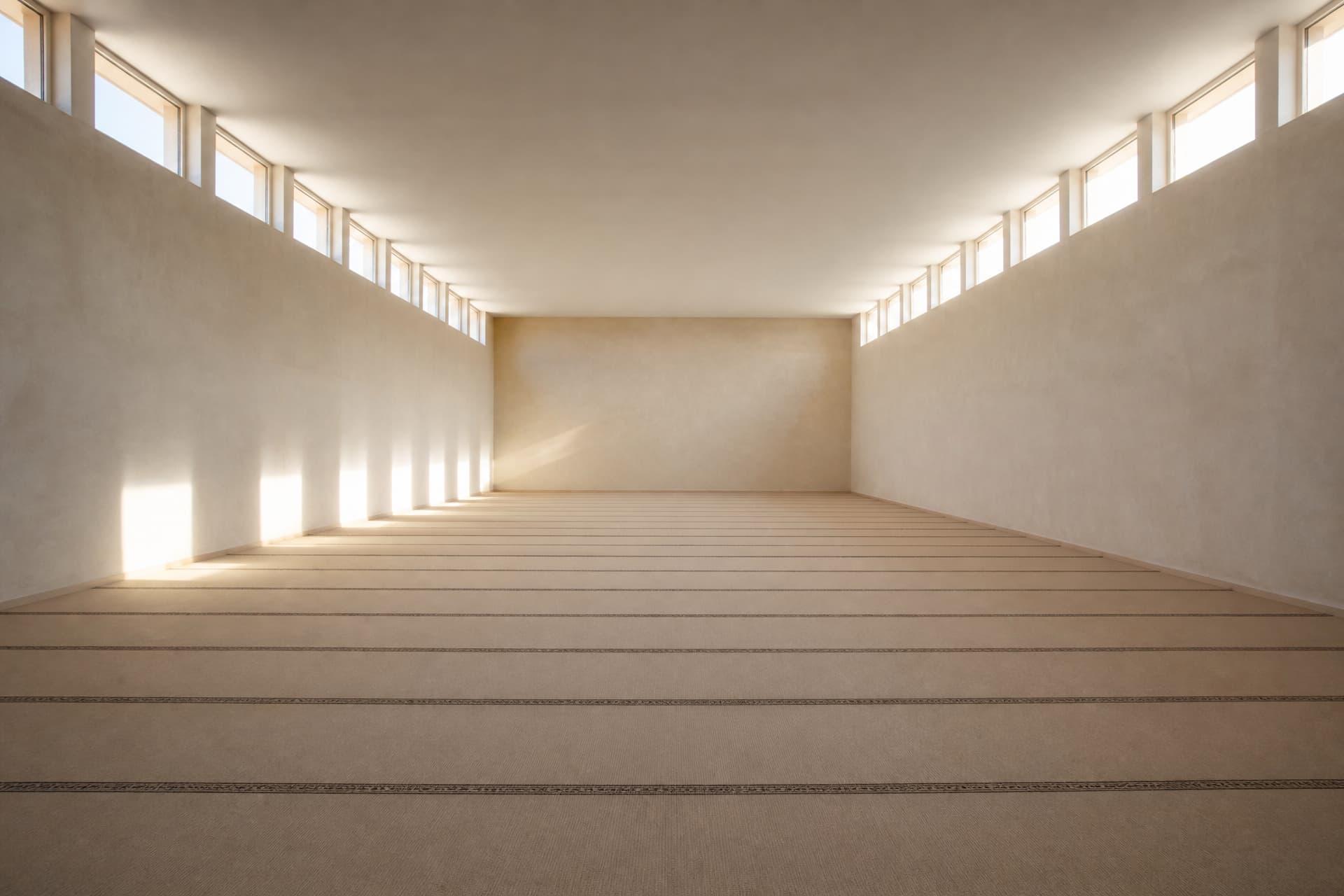
The funeral prayer is prayed standing, in rows, facing the same direction as any other prayer — which is why the room is arranged in lines rather than pews.
The Burial
Burial follows the prayer, usually the same hour. The body is carried to the grave, and carrying it is considered a good deed rather than a chore, so the bier tends to change hands on the way.
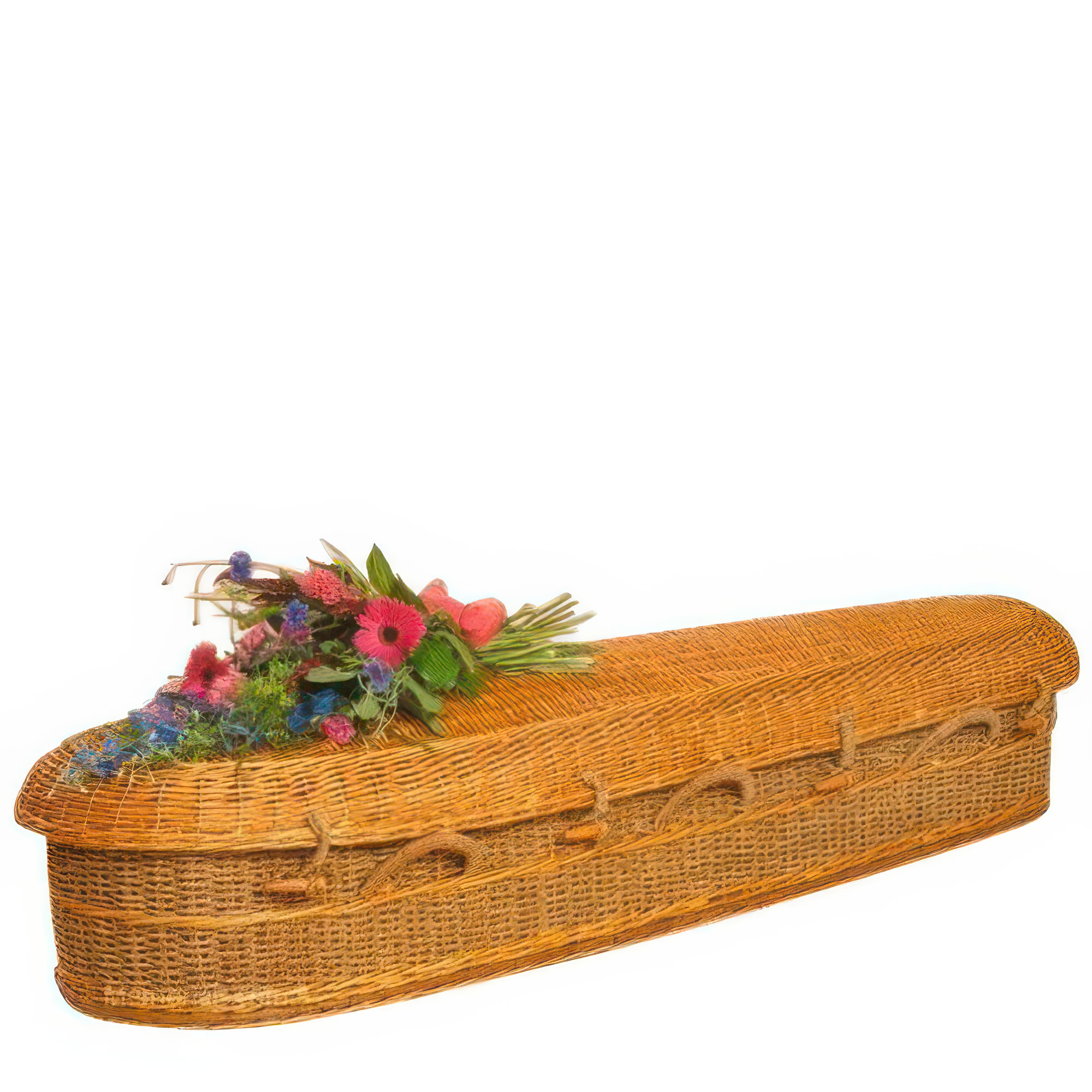
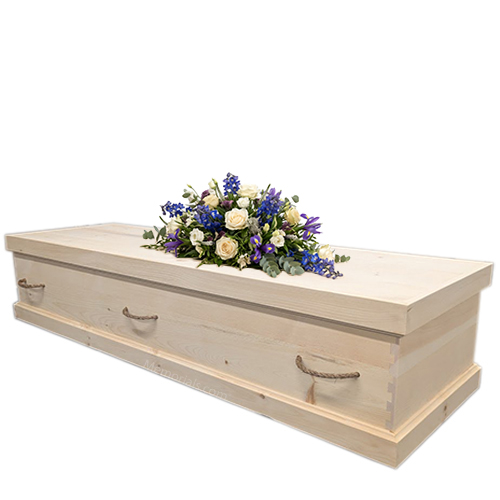
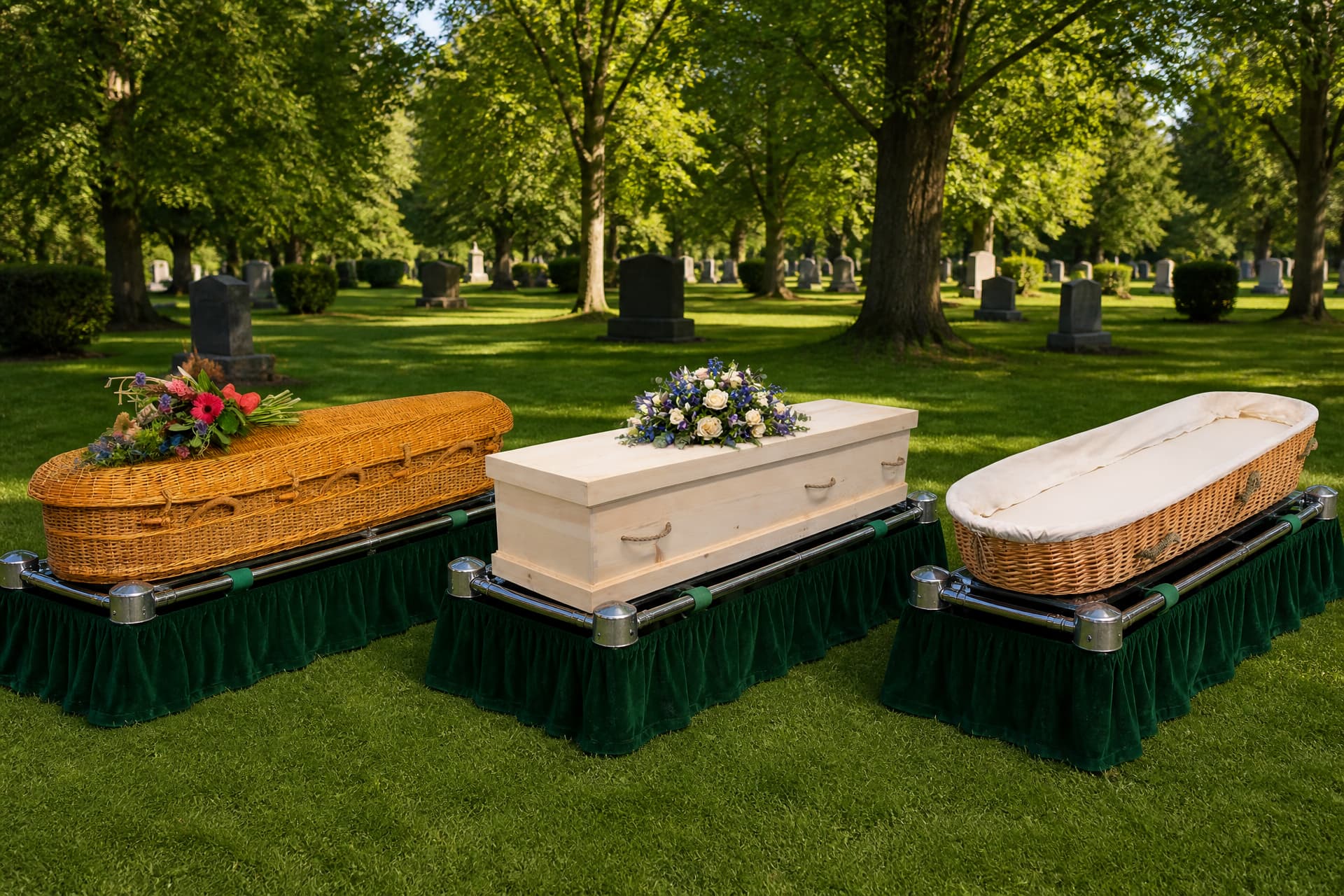
Traditionally there is no casket at all: the shrouded body is placed directly into the earth. Many American cemeteries will not permit that, so families use the plainest container the rules allow — an unlined box of unfinished wood, or a woven biodegradable casket of willow or seagrass. Some cemeteries also require a concrete grave liner. Muslim sections of public cemeteries, and Islamic cemeteries where a community has established one, are generally set up to accommodate the rite with the least possible interference.
The grave itself is dug so the body can be laid on its right side with the face turned toward Mecca. Two grave shapes are used: lahd, a niche cut into the side wall of the trench, and shaqq, a trench with the body laid in the bottom. Which one you see depends on the soil and on local custom. The earth is returned by hand — in many communities each person present drops three handfuls in — and that participation is deliberate. Nobody stands back and watches a machine do it.
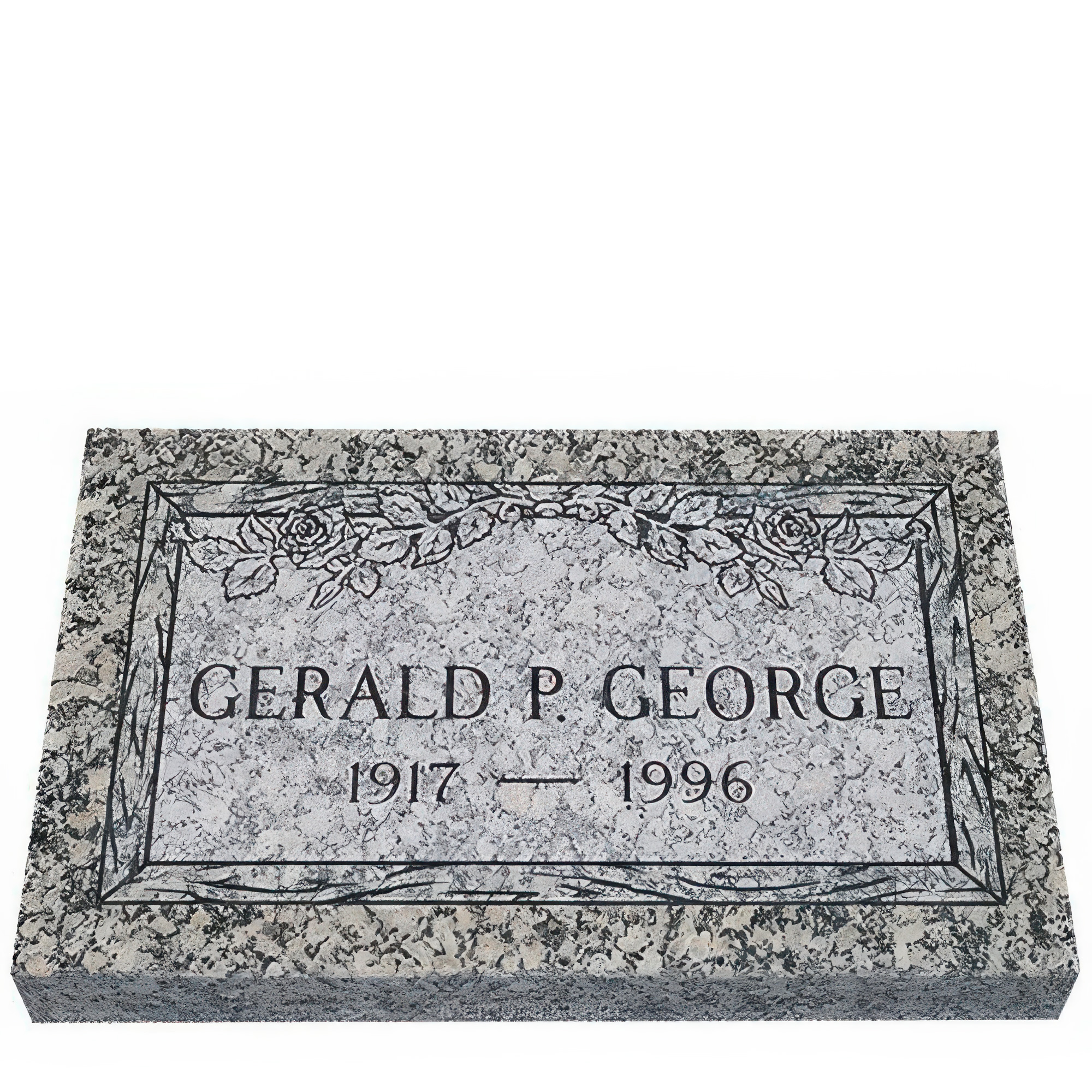
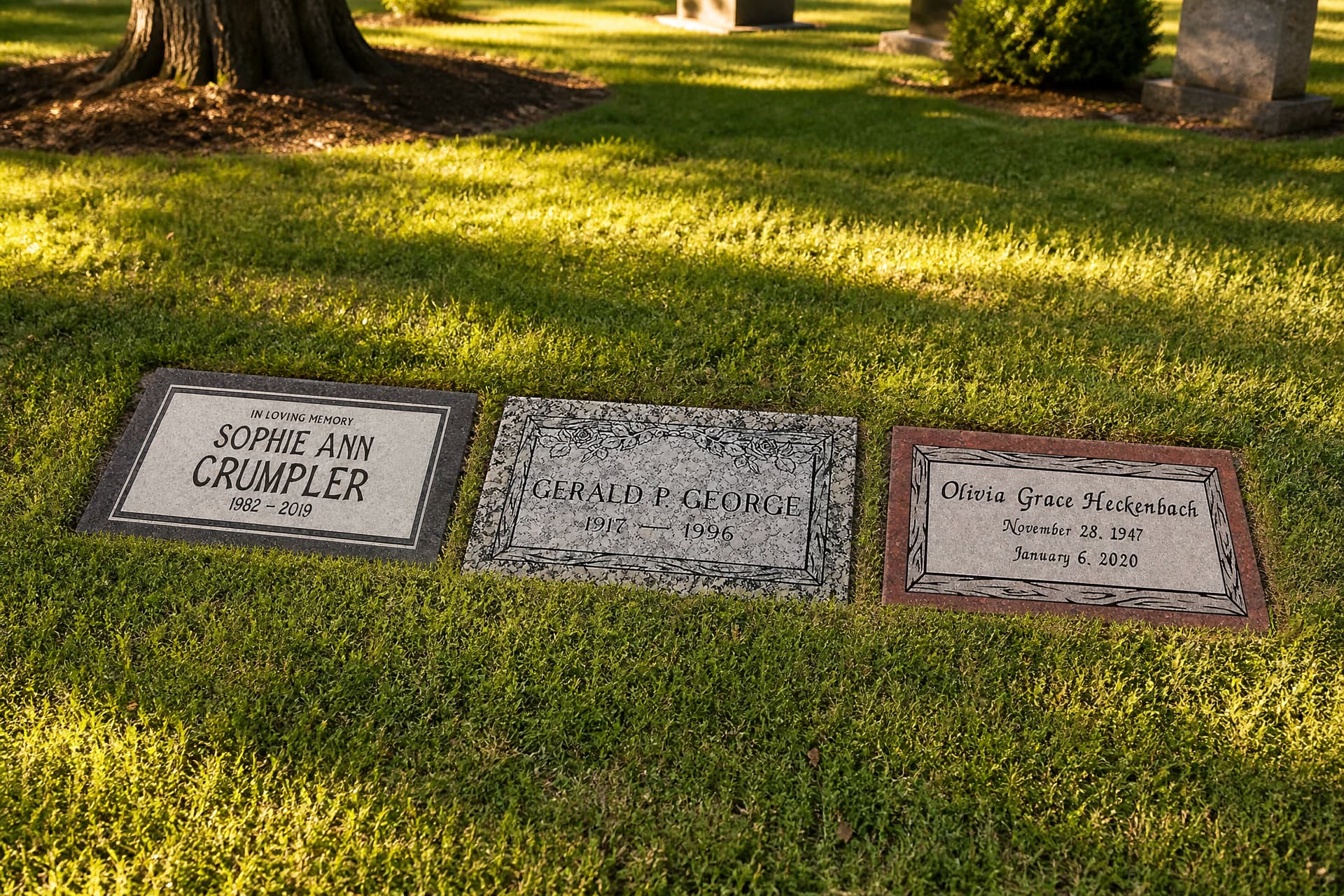
Afterward the grave is left simple. The tradition discourages building over a grave or raising it much above the ground, and many families choose nothing more than a small stone. Where a cemetery requires a marker or the family wants a name recorded, flat grave markers set level with the turf are the closest match to the practice, usually carrying a name, dates and sometimes a short verse — but not a portrait, and not ornament for its own sake. If all of this sounds like what the American funeral industry now markets as a green burial — no embalming, no vault, rapid burial, minimal container — that is because it is the same set of choices, arrived at fourteen centuries earlier for religious reasons rather than environmental ones.
The restraint is a statement, not a default. A New Orleans second line funeral makes the opposite one — a brass band, a crowd, a procession the whole neighborhood is meant to see and join. Both are ways of honoring the dead. A janazah says what it has to say by keeping everything plain and letting nothing draw attention away from the prayer.
Attending a Janazah as a Non-Muslim Guest
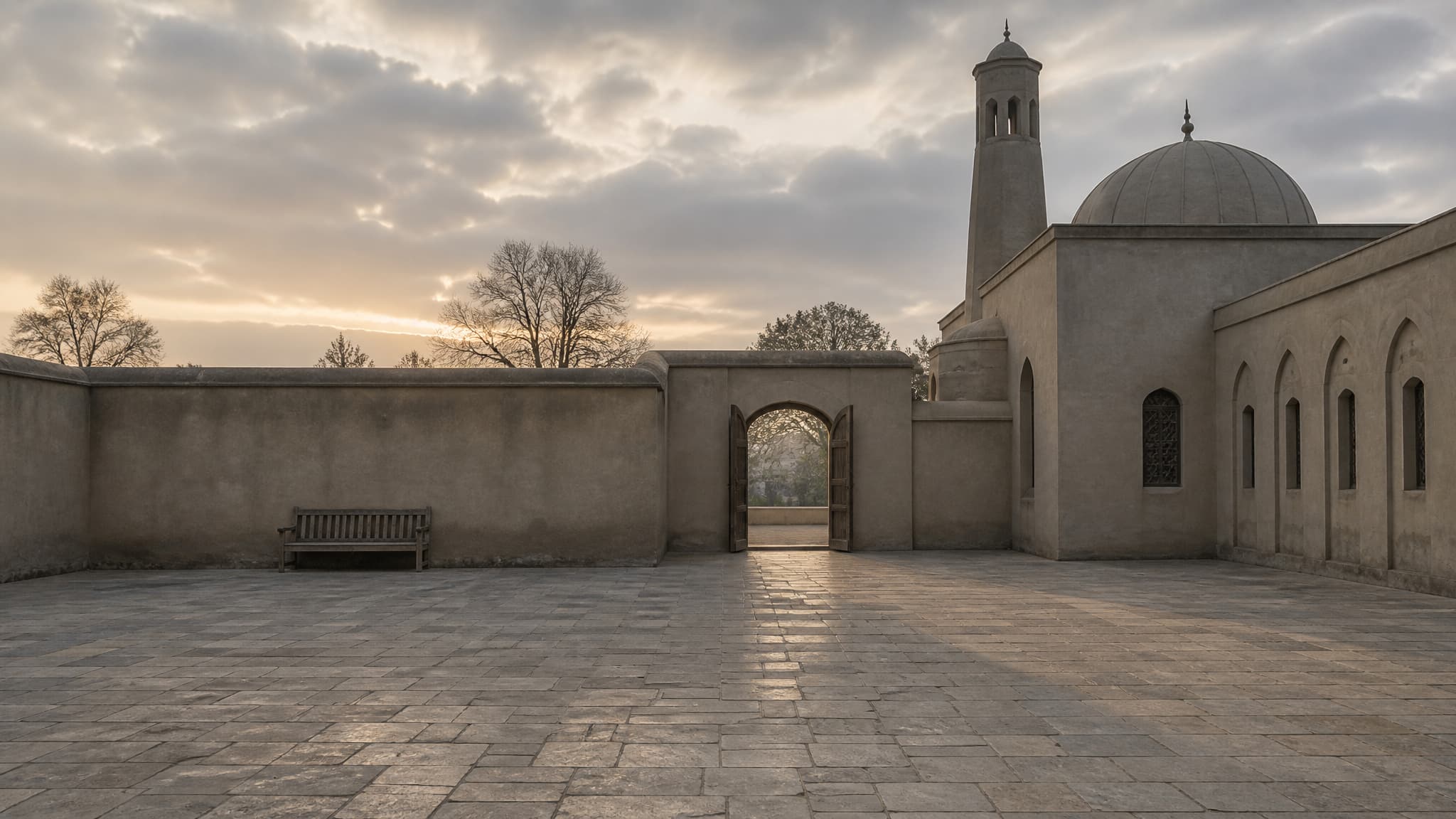
You are welcome. That is worth stating first, because it is the thing most guests are quietly unsure about. Non-Muslims attend janazahs regularly — colleagues, neighbors, in-laws, friends — and your presence is read as respect for the family, which is exactly what it is.
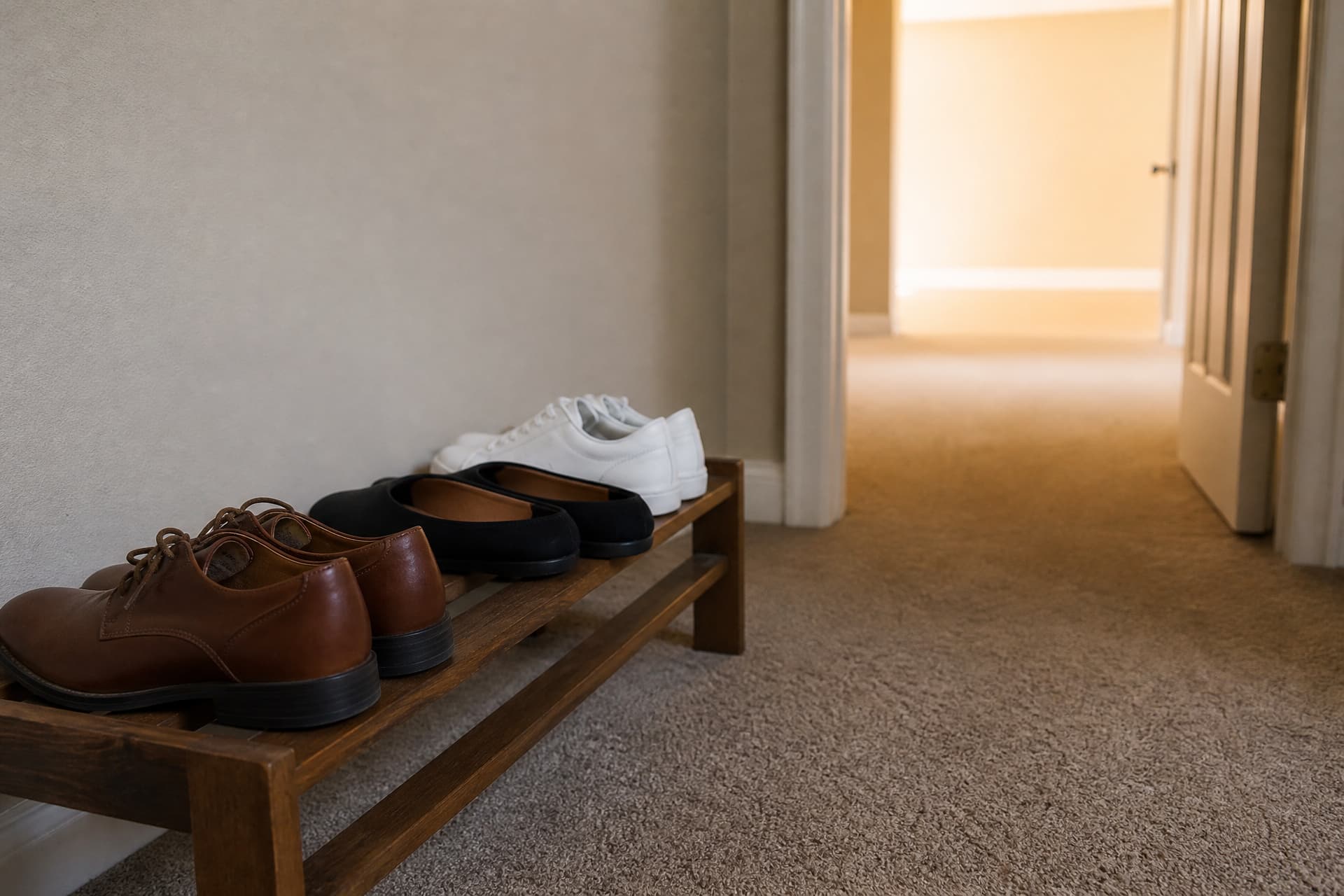
Dress modestly and simply. Cover your arms and legs; a long-sleeved shirt and long pants or a long skirt is right for anyone, and dark or muted colors are safe without being required. Women should bring a scarf to cover their hair inside the mosque. Wear shoes you can slip off easily, because you will take them off before entering the prayer hall, and there will be racks or shelves by the door. Our general advice on what to wear to a funeral still applies underneath all of that; the mosque simply adds modesty and shoes to the list.
Inside, men and women usually stand in separate areas. Follow the flow of people who look like they know where they are going, or ask — everyone expects a guest to need directions and nobody minds being asked. You are not expected to join the prayer. Stand quietly at the back while it happens. Standing respectfully is the entire obligation, and no one will look at you sideways for not knowing the words.
Say something short to the family. "I am so sorry for your loss" is perfectly good. You may hear people say Inna lillahi wa inna ilayhi raji'un — "to Allah we belong, and to Him we return" — which is what Muslims say on hearing of a death; you are not obliged to repeat it. Do not photograph anything. Flowers are not customary and often not wanted; food taken to the family's home in the days afterward is, and so is a donation to a charity in the person's name. If you want to go on to the burial, ask whether it would be welcome. In many communities everyone goes; in others, only men go to the graveside, or women attend but stand apart.
The shoe rack answers the most common guest question before anyone has to ask it: shoes come off at the threshold of the prayer hall, every time.
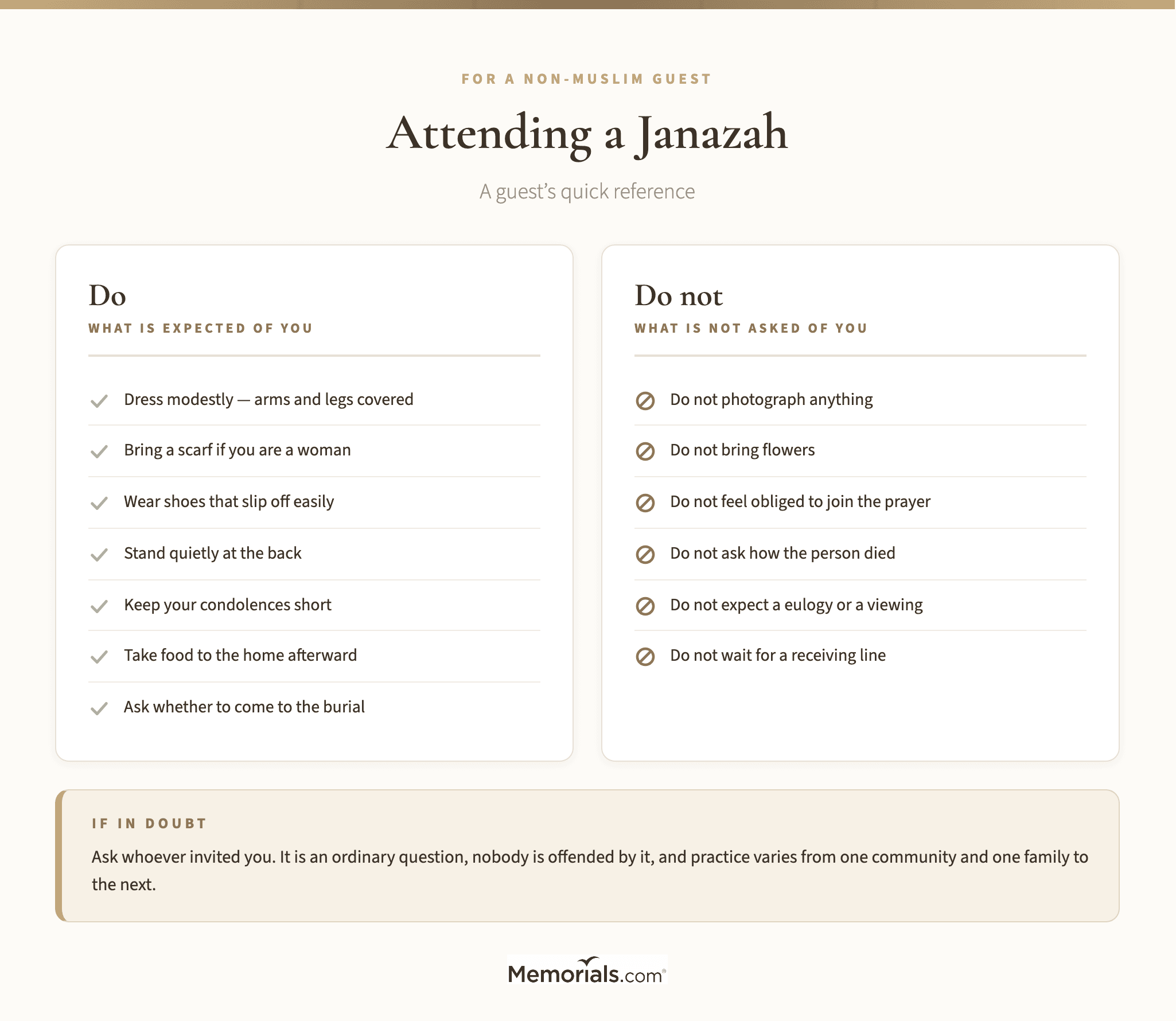
What a guest needs, on one card: cover arms and legs, bring a scarf, slip your shoes off, stand at the back, keep condolences short — and skip the photographs, the flowers and any question about the cause of death.
What Islam Says About Cremation
Cremation is prohibited in Islam. Burial is the only accepted way to return a body to the earth, and the prohibition is not a preference or a regional custom — it is settled across every major school. The body is treated as something entrusted to the family rather than owned by it, and burning it is understood as a violation of that trust.
This comes up in interfaith families, and it comes up when someone dies far from home and a funeral director offers cremation as the cheap and simple option for transporting remains. It is the wrong option here. Repatriation and burial cost more and take longer, and mosques and Islamic burial societies frequently help with both. If you are advising a Muslim family, or you are the non-Muslim spouse in one, this is the point on which to slow down and ask the imam rather than the funeral home.
Mourning After the Janazah
The burial is not the end of it. Ta'ziyah — condolence — is a duty for the community, and the customary mourning period is three days, during which people visit, bring food, sit with the family and say little. A widow's waiting period, iddah, is longer, traditionally four months and ten days. Visiting the grave afterward is encouraged as a reminder of one's own mortality, and many families give sadaqah jariyah, ongoing charity in the person's name, on the understanding that good done in the world keeps counting for them.
The theology behind the speed and the simplicity is worth a paragraph of its own if you are curious about it: Islam teaches that the soul is taken at the appointed moment by an angel, and the account of who that angel is and what the Qur'an actually says about him is in our article on the angel of death in Islam. The short version is that death is treated as an arrival rather than an accident, which is why the rite has so little drama in it.
Practice varies from here. Some communities gather again on the third day, some on the fortieth; some regard elaborate memorial gatherings as an innovation to be avoided. Sunni and Shia families differ, and so do Hanafi, Maliki, Shafi'i and Hanbali ones, and so do two mosques in the same city. If you are unsure what a particular family does, ask them. It is an ordinary question and nobody is offended by it.
Frequently Asked Questions
Can non-Muslims attend a janazah at a mosque?
Yes. Non-Muslim family members, friends and colleagues attend regularly and are welcome. You will be asked to dress modestly and remove your shoes before entering the prayer hall, and you are not expected to take part in the prayer itself. Standing respectfully at the back is the whole of what is asked of you.
What should I wear to a janazah?
Modest, plain clothing that covers your arms and legs — a long-sleeved shirt with long pants, or a long skirt or dress. Dark or muted colors are a safe choice, though black is not required. Women should bring a scarf for their hair. Choose shoes that come off easily, because they come off at the door.
Do I have to remove my shoes at a mosque funeral?
Yes, before entering the carpeted prayer hall. There will be shoe racks or shelves in the entryway, and everyone else will be doing it, so simply follow the person in front of you. Socks without holes are a small kindness to yourself here.
How long after death is a janazah held?
Usually within twenty-four hours, and often the same day. Islam calls for prompt burial, and there is no embalming or extended viewing to delay it. In the United States, the death certificate, the medical examiner or cemetery hours can push it a little later, which is understood and carries no fault.
How long is the janazah prayer?
Only a few minutes. It is prayed standing, with no bowing or prostration, and is structured around four moments of Allahu akbar — some communities use five. There is no sermon and usually no eulogy. If you blink you may miss how brief it is compared with a funeral service you are used to.
Is cremation allowed in Islam?
No. Burial is the only accepted rite, and cremation is prohibited across all the major schools of Islamic law. Families sometimes face pressure to cremate for cost or convenience when a death happens far from home; the mosque or a local Islamic burial society is the place to ask for help with burial instead.
Do women attend the janazah prayer and the burial?
Women attend the prayer, generally in a separate area of the hall. Whether they go on to the graveside varies a great deal — in some communities everyone goes, in others the graveside is customarily men, and in others women attend but stand a little apart. Ask the family what they do.
If You Have a Janazah to Go To Tomorrow
You do not need to know any of the Arabic. You do not need to know when to stand or what the imam is saying. Turn up in modest clothes, leave your shoes at the door, stand quietly at the back, say a short and ordinary sentence to the family, and go home. Everything else is the community's job, and it will be done before you arrive.
For the family member reading this because the job has landed on you: call the mosque first, before the funeral home. Preparation, the prayer, the plot and the volunteers to carry it all out are things a Muslim community is organized to provide at short notice, and the first call usually sets the rest of the day in motion.
If this is your first funeral of any kind, our guide to funeral etiquette covers the parts that stay the same whatever the tradition — when to arrive, what to say, what to do with your hands. The rest of it, on this particular day, is simply being there.