🏬Supersize Online Funeral Retailer🪦1000's of Headstones⚱️Over 10,000 Cremation Urns⚰️Caskets Overnight Delivery🛒Funeral & Memorial Superstore🚚FREE Shipping on ALL Orders👨👩👧👦Helping Families for over 20 Years💰Lowest Price Guarantee🏬Supersize Online Funeral Retailer🪦1000's of Headstones⚱️Over 10,000 Cremation Urns⚰️Caskets Overnight Delivery🛒Funeral & Memorial Superstore🚚FREE Shipping on ALL Orders👨👩👧👦Helping Families for over 20 Years💰Lowest Price Guarantee
🏬Supersize Online Funeral Retailer🪦1000's of Headstones⚱️Over 10,000 Cremation Urns⚰️Caskets Overnight Delivery🛒Funeral & Memorial Superstore🚚FREE Shipping on ALL Orders👨👩👧👦Helping Families for over 20 Years💰Lowest Price Guarantee🏬Supersize Online Funeral Retailer🪦1000's of Headstones⚱️Over 10,000 Cremation Urns⚰️Caskets Overnight Delivery🛒Funeral & Memorial Superstore🚚FREE Shipping on ALL Orders👨👩👧👦Helping Families for over 20 Years💰Lowest Price Guarantee
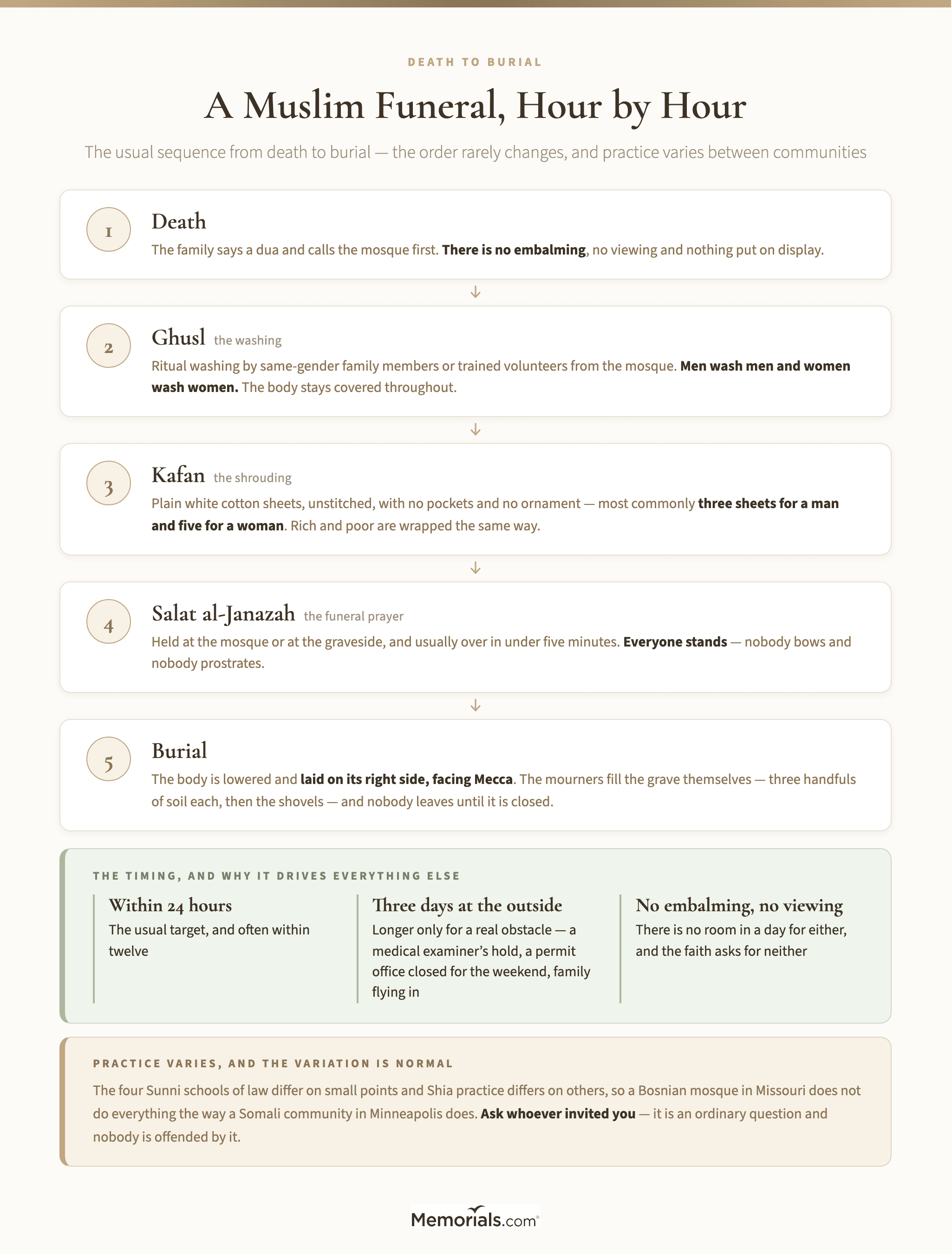
A Muslim funeral usually takes place within twenty-four hours of death, and often within twelve. Everything else on this page follows from that one fact. There is no viewing, no wake, no week of arrangements and no embalming. The body is washed, wrapped in plain white cloth, prayed over by the community, and buried in the ground — frequently on the same day the death certificate is signed.
If you are the family, you are trying to complete all of that inside an American system built around a three-to-five day timeline, and the friction points are real and specific. If you are a guest who was told this morning about a funeral tomorrow, you mostly need to know that you are welcome, that you will not be asked to do anything, and what to wear. This page answers both, in that order, and it sits alongside the rest of our funeral traditions guide covering how different faiths and cultures bury their dead.
One thing to hold on to before the details: practice varies. The four Sunni schools of law differ on small points, Shia practice differs on others, and a Bosnian mosque in Missouri does not do everything the way a Somali community in Minneapolis does. Where a step is a firm requirement, it says so below. Where it is common but not universal, it says that too.
What Happens at a Muslim Funeral, and How Fast
The sequence is short and it is fixed in order: the body is washed, it is shrouded, the community prays over it standing, and it is buried facing Mecca. In most communities the whole thing is finished within a day. Burial is delayed past three days only for a real obstacle — a medical examiner's hold, a family member flying in from overseas, or a county permit office that is closed for the weekend.
The speed is a religious obligation, not a preference. Prompt burial is understood as the last act of dignity owed to the body, and delay is something to be justified rather than assumed. It is also the reason an Islamic funeral looks so different from an American one on the surface: there is simply no room in twenty-four hours for a viewing, a receiving line, printed programs or a catered reception. What replaces them is a very large number of people showing up at once, for an occasion the family will call the janazah — the funeral rites taken together, from the washing through to the burial.
The American funeral industry is built around caskets; a traditional Muslim burial uses none. The body goes into the grave wrapped only in cloth, laid on its right side, and the earth is placed over it directly. Where a container appears in a US burial — and it usually does — it is there because the cemetery requires one, not because the faith asks for it. That distinction matters a great deal when you are negotiating with a cemetery office, and it is covered in full further down.
There is no embalming, because embalming means opening and draining the body. There is no viewing and nothing is put on display; immediate family are usually the only people who see the deceased after the washing. Guests should not expect to, and should not ask.
The sequence almost never changes: washing, shrouding, the standing prayer, then burial facing Mecca. What varies between communities is where the prayer is held and how many people attend it.
Plain Biodegradable Burial Containers
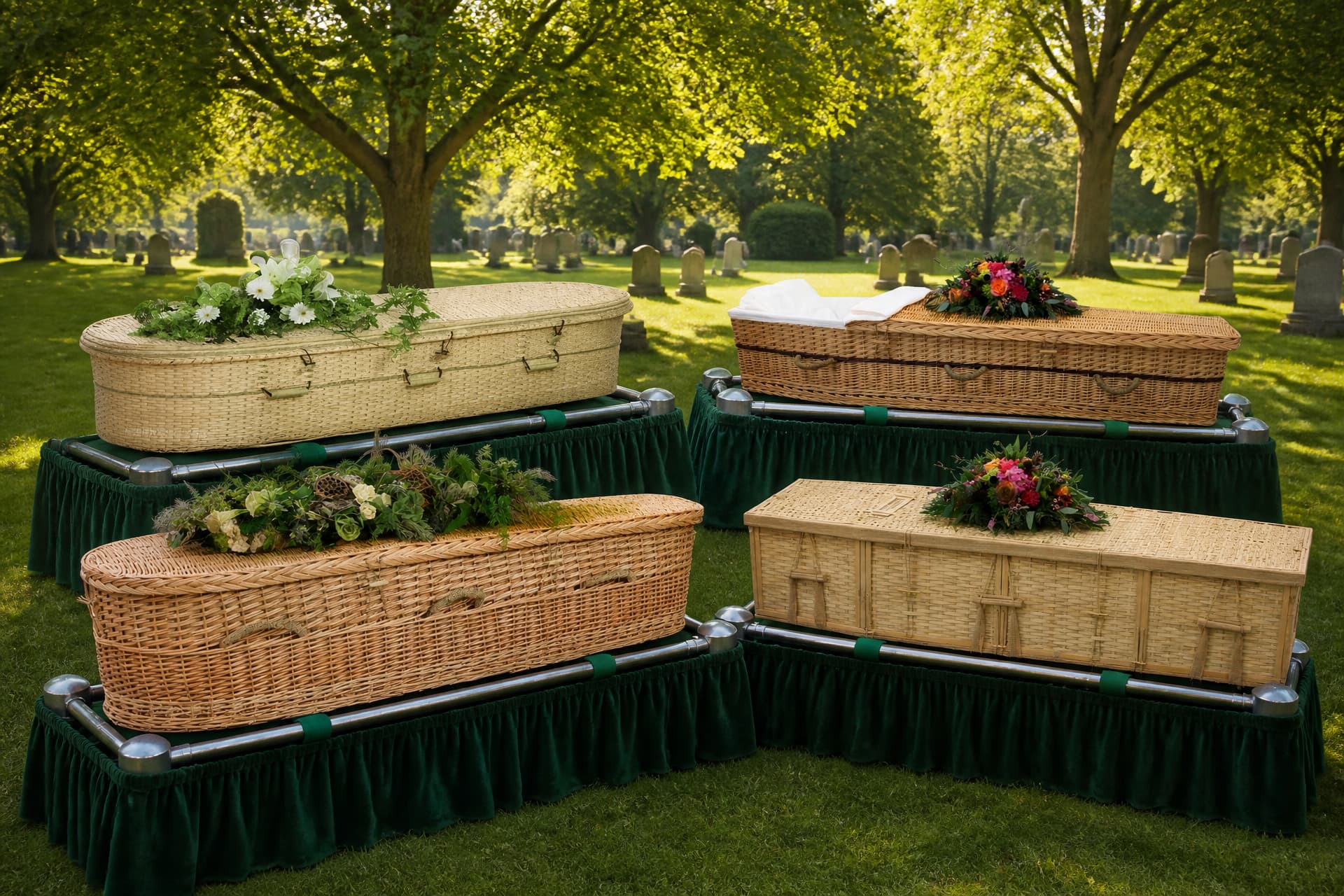
Willow, bamboo and untreated wood — for a cemetery that requires a container
Within hours of death, the body is washed. This is called ghusl, and it is the community's job rather than a funeral home's — though in the United States it is often performed in a funeral home's preparation room, sometimes by staff who have been trained for it and more often by volunteers from the mosque who come in to do it.
Men wash men and women wash women. A spouse may wash a spouse in most schools of law. Beyond that, the washers are same-gender family members or trained volunteers, and they work in as small a group as possible. The body is washed an odd number of times, most commonly three, sometimes more if needed, with the final wash often scented with camphor. It is kept covered throughout; the washers see only the part they are working on.
This is the same act, done for the same reason, that Jewish communities know as tahara — ritual washing carried out by volunteers from the congregation rather than by paid professionals, as a duty toward someone who can no longer thank you for it. The two traditions arrived at almost identical practice independently.
If your family has never arranged one of these in the United States, this is the step to solve first. Call the nearest masjid before you call anyone else. Most established Islamic centers either have a burial committee that performs ghusl or keep a list of the funeral homes in the area that will make a room available and stay out of the way.
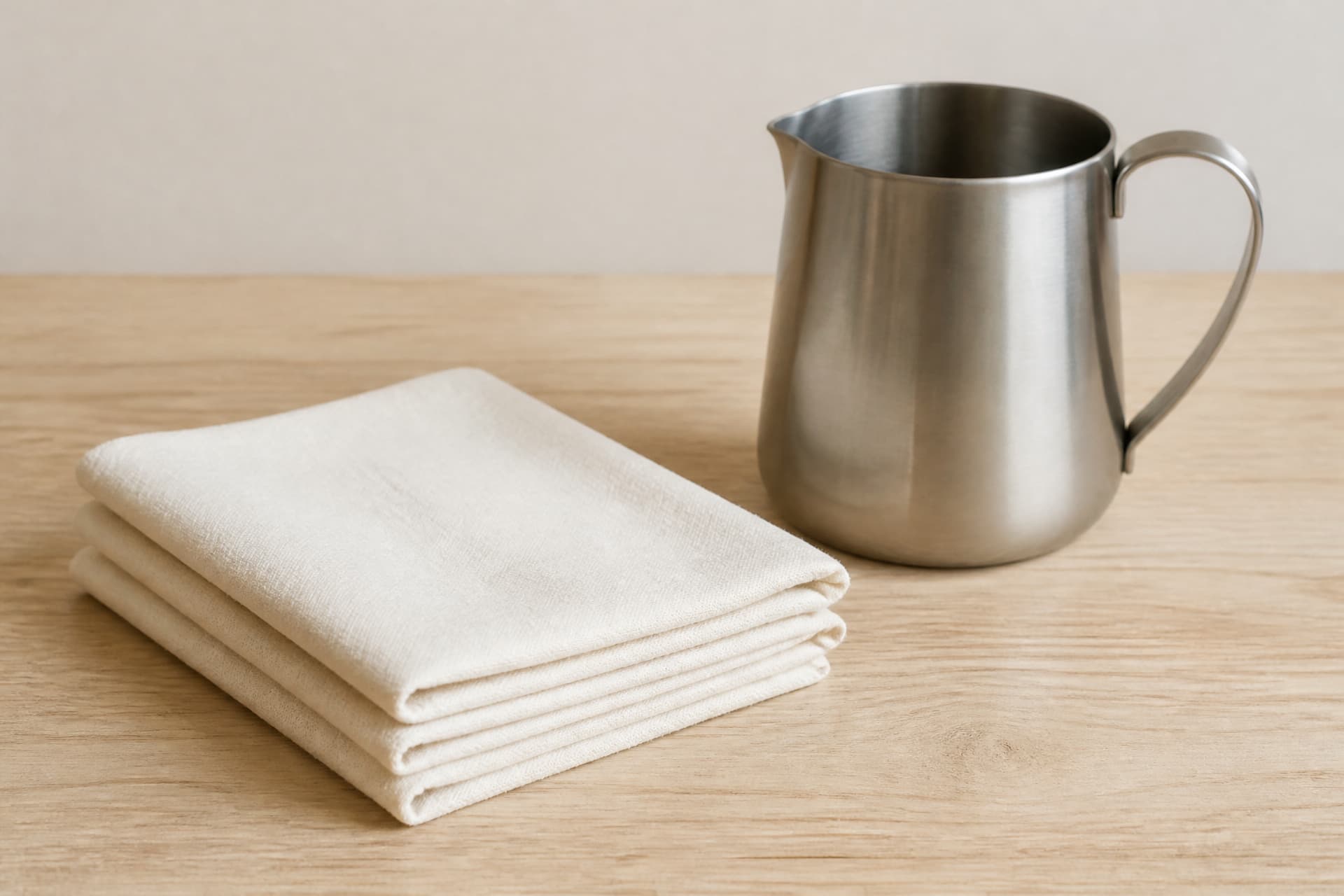
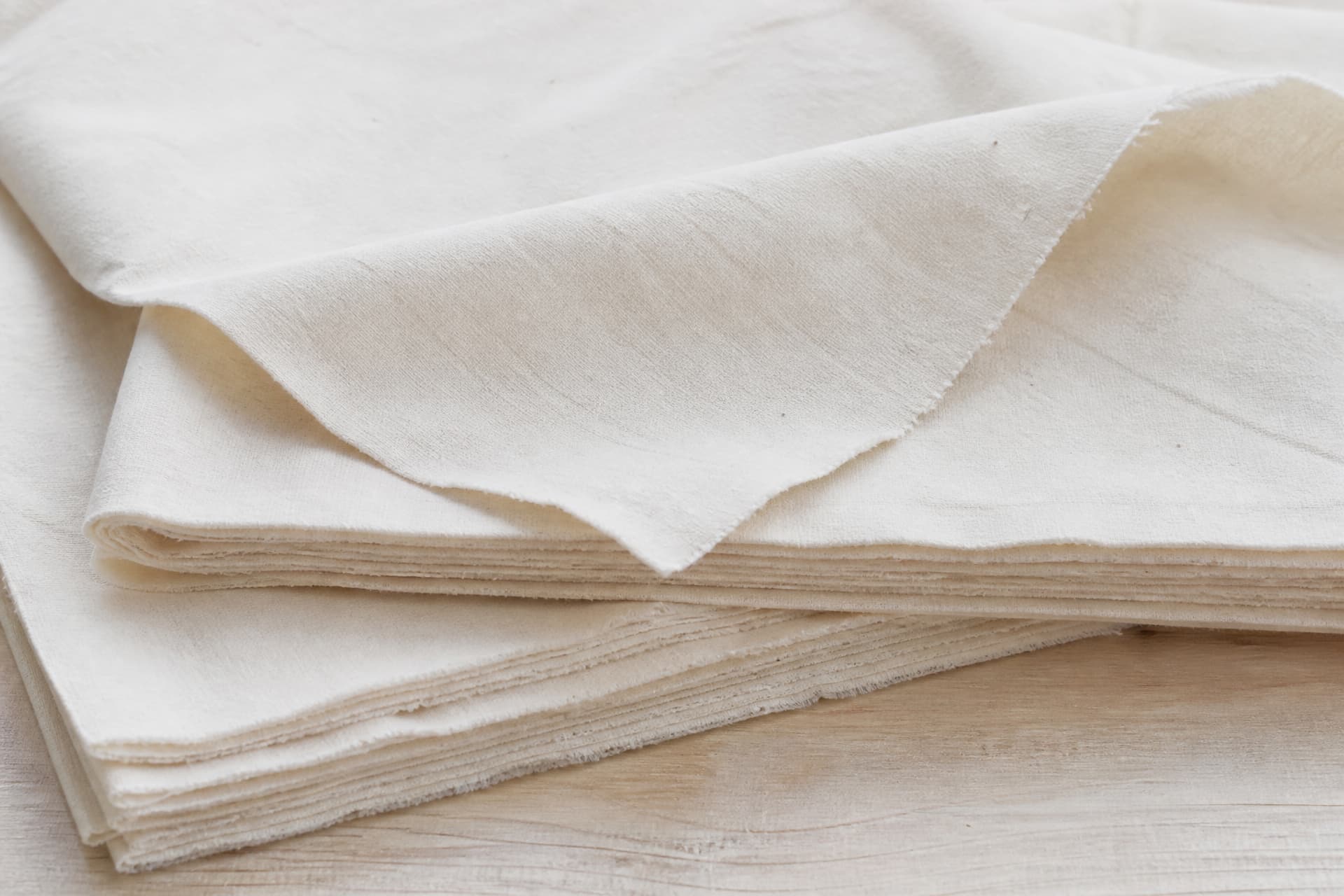
Plain unbleached cotton and clean water are the whole material list. Nothing is embalmed, nothing is cosmetic, and nothing is bought that could not be bought by the poorest family in the community.
Kafan: The Shroud, and Why Everyone Is Buried the Same Way
After washing, the body is wrapped in the kafan — plain white cotton sheets, unstitched, with no pockets and no ornament. The most common practice is three sheets for a man and five for a woman, though communities differ and some scholars hold that any modest, complete covering satisfies the requirement.
The equality is the point, and it is worth understanding even if you never attend one of these funerals. A wealthy man and a man who died with nothing are wrapped in the same cloth, carried by the same neighbors, and lowered into the same kind of grave. Nothing in the arrangements can announce what anyone was worth. Families who have spent a decade in the American funeral market, comparing hardwoods and finishes, sometimes find this the single most striking thing about an Islamic funeral: there is nothing to compare.
The kafan is a burial shroud in the plainest sense of the term, and shroud burial is not unique to Islam — it was the ordinary Western practice too, until the lined and finished burial container became the standard in the nineteenth century. What is distinctive is that Islam never stopped.
This is the whole specification: plain unbleached cotton, unstitched, with no pocket and no ornament. It is prepared by the family or by the mosque rather than bought as a finished product, which is exactly why nobody's can be better than anybody else's.
The Janazah Prayer: Who Stands Where and What Is Said
The funeral prayer is called salat al-janazah, and it is the part a guest is most likely to witness. It is short — usually under five minutes — and it does not look like the prayers most non-Muslims have seen on television. Everyone stands. Nobody bows and nobody prostrates. The body, already shrouded, is placed at the front, and the imam stands beside it facing the same direction as everyone else.
The janazah prayer is built around four takbirs, the four times the congregation says Allahu akbar with hands raised. Between them, silently or under the breath, come praise, a blessing on the Prophet, and a supplication for the person who died and for all the dead. After the fourth, the congregation turns its head to the right and to the left in greeting, and it is over.
People arrange themselves in rows: men at the front, then boys, then women. The rows fill from the front and are meant to be straight and tight, shoulder to shoulder. There is a widely reported saying of the Prophet that the more rows of people who pray over someone, the better it is for them — which is why a community will call everyone it can reach, and why the hall may be full of people who barely knew the deceased.
If you are not Muslim, you do not join this prayer. You are not being excluded; the words are a Muslim supplication and joining in would be the odd thing to do. Stand quietly behind the last row, or at the side of the room, and simply be present. That is what your presence is for. Nobody is watching to see whether you got it right.
Islamic Burial: The Grave, the Direction, and the Handfuls of Earth
From the prayer, the body goes straight to the cemetery, usually carried by hand for the last stretch. Men of the family and close friends take turns bearing it — it is considered an honor, and it is deliberately shared out so that as many people as possible carry some of the weight.
In an Islamic burial the body is lowered into the grave and laid on its right side, with the face turned toward Mecca. Where a container has been used it is opened, or the body is removed from it, so that the shroud is in contact with the earth wherever local rules allow. Wooden boards or a slab are often placed over the body before the soil goes in, so that the earth does not fall directly onto it.
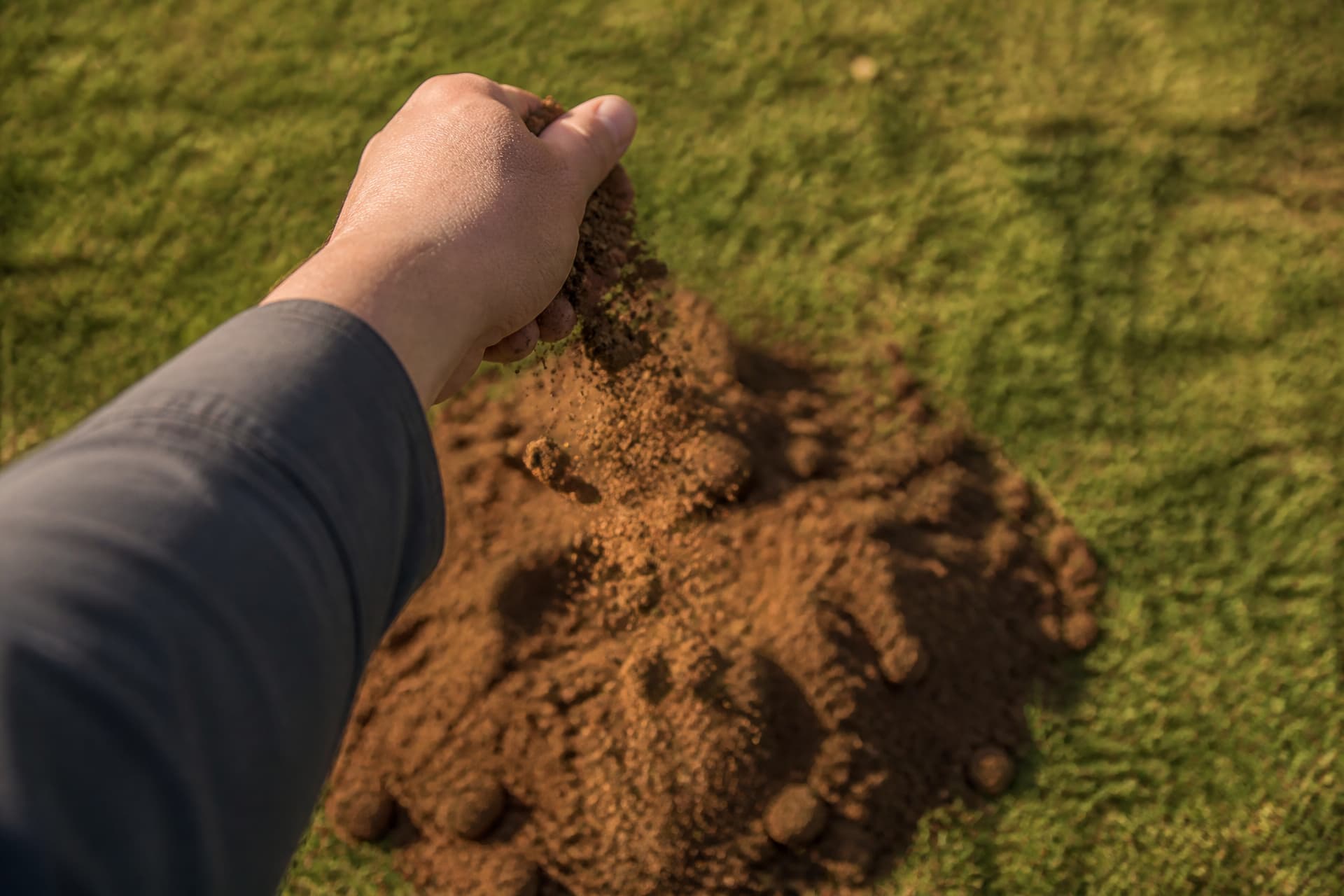
Then the mourners fill the grave themselves. Each person present takes three handfuls of soil and drops them in, and after that the shovels are passed around until the grave is closed. No machinery, no artificial grass, nobody leaving before it is finished. Families who have attended American funerals where the grave is filled after everyone has driven away often describe this as the part that helped most.
Muslim burial traditions call for the grave itself to be plain. It is raised no more than a hand's width above the ground, and the strong preference across every school is against elaborate structures, built tombs and monuments over graves. Many communities permit a simple, flush grave marker giving the name and the dates, and a good number of Muslim sections in US cemeteries require exactly that and nothing more. Others use no marking at all beyond a small stone. Ask the cemetery and ask the imam before ordering anything.
Three handfuls each, then the shovels. Nobody leaves until the grave is closed, which is the opposite of the American graveside service and is the detail most first-time attendees remember.
What US Cemeteries Require, and Where Faith Meets Local Law
This is where the friction actually is, and no amount of understanding the ritual helps until it is solved. Four things routinely collide with the twenty-four hour target.
The paperwork. Before any burial can happen, a physician or medical examiner has to sign the death certificate, and the local registrar has to issue a burial or disposition permit. Nothing proceeds without both. Funeral directors who work regularly with Muslim families know how to get these moved quickly, and some registrars will process an urgent request the same day. If the death happens on a Friday evening, expect this to be the thing that pushes burial to Sunday or Monday, and tell the family early rather than late.
Autopsies. Islamic practice strongly discourages autopsy, since it involves cutting the body. A hospital autopsy is optional and the family can decline it outright. A medical examiner's autopsy in a sudden, unattended or suspicious death is not optional in the same way — but a number of states have laws requiring the examiner to take a documented religious objection into account, and to consider a less invasive examination or a delay where the death is not criminal. Say the objection out loud, immediately, and in writing.
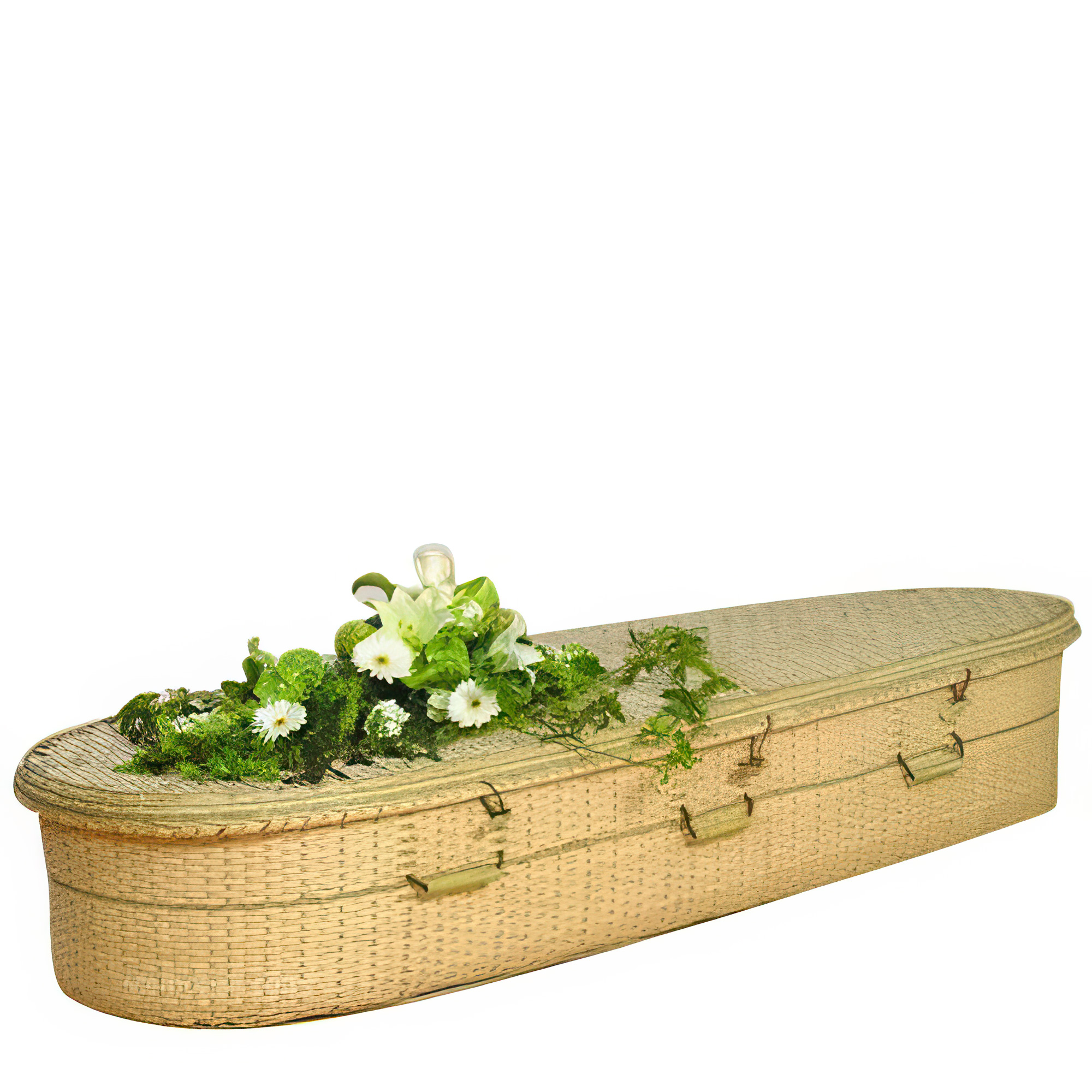
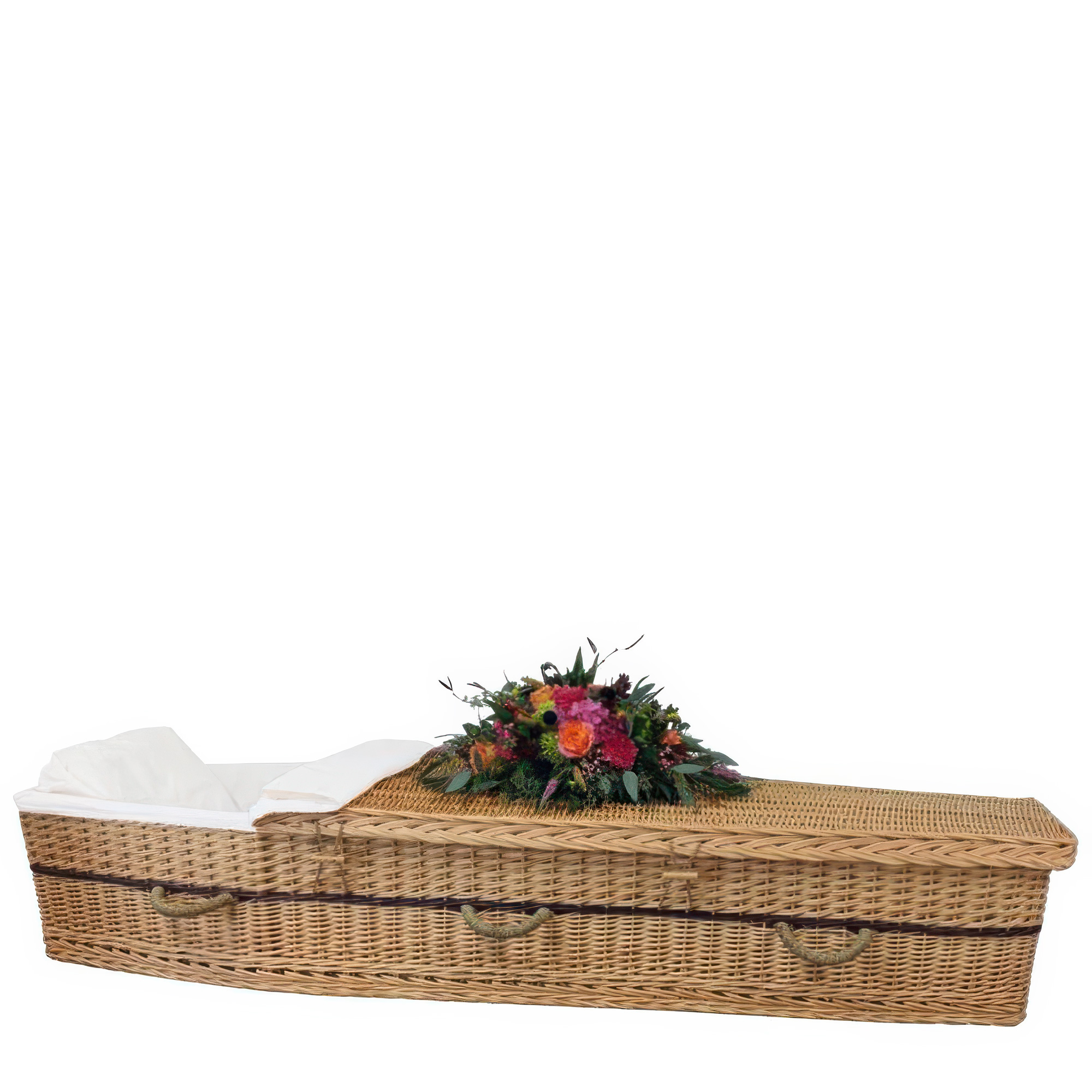
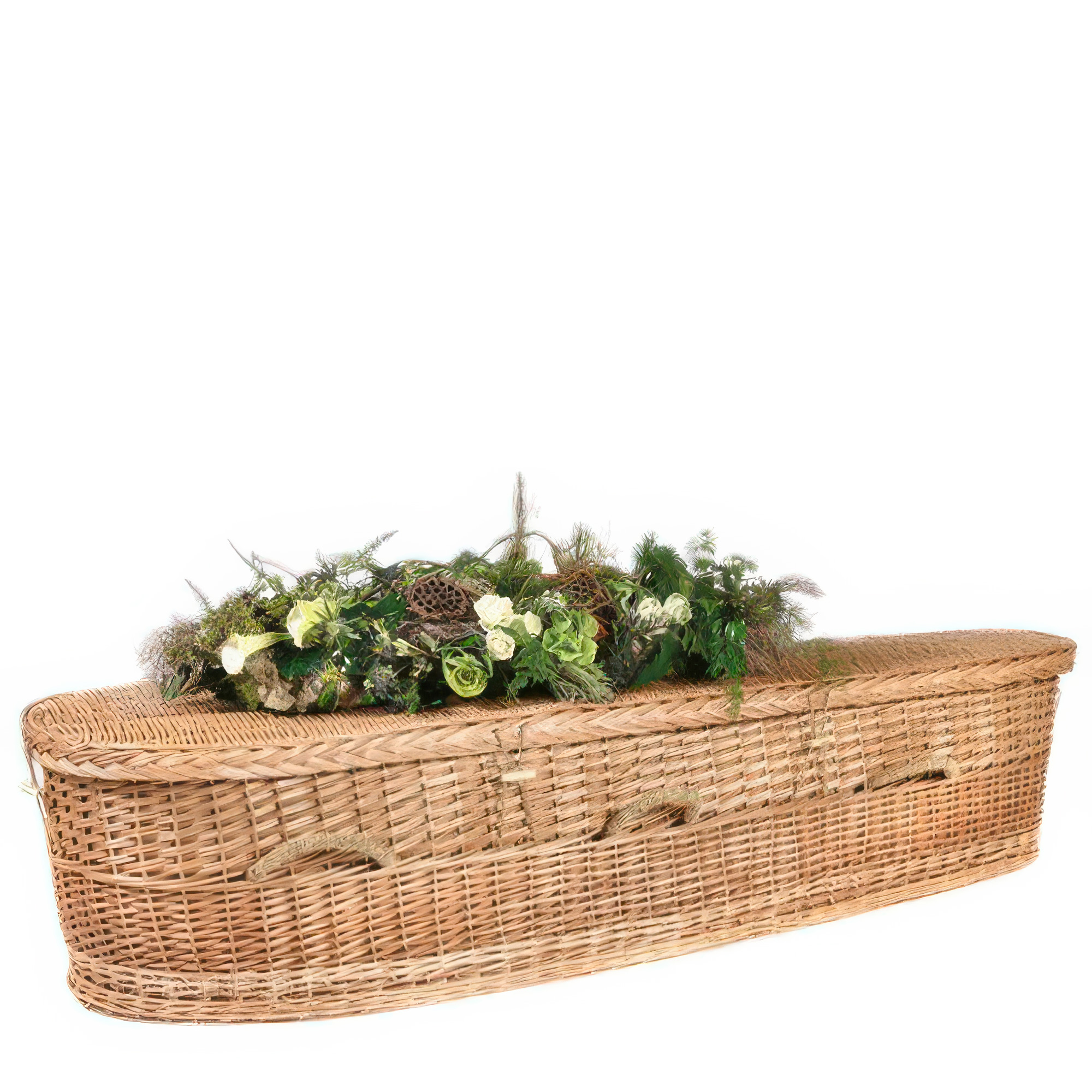
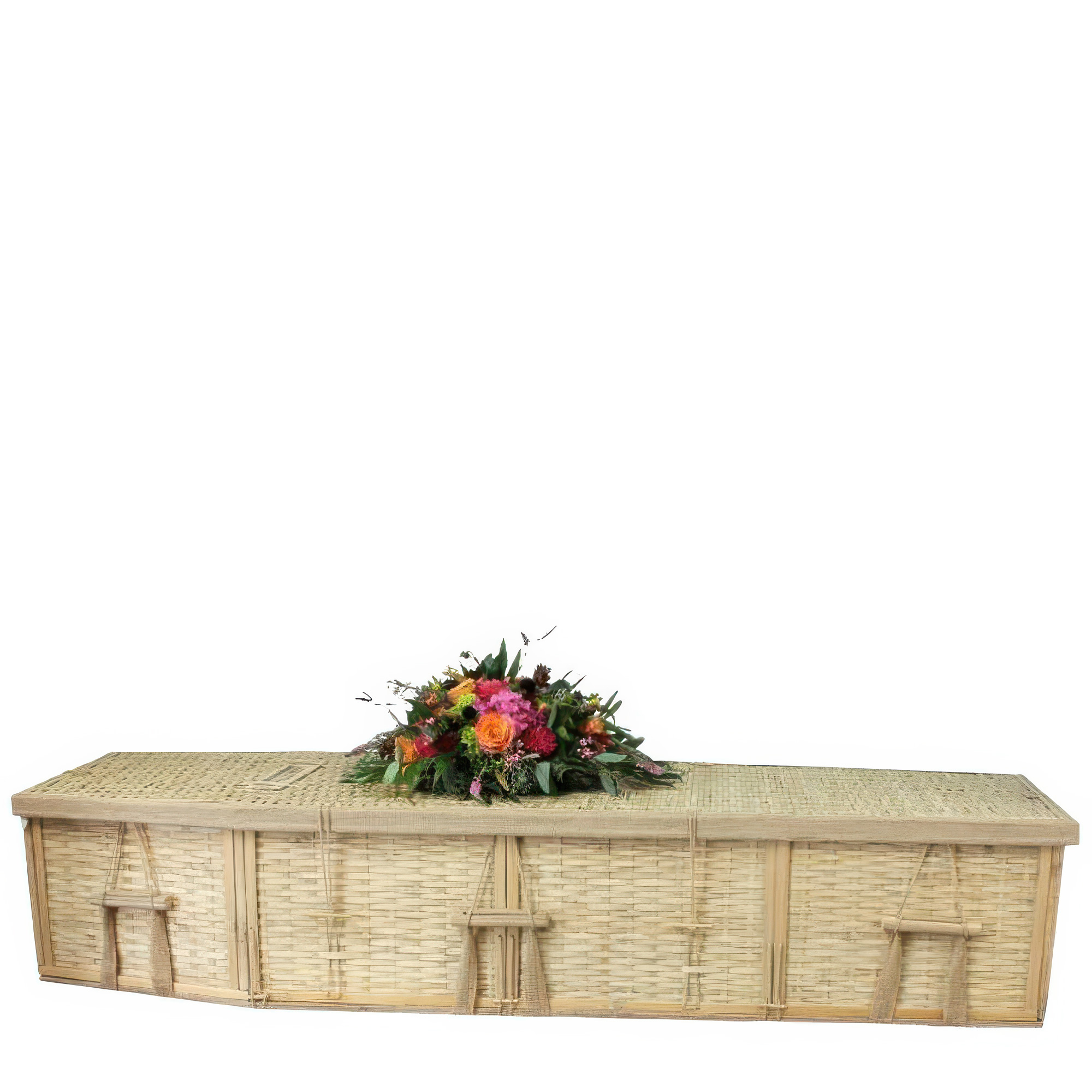
The container rule. Most US cemeteries require a rigid container, and many also require a burial vault or grave liner — a concrete or polymer box that the container sits inside, which keeps the ground from settling and the mowers from sinking. In the great majority of states this is a cemetery's own policy rather than state law. It is negotiable at some cemeteries and immovable at others, and it is worth asking the question plainly: do you permit shroud-only burial, and do you waive the vault requirement? Where the answer is no, the usual compromise is a plain, unlined, undecorated container — a biodegradable coffin in willow, bamboo or untreated wood satisfies the cemetery's rule while staying as close as possible to the simplicity the faith asks for.
Finding the ground. In US regulatory terms, what Islam asks for is a green burial: no embalming, no vault, biodegradable materials, direct contact with the earth. That is a useful thing to know when you are calling around, because green burial grounds and the green sections that many conventional cemeteries now maintain are already set up to say yes. Larger metropolitan areas usually also have at least one cemetery with a dedicated Muslim section oriented toward Mecca, and many Islamic centers run a burial fund that has already negotiated plots and prices.
Where a cemetery insists on a container, a plain woven one is the usual answer — undyed, unvarnished and biodegradable, and about as close to nothing as a cemetery rule will allow. Ask whether yours will waive the requirement altogether before you buy one; a surprising number will. Products from left to right: Bamboo Green Casket , Willow Green Casket, Willow Green Large Coffin and Bamboo Green Coffin .
Why Islam Does Not Permit Cremation
Cremation is prohibited in Islam, across every major school, and it is not a close question. The reasoning is that the body is a trust rather than a possession, that it is owed dignity after death as much as before it, and that burning it violates that dignity. Belief in bodily resurrection underpins this, as does the account of what happens at the moment of death — the soul taken by the angel of death in Islam, the body returned to the earth it was made from.
This has practical consequences worth stating plainly, because families sometimes arrive at them under pressure. Scattering is not an option. Keeping a portion of a relative's remains at home is not an option. The pendants and keepsake vessels that hold a spoonful of a person's ashes, so normal a part of American memorial culture that funeral directors offer them by reflex, have no place here at all, and a Muslim family should not be shown a catalog of them.
The prohibition is not unique. Orthodox Judaism reaches the same conclusion from very similar premises, and our page on Jewish views on cremation sets out that reasoning. Anyone weighing the general question rather than the religious one may find our comparison of cremation vs burial useful, though for a Muslim family the decision is already made.
Attending a Muslim Funeral as a Non-Muslim
You may attend. That is the answer to the question most people are actually asking, and it is a straightforward yes in nearly every community. Non-Muslims are welcome at the mosque for the funeral prayer and at the cemetery afterward. If you were told about it, you were invited.
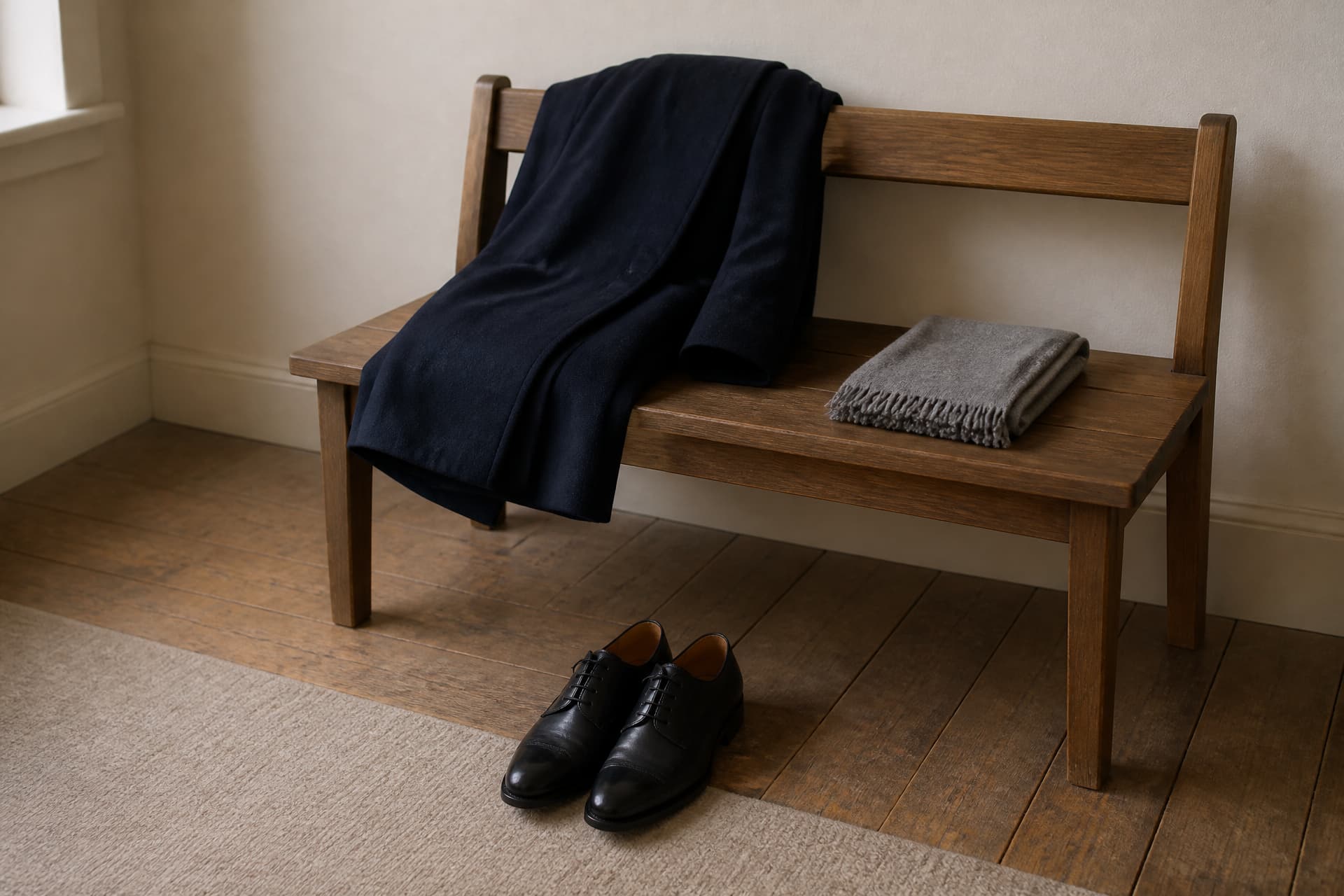
What to wear. Modest and covering, for everyone. Men: long pants and a long-sleeved shirt; no shorts, no shirt open at the collar. Women: a long skirt or loose pants, sleeves to the wrist, a top that covers the neckline and hips, and a scarf over the hair. The scarf is a courtesy rather than a rule for a non-Muslim visitor, and every mosque keeps spares by the door, but wearing one saves you from being the only person who is not. Black is not required and carries no particular meaning here — dark, muted and plain is right, and so is navy, gray or brown. This is one of the few points where our general advice on what to wear to a funeral needs adjusting rather than following.
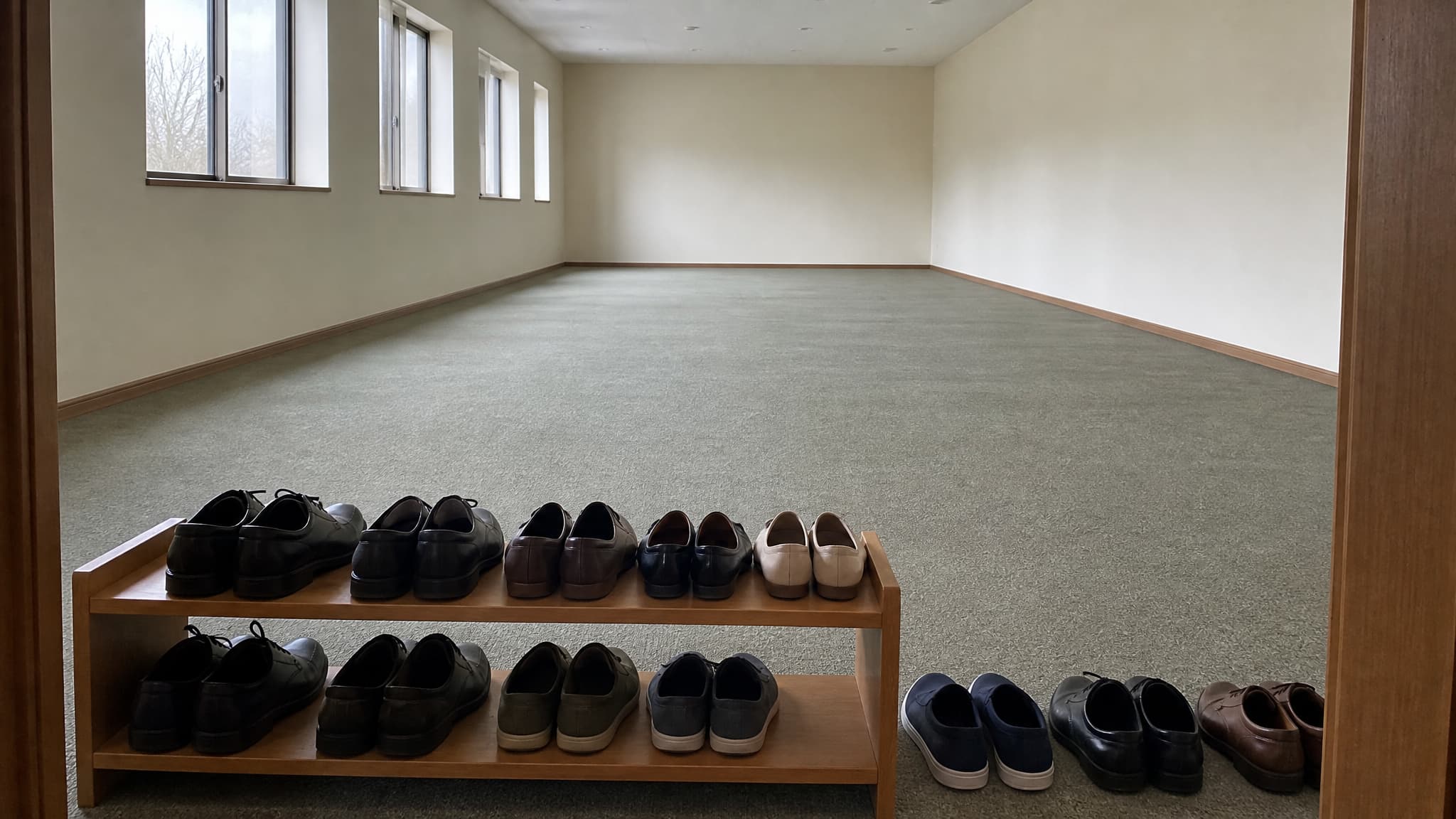
Your shoes come off. There will be a rack or shelves near the entrance to the prayer hall, and everyone uses it. Wear socks without holes and shoes you can get out of standing up.
Where to stand. Prayer spaces are usually separated by gender, and someone will point you toward the right door. During the prayer, stand behind the rows or along the wall. Do not walk in front of people who are praying, and do not take photographs at any point — not in the prayer hall and not at the graveside.
What to say. Keep it short and human. "I am so sorry for your loss" is exactly right. Muslims commonly say inna lillahi wa inna ilayhi raji'un, which means, roughly, that we belong to God and to Him we return; you are not expected to say it and nobody minds if you do not. Avoid the reflexive comforts — that she is in a better place, that it was for the best, that everything happens for a reason. Avoid asking how the person died.
What to bring. Not flowers. They are not customary and they will sit in a hallway. Bring food, or send it, or offer to drive people, mind children or answer the phone. That is what is actually needed, and general funeral etiquette applies to the rest.
Long sleeves, a long hemline, a scarf and shoes that come off standing up. That covers almost everything a first-time guest worries about.
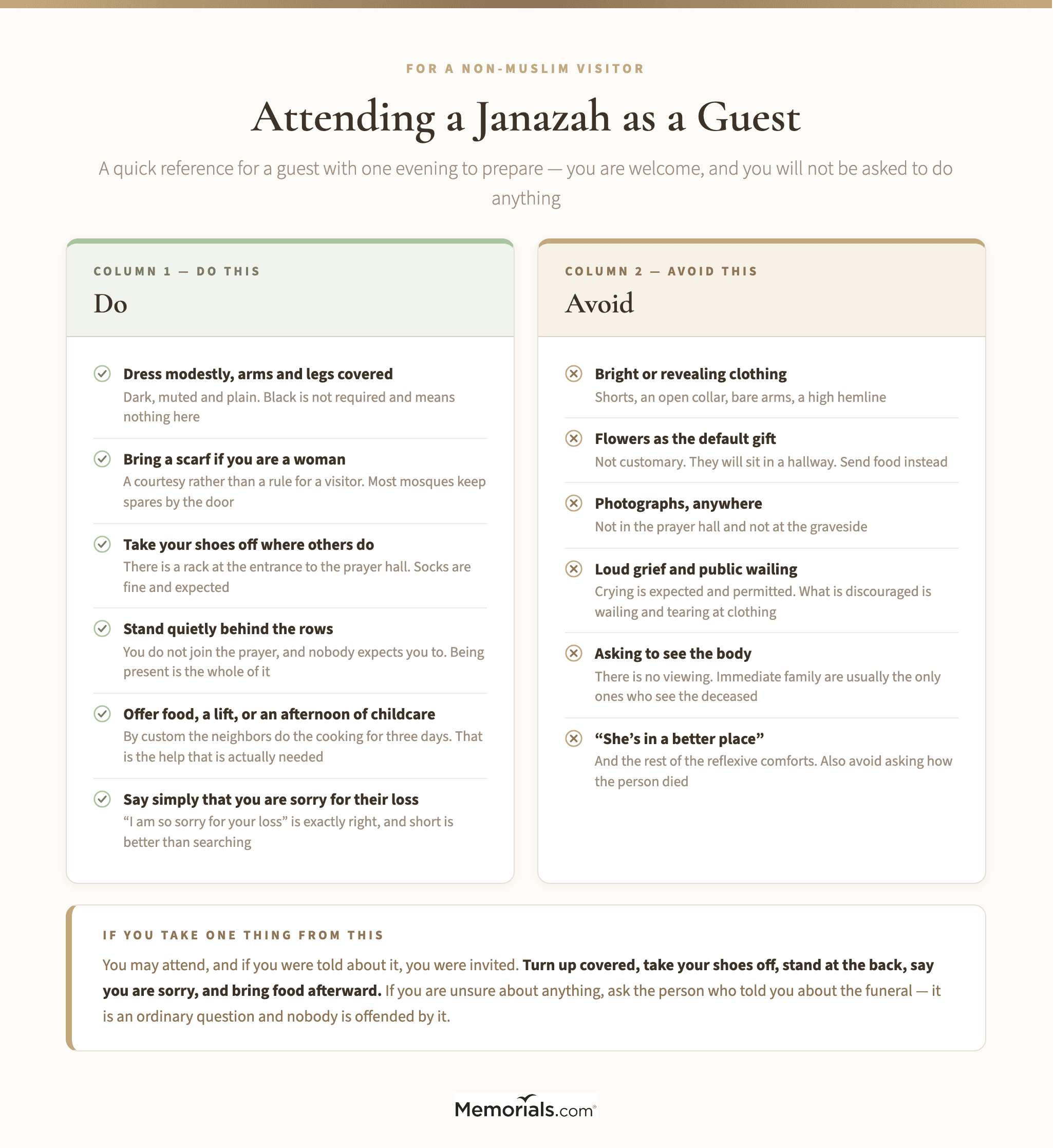
The short version for a guest with one evening to prepare: dress modestly, cover your arms and legs, take your shoes off where others do, stand quietly behind the rows, bring food rather than flowers, and keep condolences simple.
The Mourning Period: Three Days, Iddah, and the "Forty Days" Confusion
You will read on a lot of funeral websites that Islam observes a forty-day mourning period. That is not the Islamic rule, and repeating it to a family can send them looking for obligations they do not have.
The norm is three days. During those three days the family receives visitors, and by long custom the neighbors and extended family do the cooking — the household is not expected to feed anyone, including itself. Condolence visits are short. There is no expectation that you stay, and there is often no formal reception at all.
The one longer period in Islamic law applies to a widow: the iddah of four months and ten days, during which she remains at home, does not remarry and traditionally does not wear ornament or perfume. It is specific to widows and it is not a general family mourning period.
Forty days is a real practice — in parts of Turkey, the Levant and South Asia, families gather for a commemoration at forty days, and often again at a year. It is a regional cultural custom rather than a religious requirement, and communities that do not observe it are not skipping anything.
Grief itself is not suppressed. Crying is expected and permitted. What the tradition discourages is loud public wailing, tearing clothing and striking oneself. And the most valued response to a death is not an object at all but sadaqah jariyah, ongoing charity given in the person's name — a well, a scholarship, a contribution to the mosque — on the understanding that the good it does continues to be credited to them.
How Other Traditions Answer the Same Questions
Every funeral tradition answers the same four questions: how fast, who handles the body, what happens to it, and who feeds the family. Islam's answers are unusual in Western terms but far from isolated.
On who carries and lowers the body, Islamic practice has a close cousin in Scotland. At a traditional scottish funeral, named family members and friends each take a cord and lower the coffin into the grave by hand, in an assigned order — the same conviction that this is work the family does itself rather than work it hires out. On feeding the bereaved, the Pennsylvania Dutch custom of bringing a funeral pie to a grieving household is the same instinct as the Muslim neighbors who take over the kitchen for three days.
On what happens to the body, the contrast is sharper. Hindu funeral traditions require cremation for almost exactly the reasons Islam forbids it — the body as a vessel to be released rather than a trust to be returned intact — and cremation is also the common practice in most buddhist funeral customs. Doctrine, not preference, is doing the work in all three cases.
Furthest from Islamic practice, and useful precisely because it is, is tibetan sky burial, where the body is offered to vultures on a mountainside. Islam commits the body to the earth promptly and intact; Tibetan Buddhism disperses it entirely. Both are acts of reverence, performed quickly, by people who love the dead. The form is the opposite and the impulse is identical.
Frequently Asked Questions
Can a non-Muslim attend a Muslim funeral?
Yes. Non-Muslims are welcome at the mosque for the funeral prayer and at the cemetery for the burial. You will not be asked to participate in the prayer itself and you will not be asked to explain yourself. Dress modestly, follow what the people around you do, and if you are unsure about anything, ask the person who told you about the funeral — it is an ordinary question and nobody is offended by it.
What should I wear to a Muslim funeral?
Modest clothing that covers the arms and legs, in plain, muted colors. Men wear long pants and a long-sleeved shirt. Women wear a long skirt or loose pants with long sleeves and a high neckline, plus a scarf over the hair. Black is neither required nor expected. Wear shoes you can remove easily, because you will take them off before entering the prayer hall.
Do I need to take part in the janazah prayer if I am not Muslim?
No. The prayer is a Muslim supplication, and non-Muslims are not expected to join it. Stand quietly behind the rows or at the side of the room while it takes place — it lasts only a few minutes. Being present is the whole of what is being asked of you.
Do I have to remove my shoes at a mosque funeral?
Yes, before entering the carpeted prayer area. There will be a rack or shelving at the entrance and everyone will be using it. Socks are fine and expected. If the funeral prayer is held outdoors or at the graveside instead, shoes stay on.
Should I go to the burial as well?
You are welcome to, and it is a meaningful thing to do. The burial usually follows the prayer immediately, so you will need to be able to drive to the cemetery straight afterward. At the graveside, stand back from the family, stay until the grave is filled if you can, and do not take photographs. If you cannot go, attending the prayer alone is entirely acceptable.
If You Are the One Arranging It
If you are reading this because someone in your family died a few hours ago, the order of operations is: call the mosque, call a funeral home that has worked with them before, and start the death certificate and burial permit moving in parallel. Everything else — the washing, the shroud, the prayer, the people — will be handled by more hands than you expect. That is what the community is for, and it will show up.
The only purchasing decision most families face is the one the cemetery forces, and it is worth going into that conversation knowing what you are asking for. A plain, unlined, undecorated container in willow, bamboo or untreated wood satisfies almost every cemetery's container rule while keeping faith with a tradition that asks for nothing between the body and the earth. Ask the cemetery what it requires before you buy anything, and ask whether it will waive the requirement altogether — a surprising number will.
And if you are reading this because you have been invited to one and you are worried about doing it wrong: you will not. Turn up covered, take your shoes off, stand at the back, say you are sorry, and bring food afterward. The family will remember that you came.