🏬Supersize Online Funeral Retailer🪦1000's of Headstones⚱️Over 10,000 Cremation Urns⚰️Caskets Overnight Delivery🛒Funeral & Memorial Superstore🚚FREE Shipping on ALL Orders👨👩👧👦Helping Families for over 20 Years💰Lowest Price Guarantee🏬Supersize Online Funeral Retailer🪦1000's of Headstones⚱️Over 10,000 Cremation Urns⚰️Caskets Overnight Delivery🛒Funeral & Memorial Superstore🚚FREE Shipping on ALL Orders👨👩👧👦Helping Families for over 20 Years💰Lowest Price Guarantee
🏬Supersize Online Funeral Retailer🪦1000's of Headstones⚱️Over 10,000 Cremation Urns⚰️Caskets Overnight Delivery🛒Funeral & Memorial Superstore🚚FREE Shipping on ALL Orders👨👩👧👦Helping Families for over 20 Years💰Lowest Price Guarantee🏬Supersize Online Funeral Retailer🪦1000's of Headstones⚱️Over 10,000 Cremation Urns⚰️Caskets Overnight Delivery🛒Funeral & Memorial Superstore🚚FREE Shipping on ALL Orders👨👩👧👦Helping Families for over 20 Years💰Lowest Price Guarantee
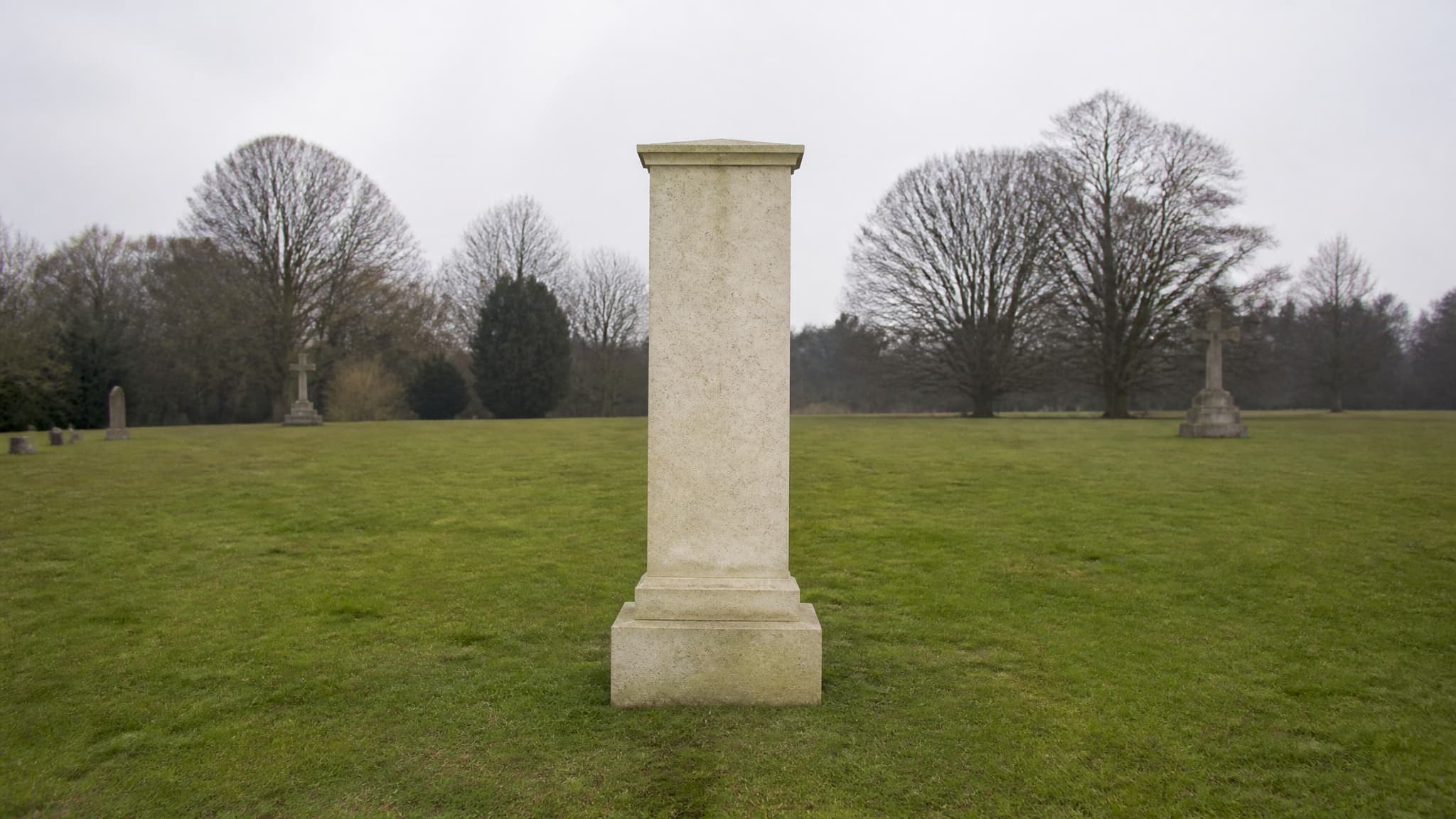
The cenotaph meaning is simpler than the word suggests: a monument to someone who is not buried beneath it. From the Greek kenos, empty, and taphos, tomb. An empty tomb.
Most people meet the word on a war memorial and assume it belongs to soldiers and to nations. It does not. A cenotaph is what you are building any time you put up a marker for someone whose remains are somewhere else — scattered at sea, lost, interred in another country, or still on a shelf at home because nobody could agree.
That is the question underneath most searches for this word, and it has a practical answer: yes, you can have one, and here is what it involves.
Cenotaph Definition, and What It Is Not
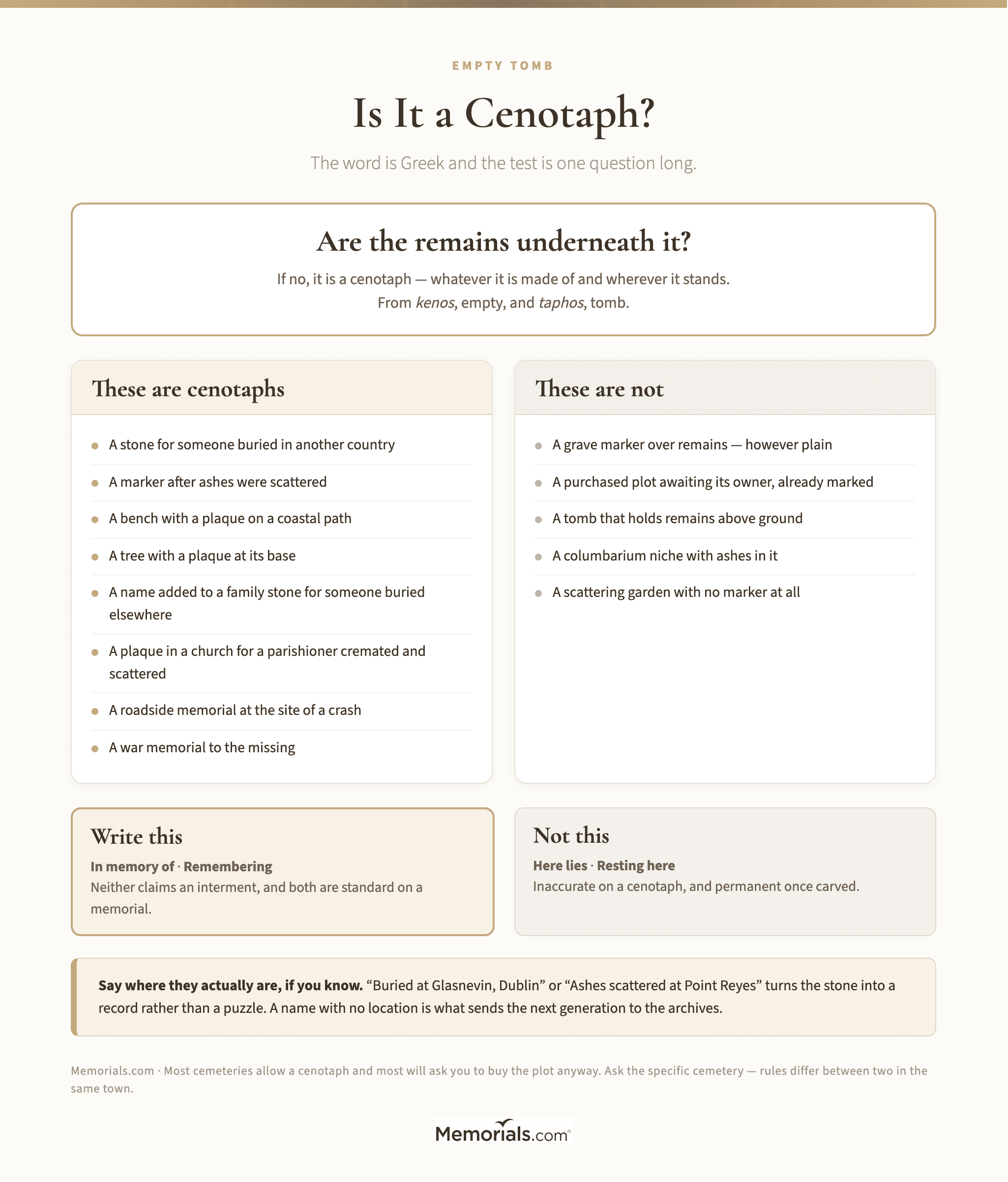
The cenotaph definition turns entirely on one fact — no remains. Everything else about it can look exactly like a grave.
A cenotaph is a monument where the person is not. It may stand in a cemetery, in a churchyard, on a village green, or on family land.
A grave marker stands over remains. The stone may be identical; the difference is underground.
A memorial is the broad word and covers both, which is why it is the one most families end up using.
A tomb holds remains above ground. A cenotaph that looks like a tomb and holds nothing is the original sense of the word — the empty tomb.
So what is a cenotaph, in the form most people meet it? It is the answer to a different question they are actually asking: what is a grave without a body called. A cenotaph. People reach for phrases like empty grave, memorial grave or symbolic headstone, and all of them describe the thing correctly. The single word is cenotaph, and knowing it is useful mainly because it is the word a cemetery office and a monument company will recognize.
One question settles it, and the wording follows from the answer. "Here lies" is inaccurate on a cenotaph and permanent once carved.
The classical cases are military, and they are the reason the word survives. But the ordinary cases are much commoner.
The remains were never recovered. Lost at sea, missing in action, a disaster with no recovery. The oldest and most direct reason.
The remains are somewhere else. Someone buried in the country they emigrated from, and the family who stayed wants somewhere local to go. This is probably the single most common modern reason and almost nobody calls it a cenotaph.
The ashes were scattered. Cremation with scattering leaves no fixed place, and after a few years families frequently discover they want one. A cenotaph is the usual answer. Our guide to the laws and etiquette of scattering ashes covers the decision that leads here.
The ashes are still at home. Common and rarely admitted. A marker in a cemetery and an urn on a shelf is not a contradiction; plenty of families keep both.
A family plot where one member is elsewhere. A row of names with one person buried three states away, added so the stone tells the truth about the family rather than about the plot.
Someone was never given a marker. A grave in a public plot, a burial nobody could afford to mark at the time, or a name the family only learned later.
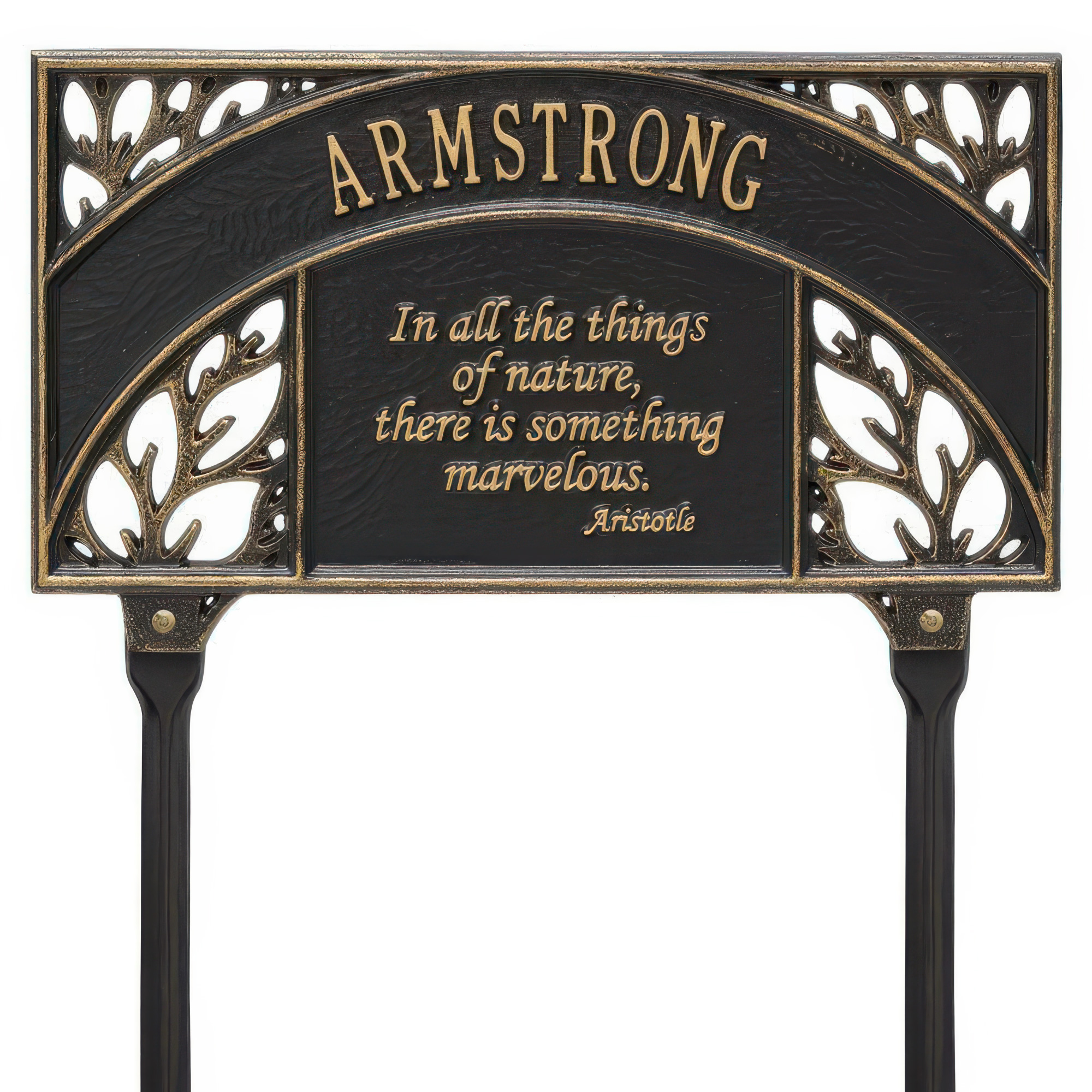
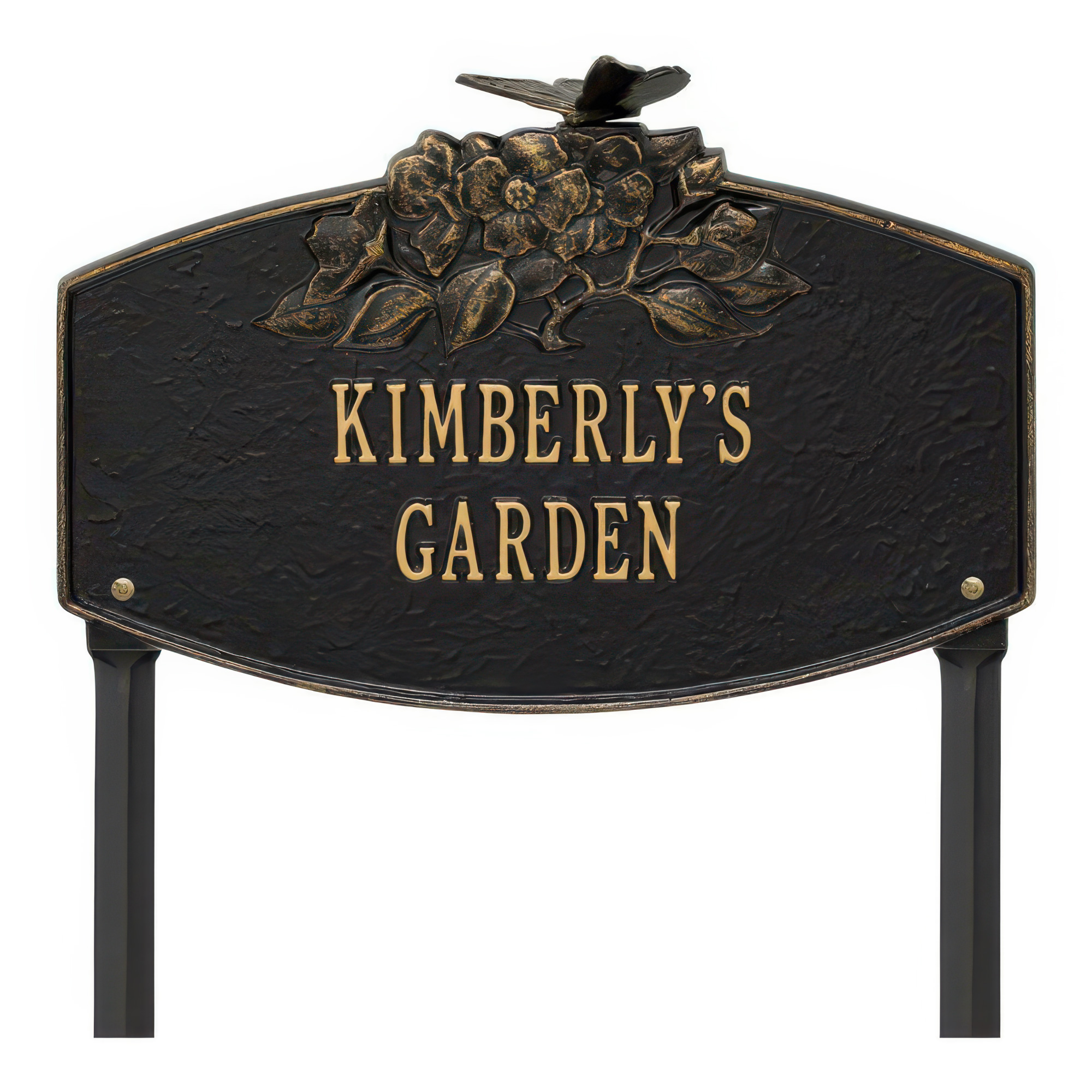
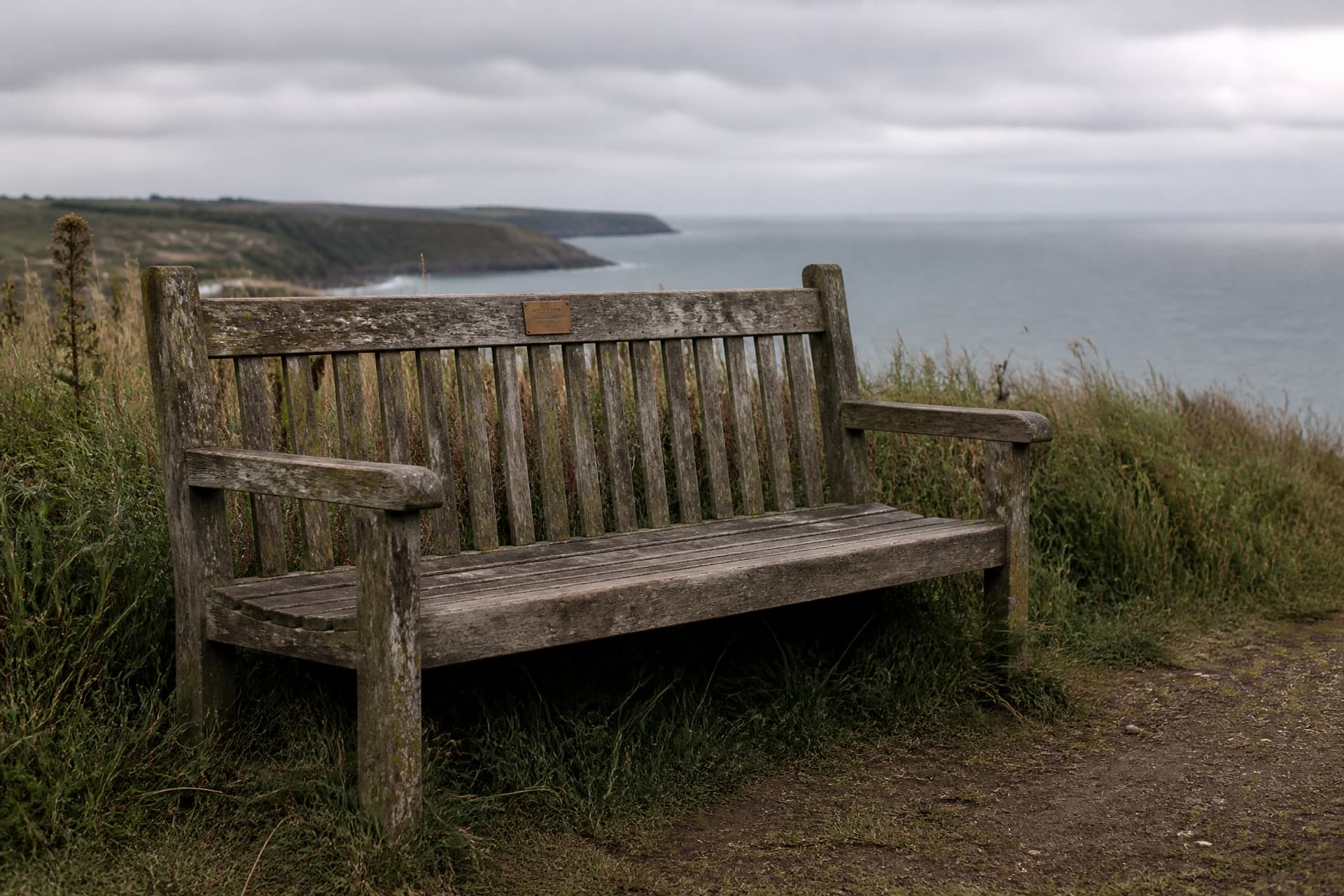
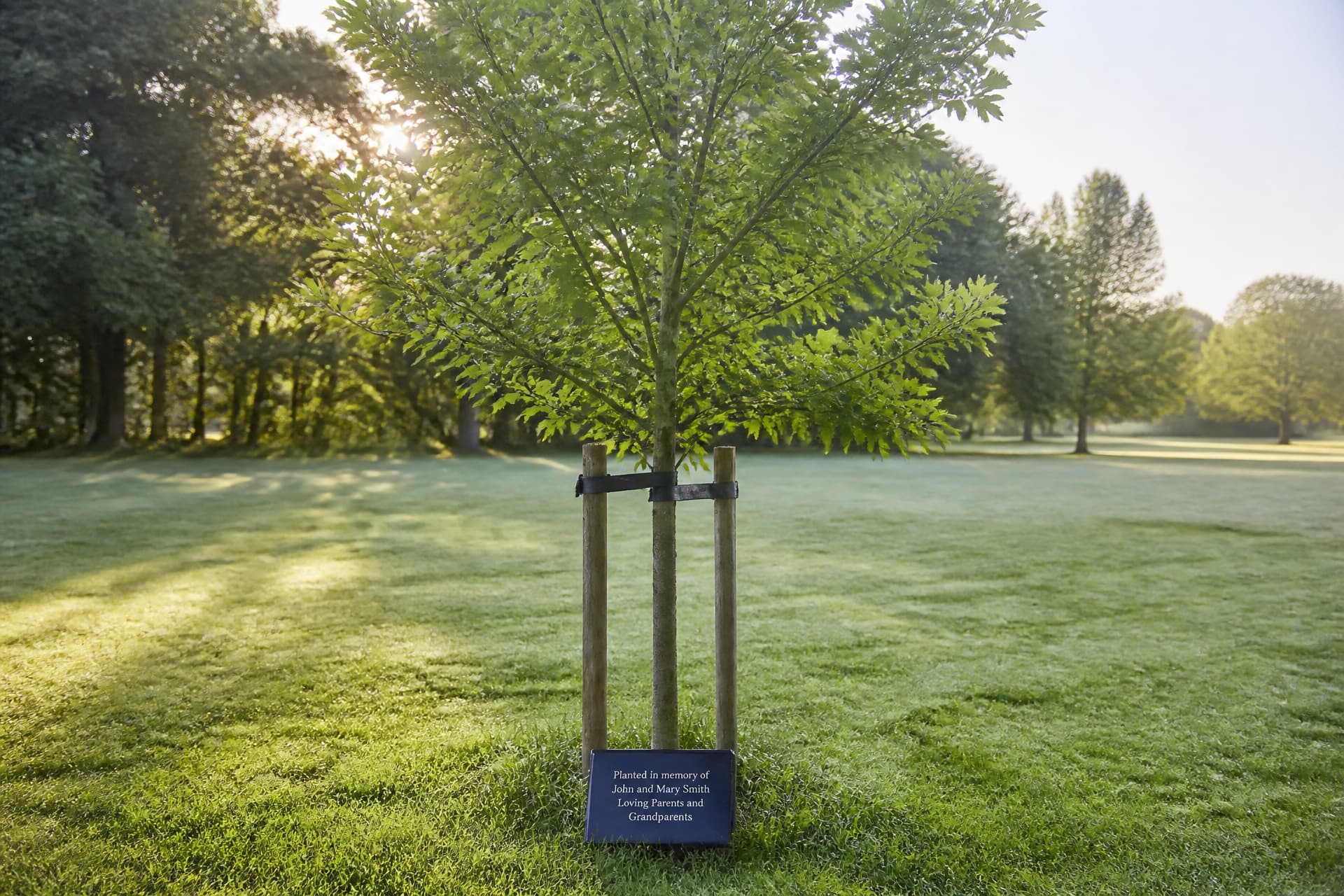
The commonest cenotaph nobody calls one. A bench, a tree, a stone on a trail — all of them mark someone who is not there, which is the whole definition.
Can You Put Up a Cenotaph?
Usually yes, and the constraint is almost never the law.
In a cemetery. Most will allow it, and most will want you to buy a plot anyway — you are occupying ground whether or not anything goes into it. Some sections permit a marker without a plot at a lower cost. Rules vary between cemeteries in the same town, so ask the specific cemetery. Our cemetery planning guide covers what the office will ask.
In a churchyard. Depends entirely on the parish, and often on whether the person had a connection to it.
On private land. Generally permitted, and worth thinking about carefully: a monument on land you may one day sell is a monument you may one day lose access to.
A public memorial. A bench, a tree with a plaque, a stone on a trail. These are cenotaphs too, and the permission comes from whoever owns the ground — a parks department, a land trust, a golf club.
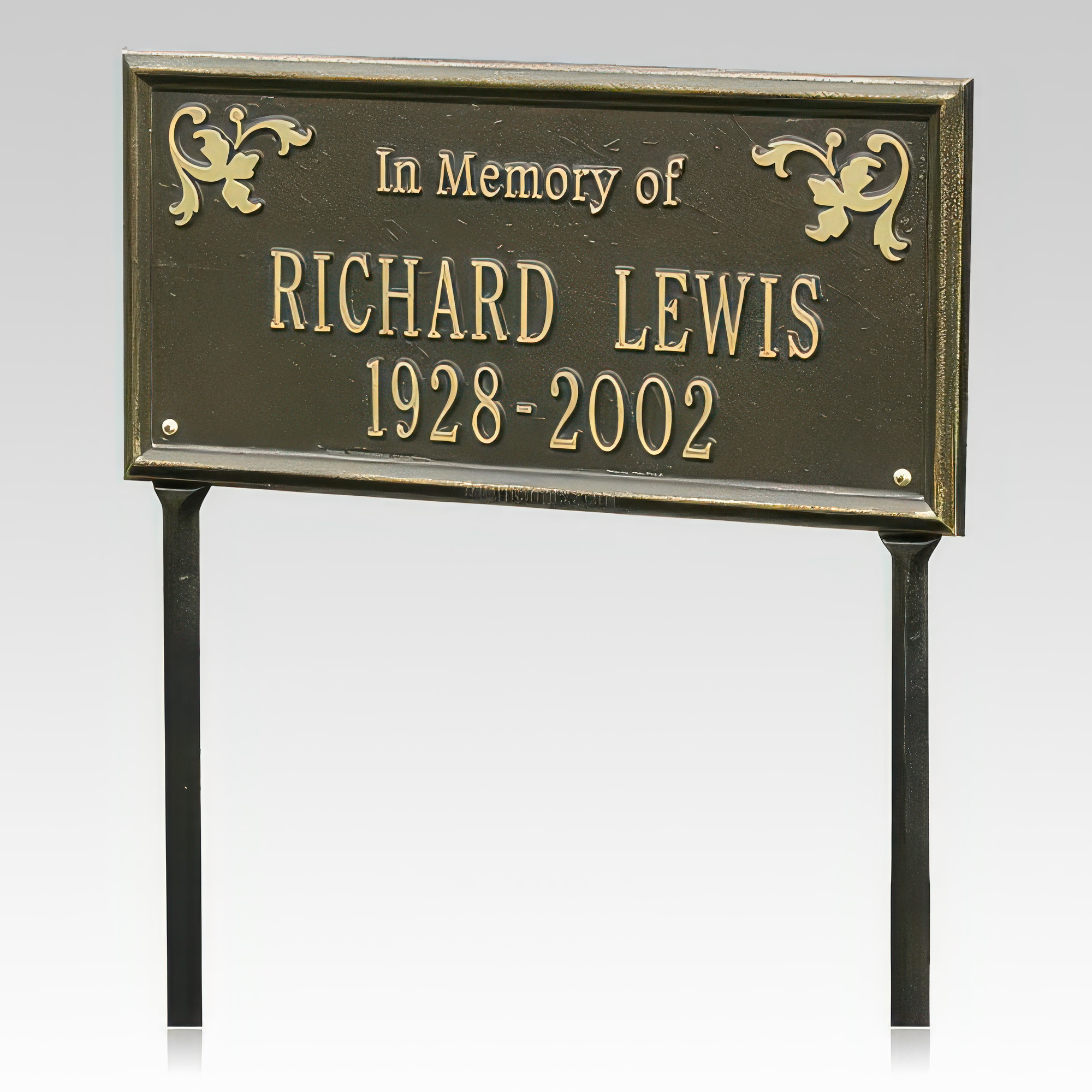
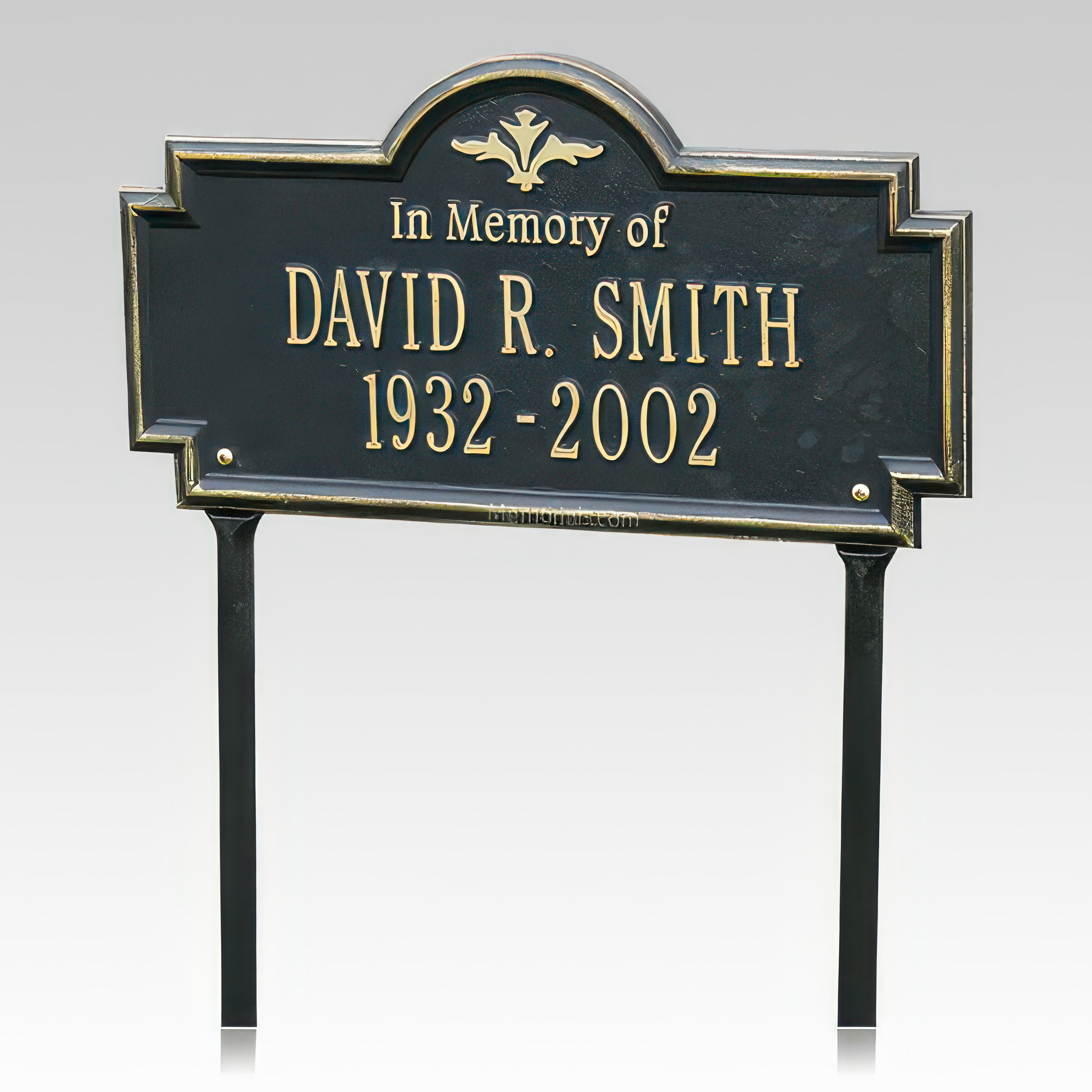
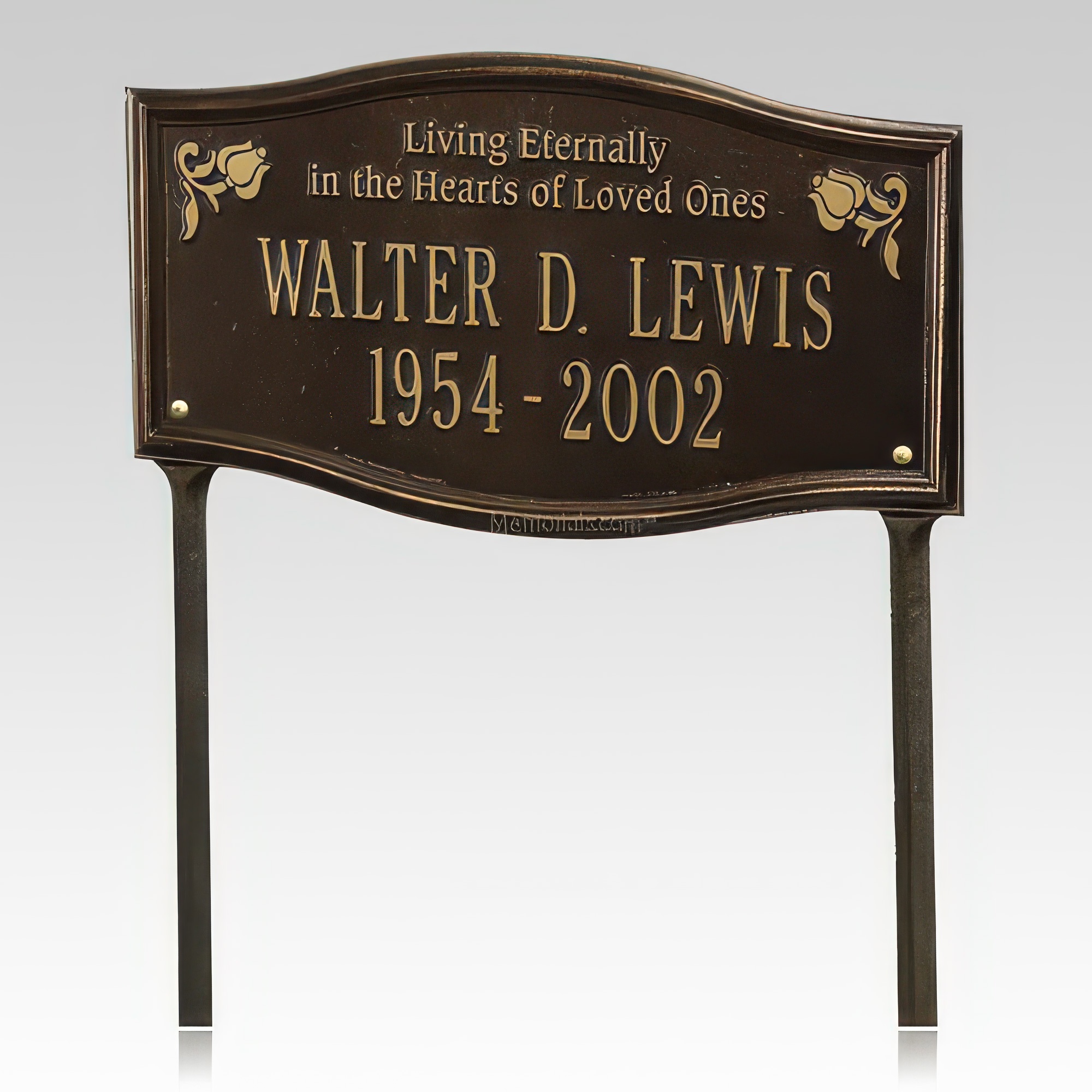
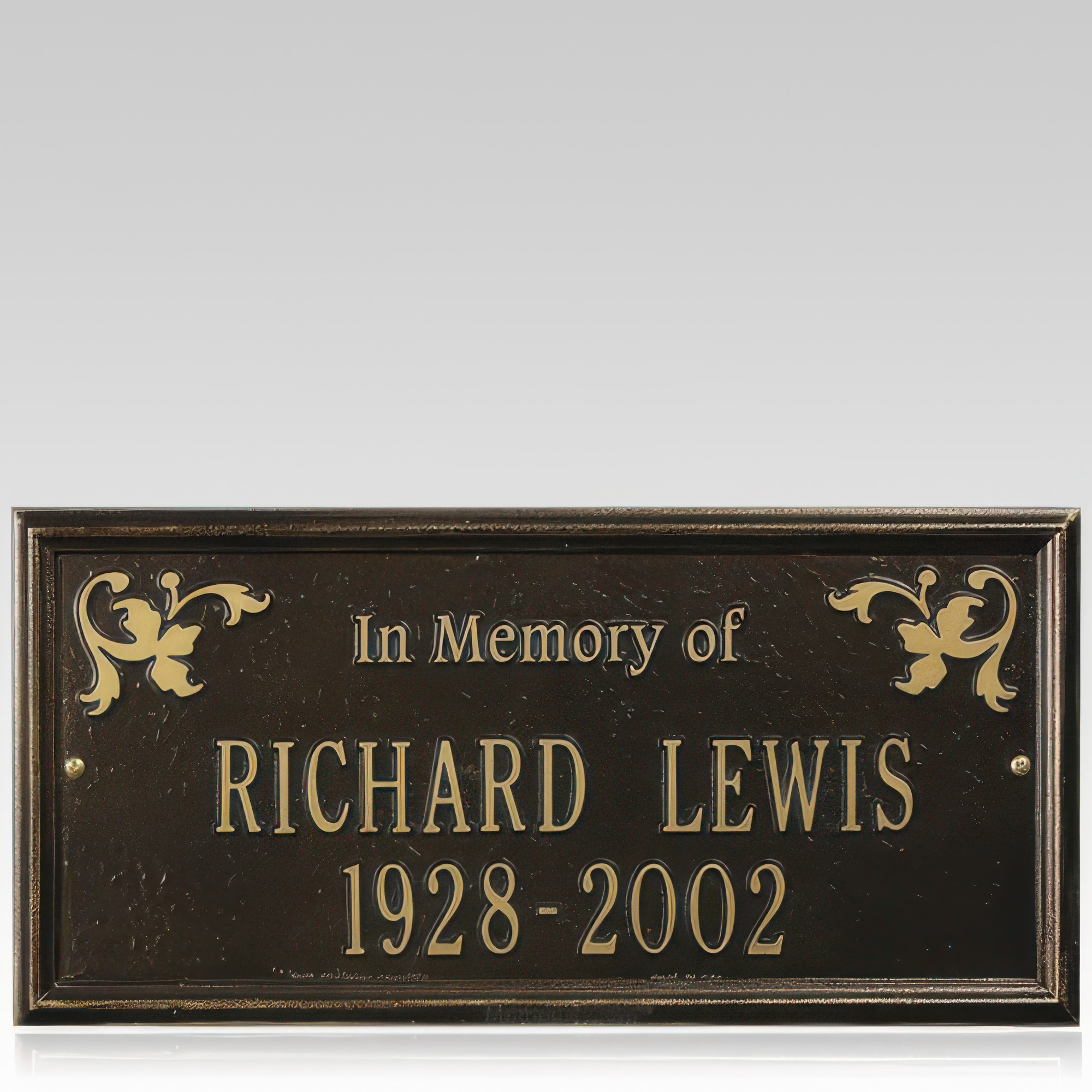
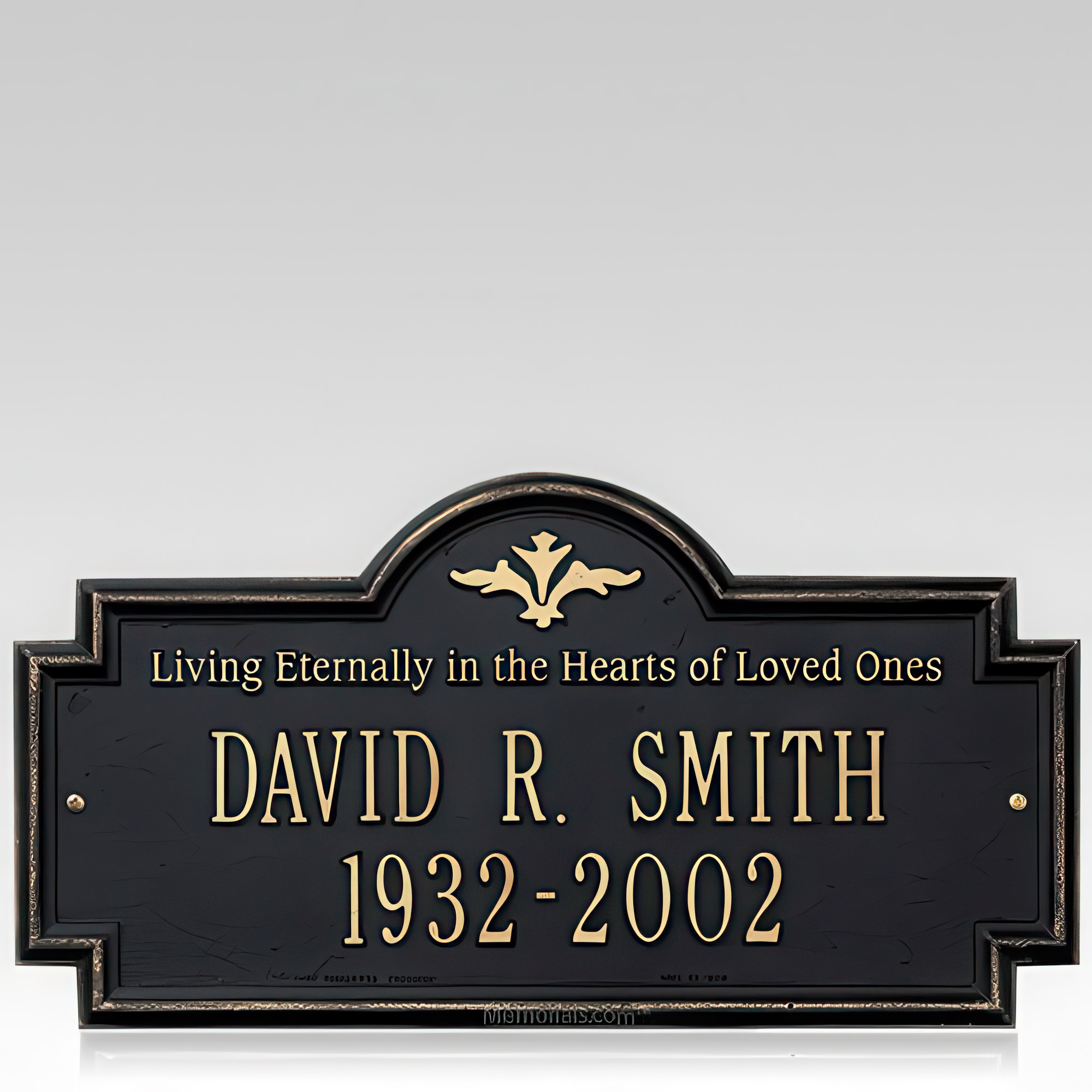
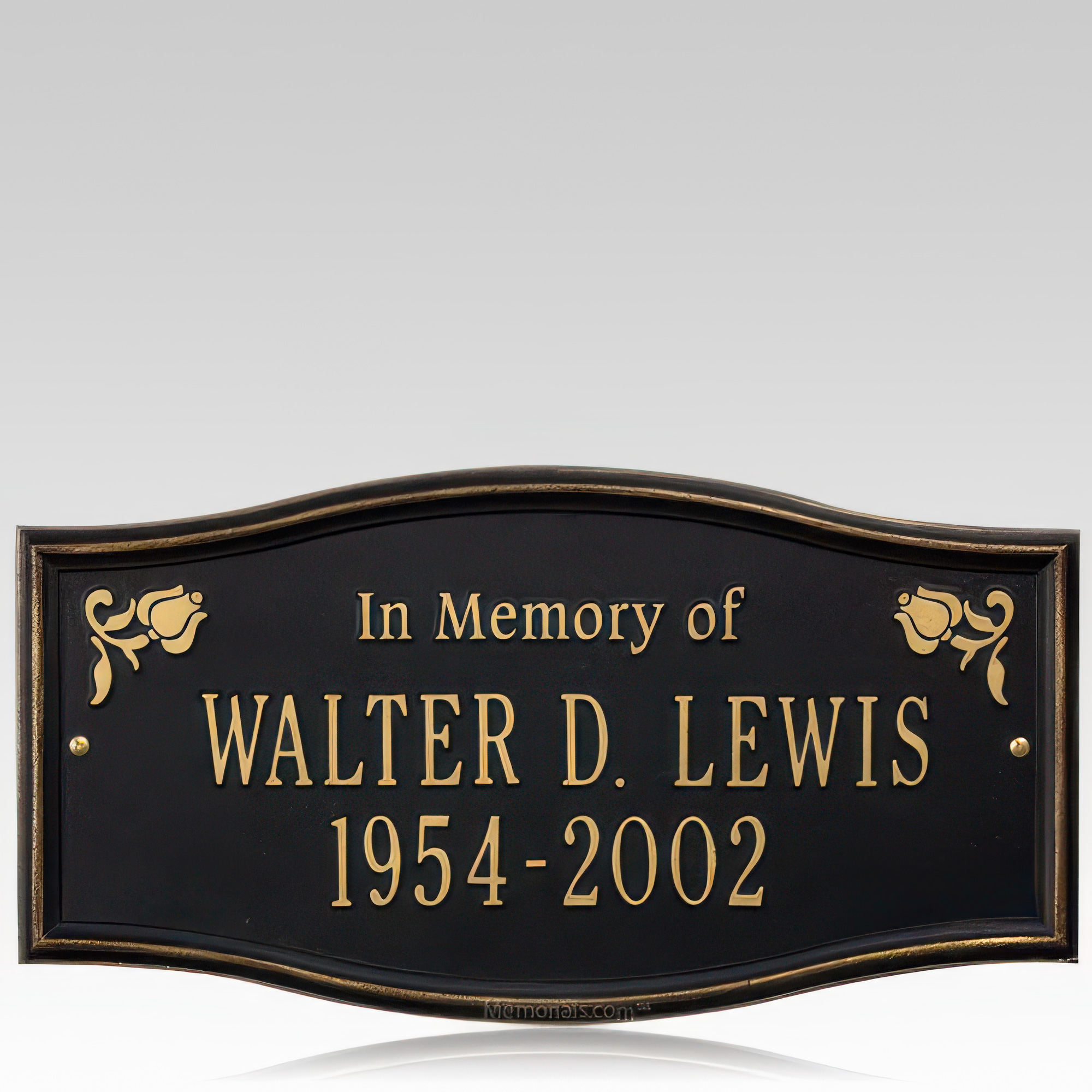
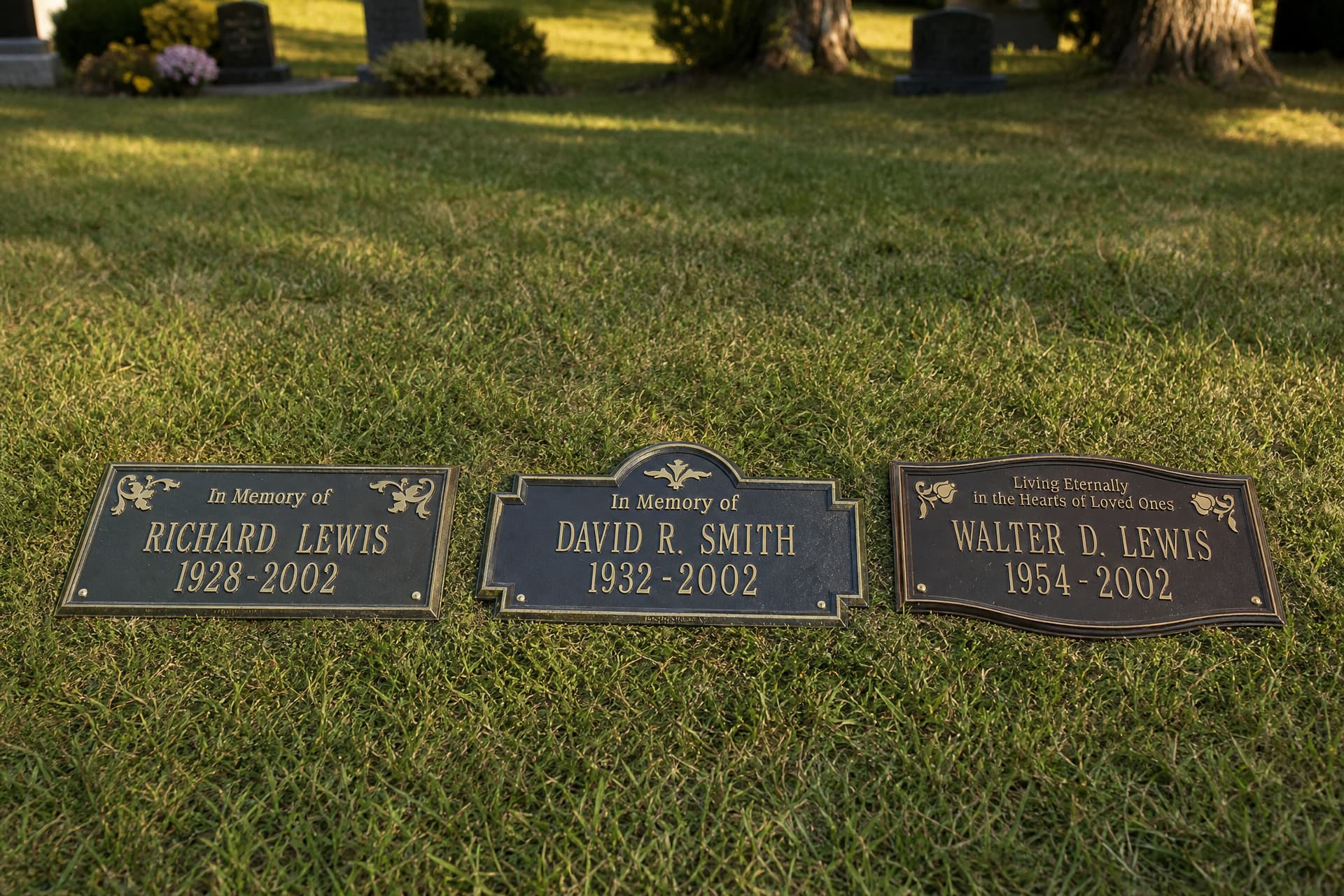
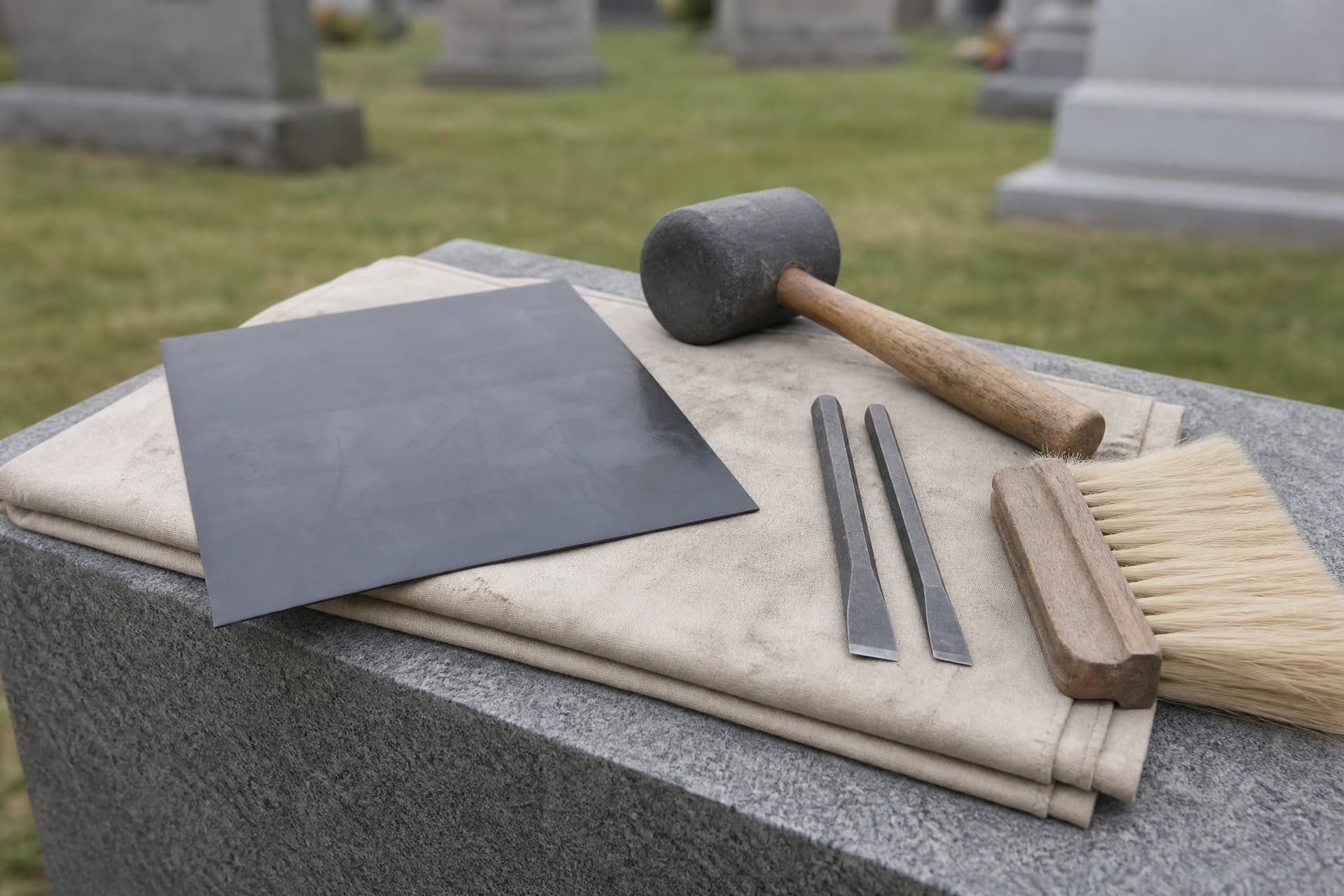
The marker itself is an ordinary headstone or plaque. Nothing about it is special-ordered; monument companies produce them routinely, and most will not even remark on it.
What to Put on It
This is where a cenotaph differs from a grave marker, and where families most often want guidance.
The dates work the same way. Birth and death, as known. Where the date of death is uncertain — lost at sea, missing — a year alone is normal, and so is a phrase such as lost at sea, 1997.
Say where they are, if you know.Buried at Glasnevin, Dublin or Ashes scattered at Point Reyes turns the stone into a record rather than a puzzle. Future family will thank you; a name with no location is what sends people to archives.
Or say nothing about it at all. Plenty of cenotaphs simply carry a name and dates. There is no obligation to explain.
Avoid wording that implies interment.Here lies and resting here are inaccurate on a cenotaph. In memory of and remembering are the standard alternatives and carry no such claim. Our guide to what an epitaph is covers how inscriptions are built.
For symbols, the same conventions apply as on any memorial — our guide to headstone symbols and meanings covers what each traditionally signifies.
The word's public life is military, and this is where most people first see it.
A national cenotaph stands for the dead who were never brought home, collectively rather than individually. The best known is in Whitehall in London, designed by Edwin Lutyens and unveiled in 1920, and it is the reason the word entered ordinary English in the twentieth century. Many nations built their own in the years after the First World War, for the same reason: the scale of the missing.
The individual military cenotaph is a separate thing and much more relevant to a family. A service member lost at sea or missing in action may be commemorated on a memorial wall or a tablet of the missing, and the family may still want something local. Both can exist. One does not cancel the other.
National cemeteries make the same provision. Where remains were never recovered, a memorial marker may be set in the ground with the rest, and the rules for one are the burial rules rather than a softer version of them. Our guide to Arlington National Cemetery sets out how narrow those rules are, and how much wider they become for above-ground inurnment.
Who Pays, and What It Costs
A cenotaph costs what its marker costs. There is no surcharge for the absence.
The stone is priced like any other, by size, material and the amount of lettering. A flat granite marker with a name and dates is the cheap end; an upright monument with a carved symbol is not.
The plot is the variable. Some cemeteries require one and some do not, and the difference is usually larger than the difference between two stones. Ask before you choose the marker, because the answer may change what you can afford to put on it.
A name added to an existing family stone is the least expensive version by a wide margin, because the work happens at the graveside rather than at the monument works. If a family stone already stands, ask about this first.
A bench or a tree with a plaque is priced by whoever owns the ground, and public authorities frequently charge a dedication fee that covers maintenance for a fixed term — ten years is common. Ask what happens at the end of that term, because the answer is sometimes that the plaque comes off.
Cenotaphs You Have Probably Seen
The form is far commoner than the word.
A bench with a plaque on a coastal path.
A tree planted with a small marker at its base.
A roadside memorial at the site of a crash.
A stone in a family plot for someone buried overseas.
A name added to a parent's headstone for a child buried elsewhere.
A plaque in a church for a parishioner cremated and scattered.
A memorial wall panel in a columbarium where no niche was bought.
None of these announce themselves as cenotaphs. All of them are.
Adding a name to a stone already standing is the least expensive version of this by a wide margin, because the work happens at the graveside rather than at the monument works.
When the Remains Turn Up Later
It happens more often than families expect, and it is worth knowing the stone does not have to be wrong afterward.
Recovered remains. Identifications are still being made from conflicts decades old, and DNA work has returned people to their families long after a cenotaph went up. A cenotaph can become a grave marker by burying the remains beneath it, if the cemetery permits and the plot allows.
Ashes finally placed. A family that scattered some and kept some, or kept all and changed its mind, can inter the remainder at the cenotaph. Most cemeteries treat this as an ordinary interment of cremated remains.
Nothing changes at all. Equally common, and equally fine. A marker put up in good faith does not become a lie because circumstances moved.
What is worth avoiding is wording that forecloses the question. Here lies on a stone that later turns out to be accurate is luck; on one that does not, it is an error nobody can fix.
A Note on the Word Itself
Cenotaph is not a word most American families use, and there is no obligation to adopt it.
Funeral directors, cemetery offices and monument companies all know it, which is its practical value — saying we want a cenotaph communicates in one word what otherwise takes a paragraph, and it signals that you already know no plot may be needed.
Among family, memorial is the word people actually reach for, and it is not wrong. Nothing about the practice requires the Greek.
Is a Cenotaph the Same as an Empty Grave?
Not quite, and the distinction occasionally matters at a cemetery office.
A cenotaph is a marker with no interment planned. Nothing is going underneath it.
An empty grave is a purchased plot awaiting its occupant — pre-need, bought in advance, frequently already marked with the buyer's name and birth year. That is a grave marker with a blank waiting to be filled, not a cenotaph.
The two look alike in a cemetery and are recorded differently, which is why the office will ask.
A tree with a plaque is a cenotaph, and the permission comes from whoever owns the ground rather than from a cemetery. Ask what happens at the end of the dedication term.
Where to Put It
The location question is separate from the permission question, and families often decide it too quickly.
Near the people who will visit beats near the person commemorated. A stone three hours away is visited twice and then on anniversaries; one in the cemetery where the rest of the family already goes is visited by accident, which is better.
Beside existing family is the common choice and the safest. It puts the name in the row where somebody will read it without setting out to.
Somewhere that meant something — a coast path, a club, a churchyard in a village nobody lives in any more — is the choice families make with their hearts and regret with their knees. It is not wrong. Just walk the route once at the age you will be in twenty years.
Frequently Asked Questions
What does cenotaph mean?
A monument to a person who is not buried beneath it. The word is Greek — kenos, empty, and taphos, tomb. An empty tomb.
What is a grave without a body called?
A cenotaph. Empty grave, memorial grave and symbolic headstone all describe it correctly, but cenotaph is the word a cemetery office and a monument company will recognize.
Can I put a headstone up for someone who is not buried there?
In most cemeteries, yes — though most will ask you to buy the plot regardless, since the ground is occupied either way. Rules differ between cemeteries in the same town, so ask the specific one.
What should a cenotaph say?
The name and dates, and often where the person actually is. Avoid here lies and resting here, which are inaccurate; in memory of is the standard alternative.
Is a memorial bench a cenotaph?
Technically yes. Any marker commemorating someone not buried beneath it fits the definition, whether it is granite, a bench, or a plaque on a tree.
Can a cenotaph be added to an existing family headstone?
Frequently, and it is the cheapest version of this. Adding a name to a stone already standing costs far less than a new monument, and it is done at the cemetery rather than at the works.
The Short Version
A cenotaph is a grave marker with nobody underneath it, and it is an ordinary thing to want. Ashes scattered, a burial abroad, a person never found — all of them leave a family with no place to go, and a cenotaph is the place.
Ask the cemetery first, buy the plot if they ask you to, and write in memory of rather than here lies. The rest is the same as any other stone.
Our military memorial guide covers the eligibility questions where service is involved, and what a mausoleum is covers the above-ground alternative for families weighing both.