🏬Supersize Online Funeral Retailer🪦1000's of Headstones⚱️Over 10,000 Cremation Urns⚰️Caskets Overnight Delivery🛒Funeral & Memorial Superstore🚚FREE Shipping on ALL Orders👨👩👧👦Helping Families for over 20 Years💰Lowest Price Guarantee🏬Supersize Online Funeral Retailer🪦1000's of Headstones⚱️Over 10,000 Cremation Urns⚰️Caskets Overnight Delivery🛒Funeral & Memorial Superstore🚚FREE Shipping on ALL Orders👨👩👧👦Helping Families for over 20 Years💰Lowest Price Guarantee
🏬Supersize Online Funeral Retailer🪦1000's of Headstones⚱️Over 10,000 Cremation Urns⚰️Caskets Overnight Delivery🛒Funeral & Memorial Superstore🚚FREE Shipping on ALL Orders👨👩👧👦Helping Families for over 20 Years💰Lowest Price Guarantee🏬Supersize Online Funeral Retailer🪦1000's of Headstones⚱️Over 10,000 Cremation Urns⚰️Caskets Overnight Delivery🛒Funeral & Memorial Superstore🚚FREE Shipping on ALL Orders👨👩👧👦Helping Families for over 20 Years💰Lowest Price Guarantee
The phrase is so familiar that almost nobody questions it. Ask why do we bury people 6 feet deep and you will get answers about disease, about animals, about the plow — all delivered with confidence, and most of them retrofitted to a number that turns out to have one specific origin and very little modern application.
Here is the honest position: most graves are not six feet deep, and no widespread regulation requires them to be.
What Graves Actually Measure
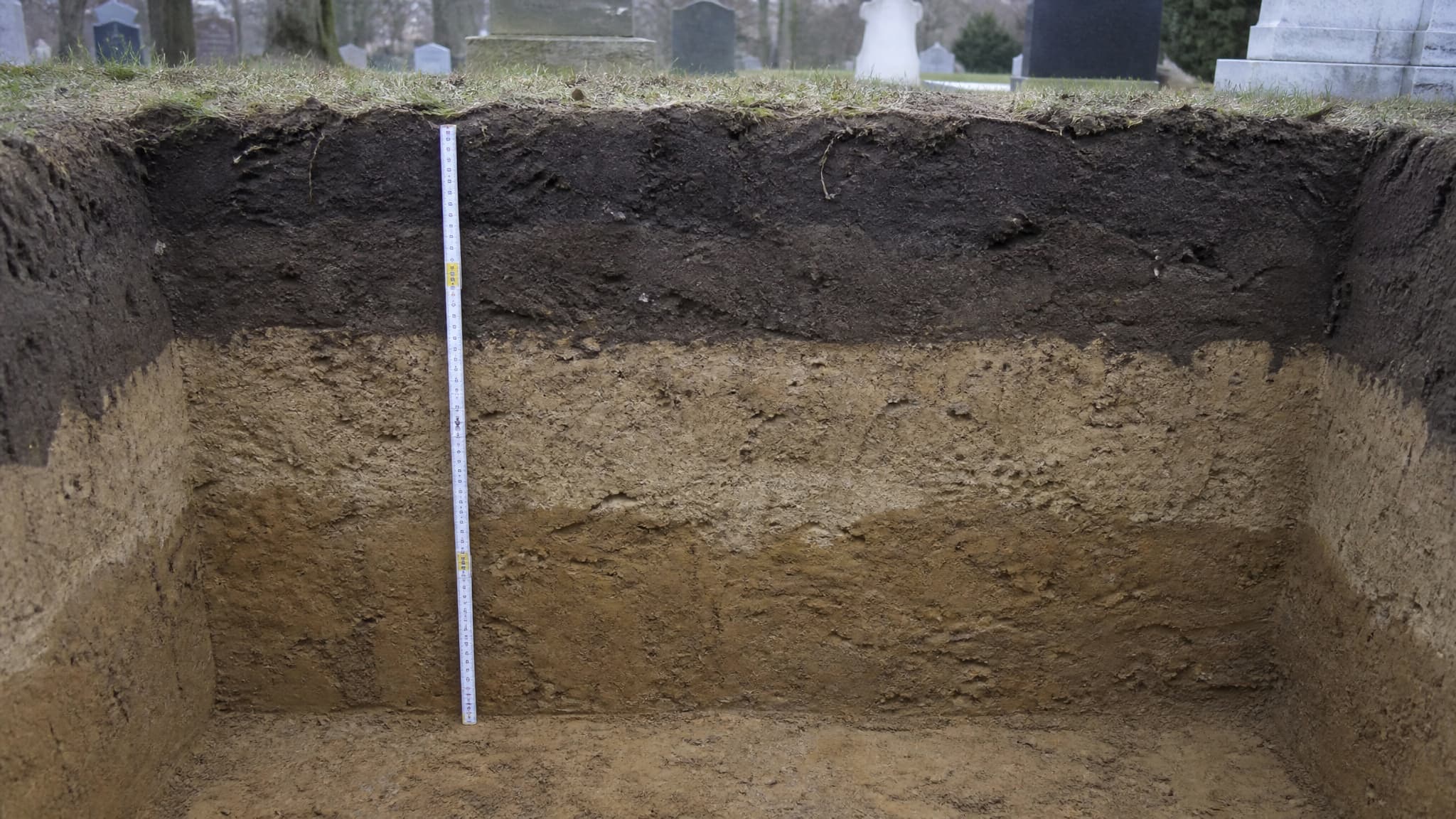
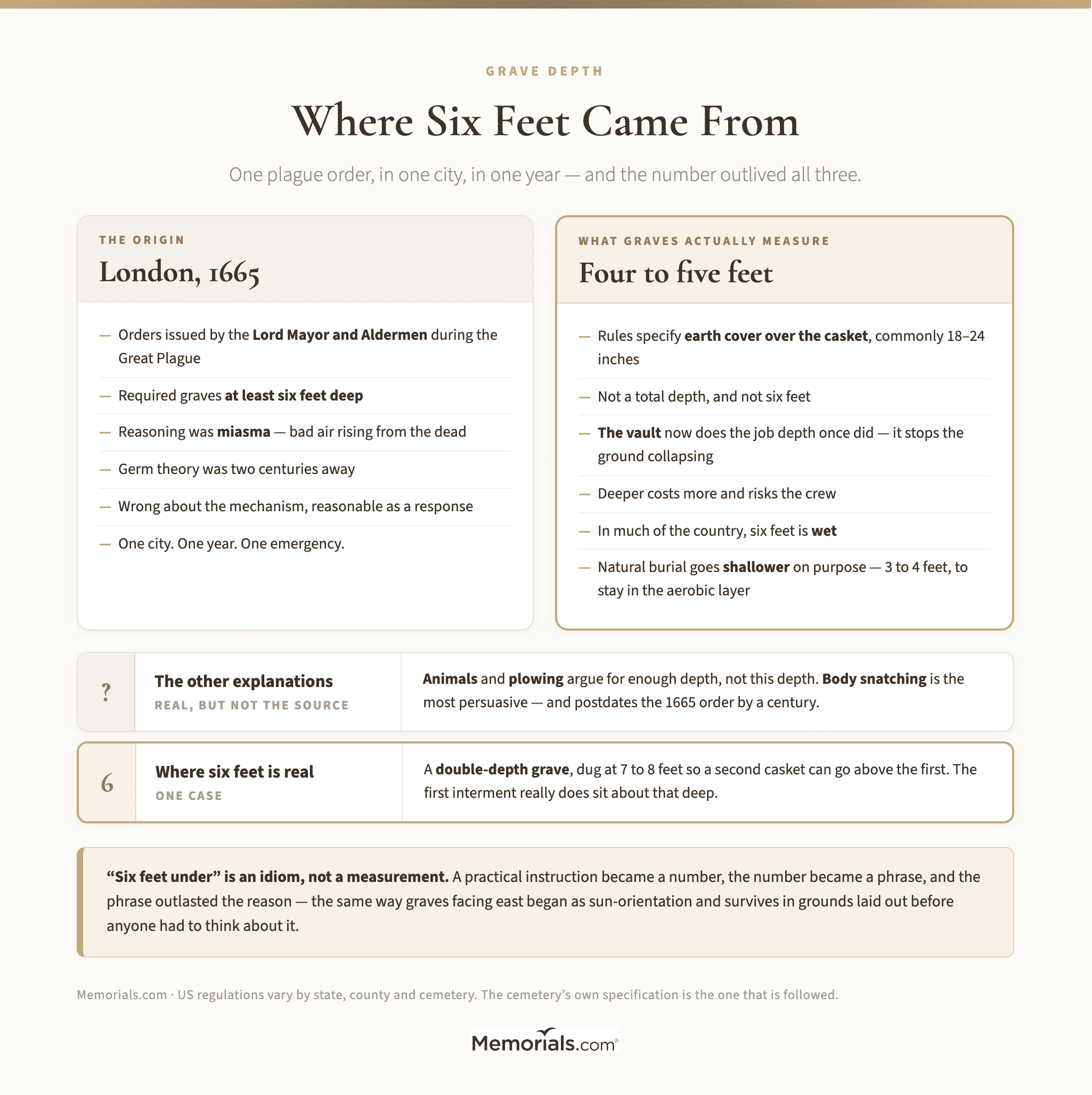
In practice a modern grave is dug to around four to five feet, and sometimes less.
What regulations specify, where they specify anything at all, is not a total depth. It is a minimum depth of earth cover over the top of the casket or the outer burial container — commonly 18 to 24 inches in American states that address it, with considerable variation. A grave taking a concrete vault ends up around five feet by the time the vault's own height is accounted for. One taking a casket directly can be shallower and still comply.
So the rule is about how much soil sits on top, not about how far down the bottom is. Those produce quite different numbers, and the six-foot figure is not really either of them. Our guide to digging a grave covers the dimensions and the excavation in detail.
Shop Burial Vaults and Markers
What keeps the ground level, and what marks it afterwards
The best-documented origin is a single document, and it is more specific than the folklore suggests.
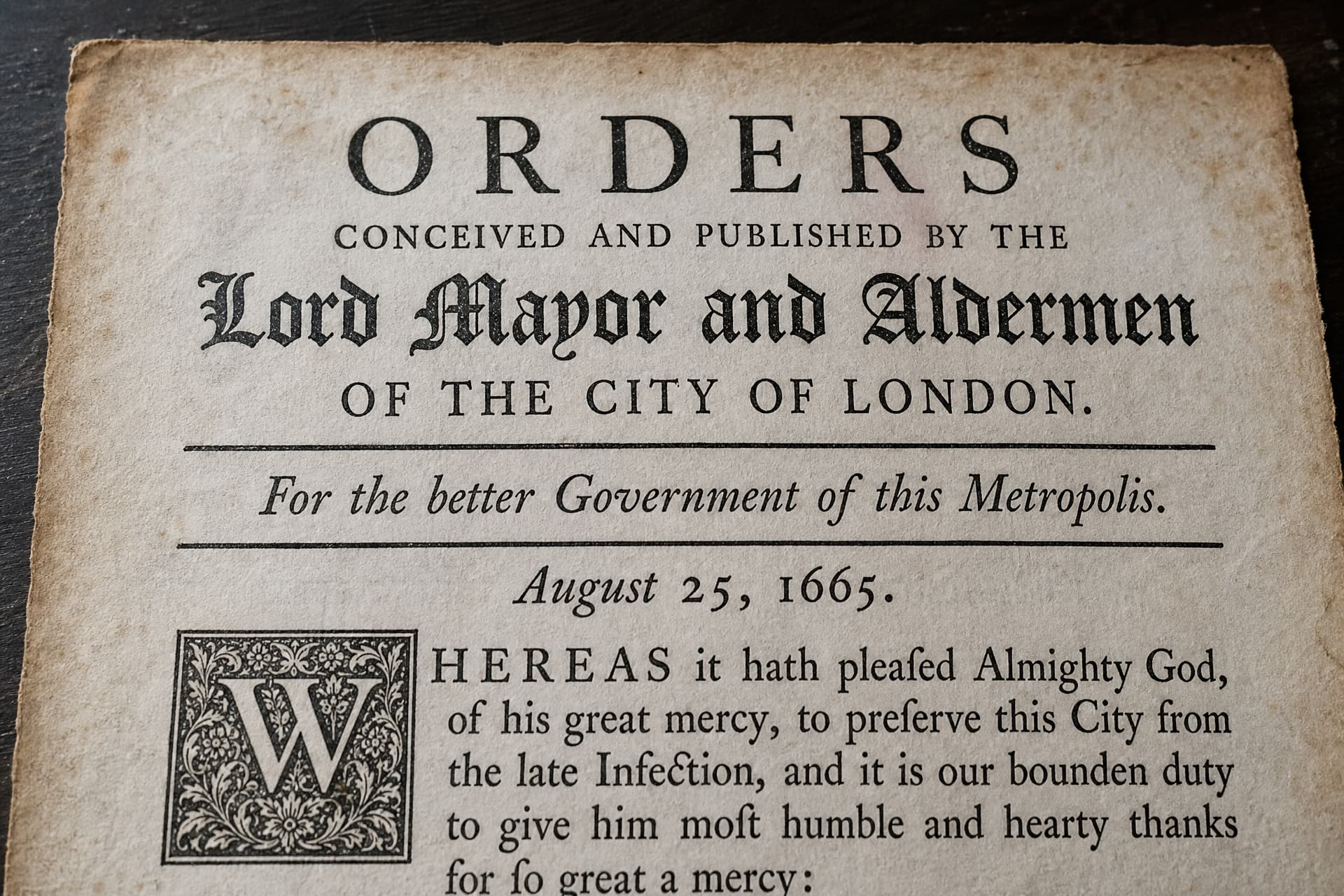
In 1665, during the Great Plague, the Lord Mayor and Aldermen of the City of London issued a set of orders governing how the city was to handle the outbreak. Among the provisions on burial was a requirement that graves be at least six feet deep.
That is the source. A plague order, in one city, in one year, addressing one emergency.
The document the number comes from. It was issued during the Great Plague, it was reasoning from miasma rather than from germ theory, and it outlived both the epidemic and the theory.
The reasoning behind it belonged to its era. Disease was understood in terms of miasma — bad air rising from corrupted matter — so depth was a barrier against exhalations from the dead. The germ theory that would have explained what was actually happening was two centuries away. The order was wrong about the mechanism and reasonable about the response.
What is remarkable is the survival of the number. It outlived the epidemic, the theory that produced it, and the jurisdiction that issued it, and it crossed the Atlantic to become a rule of thumb in a country that never enacted it.
One plague order, in one city, in one year, against what graves are actually dug to today.
The Other Reasons People Give
Several explanations circulate. Most are real concerns that depth genuinely addresses — they just are not where the figure came from.
Animals. Scavengers digging down to a burial is a real historical problem and a real argument for adequate cover. It argues for two feet of soil, not six.
Plowing. In rural burial grounds that might later be worked as farmland, depth kept graves below the plow line. Again, this is an argument for enough depth rather than for this depth.
Body snatching. From the eighteenth century into the nineteenth, anatomy schools in Britain and the United States bought bodies from men who dug them up, and the trade was extensive enough to produce countermeasures — iron mortsafes, watch towers, hired guards, and deeper graves. This is the most persuasive of the retrofitted explanations, because depth genuinely defeats a man working at night with a spade. But it postdates the 1665 order by a century.
Frost. In cold regions, burial below the frost line avoids heaving. That depth varies by climate and has nothing to do with six.
The smell. Blunt, and historically the most immediate concern of all in crowded urban churchyards. The overcrowding that produced it is also what drove burial out of the churchyard entirely and created the modern cemetery.
Why Modern Graves Are Shallower
Four practical reasons, all of which push the other way.
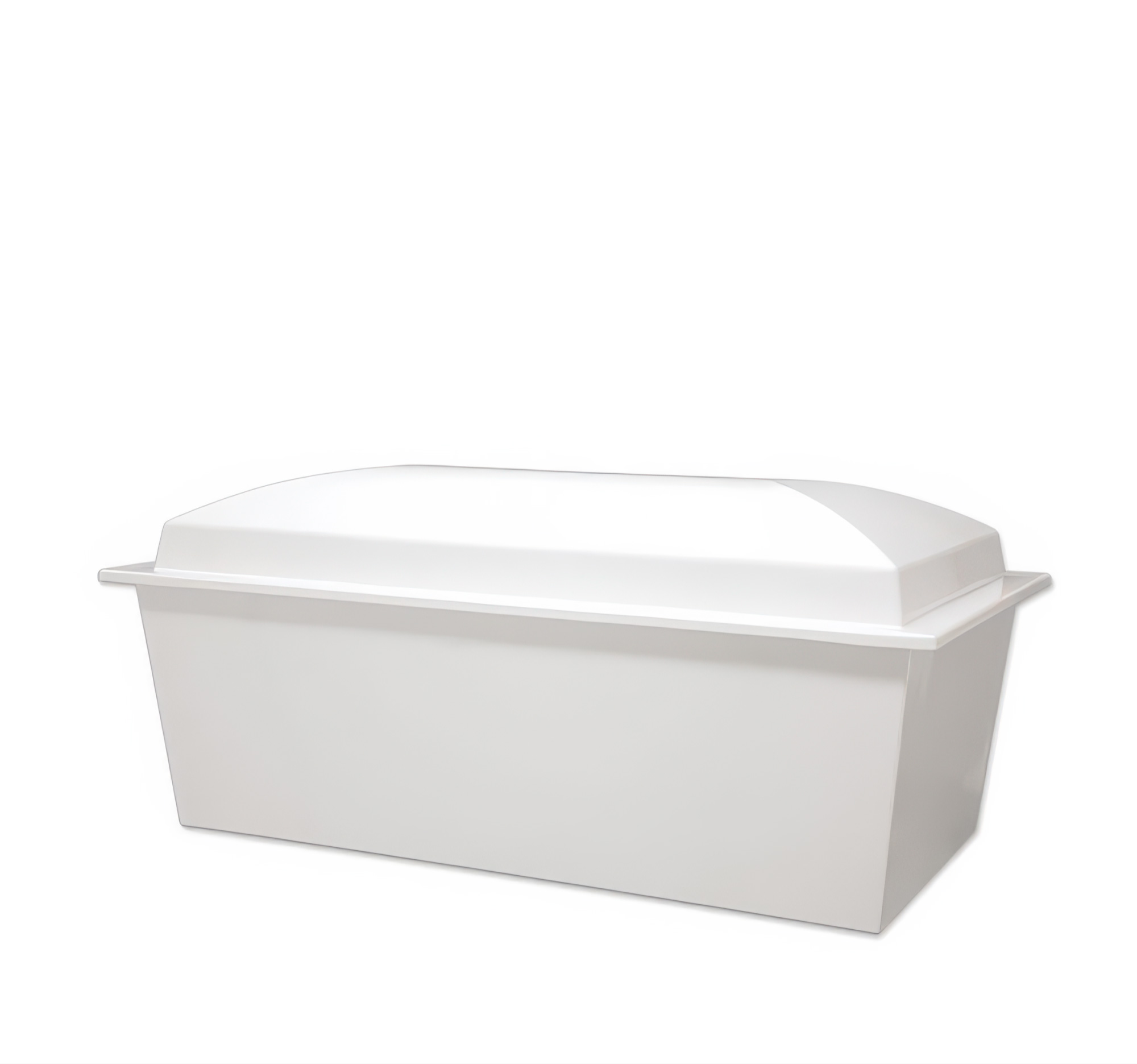
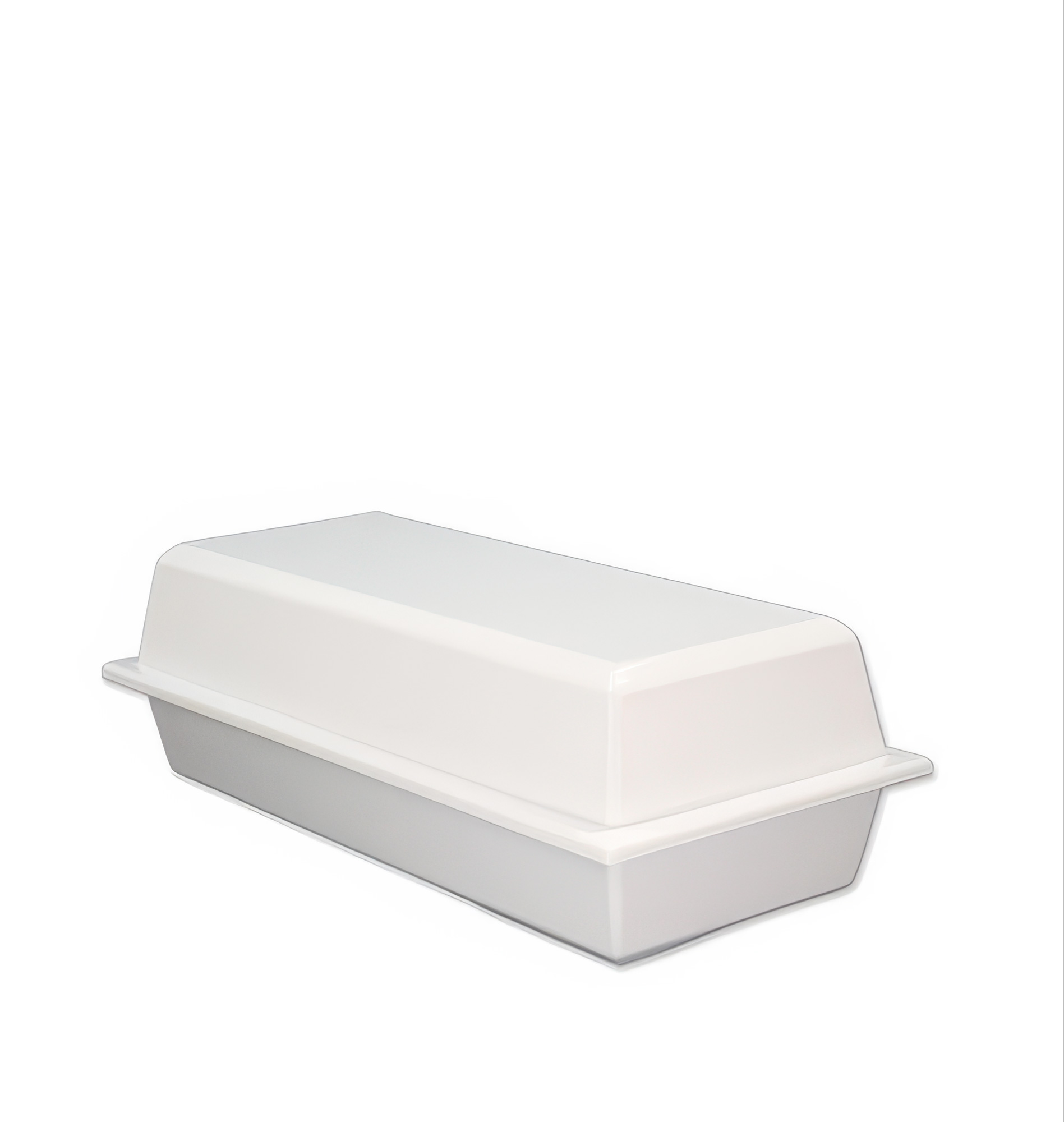
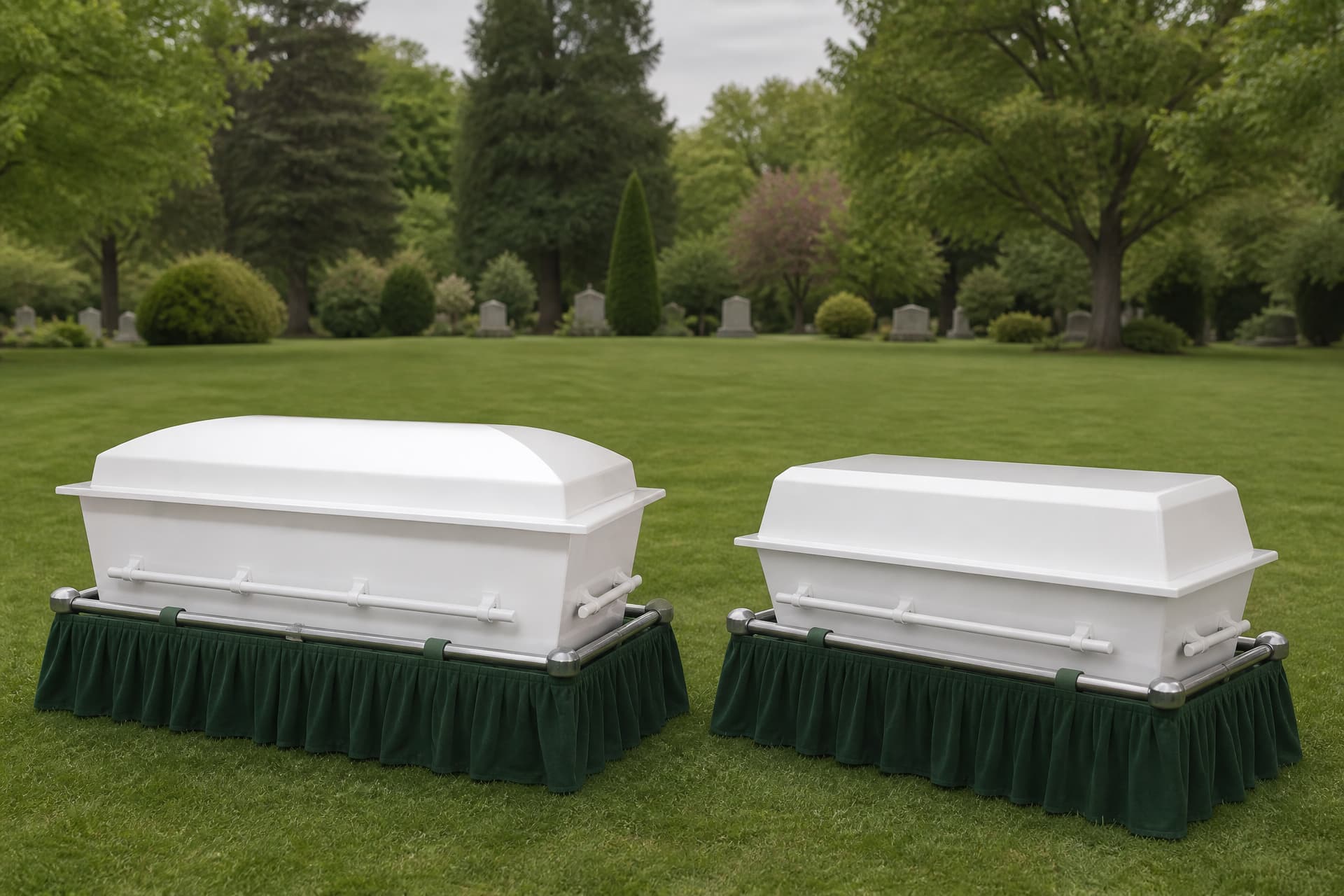
The outer burial container did the job instead. Most cemeteries require a concrete vault or grave liner, which prevents the ground from collapsing as the casket degrades. That is what keeps the surface stable and level for mowing — and it was the original function depth was serving. Our guide to what a burial vault is covers why they became standard, and our range of burial vaults covers the formats.
The outer burial container is what actually keeps the ground level as a casket degrades. It is the reason depth stopped having to do that job. <p><em>Products from left to right: <a href="https://www.memorials.com/catalog/caskets/burial-vaults/dignity-casket-vault">Dignity Casket Vault</a> and <a href="https://www.memorials.com/catalog/caskets/burial-vaults/eternity-casket-vault">Eternity Casket Vault</a>.</em></p>
Excavation costs money. Every additional foot is more time, more spoil to manage, and more risk to the crew. Cemeteries dig to the specification and no deeper.
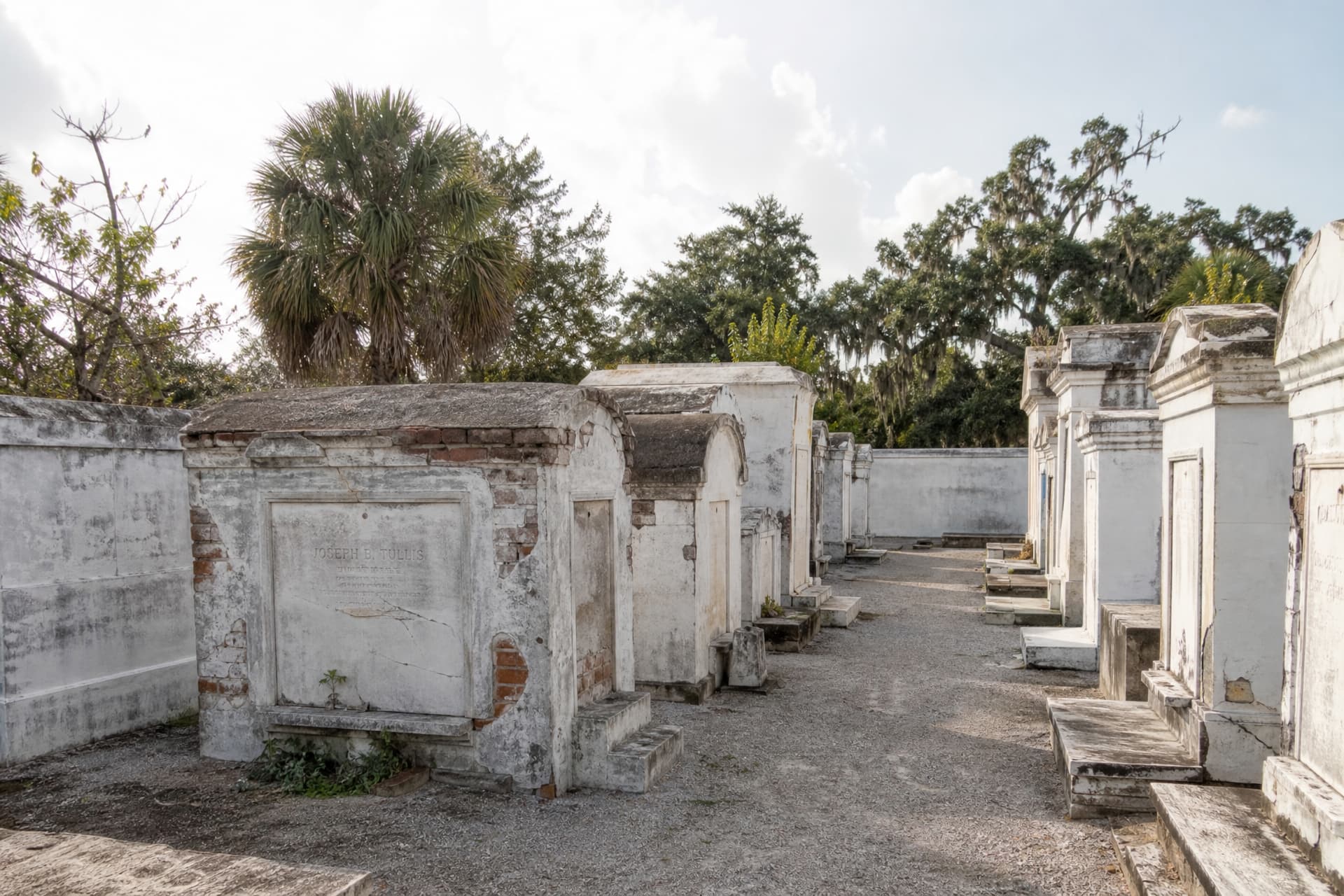
The water table. In much of the country, six feet is wet. Coastal Louisiana's above-ground tombs are the extreme case, but high water tables constrain depth across large areas — and a grave that fills with water is not a theoretical problem. Cemeteries in those regions either dig shallower, build up, or go above ground entirely.
Decomposition slows with depth. Soil life is concentrated in the upper layers. A deeper burial is a slower one, which is why natural burial deliberately goes the other way — commonly three to four feet, to keep remains in the aerobic zone. Our guide to green burials covers the practice.
Where Six Feet Is Genuinely Used
One case, and it is the reason the number survives in the trade at all.
A double-depth grave is dug deep enough to take two caskets, one above the other, with the first interment at the bottom and the second placed above it years later. That first excavation runs somewhere around seven to eight feet, so the first casket really does sit at roughly six feet of depth or more.
Double-depth plots are common where ground is expensive, because two interments share one plot. It has to be decided when the plot is purchased — you cannot deepen an occupied grave. Our guide to how to buy a cemetery plot covers the question, and cemetery plot cost covers what the arrangement saves.
The Phrase Outlived the Practice
"Six feet under" entered English as a euphemism for being dead and has been carried along by songs, films and a well-known television series. Idioms do not update themselves when the practice behind them changes, and this one stopped describing reality a long time ago.
It is a good example of something that happens repeatedly in funeral custom: a practical measure becomes a number, the number becomes a phrase, and the phrase outlasts the reason. The same process gave us graves facing east, which began as a sun-orientation practice, acquired a Christian meaning, and now survives mostly in grounds laid out before anyone had to think about it.
What Determines Depth Where You Are
If you need the actual answer for a specific burial, it comes from three places rather than from any general rule.
State law, where it exists, usually setting a minimum earth cover rather than a total depth
County or municipal rules, which are frequently stricter and which govern home burial in particular
The cemetery's own specification, which is the one that will actually be followed, and which accounts for its water table, soil and equipment
Ask the cemetery. It is the only party that knows what it digs and why, and the answer will be a real number rather than a folk one.
How Deep Other Traditions Go
The six-foot figure is an English-speaking habit, and setting it beside other practices makes clear how arbitrary it is.
Jewish burial favors prompt interment in a simple wooden casket or shroud, with depth set by local law rather than by religious requirement. The emphasis is on returning the body to the earth without obstruction, which argues against a sealed vault rather than for any particular depth.
Muslim burial places the body on its right side facing Mecca, in a grave deep enough to prevent disturbance and to contain odor — described in traditional sources in terms of function rather than as a measurement.
Natural and green burial deliberately goes shallower, typically three to four feet, to keep remains within the biologically active upper soil. The reasoning is the exact inverse of the plague logic: contact with soil life is the point rather than the hazard.
Where the water table makes the question moot. Burial below ground is not an option here, so the tombs are built on top of it.
Above-ground entombment avoids the question entirely. In high-water-table regions, and across much of southern Europe and Latin America, the mausoleum and the wall tomb are the norm rather than the exception. Our guide to what a mausoleum is covers the structures.
Historic churchyards were often far shallower than any of these, and reused. Ground that had taken burials for eight hundred years was dug over repeatedly, which is why old churchyards sit noticeably higher than the land around them. Our guide to types of old gravestones covers what survives above that ground.
What Depth Means for the Memorial
There is one practical consequence of all this that touches a decision families actually make.
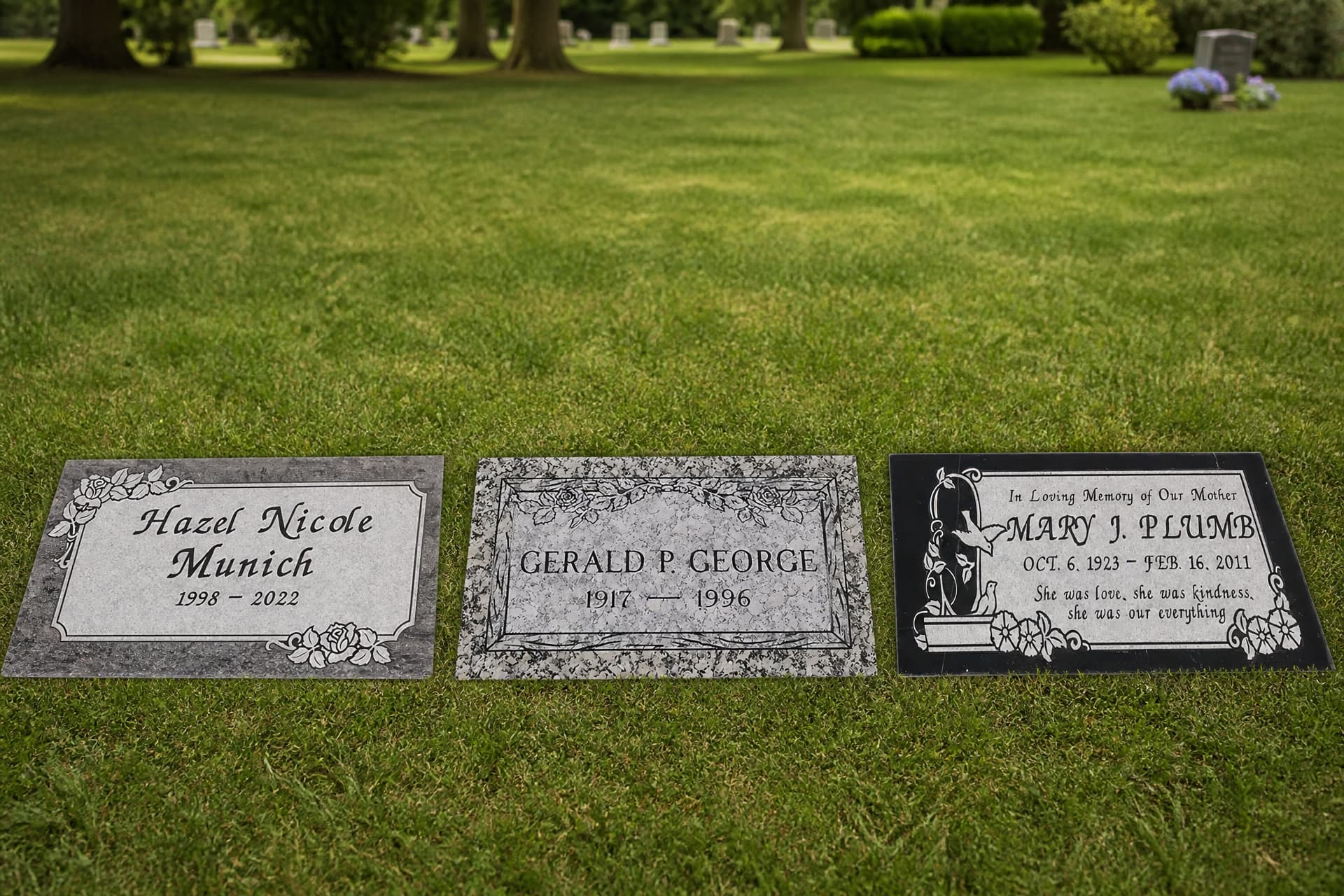
Depth affects settling. A deeper excavation means more backfill, more compaction over the following months, and a longer wait before the ground is stable enough to carry a monument. That is the real reason a marker is often not set for several months after a burial, and it is why cemeteries return more than once to top up the surface.
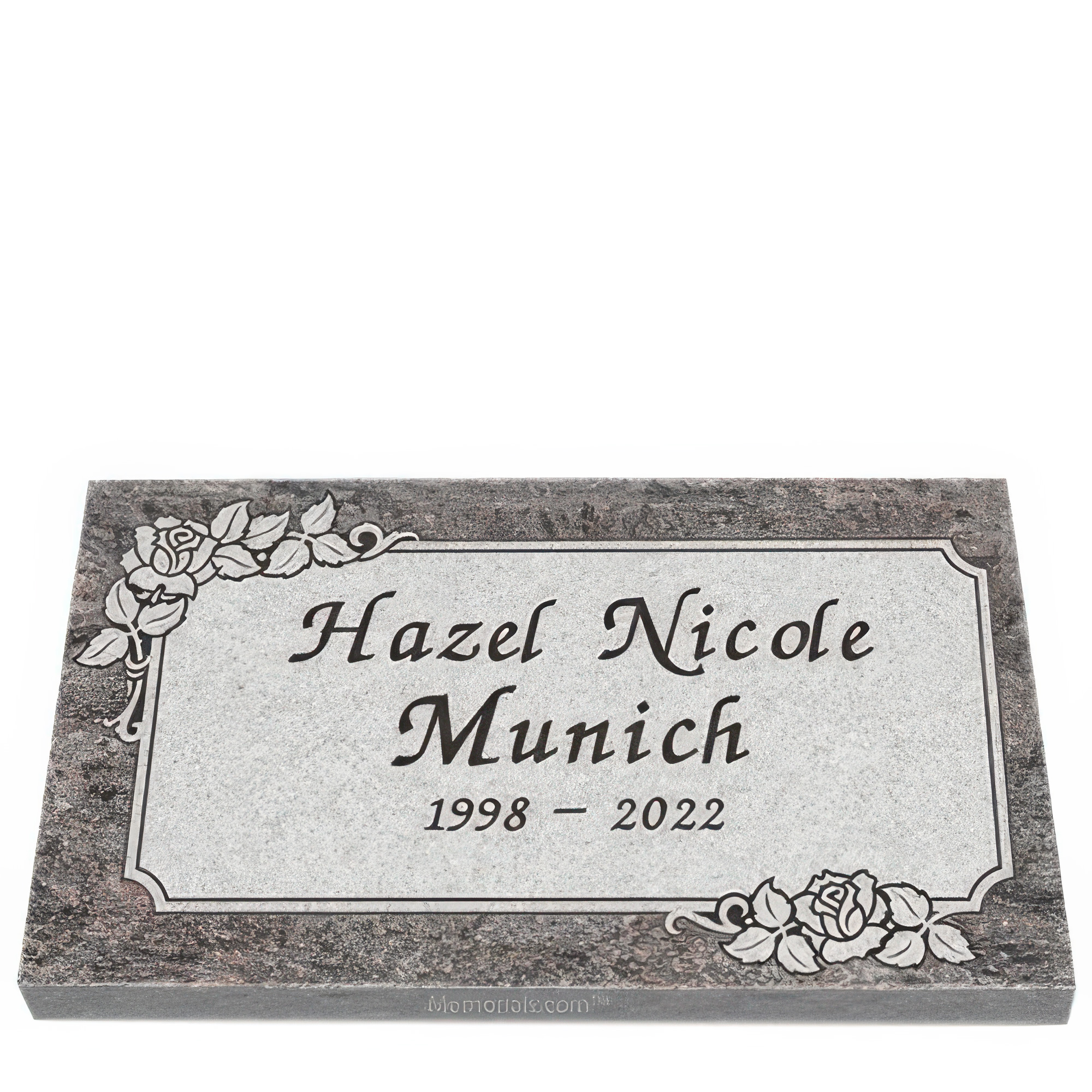
A heavy upright monument needs settled ground and a poured foundation; a flush marker is more forgiving and can usually be set sooner. If the timing matters to a family — an anniversary, a relative traveling from a distance — it is worth asking the cemetery when the ground will take a memorial before choosing the format. Our range of grave markers covers both, and our cemetery maintenance guide covers the first year while the ground finds its level.
Is six feet deep a legal requirement anywhere? Not as a general rule in the United States. Regulations typically specify minimum soil cover over the casket — often 18 to 24 inches — rather than a total grave depth.
How deep is a standard grave? Around four to five feet for a single interment with a vault. Double-depth graves run seven to eight feet, and cremation interments are typically about three feet.
Why do people still say six feet under? Because it is an idiom rather than a measurement. It comes from a 1665 London plague order and has survived in language long after it stopped describing how graves are dug.
Does a deeper grave decompose more slowly? Yes. Soil organisms are concentrated near the surface, so deeper burials break down more slowly. Natural burial uses shallower graves deliberately for this reason.
Can a grave be too shallow? Yes, and this is what regulations actually address. Insufficient cover risks disturbance by animals, equipment and erosion, which is the real hazard rather than the folk number.
How deep is a cremation burial? Usually around three feet, in a much smaller excavation. Several urns frequently share a single plot.
The Question Underneath the Question
People rarely ask about grave depth out of curiosity about excavation. Usually something else is behind it.
Worry about disturbance. Whether an animal, a flood, or time itself could reach the grave. The honest answer is that a vault, not depth, is what prevents this in a modern cemetery, and that the combination of the two is why disturbance of a maintained grave is essentially unheard of.
Worry about a second burial. Whether a spouse can be added later. This is a plot question rather than a depth question, and the answer depends on whether the plot was bought as single or double-depth. Ask the cemetery, because the paperwork will say.
Unease about being underground at all. Which is a real and common feeling, and the reason above-ground entombment and cremation both exist. Nobody has to be buried, and a family that finds the idea unbearable should say so early rather than discovering it during arrangements. The alternatives — a mausoleum crypt, a columbarium niche, scattering — are all ordinary choices rather than unusual ones.
If any of these is the actual question, depth is not the thing that answers it. The cremation versus burial comparison covers the wider decision, and a cremation urn is the path most families now take instead.
A Number That Outlived Its Reason
Six feet was a sensible instruction issued during a catastrophe, based on a theory of disease that was wrong, in a city that has not enforced it for centuries. It became a phrase, the phrase became common knowledge, and common knowledge turned it into a rule that was never actually a rule.
The real answer is less memorable and more useful: graves are dug to the depth their cemetery specifies, that specification is usually about the soil above rather than the distance below, and four to five feet is what most of them come to. For everything else about the plot and what goes on it, start with our cemetery planning guide.