🏬Supersize Online Funeral Retailer🪦1000's of Headstones⚱️Over 10,000 Cremation Urns⚰️Caskets Overnight Delivery🛒Funeral & Memorial Superstore🚚FREE Shipping on ALL Orders👨👩👧👦Helping Families for over 20 Years💰Lowest Price Guarantee🏬Supersize Online Funeral Retailer🪦1000's of Headstones⚱️Over 10,000 Cremation Urns⚰️Caskets Overnight Delivery🛒Funeral & Memorial Superstore🚚FREE Shipping on ALL Orders👨👩👧👦Helping Families for over 20 Years💰Lowest Price Guarantee
🏬Supersize Online Funeral Retailer🪦1000's of Headstones⚱️Over 10,000 Cremation Urns⚰️Caskets Overnight Delivery🛒Funeral & Memorial Superstore🚚FREE Shipping on ALL Orders👨👩👧👦Helping Families for over 20 Years💰Lowest Price Guarantee🏬Supersize Online Funeral Retailer🪦1000's of Headstones⚱️Over 10,000 Cremation Urns⚰️Caskets Overnight Delivery🛒Funeral & Memorial Superstore🚚FREE Shipping on ALL Orders👨👩👧👦Helping Families for over 20 Years💰Lowest Price Guarantee
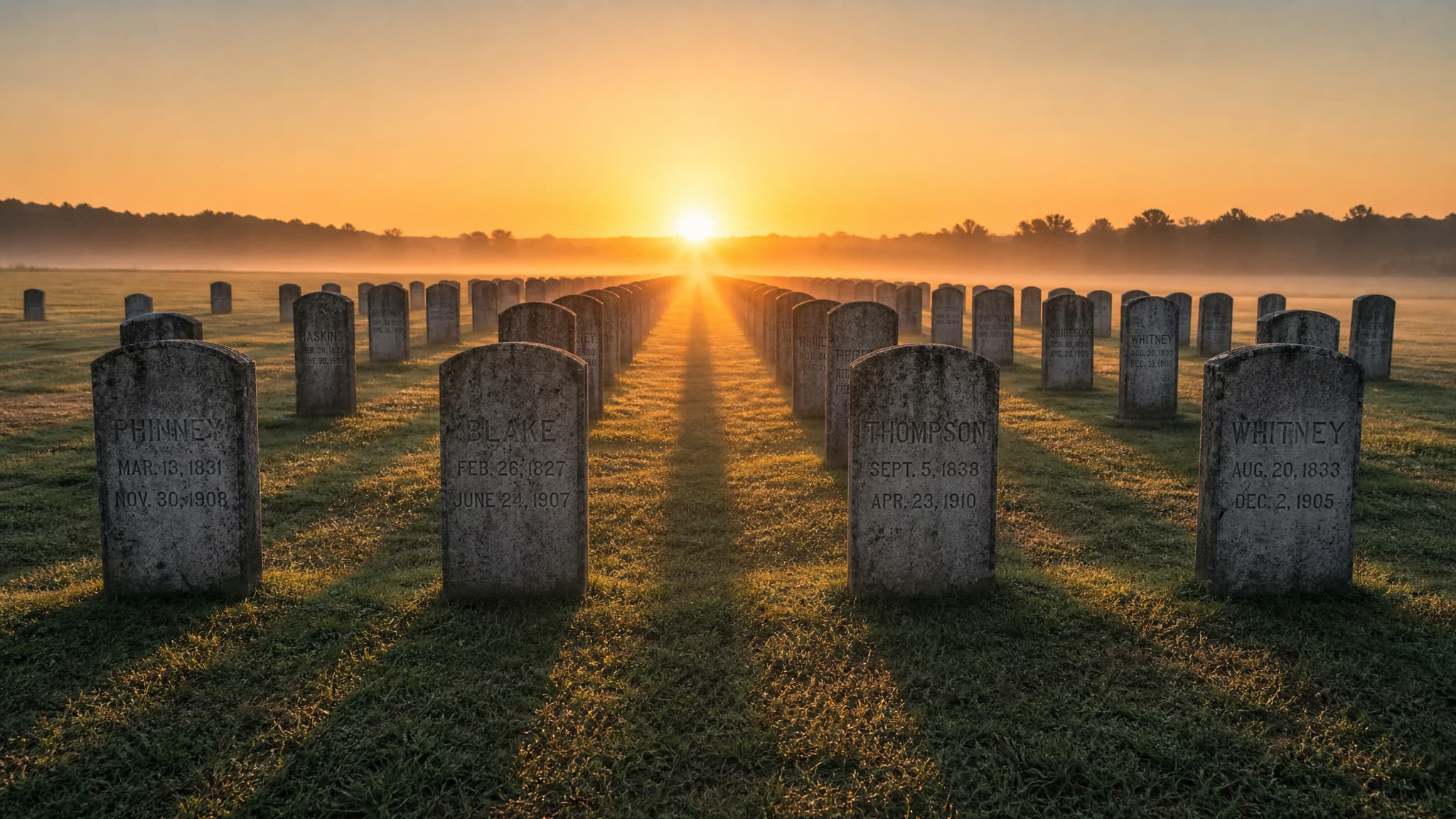
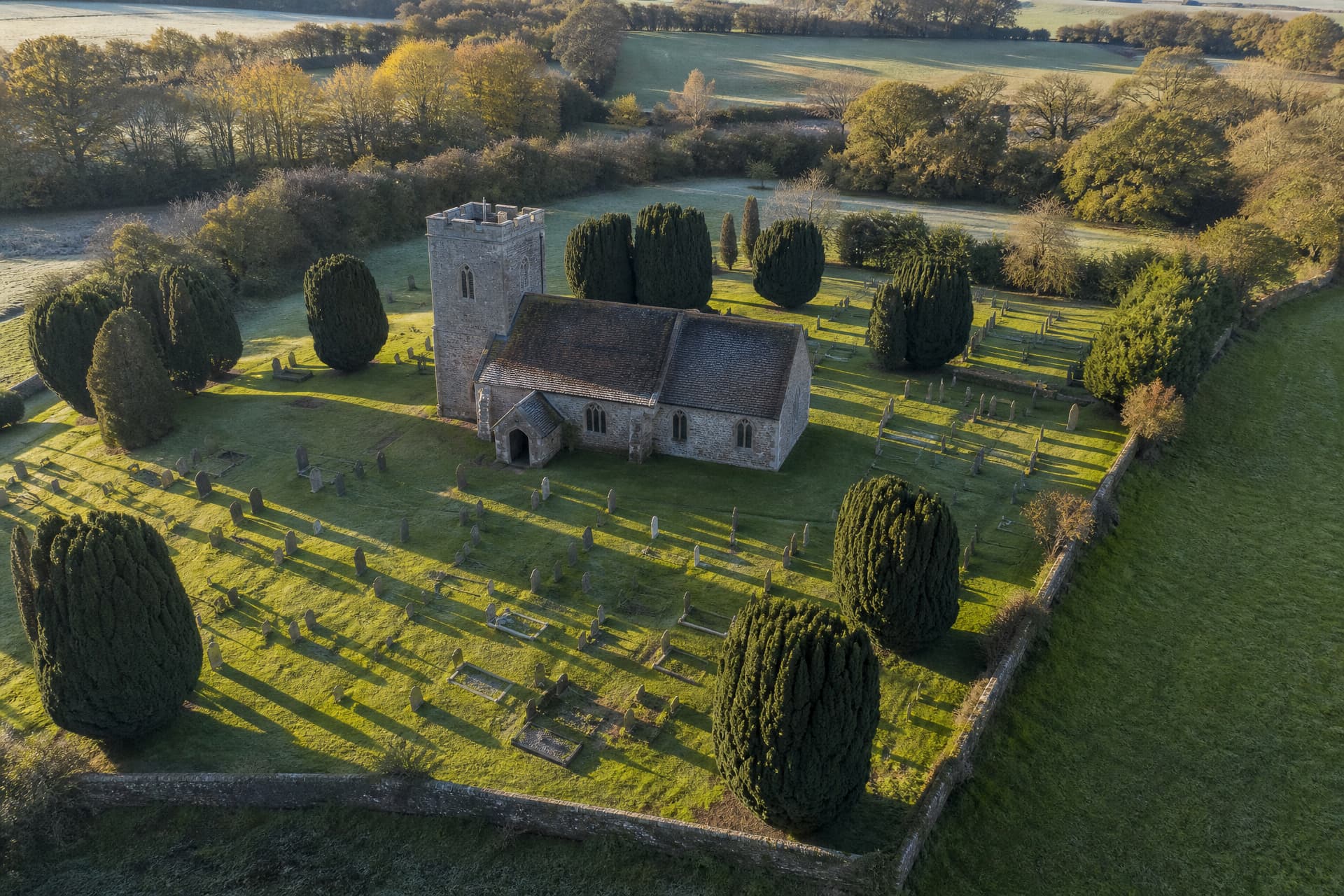
Stand at the edge of almost any old churchyard in Britain, Europe or the eastern United States and you will notice that the graves are not arranged at random. They run in ranks, all pointing the same way, and if you check a compass you will usually find that way is east. The pattern is consistent enough across centuries and countries that it is clearly a rule rather than a habit, which raises the obvious question: why do graves face east, and does the rule still apply?
The short answer is that the orientation is far older than the cemeteries that use it, that the reason usually given is only part of the story, and that in most modern cemeteries the decision has quietly passed from theology to groundskeeping.
What "Facing East" Actually Describes
Before the reasons, a point of definition that causes most of the confusion on this subject.
When people ask what direction are people buried, they are asking about the body, not the monument. In the traditional layout the body is placed with the head at the western end of the grave and the feet at the eastern end. Someone lying that way, if they sat up, would be looking east. That is what an east-facing grave means.
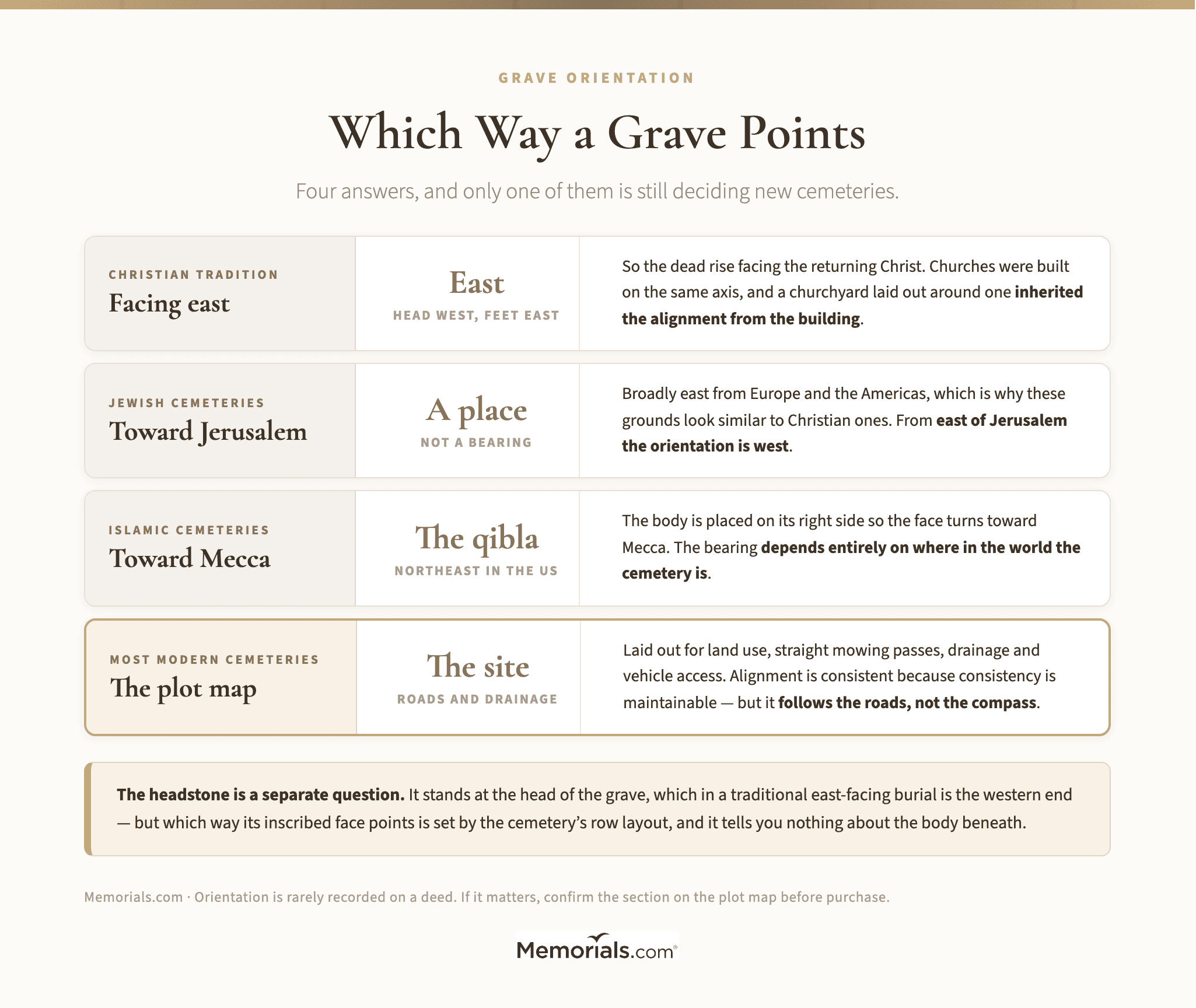
The headstone is a separate question. It stands at the head of the grave, which puts it at the western end, and which way its inscribed face points is decided by the cemetery's row layout rather than by the tradition. In some burial grounds the inscription faces east, back along the length of the grave. In others it faces west, so that it can be read from the path. Both arrangements are common, and neither tells you anything about how the body beneath is oriented.
So if you are asking which way should a headstone face, the honest answer is that the cemetery decides. Rows are laid out so that monuments present a consistent face to the visitor, and your marker will be set to match its neighbors. It is worth confirming when you buy, and our guide to how to buy a cemetery plot covers the questions that are worth asking before the purchase rather than after it.
Shop Headstones and Grave Markers
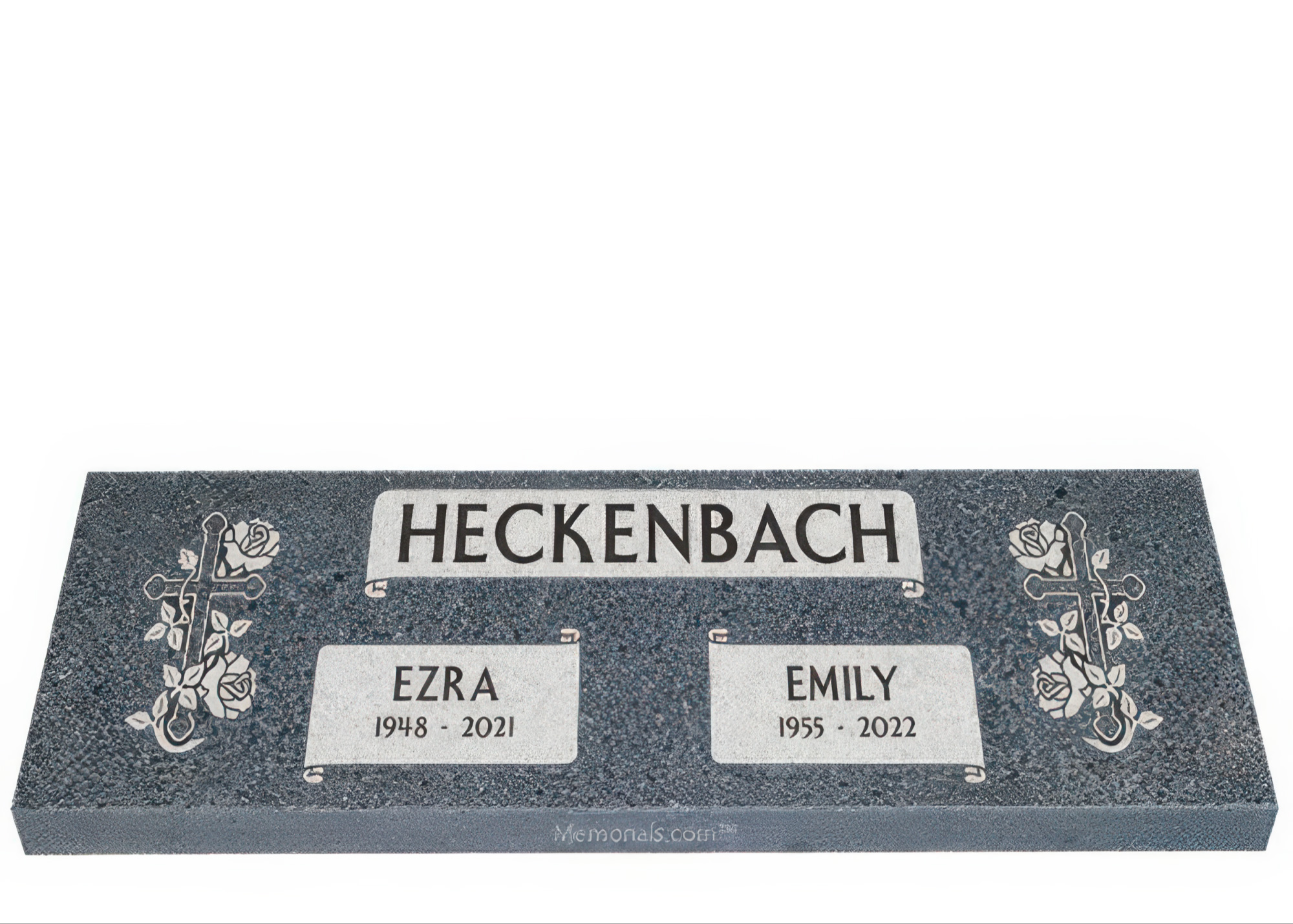
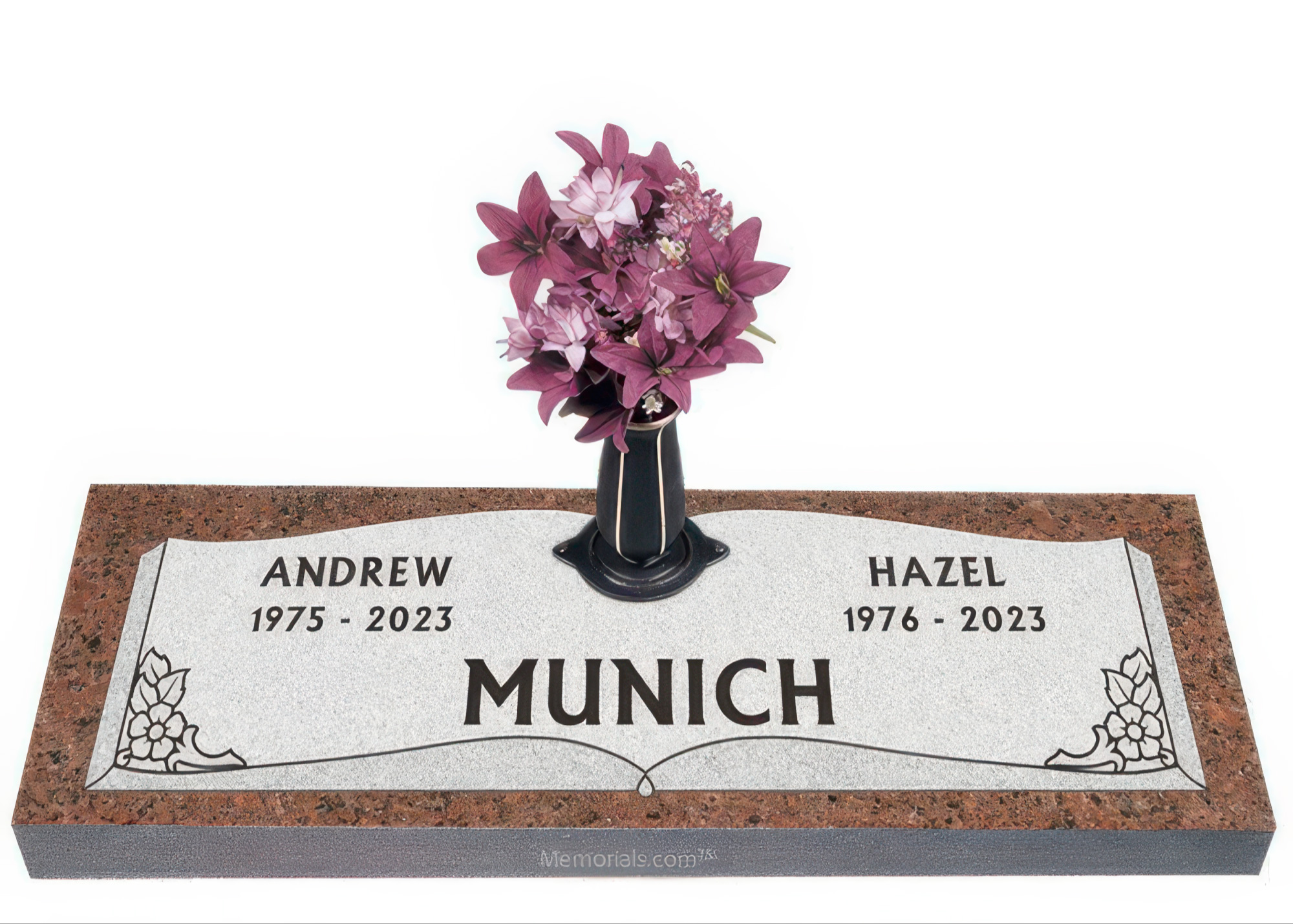
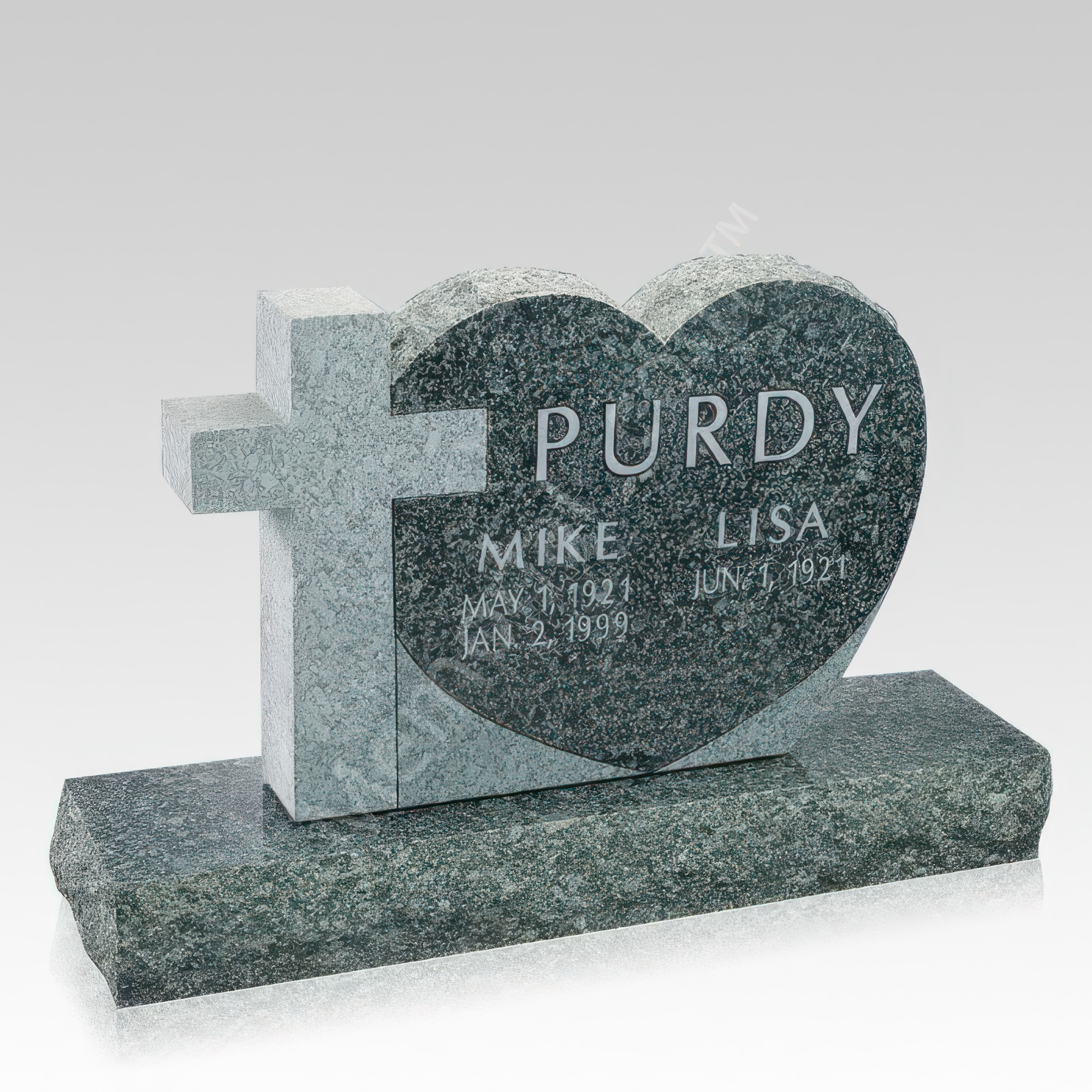
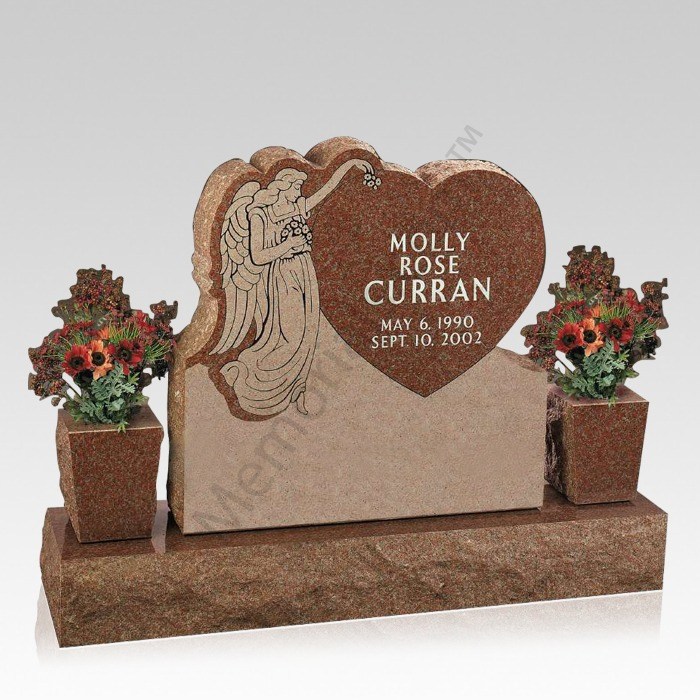
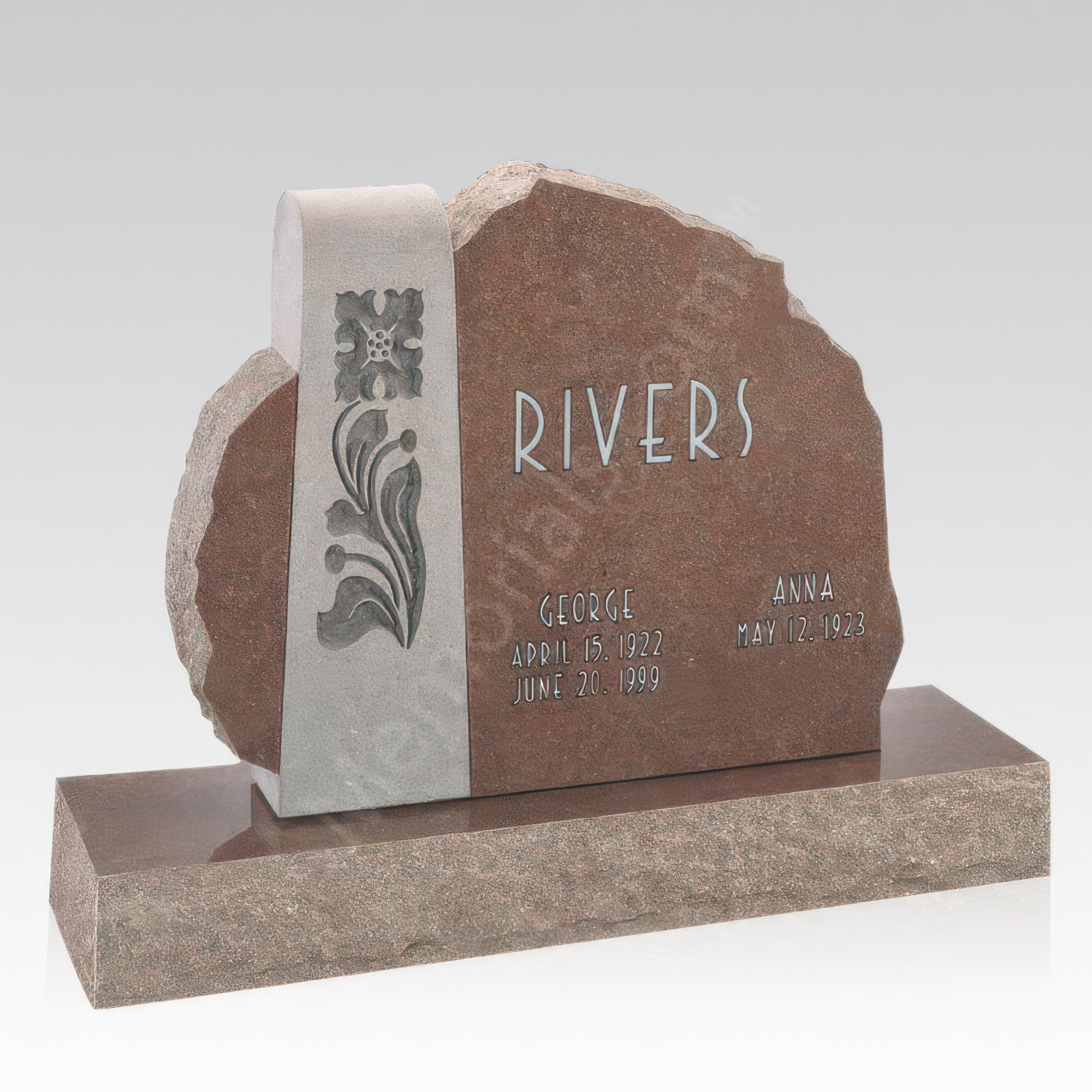
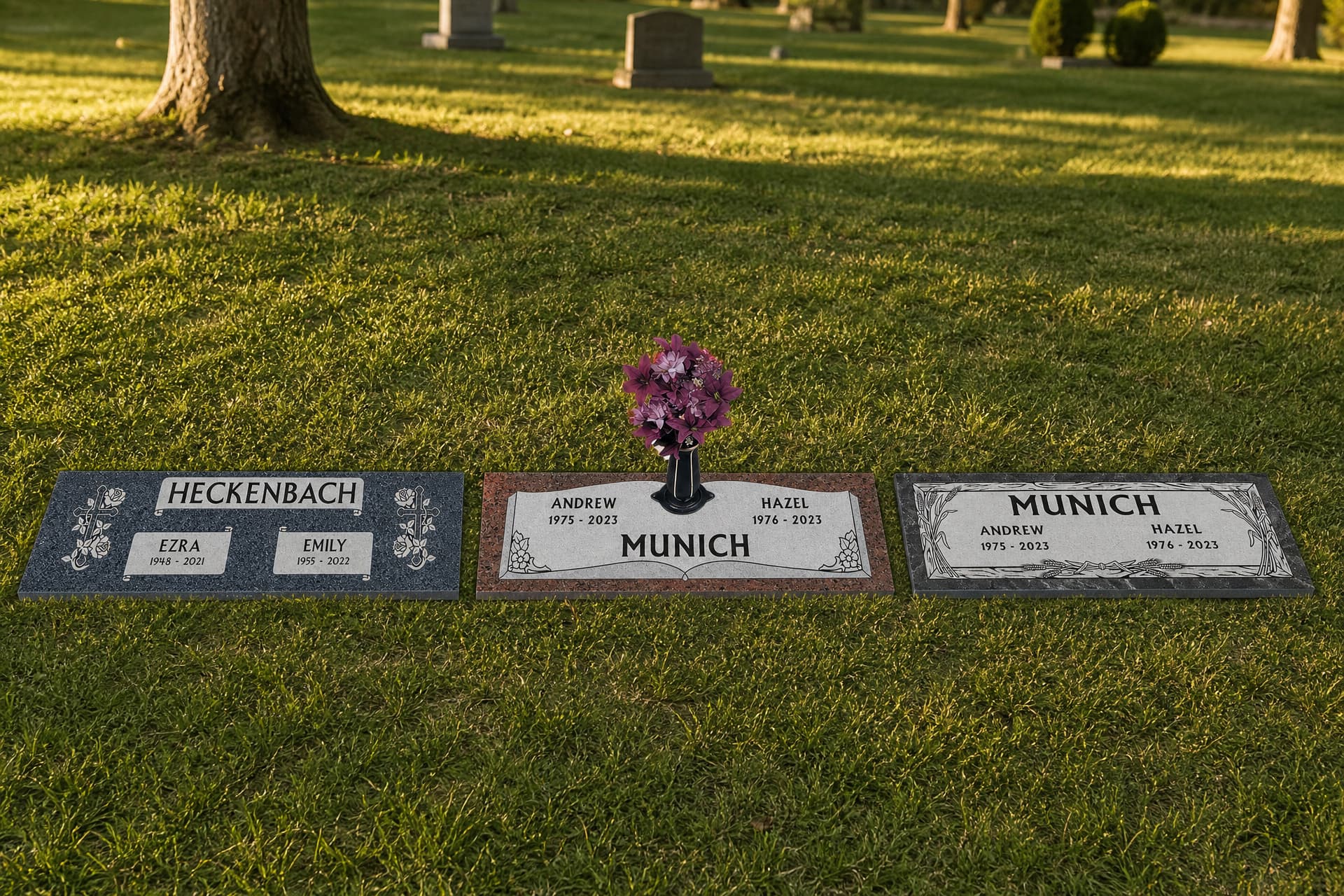
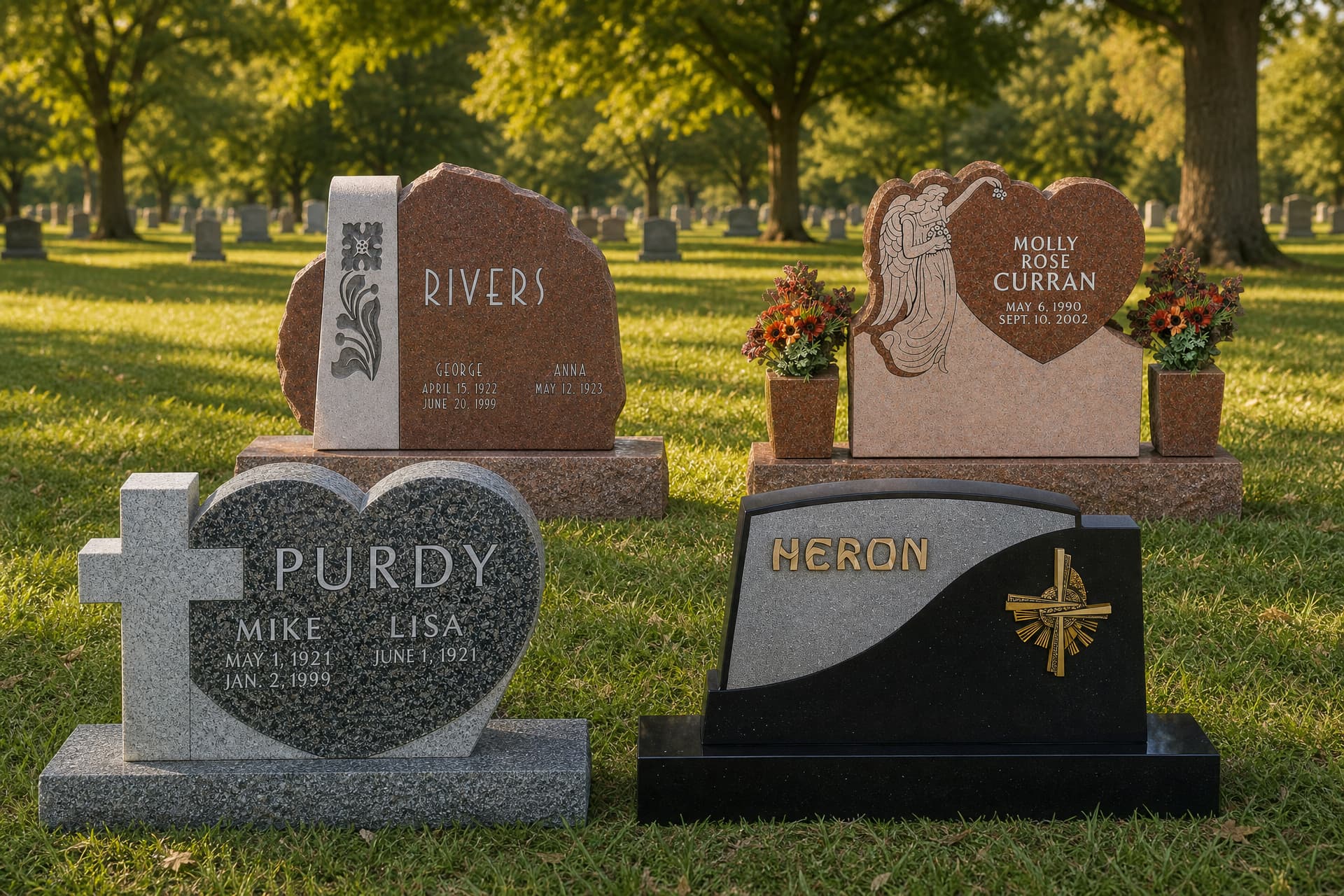
Upright monuments and flush companion markers in granite
The reason most often given is a specific one, and it is genuinely the reason the practice became near universal in Christian Europe.
Christian tradition holds that Christ will return from the east, and that at the resurrection the dead will rise to meet him. A body buried facing east rises already facing the right way. The idea appears in commentary from the early centuries of the church onward, and by the medieval period east-facing burial was simply how Christian burial was done, embedded so deeply that it needed no justification.
Church architecture reinforced it. Churches themselves were oriented on the same axis, with the altar at the east end, so a churchyard laid out around the building inherited the alignment from the building. The word orientation comes from the same root: to orient something originally meant to point it east.
This is why the pattern is so reliable in old burial grounds and so much less reliable in new ones. The old ones were laid out around a church that was already pointing east.
The graves did not choose this alignment. The church did, and the churchyard inherited it from the building.
Our guide to types of old gravestones covers the wider design vocabulary that developed in those same churchyards.
It Is Older Than Christianity
The Christian explanation is accurate, but treating it as the origin is a mistake, and a common one.
East-facing burial predates Christianity substantially. Sun-oriented graves appear in pre-Christian burial sites across Europe and in much older cultures elsewhere, and the underlying logic is not hard to reconstruct: the sun rises in the east, sunrise is the daily reappearance of light after darkness, and a body laid to face that point is laid to face the return of light. Christianity absorbed a practice already in place and gave it a new and more specific meaning.
That layering is common in funerary custom generally, where practical or symbolic behavior tends to arrive first and its explanation second. Our funeral traditions guide covers a number of customs that followed the same path.
Why Do Some Graves Face West?
The exceptions are more interesting than the rule, and there are several. If you have spotted a reversed grave and want to know why do some graves face west, there are four explanations worth checking before you settle on one.
Clergy. The most frequently cited exception is that priests and ministers were sometimes buried the other way around, head to the east and feet to the west. The explanation attached to it is that a clergyman should rise facing his congregation, as he faced them in life. This is well established in churchyard tradition, although how consistently it was actually practiced varies a great deal by region and period, and it should not be relied on to identify a grave.
Jewish cemeteries. Jewish burial practice orients graves toward Jerusalem. In Europe and the Americas that direction is broadly east, which is why Jewish cemeteries in the West look superficially similar to Christian ones, but the reference point is a place rather than a compass bearing. In a Jewish cemetery east of Jerusalem the orientation is west. Our guide to the Jewish burial shroud covers more of the tradition's burial requirements.
Islamic cemeteries. Muslim graves are oriented toward Mecca, with the body placed on its right side so the face turns toward the qibla. The bearing therefore depends entirely on where in the world the cemetery is, and in North America it is generally northeast rather than east.
Cemeteries that simply could not. A burial ground constrained by a hillside, a river, a road or a property line is laid out to fit the land. Terrain has overruled tradition for as long as both have existed.
So when people ask do all graves face east, the answer is no, and the exceptions are numerous enough that orientation alone is weak evidence of anything about a particular grave.
Four answers to the same question, and only the last one is still deciding how new cemeteries get laid out.
What Decides Orientation in a Modern Cemetery
In a cemetery opened in the last century, the question of which direction do graves face is usually answered by the plot map rather than by any tradition at all.
Modern cemetery design optimizes for a different set of things: efficient use of land, straight rows that can be mowed in long passes, adequate drainage, road access for equipment, and a layout that can be recorded accurately and found again decades later. Those constraints produce consistent alignment, because consistency is what makes a cemetery maintainable, but the alignment follows the roads and the contours rather than the compass. The same constraints shaped the monuments as well as the rows. Sections opened in the last century are dominated by markers set level with the turf, which is why most of the granite headstones sold for them are flush rather than upright: a mower passes straight over them.
The result is that many modern cemeteries do happen to have east-facing sections and are not doing it on purpose. Others are aligned entirely to the site. If the orientation of a plot matters to you for religious reasons, it is something to ask about specifically rather than assume, and some cemeteries maintain dedicated sections for faiths with directional requirements. Our overview of types of cemeteries covers how different kinds of burial ground are organized and governed.
There is a straightforward way to check any cemetery yourself before you ask anybody. Open a satellite map of the grounds and look at the rows. If the ranks of markers run north to south, the graves they mark run east to west and the section is oriented in the traditional way. If the rows follow the curve of a road or the line of a slope, the cemetery is laid out to the site and orientation was not a consideration. A single cemetery often shows both, with an older section squared to the compass and later expansions bending to fit whatever land was available. That difference is usually visible at a glance and it tells you roughly when each section was opened.
Two sections of one cemetery, meeting at a road. The rigid ranks on one side were squared to the compass; the curve on the other was laid out to fit the land.
One more thing worth knowing if you are buying rather than visiting. Orientation is not normally recorded on a deed, and staff turnover means the person selling you a plot today may not know why a section was laid out the way it was. If the answer matters, ask to see the section on the plot map and confirm the bearing yourself rather than relying on a description.
Military and National Cemeteries
Veterans' cemeteries are the most uniformly aligned burial grounds most people will ever walk through, and the uniformity is the point rather than a byproduct.
In national cemeteries the markers are identical in size and material and set in precisely surveyed rows, so that the rows read as ranks from any angle. That visual discipline is a form of honor, and it overrides individual choice entirely: the direction a section faces is a decision about the design of the cemetery, not about any individual grave. The result is that asking which way do graves face in a national cemetery has a definite answer for the whole section and no answer at all for one plot within it.
Families burying a veteran in a private cemetery have more latitude, including over the marker itself. Our comparison of veteran grave marker options covers the choice between a government-furnished marker and a purchased one, and our range of military grave markers for veterans covers the privately purchased bronze formats.
Reading Orientation in an Old Cemetery
If you visit old burial grounds, orientation is a genuinely useful piece of evidence, as long as you do not ask it to prove too much.
A consistent east-facing layout suggests a churchyard or an early cemetery working within Christian convention, and it is almost always a ground of upright headstones, because the flush marker had not been invented when those rows were laid out.
A grave conspicuously reversed within an otherwise consistent section is worth noting, though the clergy explanation is one possibility among several and disturbance, reuse or a simple error account for many of them. A section aligned to a road rather than to the compass usually indicates a later expansion of an older ground.
Photographing them has a practical wrinkle that follows directly from all this. In an east-facing churchyard every inscription is lit from the same side at the same time of day, which means there is one good hour for the whole ground and the rest of the day is flat or backlit. Our cemetery photography guide covers working with that, and the same light that makes photographs difficult is what makes weathered lettering readable.
Whatever you are looking at, the usual courtesies apply, and our notes on cemetery etiquette cover them.
Frequently Asked Questions
Why do tombstones face east in old churchyards? Usually because the church they were built around faced east, and the graves inherited the alignment. Whether the inscribed face points east or west varies, and is a matter of how the rows were laid out for visitors.
What direction are bodies buried in the Christian tradition? Head at the west, feet at the east, so the deceased faces east. The tradition connects this to the belief that Christ will return from the east.
Can I request a particular orientation for a grave? Sometimes, but rarely in a modern cemetery, where sections are laid out as a whole. Cemeteries serving faiths with directional requirements often maintain dedicated sections. Ask before purchasing the plot, not afterward.
Does the direction affect where the headstone goes? The headstone goes at the head of the grave, which in a traditional east-facing burial is the western end. Which way the inscription faces is set by the cemetery's layout so that the row presents a consistent face.
Is east-facing burial required by any church today? Not generally. Most denominations treat it as a respected tradition rather than a requirement, which is part of why modern cemeteries have been able to abandon it without controversy.
Do cremation burials follow the same orientation? Where a cemetery aligns its sections, urn plots are aligned with them. With no body to orient, the tradition has no real subject, and the alignment is purely a matter of the cemetery's layout.
An Old Rule, Quietly Retired
East-facing burial began as a way of pointing the dead toward the sunrise, acquired a specific theology over the course of a thousand years of Christian practice, and has spent the last century being replaced by drainage plans and mowing lines. It survives most visibly in the places that were laid out before anyone had to think about it.
If you are choosing a memorial rather than reading one, the decisions that actually matter are material, format and inscription, and our range of headstones covers the formats available. For the full set of choices, start with our complete guide to buying a headstone.