🏬Supersize Online Funeral Retailer🪦1000's of Headstones⚱️Over 10,000 Cremation Urns⚰️Caskets Overnight Delivery🛒Funeral & Memorial Superstore🚚FREE Shipping on ALL Orders👨👩👧👦Helping Families for over 20 Years💰Lowest Price Guarantee🏬Supersize Online Funeral Retailer🪦1000's of Headstones⚱️Over 10,000 Cremation Urns⚰️Caskets Overnight Delivery🛒Funeral & Memorial Superstore🚚FREE Shipping on ALL Orders👨👩👧👦Helping Families for over 20 Years💰Lowest Price Guarantee
🏬Supersize Online Funeral Retailer🪦1000's of Headstones⚱️Over 10,000 Cremation Urns⚰️Caskets Overnight Delivery🛒Funeral & Memorial Superstore🚚FREE Shipping on ALL Orders👨👩👧👦Helping Families for over 20 Years💰Lowest Price Guarantee🏬Supersize Online Funeral Retailer🪦1000's of Headstones⚱️Over 10,000 Cremation Urns⚰️Caskets Overnight Delivery🛒Funeral & Memorial Superstore🚚FREE Shipping on ALL Orders👨👩👧👦Helping Families for over 20 Years💰Lowest Price Guarantee
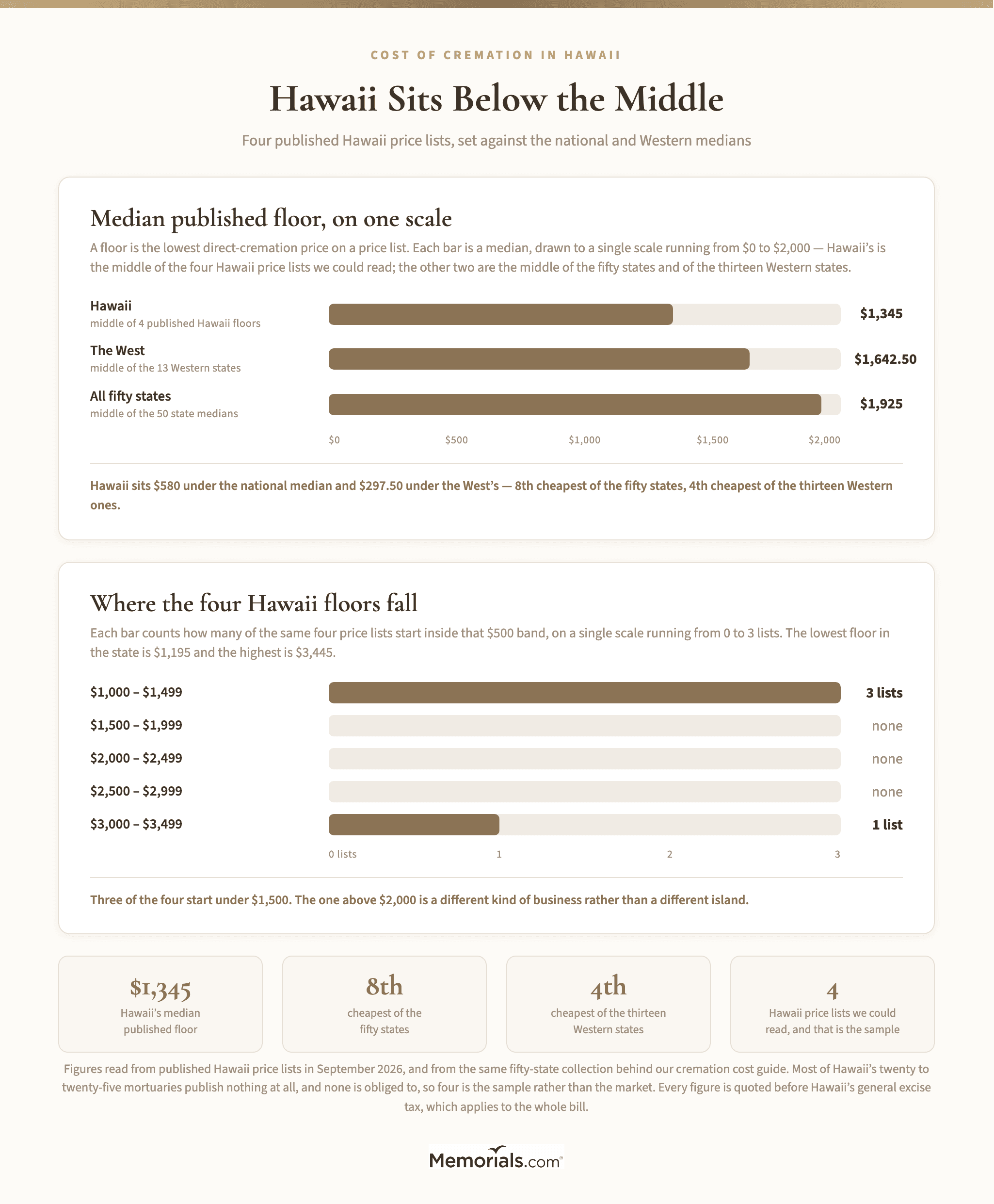
The cost of cremation in Hawaii starts between $1,195 and $3,445, and the middle figure is $1,345 — from four published Hawaii price lists, documents the mortuaries put out themselves rather than an average borrowed from somewhere else. What you pay inside that range turns less on which island you are on than on which kind of firm you telephone.
The first surprise is the direction. Almost everything in Hawaii costs more than it does on the mainland, so the cremation cost Hawaii families are quoted ought to be near the top of the national range. On published floors it is not: Hawaii is the 8th cheapest of the fifty states and 4th cheapest of the thirteen Western states, sitting $580 under the national median of $1,925. Our cremation cost by state guide puts all fifty side by side.
The second surprise is where the variation sits. Not island to island: the widest gaps open up inside a single town. What decides the cremation cost in Hawaii is which kind of firm you telephone, a thirty-hour rule no other state has, and a tax that sits outside every price on this page.
What Cremation Costs in Hawaii
Across four published Hawaii price lists, direct cremation starts between $1,195 and $3,445, with a median floor of $1,345.
The four Hawaii price lists
Each of the four lists gives a floor — the lowest direct-cremation price printed on the firm's own document, read in September 2026. Treat the spread as a range rather than a ranking: a floor normally assumes the family supplies the container or takes the basic one, the lists differ on that point, and two numbers set side by side are not always describing the same purchase. A price list also carries an effective date and changes, so confirm the figure before you commit. All of them are quoted before Hawaii's general excise tax, which matters more here than in any other state and gets its own section below.
Most of Hawaii's twenty to twenty-five mortuaries publish nothing, and none is obliged to. Federal law obliges every one of them to hand you an itemized general price list and to quote prices over the telephone; nothing obliges any of them to post it online. So if the firm you want publishes nothing, its price still exists — ask for it. (Alaska, where exactly one provider publishes a price, is the extreme version of the same problem.) We found no published figure at all for Molokai or Lana'i.
The one Hawaii survey worth reading
Hawaii has something no other state in this guide has: a price collection compiled by a nonprofit rather than a directory — one of the comparison sites that turn up in a price search, posting figures for mortuaries they have no part in running. Kokua Mau, a Hawaii end-of-life-care organization, surveyed mortuaries across the islands in February 2025, and where its rows overlap the price lists we read for ourselves the two agree to the dollar. It also records that several mortuaries would not give it a current price — plenty of prices here live on the telephone.
Cremation Firm or Funeral Home: Why the Same Cremation Is $1,195 and $3,445
Most of that gap comes down to one thing: the firms at the bottom of the Hawaii range and the firms at the top are not the same kind of business. Which of the two you want is a decision to make before you compare a single price, because the cheapest option in this state cannot give you a viewing at any figure.
A cremation-only provider sells one thing. It owns a retort or contracts one, takes the arrangements by telephone or online, and keeps no chapel, no viewing rooms and no staffed front counter. The cheapest published floors in Hawaii come from firms shaped that way, and from full mortuaries that run a crematory of their own and hold a basic package down by leaving out a viewing and any use of the building.
A full funeral home sells a building and the hours that go with it — chapels, viewing rooms, a staffed front desk, somebody to answer the telephone at two in the morning, and direct cremation as one line on a document with dozens of others. Firms of that kind hold the middle and the top of the range. Some of what they publish is pre-need pricing, where the at-need figure may differ and is not posted, so ask which one you are being quoted.
The cheaper firm is not undercutting anybody. It is selling less. Those rooms and staffed hours are real costs, carried by the services a funeral home actually sells: a viewing, a service with your loved one present, a graveside committal. A cremation-only provider charges you for none of it because it has none of it, and that, rather than a bargain, is the distance between the bottom of this range and the top.
So the other half of the decision comes first. The cheaper option has no room to sit with your loved one, no service with them present, and no change of mind toward burial afterward. Decide whether the family will want that time before you compare a single floor. Some Hawaii lists price the choice openly, setting a basic direct cremation beside a premium one: same firm, same cremation, and what the step up buys is preparation and a private viewing.
What is missing here is the mainland's third kind of business. In most states the floor is set by a national online cremation seller — no chapel, a call center and a price on a web page — and we could not find one operating in Hawaii. The lowest published prices come instead from local firms that own their own retorts. Compare cremation costs in Arizona, the second-cheapest state in the country, where cremation-only operators are the market. Here the equivalent move is to telephone the firm that owns the retort.
The container is not what makes the range wide
An advertised direct cremation always assumes some container, and the federal Funeral Rule makes a provider's direct-cremation line cover every container it stocks, from fiberboard to hardwood. Ask which one your quoted figure assumes — it is the question that most often explains two numbers for what looks like the same cremation. In Hawaii the answer is rarely dramatic: where a list prices the same cremation over two containers, the step between them is named on the page and runs from roughly $100 to roughly $700.
So the honest Hawaii answer to "why is the range so wide" is neither the container nor the island. It is that a $1,195 firm and a $3,445 firm are selling different businesses, and both are in the phone book.
What the Price Includes, and What to Ask
Hawaii price lists describe what they cover inconsistently, so the only dependable answer to "what is in this price" is the one printed on the document of the firm you are actually calling.
Ask them to read you the direct-cremation line, item by item — the staff charge, the removal, the transport to the crematory, the cremation itself, the container, the permits and filings, and whatever is handed to you at the end. Where the document is silent, ask: silence does not mean a service is free, and it does not mean it is extra.
Holding is the Hawaii-specific one. A state rule gives the family thirty hours, the paperwork rarely moves that fast, and so your loved one waits somewhere and somebody prices that wait. Several Hawaii lists build the wait into the base figure and say for how long — five days, seven days, or simply "if necessary" — where mainland lists rarely bundle anything of the kind. Where holding sits outside the price it is billed by the day, so ask for the daily rate too.
Ask where the removal boundary sits. Hawaii draws it two ways: some lists include a set number of miles of driving and charge beyond it, and at least one includes removal from an entire island at no extra charge. At the far end of a long island, that boundary matters more than the headline number does.
Some Hawaii price lists cover a set number of miles of driving and charge beyond it; at least one includes removal from anywhere on the island. Where an island is bigger than Delaware and Rhode Island put together, that is not a footnote.
The urn is the clearest exclusion, and the easiest thing to defer. Some Hawaii lists price urns separately and say so on the page; others hand over a temporary vessel with the cremation. A permanent urn is not part of a direct-cremation floor price, here or anywhere, so nothing about it has to be settled on the day you arrange the cremation.
What the state charges on top
In most states the government's share of a cremation is not something a price list mentions. Hawaii's largest one is printed on the price lists themselves.
Every price on this page is quoted before Hawaii's general excise tax, and the lists say so in their own words: all items, cash advances aside, are subject to it. One prints the rate as 4.712%, which we have not checked against the Department of Taxation's schedule — treat it as what a provider publishes rather than as a government figure. The tax applies to the whole bill rather than to a line item, so add it to whatever floor you are quoted before you set two firms side by side.
A permit is required, and we could not price it. Nothing may be moved or cremated until the Department of Health's local agent issues a written permit, and no permit issues until a death certificate has been filed. We found no dependable figure for any county's permit or medical examiner charge, so we print none. The mortuary files it; ask them.
Death certificates are the one state fee we can quote. The Hawaii Department of Health charges $10 for the first certified copy and $4 for each additional, plus $2.50 for ordering online, and they sit outside every package here. Read how many death certificates you need before you order.
Cremation Costs in Honolulu
The state's cheapest and most expensive urban prices sit within a short drive of each other, and that is the single best argument on this page for making three phone calls.
Seven direct-cremation figures are on record for the Honolulu area — two from price lists we read ourselves and five from the February 2025 nonprofit survey. The highest of the seven is 3.1 times the lowest, and the two extremes are about six miles apart. Nothing on a map explains a threefold spread across one city; the two kinds of business do.
The city also shows how often the telephone is the route. Several firms there quote by phone rather than publishing anything, so a figure you cannot find online is not a figure that does not exist.
Hawaii Cremation Laws That Affect Cost
The thirty-hour rule is Hawaii's, and it is the one that costs money. Hawaii Administrative Rules § 11-22-4(a)(2) provides that a dead human body "shall be embalmed, if the condition of the body permits, cremated, or buried within thirty hours after death," unless your loved one is in the custody of the coroner, medical examiner or county — in which case the clock restarts on release, or refrigerated storage takes over.
Read that against the paperwork: a death certificate has to be filed and a permit issued before anyone may move or cremate your loved one, and thirty hours is not much of a window in which to do it. So a Hawaii family pays for embalming or refrigeration in almost every case, and the price lists are written around that.
There is no waiting period, whatever you have read. A widely reprinted claim that Hawaii requires a 48-hour hold before cremation appears on national directory pages, and we could not find it anywhere in Hawaii's statutes or administrative rules. The gating item here is the permit, not a clock — and the only clock in the rules runs the other way, telling you to act within thirty hours rather than to wait.
Who may authorize a cremation. Hawaii Revised Statutes § 531B-4 sets a twelve-step order of priority for the right to control the disposition of remains: a person the decedent named in writing first, then the spouse, then a majority of the surviving adult children, then parents, siblings and onward. Reciprocal beneficiaries and civil-union partners sit at the same priority as a spouse, which very few states provide. Where a class has several members, one may act alone after reasonable efforts to notify the others, if they cannot be located or do not respond within five days — a window that runs while the refrigeration is being billed. If several siblings have to agree, start the conversation on day one.
No casket is required. No Hawaii law requires a casket for cremation or for burial; one is required only where your loved one travels by common carrier. Federal law adds that the provider must offer an alternative container and must accept one you obtained elsewhere.
Water cremation is lawful here. Hawaii amended its disposition statute in 2022 to include water cremation — alkaline hydrolysis — within the meaning of cremation, but few facilities offer it and no Hawaii price list we read prices it. Our guide to aquamation and water cremation explains the process and what it usually costs.
Scattering, and the ocean. No Hawaii statute controls where cremated remains may be kept or scattered. At sea the federal rule applies: at least three nautical miles from land, only readily decomposable flowers, and a report to the EPA within thirty days. Hawaii adds a free ocean event permit, for which the Department of Land and Natural Resources asks at least fourteen days' notice; we could not establish where the line falls between a family scattering and an event that needs one, so ask the department before you book a boat. Our guide to scattering ashes laws and etiquette covers the federal position. Charters are a real market here: where an operator publishes rates, a neighbor-island departure typically runs 20 to 25 percent above the same service close to home.
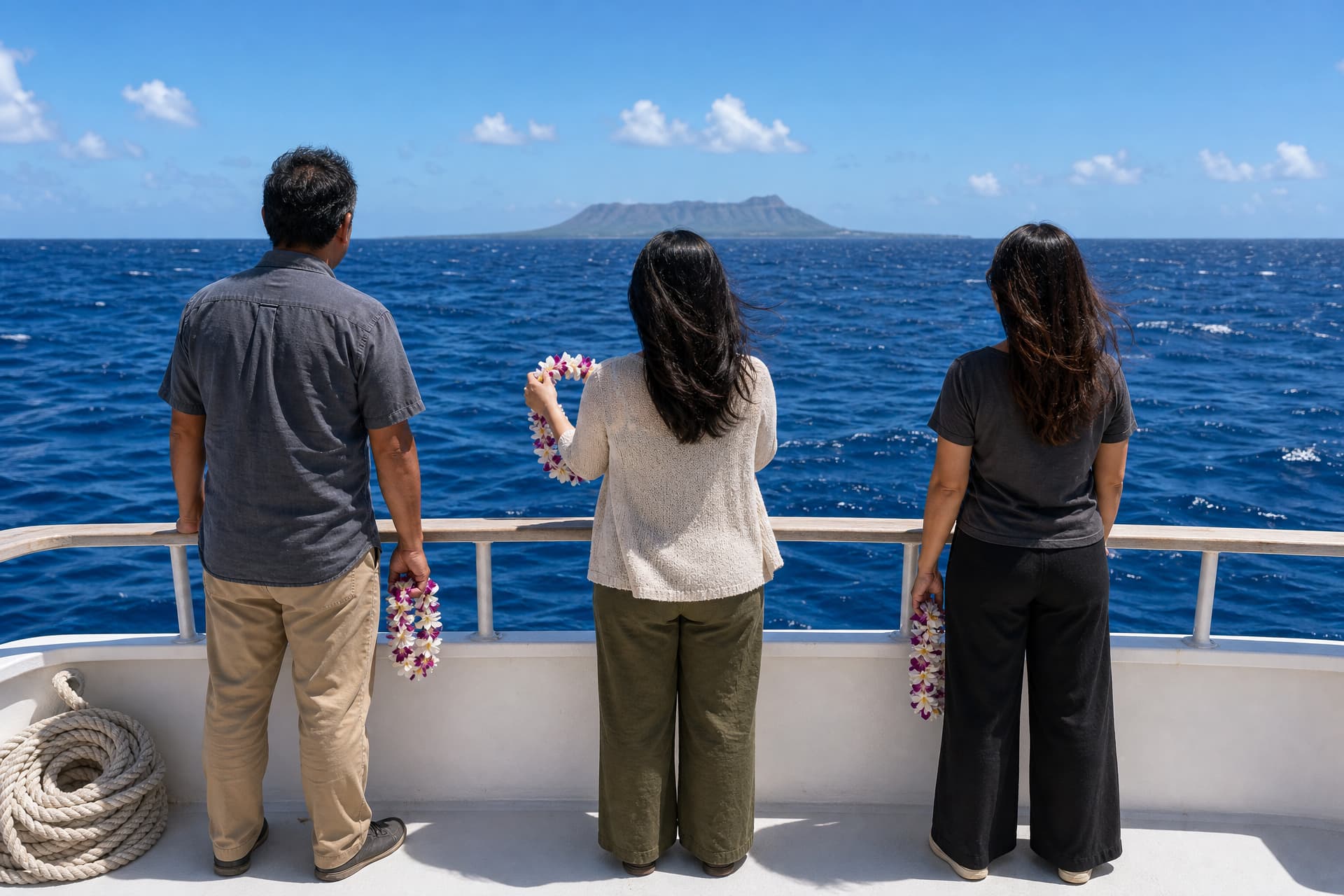
The federal rule for burial at sea is three nautical miles from shore, which is why Diamond Head is that small. Flowers must be readily decomposable, so a lei qualifies and a wreath on a wire frame does not. Hawaii adds its own step: the state asks for fourteen days' notice for an ocean event permit, and it does not charge for one.
Burial on your own land is effectively closed. The administrative rules require burial in a cemetery approved by the Director of Health, with a burial-transit permit first, although a separate statute preserves family burial plots. Green burial exists here but is rare, and where it is published it is priced well above a direct cremation. Our guide to green burials covers the wider choice.
Hawaii is not the expensive state everyone assumes. Its median published floor sits $580 under the national median and $297.50 under the West's — 8th cheapest of the fifty states, 4th of the thirteen Western ones. And three of the four published price lists start under $1,500; the one above $2,000 is a different kind of business rather than a different island.
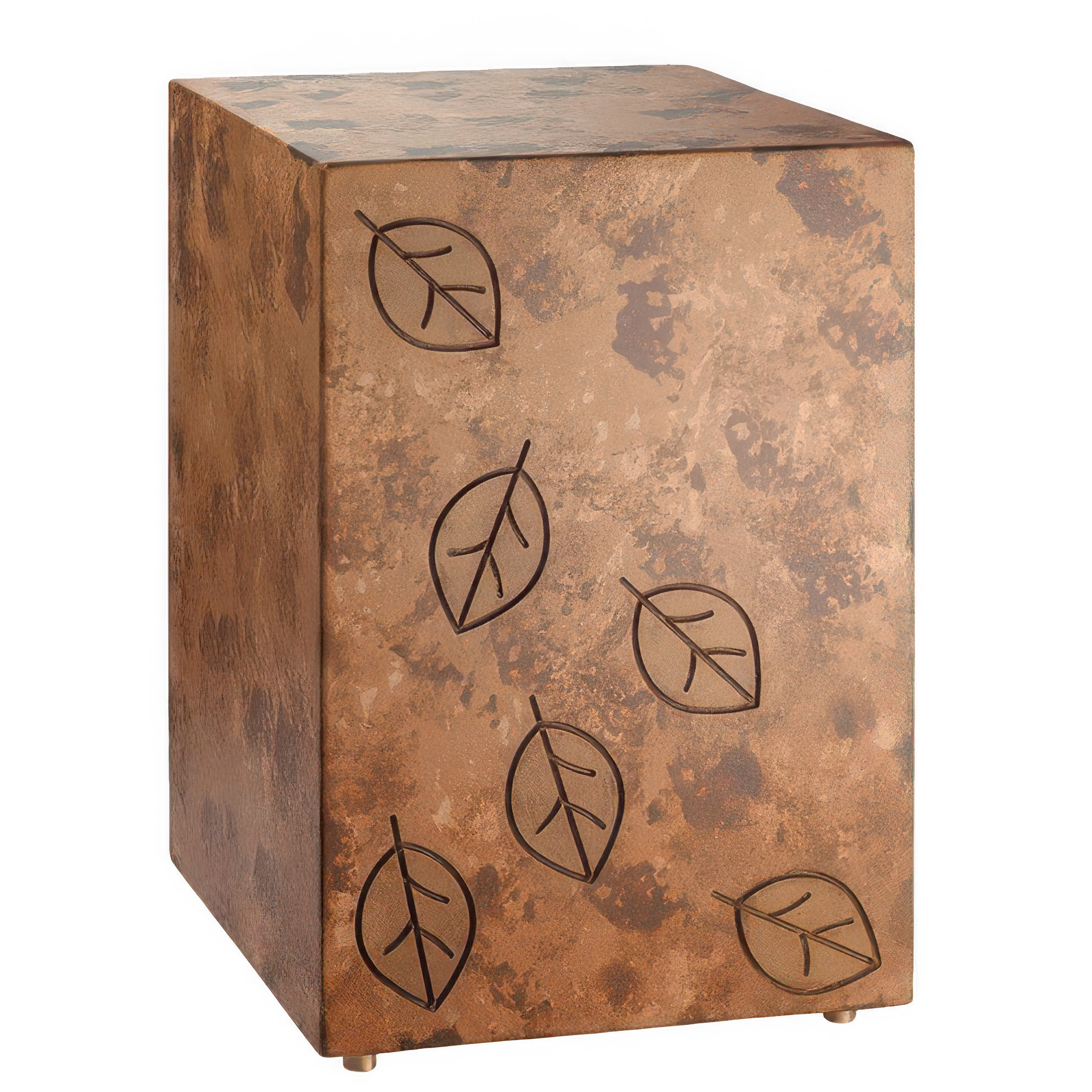
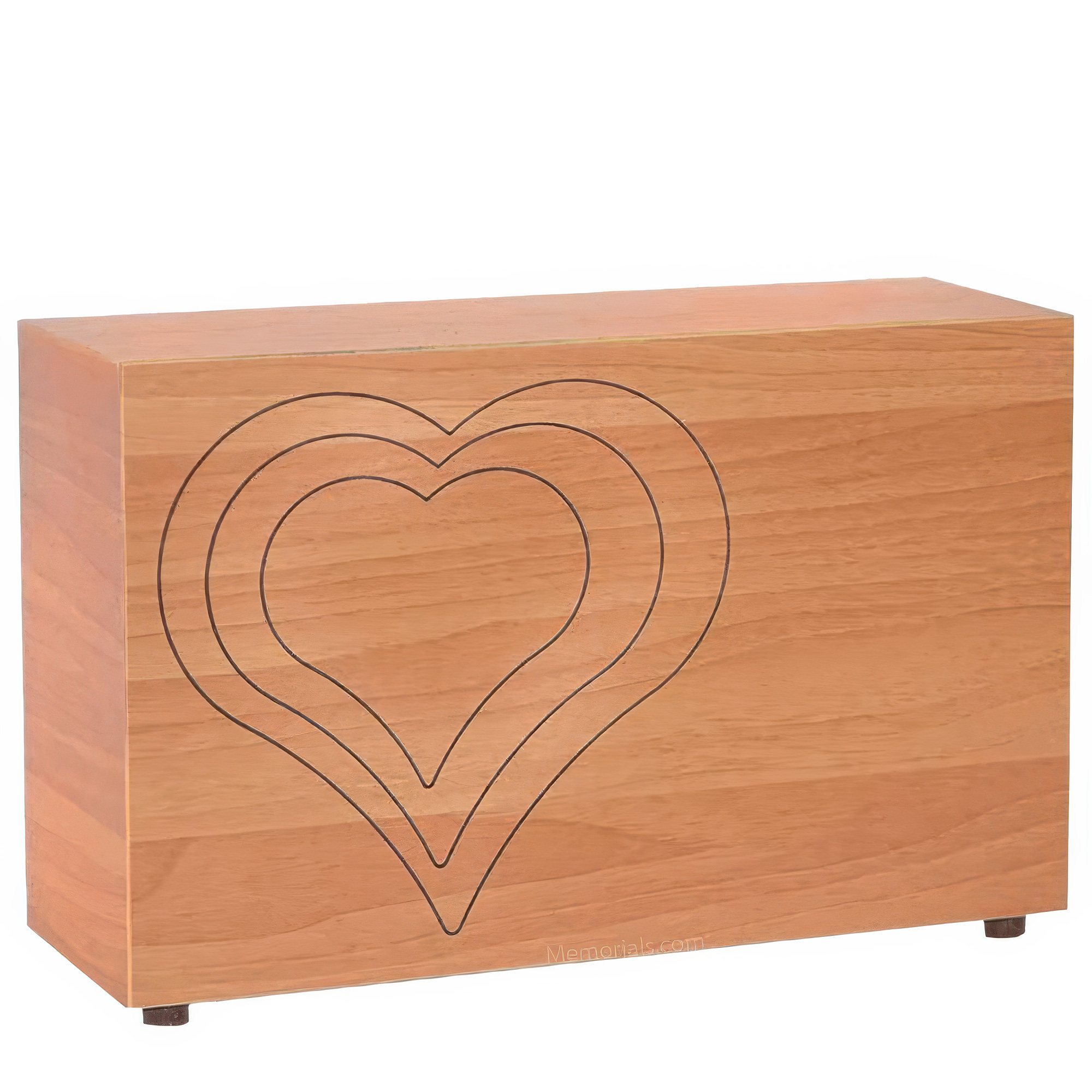
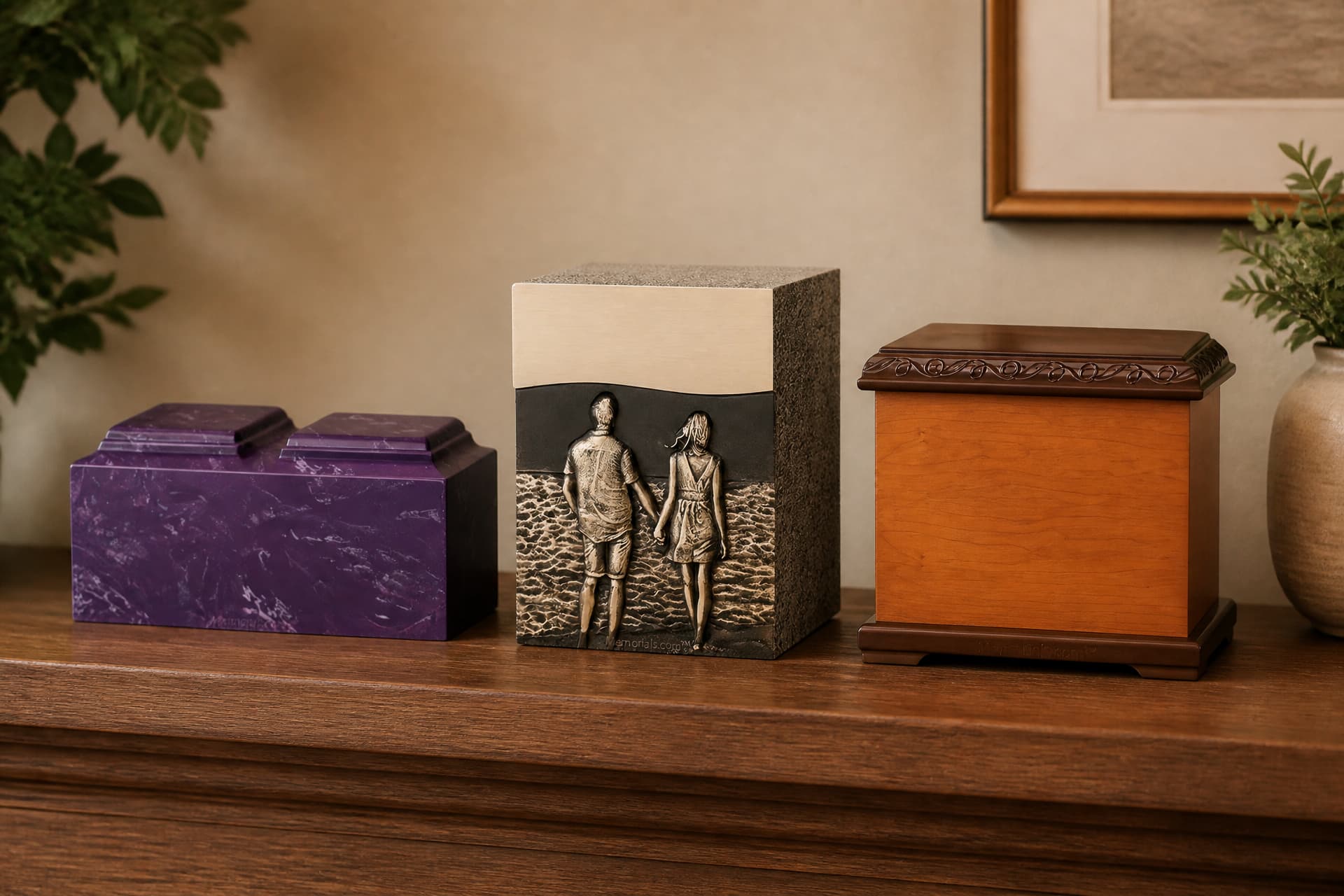
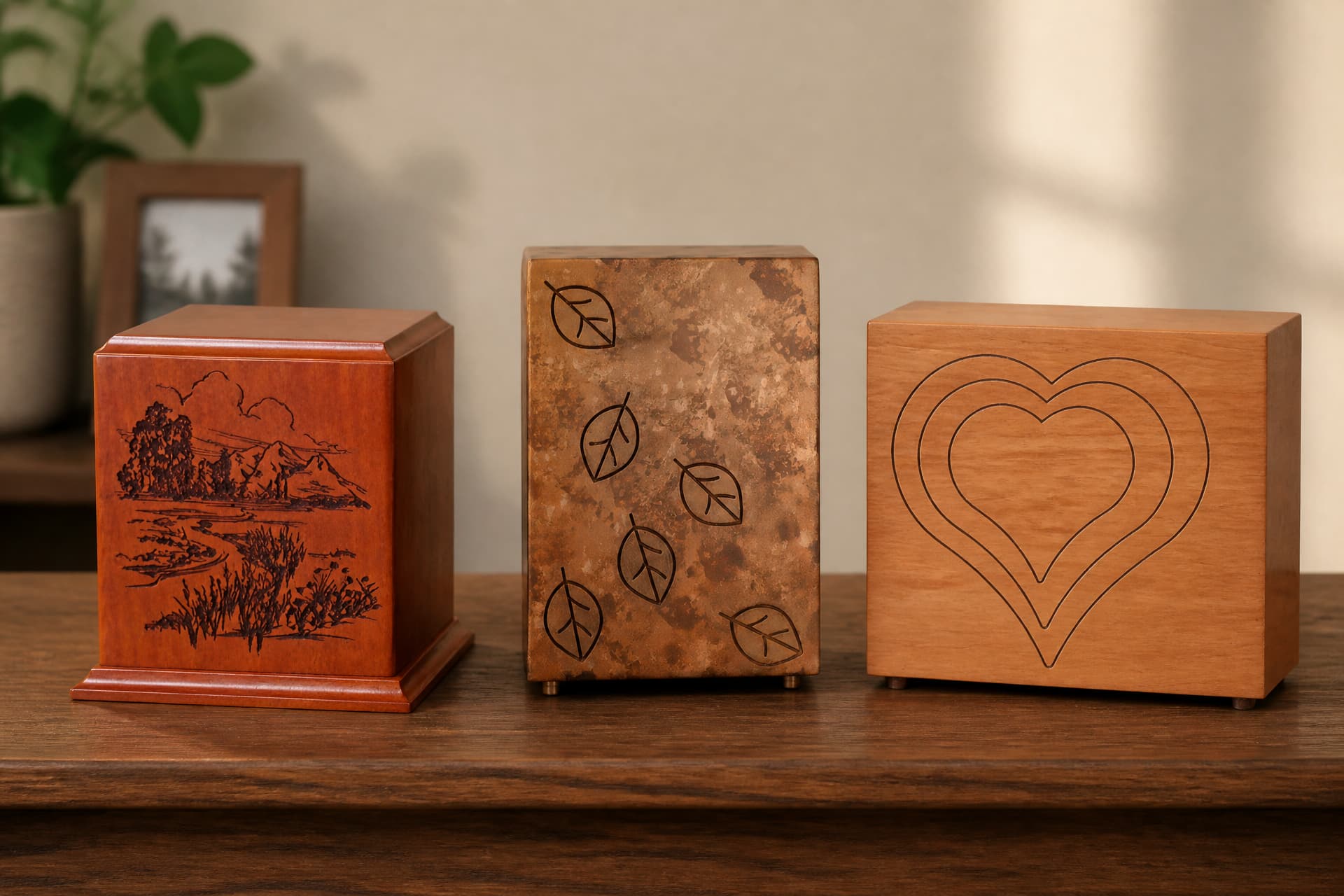
Cremation Urns to Choose Later, at Home
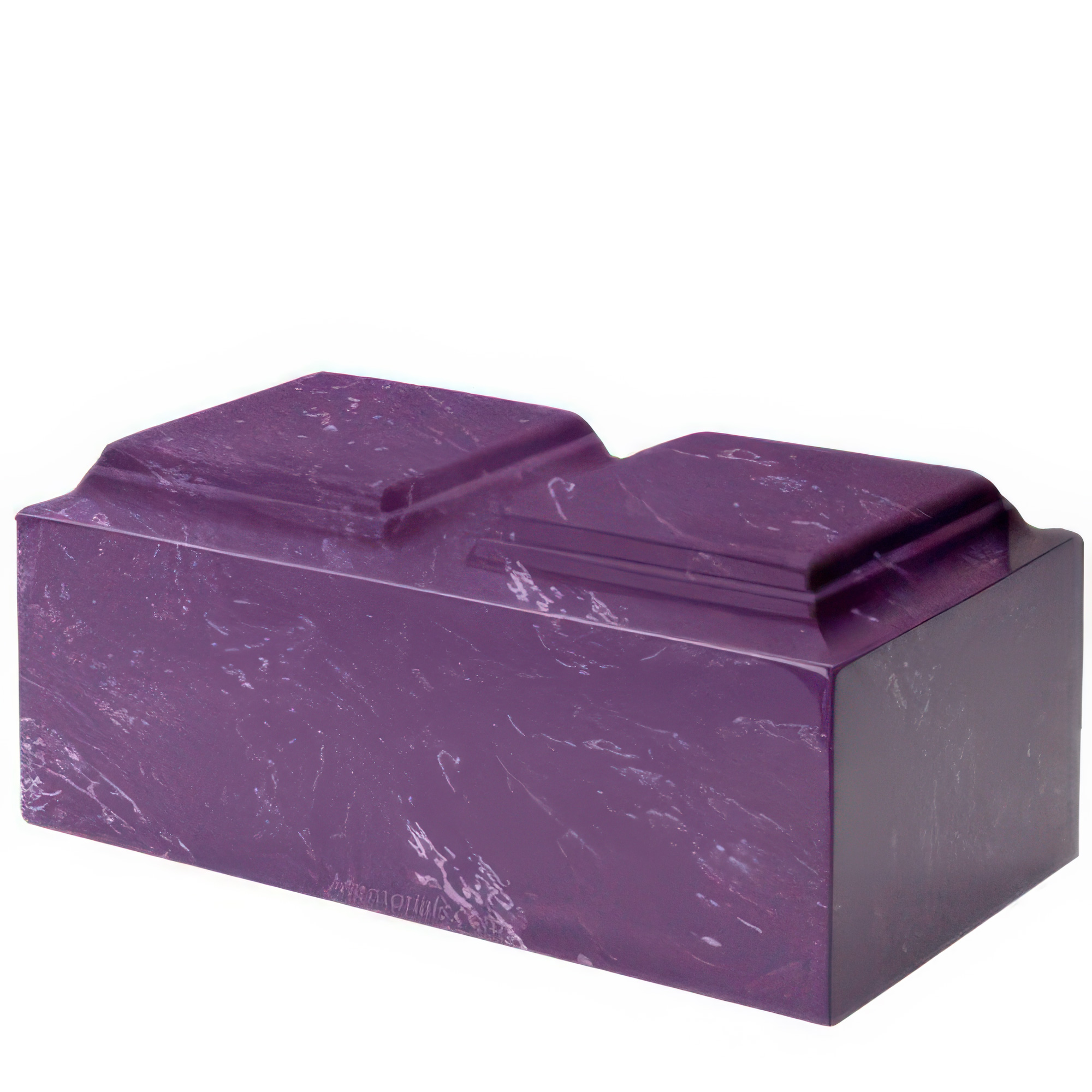
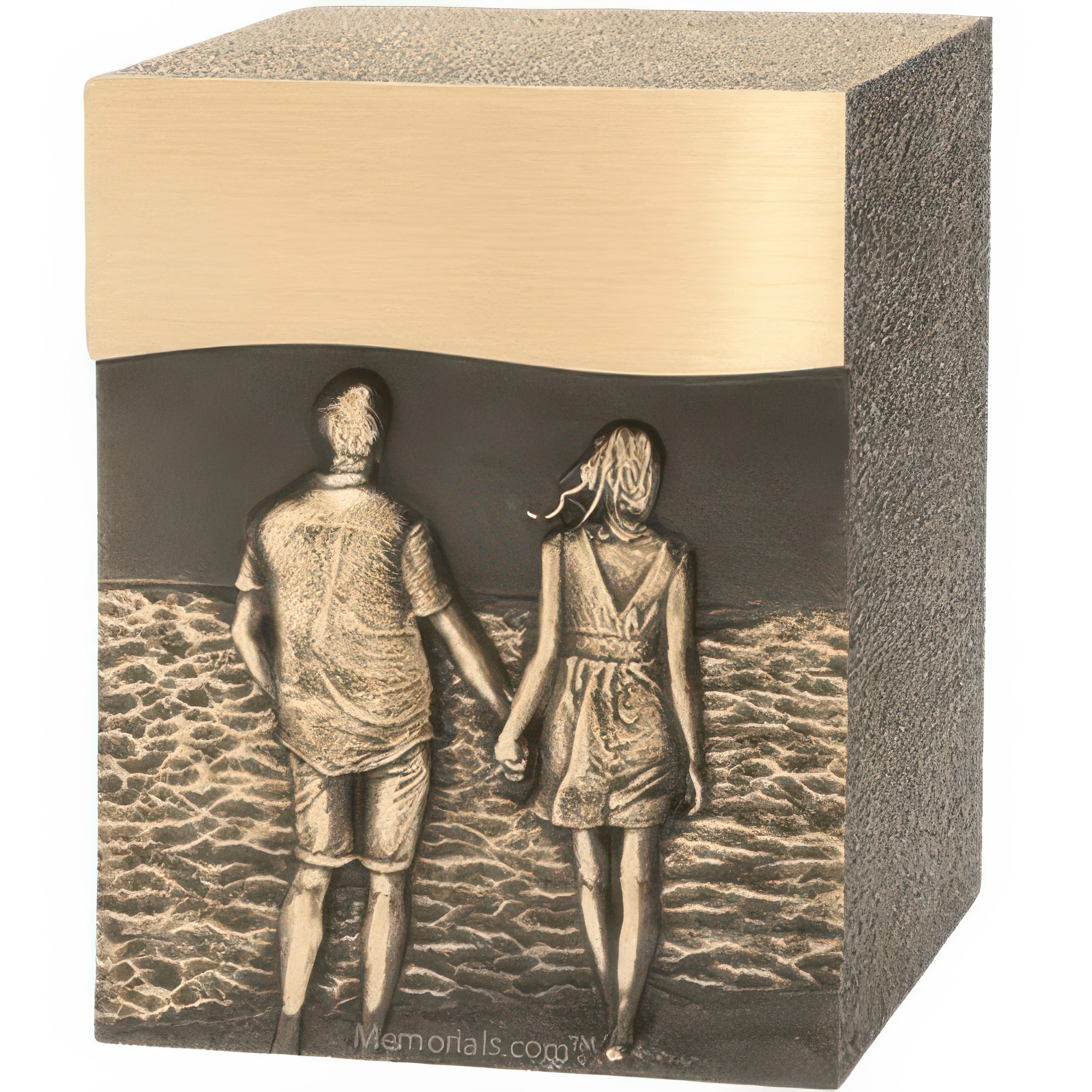
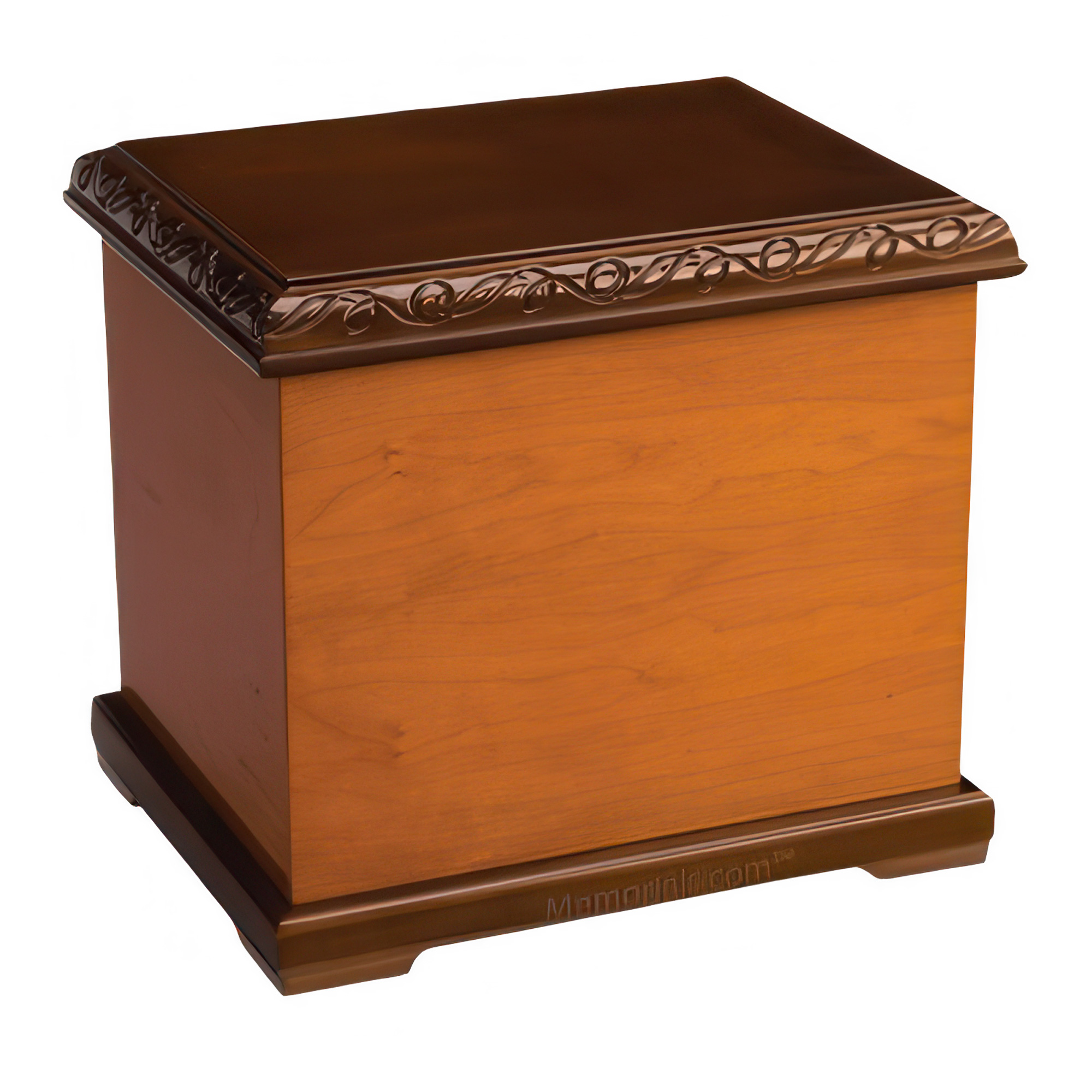
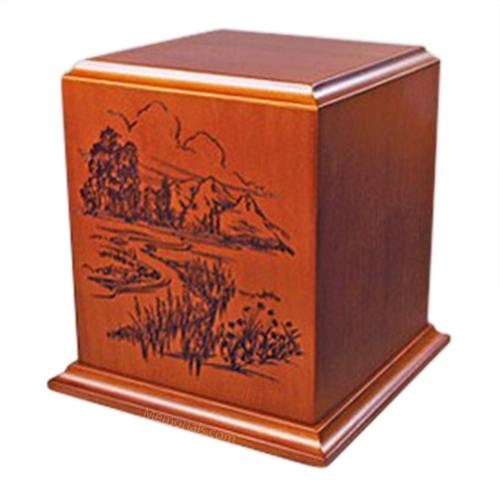
A permanent urn is never part of a direct-cremation price -- it is a later decision, made at home
The questions that decide what a Hawaii family actually pays are all asked on the first call, and the first one is not about price.
Decide which kind of firm you want, then call three of them on your own island. A cremation-only provider and a full funeral home are not selling the same job, so one price from each is not a comparison. The spread sits within towns rather than between islands, and in the state's largest urban market that single habit is worth more than three times over.
Then ask the same four things of each. Whether the quote includes general excise tax, which usually it does not; whether holding is inside the price and for how many days; where the removal boundary sits; and what the effective date on the list is. That last one matters more here than you would think — superseded lists sit on providers' own web infrastructure alongside the current ones, and national directories are still quoting some of those older numbers today.
Settle who signs, early, because where the decision sits with a class — several adult children, for instance — the five-day notification window runs while the refrigeration is being billed.
Ask what any quoted average is counting. One directory prints a Hawaii range said to rest on "real pricing from 81 funeral homes in Hawaii," in a state with roughly twenty-five mortuaries. When somebody quotes you an average cost of cremation in Hawaii, ask a Hawaii mortuary for its own figure instead.
A permanent urn is not part of a direct-cremation floor price — most Hawaii lists hand over a temporary vessel and price the permanent ones separately. That is a decision made later, at home, and it does not have to be made with whoever performs the cremation.
Hawaii pushes it in two directions at once. Where the ashes are going into the ocean, a scattering urn is built to release them cleanly from a moving boat, which a display urn is not. Where they are staying in the house, the urn is the one part of this process that no statute, price list or excise tax touches.
For the fuller version of that decision, how much a cremation urn costs works through materials and price bands, and our range of cremation urns is organized by how you plan to keep them.
Frequently Asked Questions
How much does cremation cost in Hawaii? Between $1,195 and $3,445 to start, with a median of $1,345, across four published Hawaii price lists — plus general excise tax, which every one of those figures excludes. Asked how much is cremation in Hawaii, the next step is to settle whether you want a cremation-only firm or a funeral home, then ask three of them for an itemized price list.
What is the average cost of cremation in Hawaii? We publish the median rather than the mean, taken from the four published price lists themselves, and we print the range around it so you see the spread rather than a single number. Treat any figure for the average cost of cremation in Hawaii as unverified unless the page says where it came from.
Is Hawaii an expensive state for cremation? Not on published floors, which is not what most people expect: Hawaii is the 8th cheapest of the fifty states, below both the national median of $1,925 and the West's $1,642.50. What you pay turns on which kind of firm you call rather than on which island you are on.
Is there a waiting period before cremation in Hawaii? None that we could find in Hawaii law, despite a 48-hour claim reprinted on national directory pages. The rule that does exist runs the opposite way: the state directs embalming, cremation or burial within thirty hours of death, and the practical effect is that the family pays for refrigeration.
Does Hawaii tax a cremation? Yes. The general excise tax applies to funeral goods and services, and the price lists say so on the document. One prints the rate as 4.712%, and it applies to the whole bill, so no published floor is the amount you pay.
Do I have to buy a casket for a cremation in Hawaii? No. No Hawaii law requires a casket for cremation; the requirement that does exist applies to transport by common carrier. Federal law separately forbids a provider from requiring one or telling you the state does.
Who can authorize a cremation in Hawaii? Hawaii sets a twelve-step order of priority, beginning with anyone the person named in writing and then the spouse. Reciprocal beneficiaries and civil-union partners hold the same priority as a spouse, which is unusual. Where a class has to agree, one member can proceed alone if the others do not respond within five days.
Can I scatter ashes at sea in Hawaii? Yes, and it is common here. Federal rules require at least three nautical miles from shore, readily decomposable flowers only, and a report to the EPA within thirty days. Hawaii asks for fourteen days' notice for a free ocean event permit.
In Short
The cost of cremation Hawaii families face is lower than the state's reputation: a median floor of $1,345 across four published price lists, running from $1,195 to $3,445, with excise tax outside every one of them.
What makes it its own case is that the usual explanations do not work. Not the container, and not the island — the widest gaps sit inside single towns. What it is, is a thirty-hour rule that puts refrigeration into the base price, a tax that sits outside it, and two kinds of business trading under the same three words. Work out which of the two you are buying, then ask three of them for the itemized list.