🏬Supersize Online Funeral Retailer🪦1000's of Headstones⚱️Over 10,000 Cremation Urns⚰️Caskets Overnight Delivery🛒Funeral & Memorial Superstore🚚FREE Shipping on ALL Orders👨👩👧👦Helping Families for over 20 Years💰Lowest Price Guarantee🏬Supersize Online Funeral Retailer🪦1000's of Headstones⚱️Over 10,000 Cremation Urns⚰️Caskets Overnight Delivery🛒Funeral & Memorial Superstore🚚FREE Shipping on ALL Orders👨👩👧👦Helping Families for over 20 Years💰Lowest Price Guarantee
🏬Supersize Online Funeral Retailer🪦1000's of Headstones⚱️Over 10,000 Cremation Urns⚰️Caskets Overnight Delivery🛒Funeral & Memorial Superstore🚚FREE Shipping on ALL Orders👨👩👧👦Helping Families for over 20 Years💰Lowest Price Guarantee🏬Supersize Online Funeral Retailer🪦1000's of Headstones⚱️Over 10,000 Cremation Urns⚰️Caskets Overnight Delivery🛒Funeral & Memorial Superstore🚚FREE Shipping on ALL Orders👨👩👧👦Helping Families for over 20 Years💰Lowest Price Guarantee
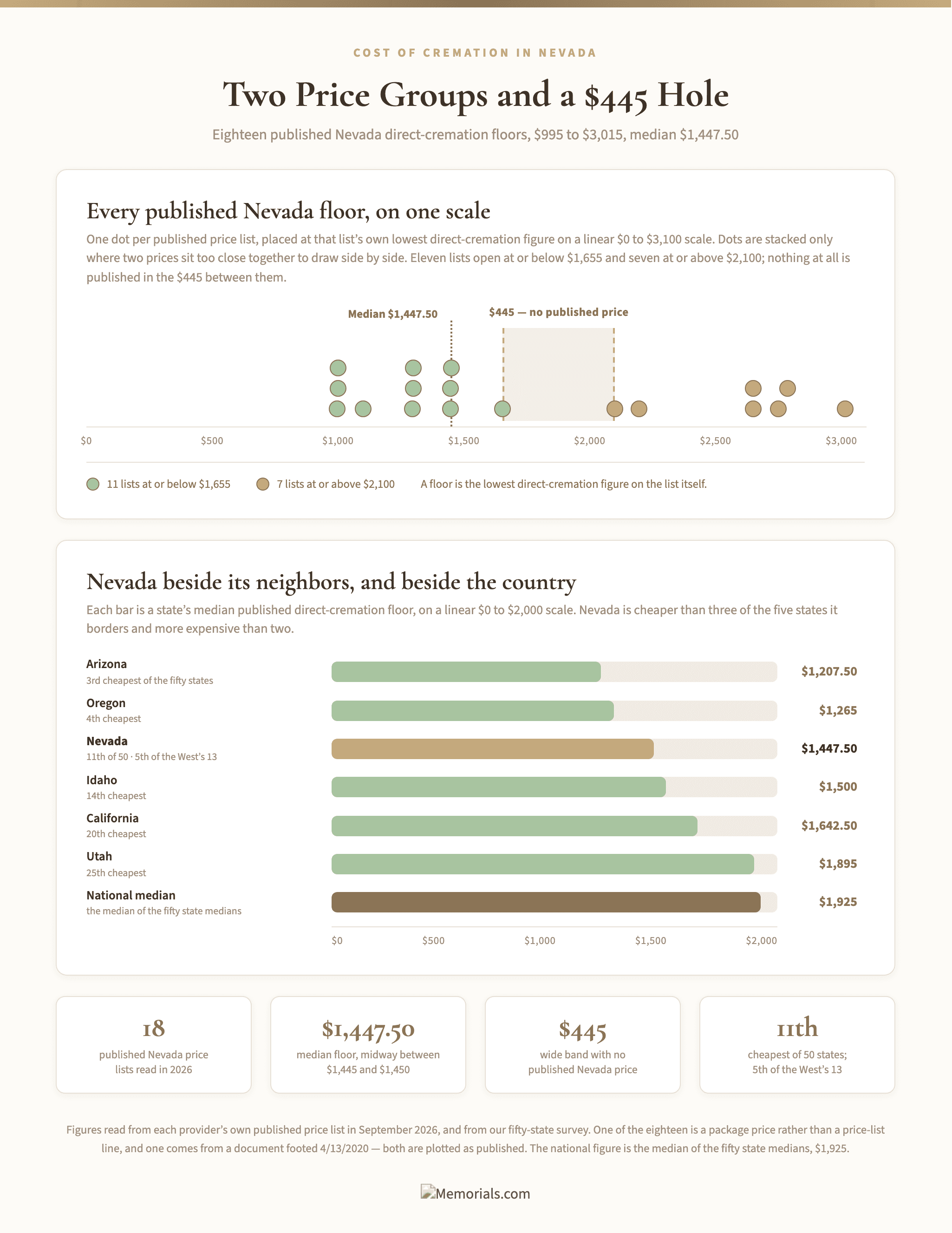
The cost of cremation in Nevada starts between $995 and $3,015 depending on who you call, with a median of $1,447.50. That comes from 18 published Nevada price lists in 2026, taking the lowest direct-cremation figure on each one.
That puts Nevada 11th cheapest of the fifty states, $477.50 under the national median of $1,925, and 5th cheapest of the thirteen Western states. Our cremation cost by state guide sets all fifty side by side with the evidence behind each.
Before you compare a single cremation cost Nevada quote, work out which of two kinds of business you are calling. A cremation-only provider and a full funeral home both cremate; what separates their prices is everything the firm sells around the cremation. Nevada shows that as plainly as any state does — the cheapest published cremation in the state and the most expensive one , and both are carried out in the same building.
One statute shapes the bottom of the market as well. NRS 642.566 makes it unlawful to sell cremation services in Nevada over the internet unless you own a funeral establishment, crematory or direct cremation facility inside the state. The national online brokers that set $700 to $800 floors in Arizona and California are shut out of that route here, and we found no Nevada price published by any of them.
What Cremation Costs in Nevada
Every figure on this page is a floor — the lowest direct-cremation price on a provider's own published document.
Ask for the itemized list, whatever a website says. Federal law makes every Nevada funeral home hand you an itemized general price list and quote prices over the phone — NRS 642.019 requires every Nevada licensee to comply with the FTC Funeral Rule at 16 C.F.R. part 453 — but nothing obliges anyone to publish that document, and a published one is not always the current one.
The state's published prices have a hole in the middle of them. Eleven of the eighteen lists open at $1,655 or below and seven open at $2,100 or above. Between them there is nothing at all — a $445 band with no published Nevada price in it. The median is therefore not the middle of the market; it describes the cheaper of two groups, priced for two different customers.
Two of the eighteen figures carry caveats a bare number cannot show — one is a package rate rather than a price-list line, one sits on a six-year-old document — so treat any published number as where a phone call starts.
Two price groups, not a price range. Eleven of the eighteen published price lists open at or below $1,655 and seven at or above $2,100, and the $1,447.50 median describes the cheaper group rather than the middle of the market.
The Urn Is a Separate Decision, Made Later
Not one of the 20 Nevada price lists names a permanent urn
Cremation-Only Firms and Funeral Homes: Why One Is Cheaper
Which of these two you call explains most of the $2,020 between the state's cheapest published cremation and its most expensive.
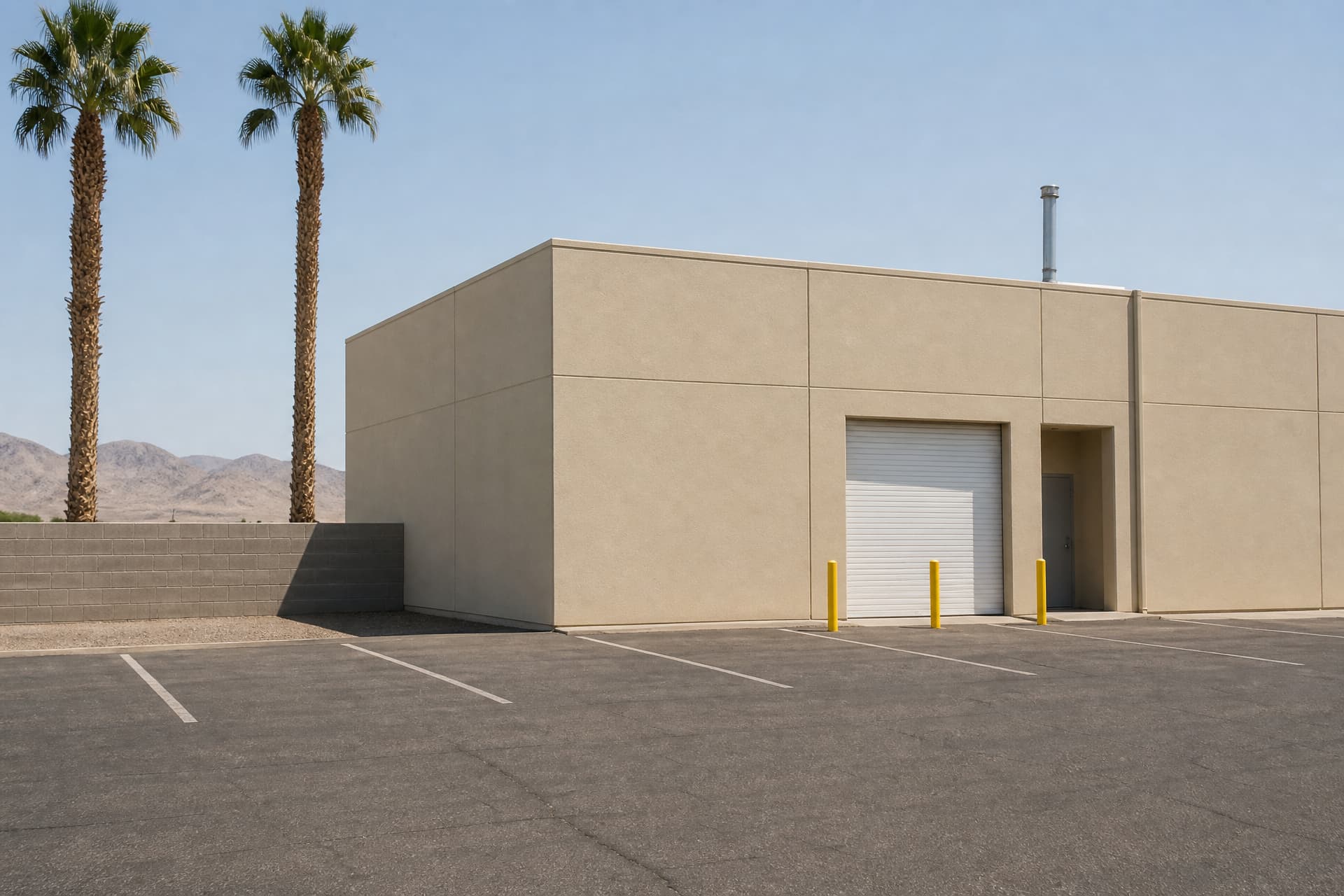
A cremation-only provider owns or contracts a retort, arranges by phone or online, and keeps no premises a family would visit. These firms set the state's floor, and most of the cheaper group is made up of them — one quotes a single price across four Nevada cities, because there is no building in any of them to carry. Nevada's own statute names the model: NRS 642.566 distinguishes a funeral establishment, a crematory and a direct cremation facility as three separate things.
A full funeral home is a building with staffed hours — a chapel, viewing rooms, arrangement offices, sometimes a cemetery, and a director on call. Direct cremation is one line on a long price list rather than the product, and every list in the upper group belongs to a business of that kind. The cheaper firm is not undercutting anyone. It is selling less. A room kept ready, a phone answered at three in the morning and a director who will sit with a family for an afternoon are real costs, recovered from the services a funeral home sells. A firm that sells none of them has none of them to recover.
What the cheaper option cannot do is the part to think about first. A cremation-only provider generally cannot offer a viewing, a service with your loved one present, or a change of mind to burial. Decide first whether the family will want time with them beforehand, and only then compare prices: a family who wants the cremation done quietly and the ashes brought home is shopping in the cheaper of the two groups and should not be talked upward, while a family who wants a room and people in it is buying a funeral home — a different purchase, not a worse deal. Two questions settle it on the first call: does this firm have a chapel, and who owns the crematory?
The same owner, at both ends of the state
Nevada's lowest published floor, $895, and its highest, $2,975, belong to one organization, and the costlier brand's own document says its families' cremations are performed at the cheaper brand's facility. The same retort, in the same building, under the same ownership, sits behind both charges — $2,080 apart, for a cremation that is physically identical. The gap is the funeral home: arrangement staff, premises, a firm you can walk into. Worth every dollar to a family that wants it, and nothing at all to a family that does not.
The building is the point. Nevada's cheapest published cremation and its most expensive are carried out at one facility under one owner, so what separates the two prices is the funeral home wrapped around the cremation rather than the cremation itself.
One brand, four addresses, three different floors
Nevada files a general price list per establishment, not per company. One brand's four locations publish four separate lists with identical inclusions and three different floors, several hundred dollars apart. A brand is not a price, and the nearest branch is not automatically the cheaper one — ask for the list belonging to the location that would do the work.
And the printed ceiling is a box, not a service
A provider whose printed range runs to twice its low or more is not describing a range of service quality. The Funeral Rule makes a direct-cremation entry span every container the firm stocks, so the top of a printed range is a casket price with a cremation attached — the same cremation, in a costlier box. Ask which container the bottom of a quoted range assumes, and treat the casket as its own decision rather than a tier of care.
What the Price Includes, and What to Ask
Nevada lists describe their coverage inconsistently, so two documents can carry the same headline number and mean two different amounts of money. Six items decide whether a quote is comparable to the one beside it: the basic services of the director and staff, bringing your loved one into the firm's care, refrigeration or sheltering, the container they are cremated in, filing the death certificate and permits, and a temporary container for the ashes. Ask about each by name, and ask for the total with all six settled.
The container comes first. Many of the cheapest floors read "with a container provided by the purchaser". It is not optional, so where a list reads that way, the figure to compare is the published one plus the plainest box the firm sells.
Refrigeration is the other one. Where it sits outside the price it is charged by the day, so delay becomes cost. Some Nevada documents also price a crematory fee or a witnessed cremation separately — often trade work quoted to other funeral homes rather than a charge to you, but a family holding two documents cannot tell which, so ask.
Ask what the ashes will come home in, too: a temporary container is inside the price on some lists and sold separately on others. Charges that commonly sit outside the headline figure are mileage beyond a transfer radius, a rush fee, storage after the first month, a card surcharge, and certified death certificates priced per copy. Read how many death certificates you need before ordering a stack.
What the state charges on top
Some Nevada lists name a mandatory $10 Nevada Funeral and Cemetery Services Board fee, and some add a small state registration fee beside it. We could not verify that $10 against a published state fee schedule, so treat it as what providers bill rather than a figure the state itself publishes. We found no statutory coroner or medical examiner cremation charge in NRS either — which is a statement about our reading, not a promise that no county charges anything. Ask what yours adds.
Cremation Costs in Las Vegas
Most of Nevada's published prices sit in the Las Vegas valley — thirteen of the eighteen price lists we read — which makes it the one metropolitan area in the state where a family can genuinely shop, and where both kinds of business are represented. The valley holds both the state's floor and its ceiling, and the hole in the middle of the statewide range is really a hole here: seven of its current lists sit in the cheaper group and six in the more expensive one, with nothing between.
Published numbers here are softer than they look. Advertised rates come with restrictions attached, and a firm's own web pages can disagree with its own price list by hundreds of dollars. The itemized general price list is the document the Funeral Rule governs, so confirm any figure you read online.
Three calls will show you the whole spread: one cremation-only provider, one funeral home, and whoever a friend recommends. Ask each for the same six items and you are comparing like with like inside an afternoon.
Nevada Cremation Laws That Affect Cost
The statute that keeps the online brokers out
NRS 642.566: "A person shall not sell or offer to sell cremation services within this State via the Internet unless the person owns a funeral establishment, crematory or direct cremation facility located within this State and is licensed pursuant to this chapter or chapter 451 of NRS."
In Arizona and California, national online cremation brokers advertise floors in the $700s and $800s and arrange the work through local partners. Nevada requires the seller to own bricks in Nevada, and every one of the eighteen floors on this page belongs to an in-state operator.
We are describing the statute and what we found, not proving a cause. Nevada is more expensive than two of the five states it borders — Arizona at $1,207.50 and Oregon at $1,265 — and cheaper than the other three, Idaho at $1,500, California at $1,642.50 and Utah at $1,895. That is consistent with an absent bottom rung; it is not evidence of one. What we can say without qualification is that a Nevada family cannot buy the way an Arizona family can.
There is no waiting period, but there is a document
Nothing in NRS 451 or NRS 440 imposes a 24-hour or 48-hour wait. The gate is paperwork instead. Under NRS 451.660(1) a crematory may not proceed until a death certificate has been signed, and it must hold a written authorization signed by the authorizing agent; NRS 440.540 forbids cremation until the local health officer has issued a permit, which under NRS 440.500 follows a completed death certificate. Delay is cost, so the practical question on your first call is who chases the certifying physician.
Who may authorize the cremation
NRS 451.024(1) runs an order: a person named in a legally valid document or notarized affidavit; for active-duty military, the DD Form 93 designee; the spouse; an adult son or daughter; either parent; an adult brother or sister; a grandparent; a guardian at the time of death; and finally any adult who signs an affidavit that they knew the person who died, cannot locate anyone above them, and accept legal and financial responsibility. Under NRS 451.024(3) that authority is relinquished automatically by anyone arrested for or charged with murder or voluntary manslaughter in connection with the death.
No casket required, and the container is cremated too
NRS 451.670(1): "No operator of a crematory may require that human remains be placed in a casket, or refuse to accept human remains for cremation because they are not in a casket." Under 451.670(3), unless the authorizing agent directs otherwise in writing, the container is cremated with the remains — so a casket bought for a viewing beforehand is a consumable, not an asset. That statute is why a Nevada price list can honestly open at $995 with a simple alternative container and top out five figures with a hardwood casket.
Scattering: about as unregulated as any state gets
NRS 451.020(2) says cremated remains "may be transported in this state in any manner, without any permit therefor, and may be disposed of in any manner desired, or directed by the decedent." No permit, no statutory restriction, nothing to pay. You still need the landowner's permission, and federal and National Park Service rules apply on federal ground, which is most of Nevada. Our guide to scattering ashes laws and etiquette covers the general position.
Aquamation and human composting are both legal here, and priced
NRS 451.670 and NRS 451.640(3) name alkaline hydrolysis and natural organic reduction explicitly, and Nevada providers publish real prices for both. Published aquamation figures run from a little above a firm's own flame price to well above it, so ask one provider for both numbers rather than assuming a fixed premium. If the process matters to you, aquamation and water cremation explains what happens, and green burial covers the wider set of choices.
Family-directed funerals: we could not establish the position. NRS 642.018 carries no explicit family exemption, while NRS 440.370 requires the disposition statement to be signed by a funeral director, a person acting as undertaker, or an authorized representative of the crematory. We could not reconcile those from statute alone, so we will not tell you either way. Call your county registrar.
How to Lower the Cost in Nevada
Ask who owns the crematory, and what the funeral home adds. This is the largest lever in the state — at one owner it is $2,080 wide for identical physical work — and it costs you one question.
Ask what the container costs, and whether refrigeration is inside the price. Neither is optional, and Nevada documents treat both inconsistently. Get the all-in number for the same six items from every firm you call.
You are not obliged to use the coroner's contracted mortuary. In Nevada's two most populous counties the coroner's office uses a contracted mortuary for transfers, and providers state plainly on their own pages that families are neither obligated to use that firm afterwards nor responsible for its transport fees. The firm that collects your loved one is not automatically the firm that must carry out the cremation.
If a Nevada death goes to the coroner, a contracted mortuary does the transfer — and families are neither obliged to use that firm afterwards nor responsible for its transport fees. Ask who came, and then choose separately who cremates.
Ask whether you can arrange by phone or online. Several of the cheapest Nevada operators are built that way, and one quotes the same figure in four cities because it has no building in any of them.
Read the effective date before you read the price, and check the firm still exists before you call it. Nevada holds documents days old and years old side by side, and directories here, the comparison sites that come up when you search and list prices for funeral homes they have no part in, are stale in ways that will cost you an afternoon — dead domains, and Nevada addresses that belong on their own websites to out-of-state firms.
If you live outside the two metropolitan areas, expect to phone. Every price list we could read is in Clark County or the Reno–Carson corridor; we found none published anywhere in the rural counties, from Elko and Ely to Tonopah and Pahrump. Those prices exist, and the Funeral Rule entitles you to them over the phone.
And plan ahead if you can. Arranging in advance means comparing calmly, with nobody grieving in the room. On the whole decision, cost of cremation vs burial sets the two side by side, how much a funeral costs covers the full-service figure, and direct cremation explains what happens and in what order.
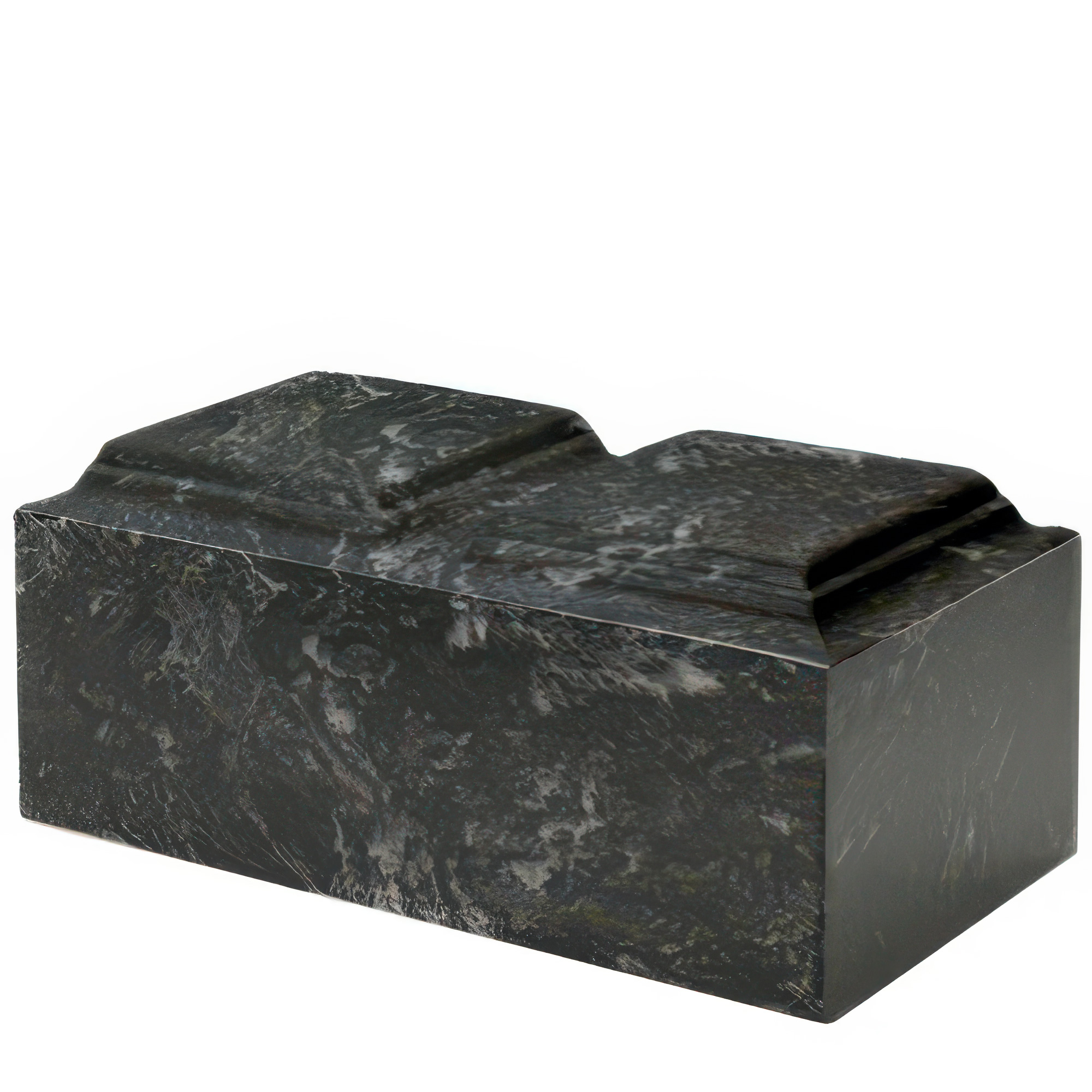
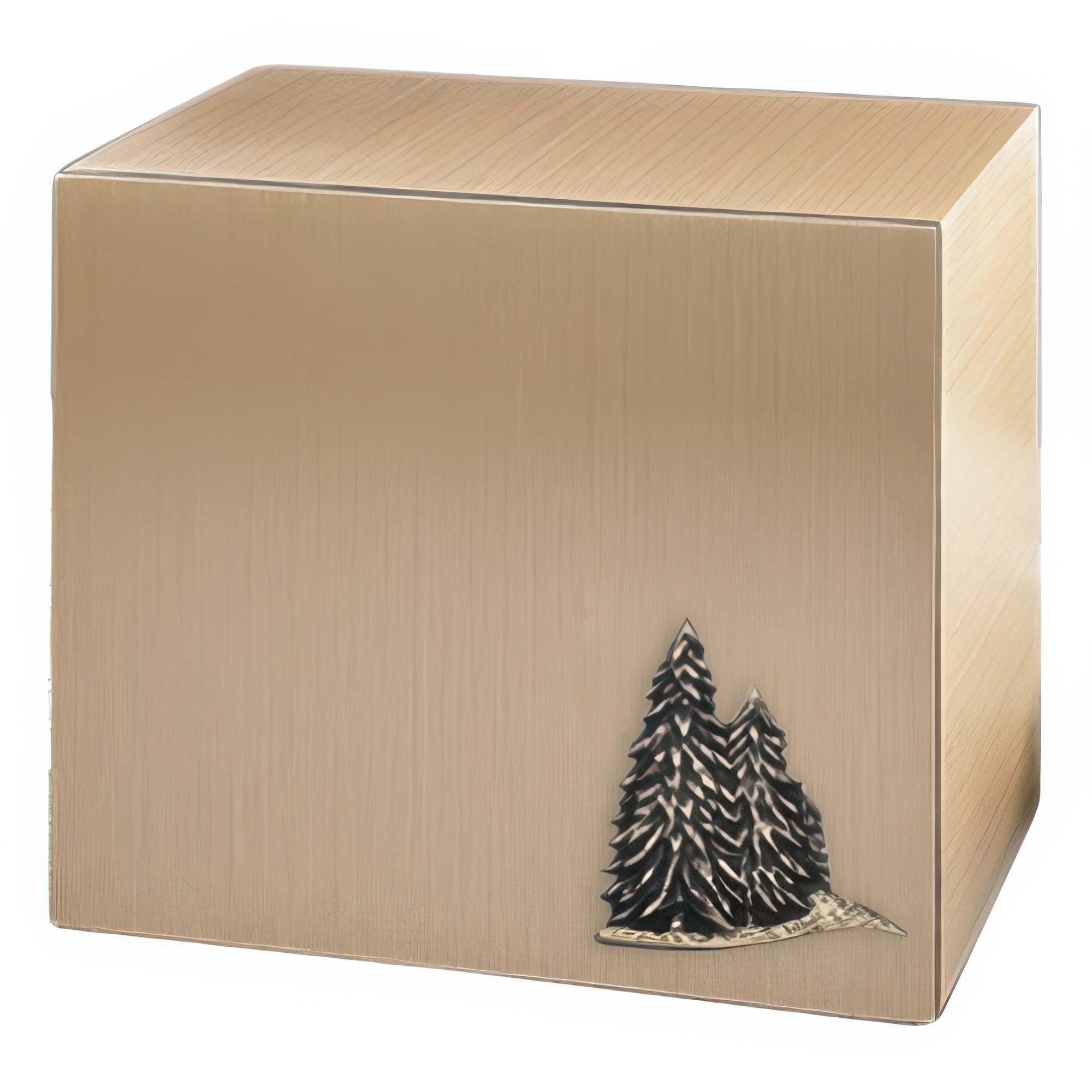
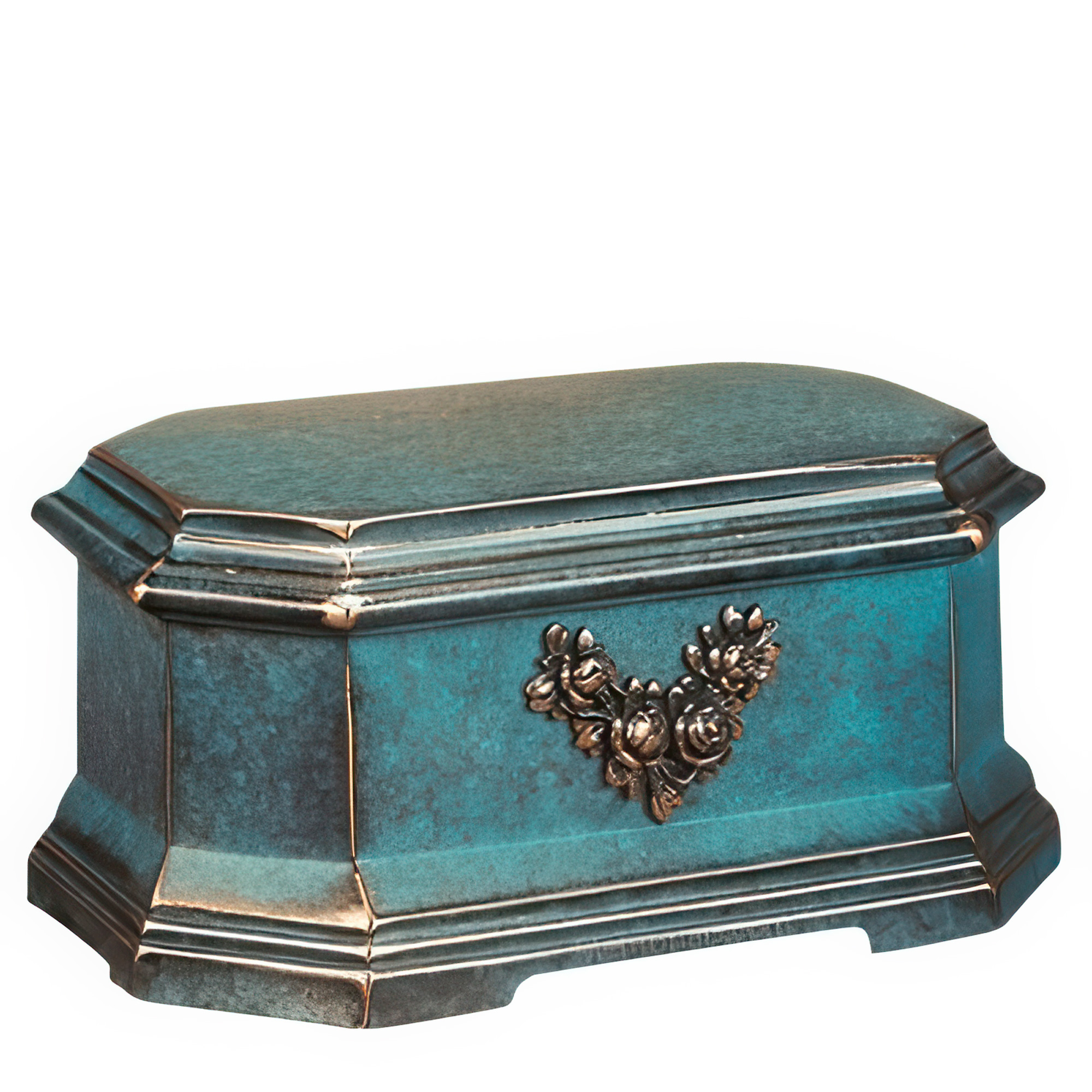
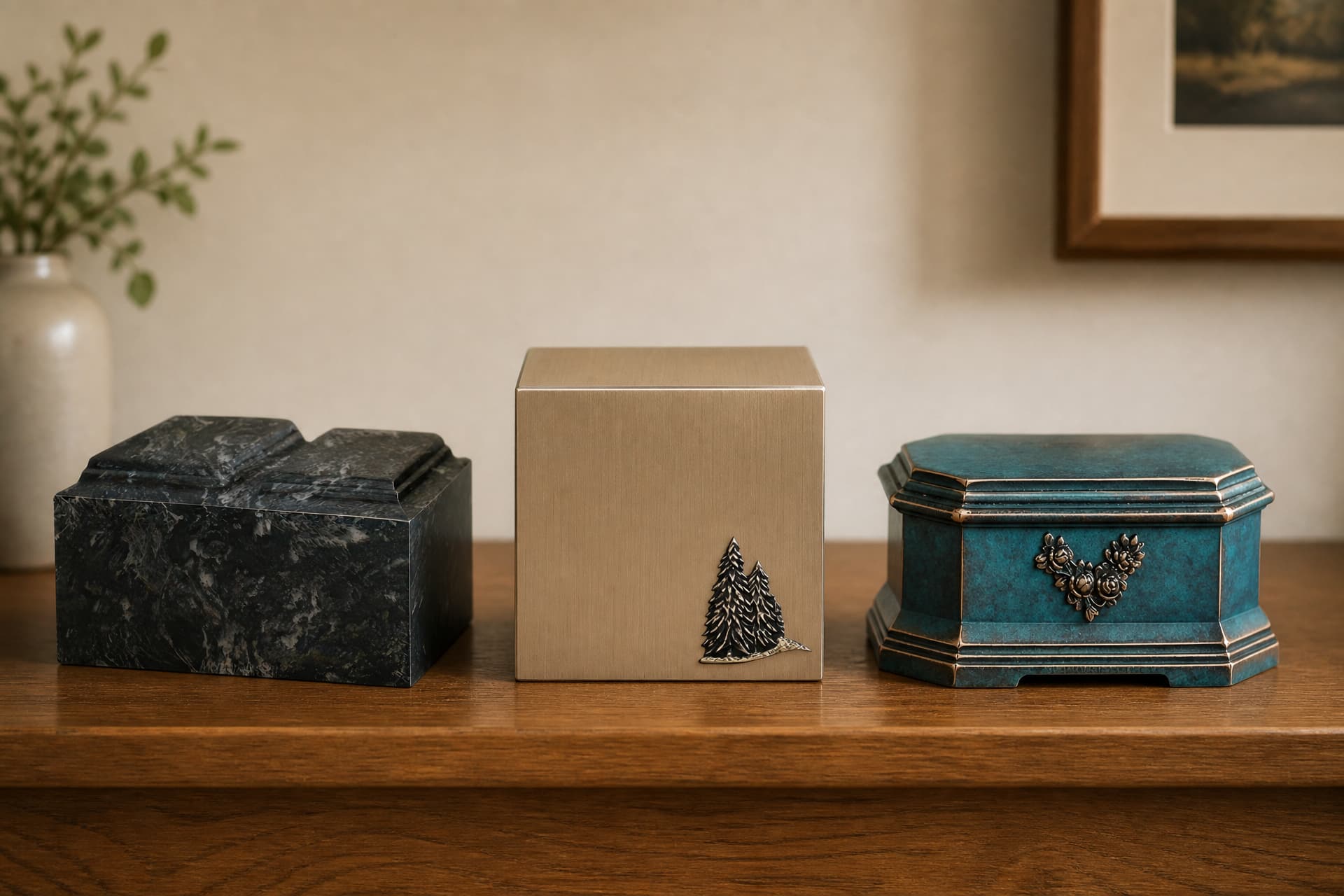
Choosing an Urn
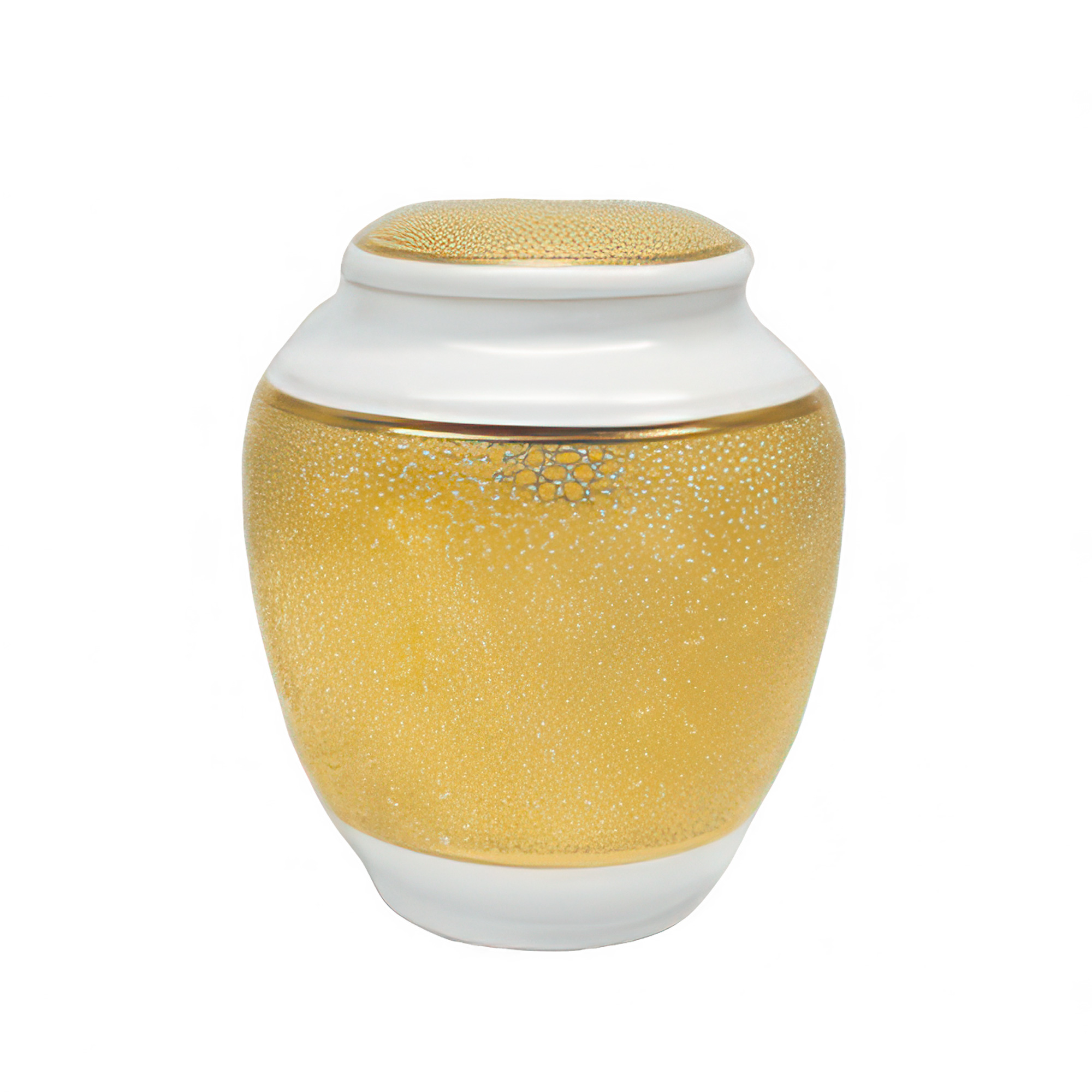
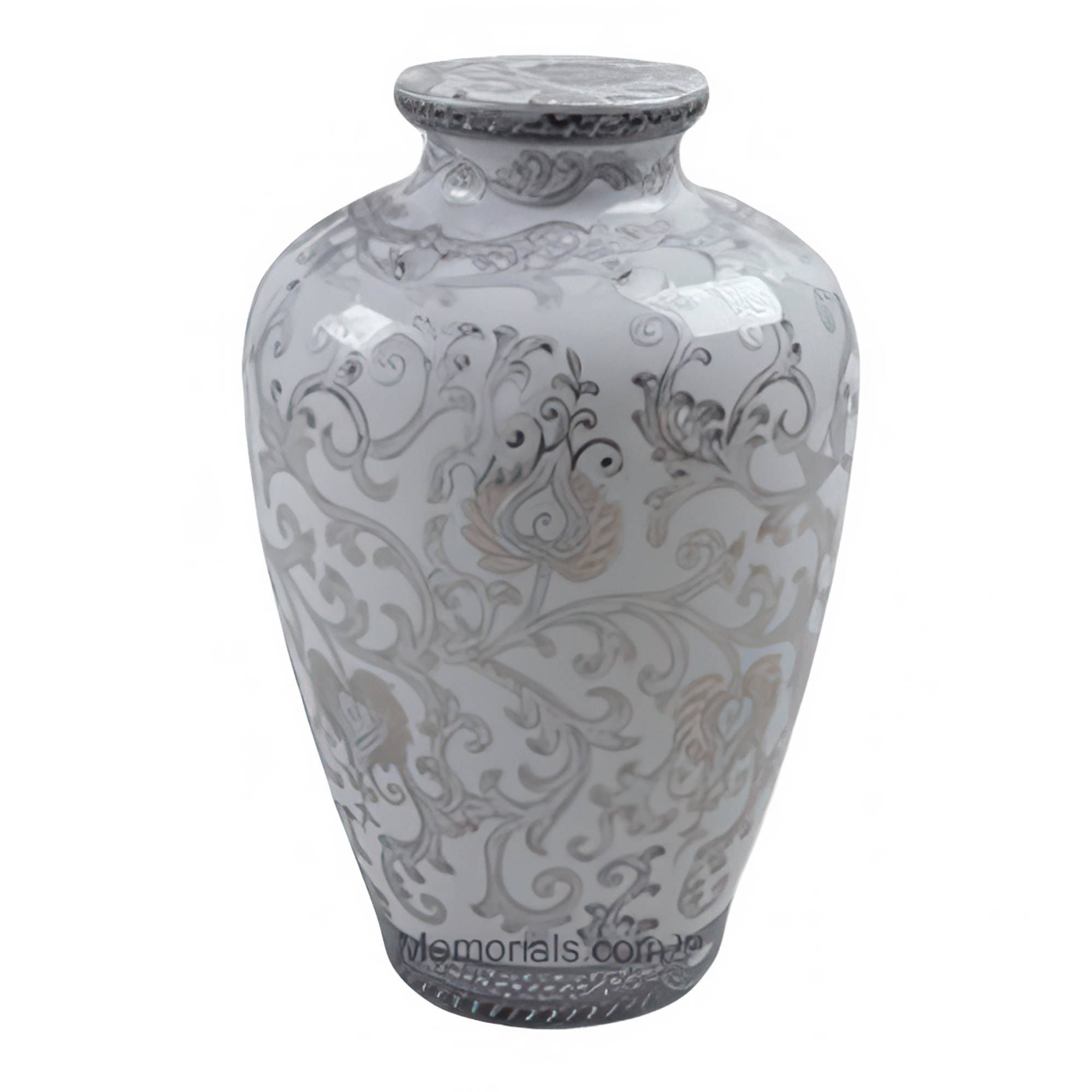
The permanent urn is a separate decision, made later, at home, with no obligation to buy it from the firm that carried out the cremation. Ask what the ashes will be returned in, then take your time over what they finally rest in.
How much does cremation cost in Nevada? Direct cremation starts between $995 and $3,015, with a median of $1,447.50 — 11th cheapest of the fifty states. Where you land inside that range depends mostly on whether you call a cremation-only firm or a funeral home.
What is the average cost of cremation in Nevada? We publish the median rather than the mean, because the seven lists in the upper group pull an average upward and describe nobody. Treat any published average cost of cremation in Nevada with care unless the page says how many lists its figure came from, and when they were read.
How much is cremation in Nevada if I want nothing else? That is what direct cremation is, and it is the figure on this page. Add a viewing or a service and you are buying a different product from a different kind of provider — which in Nevada may be a different license category as well, since NRS 642.566 names a funeral establishment, a crematory and a direct cremation facility as three separate things.
Is there a waiting period before cremation in Nevada? No. What sets the timeline is documentary: a signed death certificate under NRS 451.660(1), a written authorization on the crematory's own form, and the local health officer's permit under NRS 440.540 and 440.500.
Do I need a permit to scatter ashes in Nevada? No. NRS 451.020(2) allows cremated remains to be transported in the state in any manner without a permit, and disposed of in any manner desired. Landowner permission and federal or park rules still apply, and much of Nevada is federal ground.
What does the state itself charge? Some Nevada price lists name a mandatory $10 Nevada Funeral and Cemetery Services Board fee, plus a small state registration charge and a per-copy fee for certified death certificates. We could not verify the $10 against a published state schedule, so treat it as what providers bill, and we found no statutory coroner or medical examiner cremation charge in NRS.
Can I use a national online cremation service in Nevada? NRS 642.566 makes it unlawful to sell cremation services in Nevada over the internet without owning a funeral establishment, crematory or direct cremation facility in the state. We found no Nevada price published by any of the national brokers, and all eighteen floors here belong to in-state operators.
In Short
The cost of cremation Nevada families are quoted runs from $995 to $3,015, with a median of $1,447.50 — 11th cheapest of the fifty states, cheaper than California, Idaho and Utah, more expensive than Arizona and Oregon. But the median is the least interesting number on this page. Eleven lists open at or below $1,655, seven open at or above $2,100, and nothing at all sits in the $445 between them.
What decides which group you are buying from is the business, not the cremation. A cremation-only firm sells the cremation and little else, and sets the floor; a funeral home sells the building, the staff and the hours around it. Nevada's cheapest and most expensive published prices are two brands of one owner, cremating in one building, $2,080 apart.
So ask who owns the crematory, ask what the container and refrigeration cost, ask what your county adds, and check the effective date on any list you are handed. None of it takes long, and it is the part you can control. Our national guide sets Nevada beside the other forty-nine — Tennessee at $1,195 the second cheapest of all, and North Dakota at $2,757.50 seventh from the top — with the evidence behind each one.