🏬Supersize Online Funeral Retailer🪦1000's of Headstones⚱️Over 10,000 Cremation Urns⚰️Caskets Overnight Delivery🛒Funeral & Memorial Superstore🚚FREE Shipping on ALL Orders👨👩👧👦Helping Families for over 20 Years💰Lowest Price Guarantee🏬Supersize Online Funeral Retailer🪦1000's of Headstones⚱️Over 10,000 Cremation Urns⚰️Caskets Overnight Delivery🛒Funeral & Memorial Superstore🚚FREE Shipping on ALL Orders👨👩👧👦Helping Families for over 20 Years💰Lowest Price Guarantee
🏬Supersize Online Funeral Retailer🪦1000's of Headstones⚱️Over 10,000 Cremation Urns⚰️Caskets Overnight Delivery🛒Funeral & Memorial Superstore🚚FREE Shipping on ALL Orders👨👩👧👦Helping Families for over 20 Years💰Lowest Price Guarantee🏬Supersize Online Funeral Retailer🪦1000's of Headstones⚱️Over 10,000 Cremation Urns⚰️Caskets Overnight Delivery🛒Funeral & Memorial Superstore🚚FREE Shipping on ALL Orders👨👩👧👦Helping Families for over 20 Years💰Lowest Price Guarantee
Plain black, a white shirt, and almost nothing else. Japanese funeral attire is the most codified in this guide, and that is genuinely good news for a guest — where other traditions ask you to read the room, this one gives you a specification.
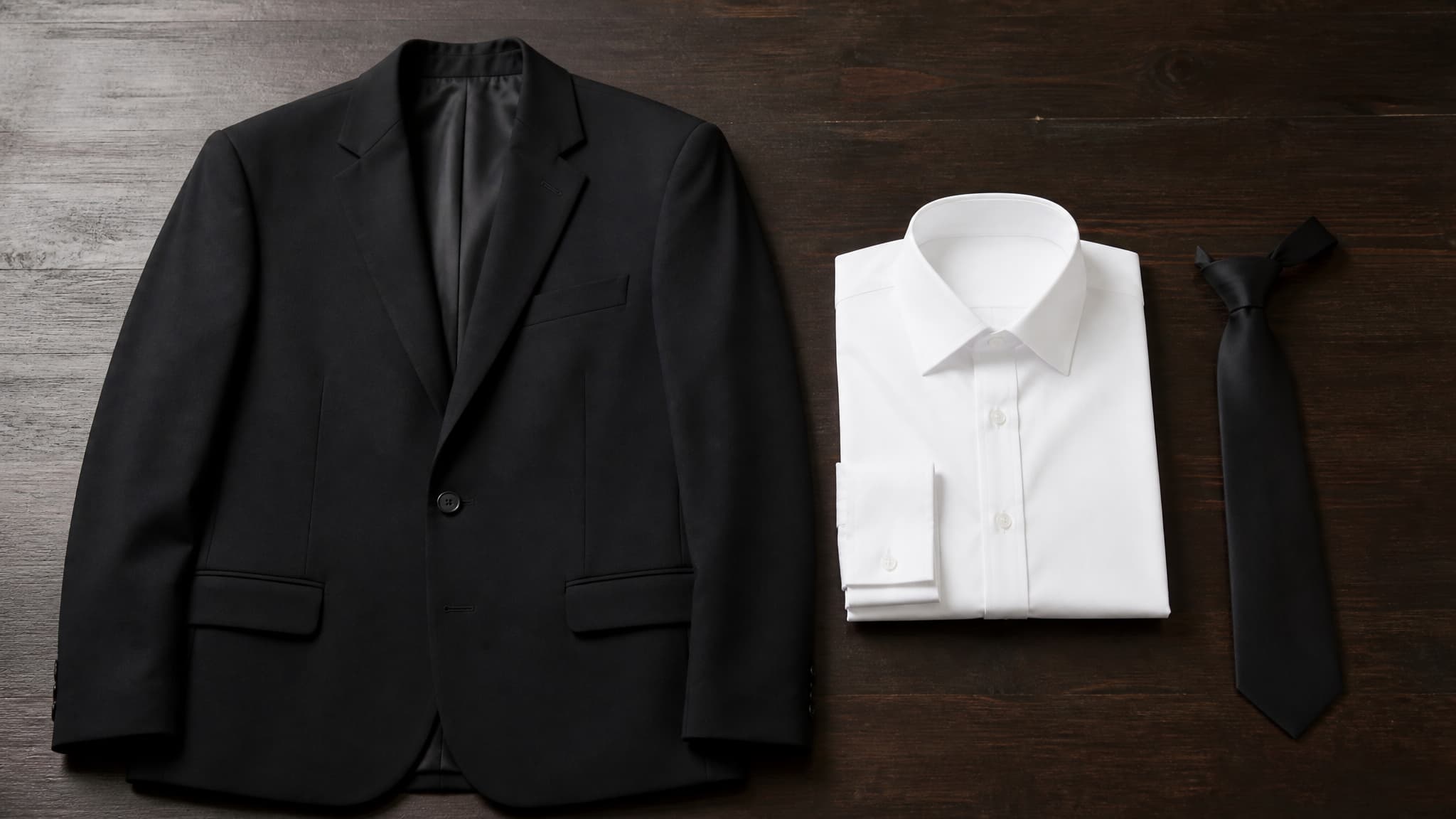
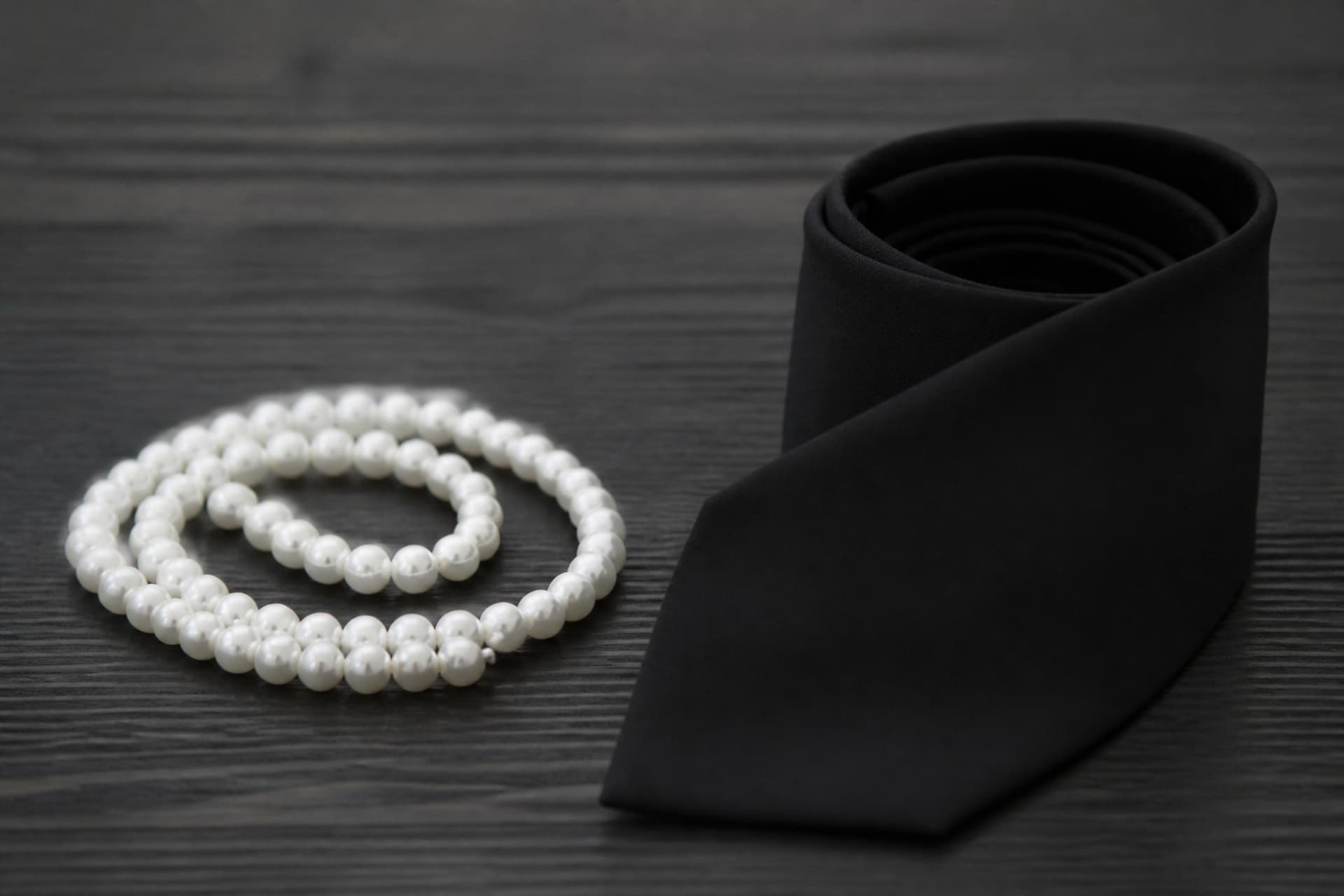
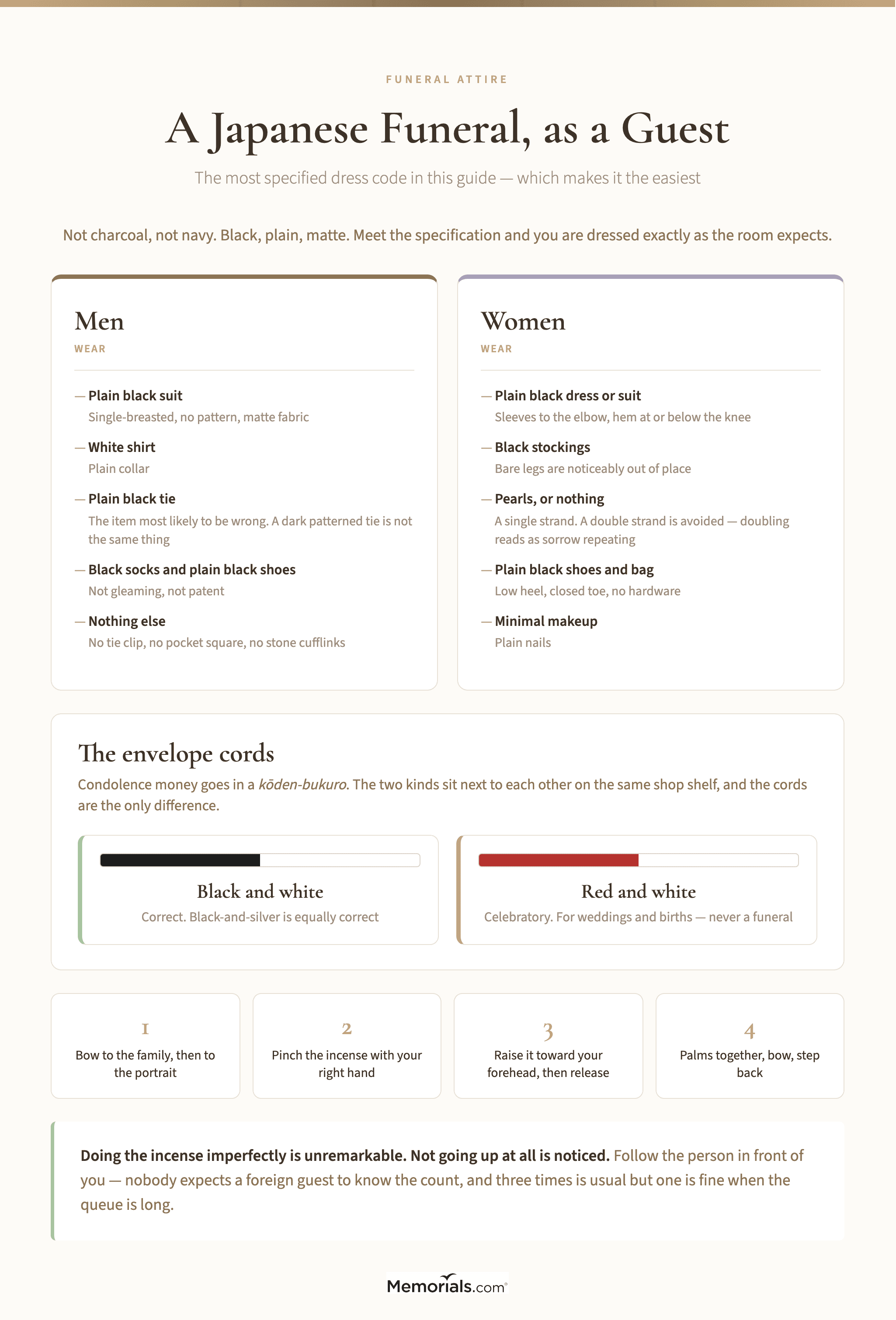
The specification is narrow. Not charcoal, not navy: black. Not a patterned tie: a plain black one. Not jewelry: pearls, or nothing. Meet those and you will be dressed exactly as the room expects, which is the entire objective.
In most of this guide, "dark and muted" is the real rule and black is one option. Japan is the exception. Black is the expectation, and the shade is not negotiable in the way it is elsewhere.
Men: a plain black suit — often called a reifuku or formal-wear suit — with a white shirt and a plain black necktie. Many Japanese men own a suit kept specifically for this.
Women: a plain black dress, or a black suit with a black blouse, covering the shoulders and knees. Black stockings, not bare legs.
No sheen. Matte fabric throughout. Satin, patent leather and anything reflective read as festive.
No visible logos, no contrast stitching, no fashion detail.
This is the opposite end of the range from Chinese funeral attire and Indian funeral attire, where white carries the mourning meaning — a useful reminder that "Asian funeral customs" is not one thing. Compared with how loose the Western convention has become, described in do you have to wear black to a funeral, Japan has kept the older standard almost intact.
What to Wear as a Man
Black suit, single-breasted, plain.
White shirt, plain collar, no button-down if you can avoid it.
Plain black tie. This is the item most likely to be wrong — a dark patterned tie is not the same thing, and plain black ties are sold everywhere in Japan for exactly this reason.
Black socks and plain black leather shoes, unpolished to a shine rather than gleaming.
Remove a flashy watch. A plain one is fine.
No tie clip, no pocket square, no cufflinks with stones.
What to Wear as a Woman
A plain black dress or black suit, sleeves to at least the elbow, hem at or below the knee.
Black stockings. Bare legs are noticeably out of place.
Plain black shoes, low heel, closed toe. Matte.
A plain black bag, small, no hardware.
Pearls, or nothing. A single strand of white or gray pearls is the accepted jewelry. A double strand is traditionally avoided, because doubling is read as sorrow repeating. Nothing gold, nothing bright, nothing that catches light.
Minimal makeup, and nails plain.
A single strand of pearls is the accepted jewellery, and a plain black tie is the item most often got wrong. A double strand is traditionally avoided, because doubling reads as sorrow repeating.
Japan answers this more simply than most traditions, because most children already own the right clothes.
A school uniform is correct, and is the standard answer at any age where the child has one. It is formal wear in Japan, and no one expects a child in uniform to be dressed otherwise.
Without a uniform, plain dark clothing: a white shirt with dark pants or a dark skirt, plain dark shoes. Black specifically is not required of young children.
Navy and dark gray are accepted for children in a way they are not for adults.
No character prints, no bright sneakers, no hair ornaments beyond a plain dark clip.
Infants are simply dressed plainly and quietly; nobody scrutinises a baby's outfit.
Our general guide to funeral clothes for kids covers the Western equivalent, including what to do when the child owns nothing suitable and the service is tomorrow.
Summer, and the Jacket Question
Japanese summers are hot and humid, and the black suit does not go away. Services are almost always held indoors with air conditioning, and the expectation holds.
Keep the jacket on for the service itself, the incense offering and any greeting of the family.
Removing it while waiting outside or traveling is unremarkable — put it back on before you go in.
Short sleeves under the jacket are fine for men, since the shirt is not seen.
Women: sleeves to the elbow at minimum, and black stockings are still expected despite the heat.
Western services are considerably more forgiving in hot weather — see what to wear to a funeral in the summer for how much latitude you actually have there.
The Kōden Envelope
The detail most likely to catch a Western guest, and it is not about clothes at all.
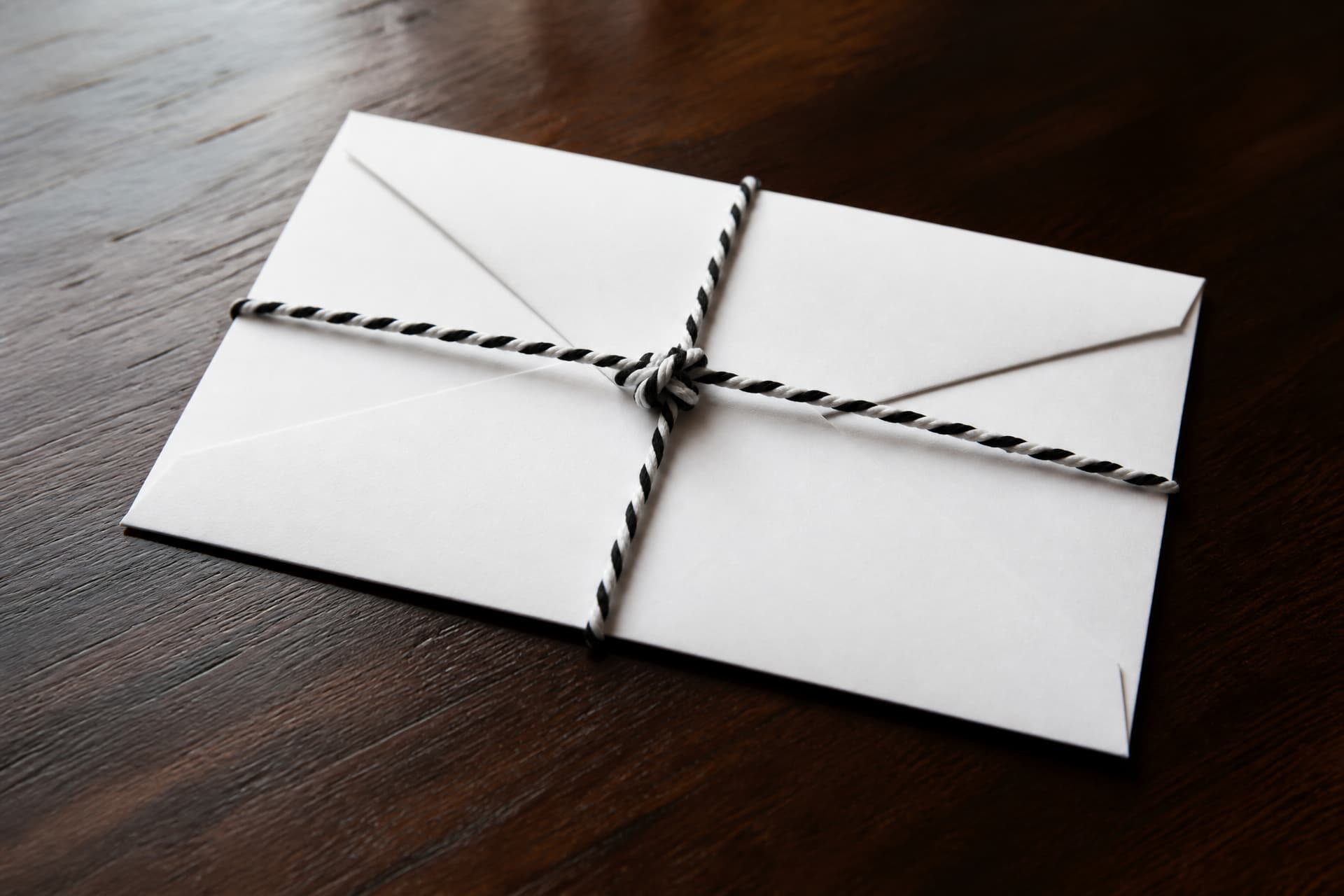
Condolence money — kōden — is customary, and it goes in a special envelope called a kōden-bukuro, sold in convenience stores and stationers throughout Japan.
The cords must be black-and-white, or black-and-silver. Red-and-white cords are for weddings and celebrations, and the envelopes sit next to each other on the same shelf. This is the single easiest mistake to make.
Write your name on the front in the space provided, and the amount inside where indicated.
Carry it in a small cloth (fukusa) if you have one, and hand it over at the reception desk with both hands.
You will usually be given a return gift on leaving. Accept it.
How Much to Give
Amounts follow relationship rather than generosity, and giving conspicuously more than the relationship calls for is its own kind of mistake. As a rough guide:
A colleague or acquaintance: ¥5,000.
A friend: ¥5,000–¥10,000.
A more distant relative: ¥10,000–¥30,000.
A close relative: ¥30,000 and upward.
Two conventions surprise Western guests. Avoid the numbers four and nine — shi and ku sound like the words for death and suffering — so ¥4,000 and ¥9,000 are not given. And use ordinary circulated notes rather than crisp new ones: fresh bills suggest you had them ready, and therefore that the death was expected. If all you have is new notes, fold them once before they go in.
If you are attending outside Japan, ask whether kōden is expected at all — many diaspora services do not follow the custom, and some families explicitly decline it.
Black-and-white cords, never red-and-white. The celebratory envelope sits on the same shelf in the same shop, which is what makes this the easiest mistake to make.
What Happens: the Photo, the Incense, the Bow
Knowing the shape of the ceremony removes most of the anxiety.
The photo. A large framed portrait of the person who died is displayed at the front, usually surrounded by white flowers. The japanese funeral photo is the focus of the room — it is what you bow to, and what the family sits beside. Choosing it is a real task for a Japanese family, and it is often a formal portrait taken years earlier.
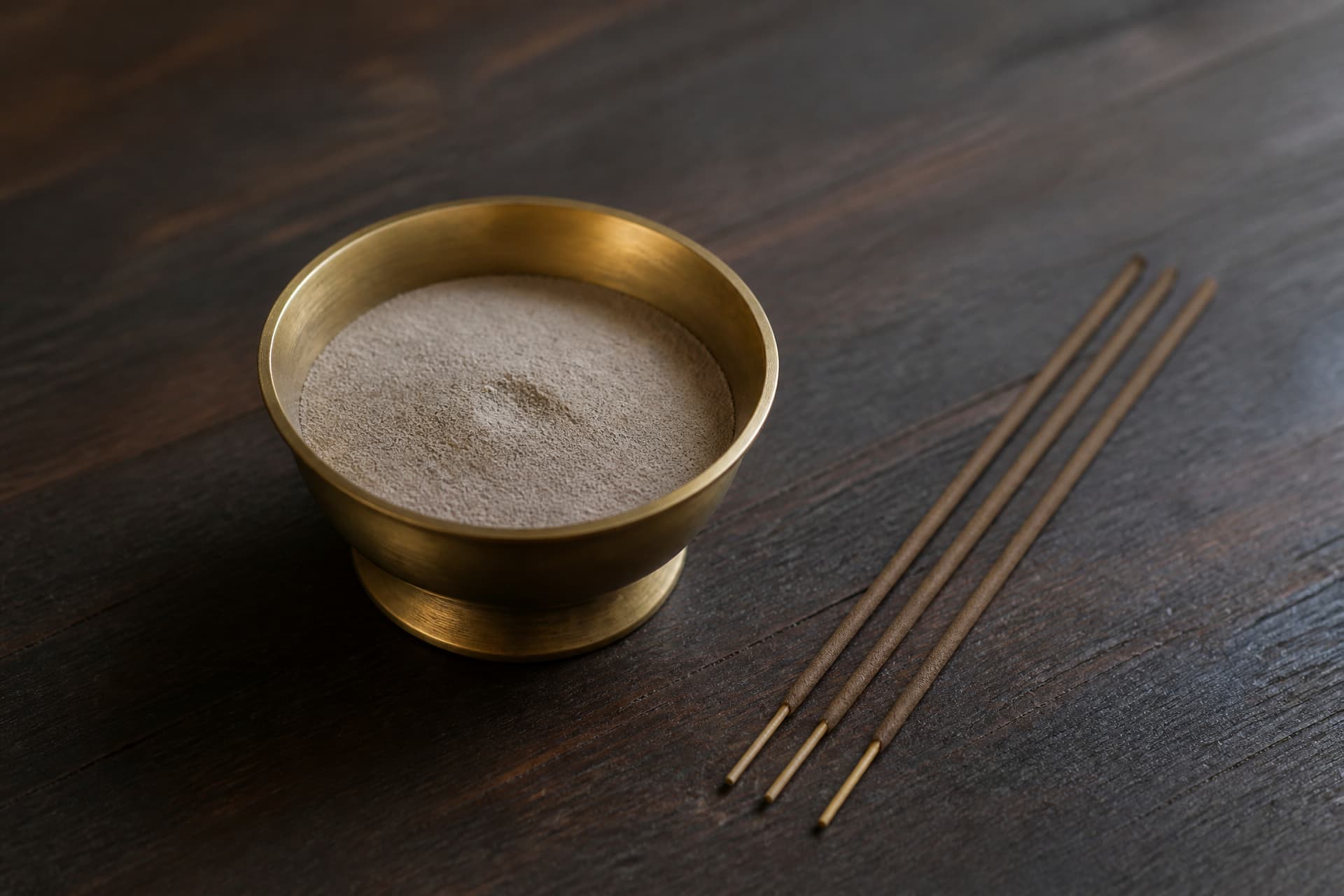
The incense. Guests are invited forward for shōkō, the incense offering. The shape of it:
Bow slightly to the family, then to the portrait.
Take a pinch of the incense granules with your right hand.
Raise it toward your forehead.
Release it into the burner.
Repeat — usually three times, though one is acceptable if the queue is long.
Press your palms together, bow, and step back.
Nobody expects a foreign guest to know this, and following the person in front of you is perfectly acceptable. Doing it slightly wrong is unremarkable; not going up at all is more conspicuous.
Prayer beads (juzu) are carried by many guests but are not expected of you.
The incense offering is the part guests worry about most. Follow the person in front of you — doing it imperfectly is unremarkable, and not going up at all is conspicuous.
The Japanese specification in full, and it is narrower than elsewhere: plain black rather than charcoal or navy, a white shirt, a plain black tie or a single strand of pearls, matte fabrics throughout, and a kōden envelope tied with black-and-white cords.
The Wake and the Funeral Are Two Days
Japanese funerals typically run across two days, and a guest is often invited to only one.
The wake (otsūya) is held on the first evening. It is the event most colleagues and acquaintances attend, and it is often the more practical one for people coming from work.
The funeral service (kokubetsushiki) is the following day, usually the morning, and is generally closer family and close friends.
Cremation follows the service, often the same day, and is usually family only.
If you have been invited without it being clear which, ask. Attending the wake alone is entirely normal and not a lesser gesture.
What the Deceased Wears
A separate question people search for.
Japanese burial clothes for the person who has died are traditionally a kyōkatabira — a plain white garment, historically a pilgrim's robe, dressing the deceased for a journey. It is often accompanied by other pilgrim items: a small bag, a headband, occasionally sandals.
Many modern families instead choose clothes the person liked, or a favorite outfit, and the funeral home will offer both. Cremation follows in almost every case — the practice is near-universal in Japan, and the word for cremation in japanese is kasō.
What Not to Wear
Charcoal or navy instead of black. Fine almost everywhere else in this guide; not here.
A patterned or textured tie.
Anything with sheen — satin, patent leather, metallic thread.
Gold jewelry, or a double strand of pearls.
Bare legs.
A red-and-white envelope, which is the celebratory kind.
Bright nail polish or strong makeup.
A kimono, unless you are Japanese and know the correct formal mourning version. This is not a guest's garment to borrow.
If You Are Not Sure
Japanese funeral etiquette is more codified than most, which makes it easier rather than harder — but Buddhist, Shinto-influenced, Christian and secular services differ, and services held outside Japan are frequently much simpler.
Ask whoever invited you, particularly about whether kōden is expected and which day you are attending. It is a normal question and being asked is taken as care.
Japanese funeral traditions have more to them than the clothes — the days that follow, the memorial services at set intervals, the household altar — and are worth reading about separately if you have a lasting connection with the family.
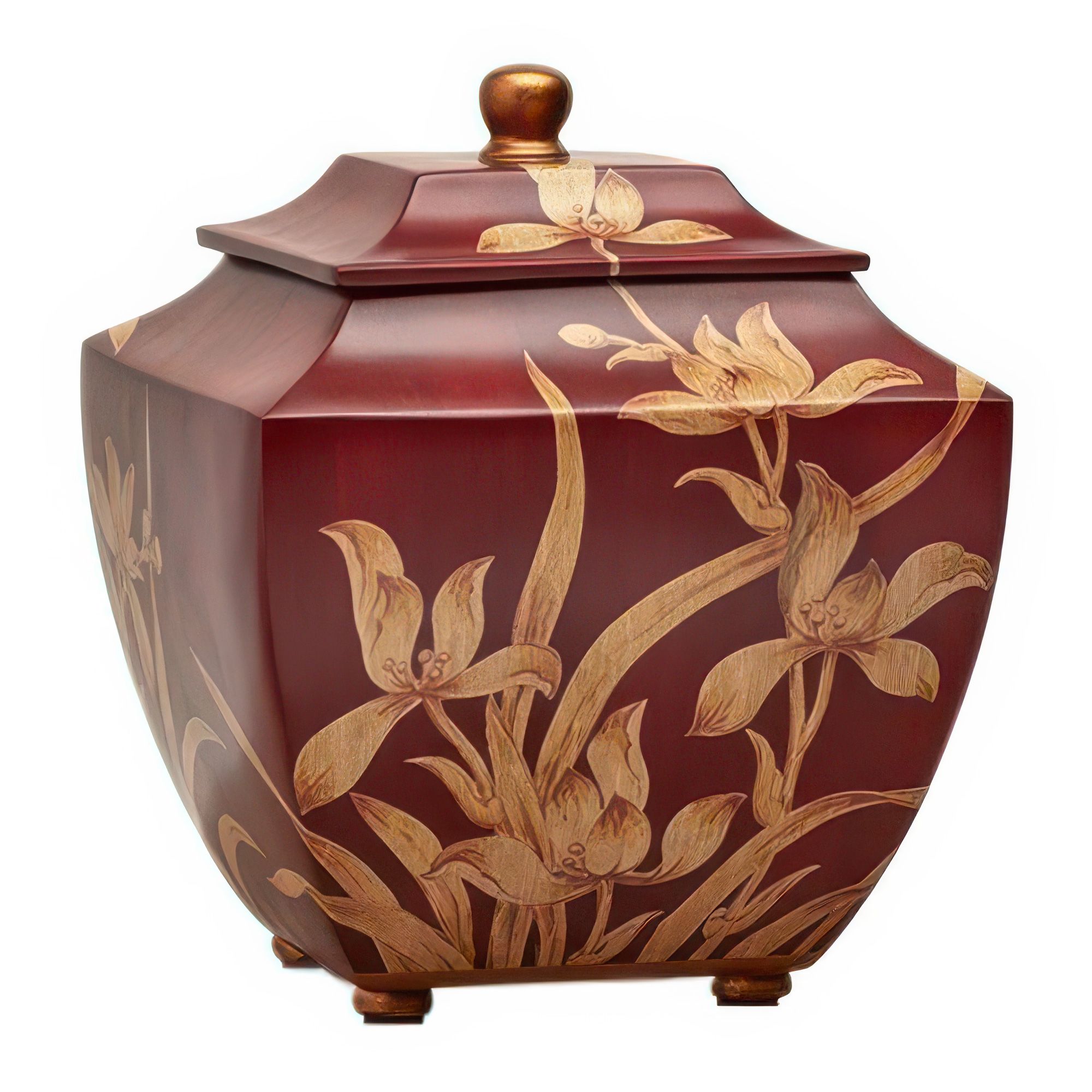
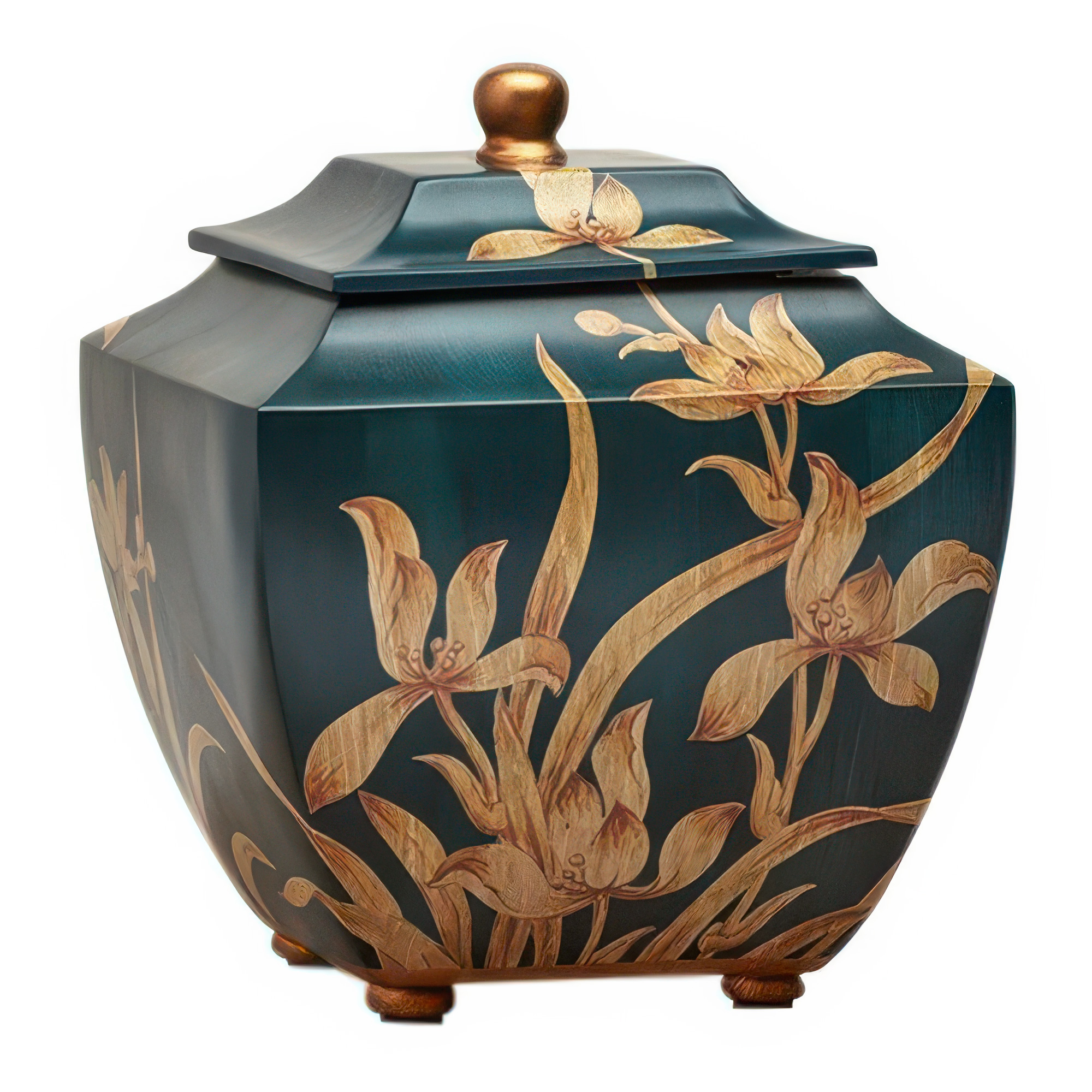
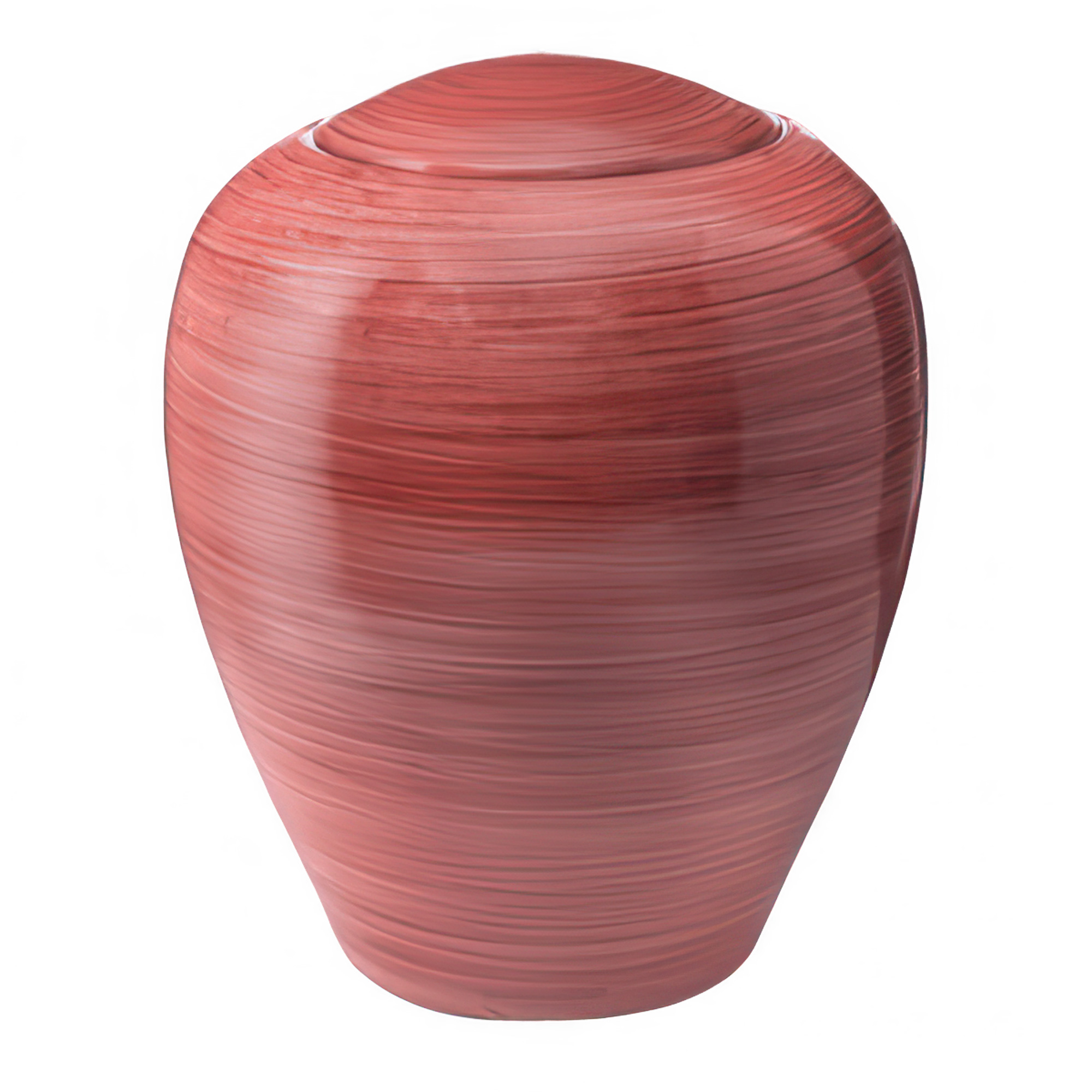
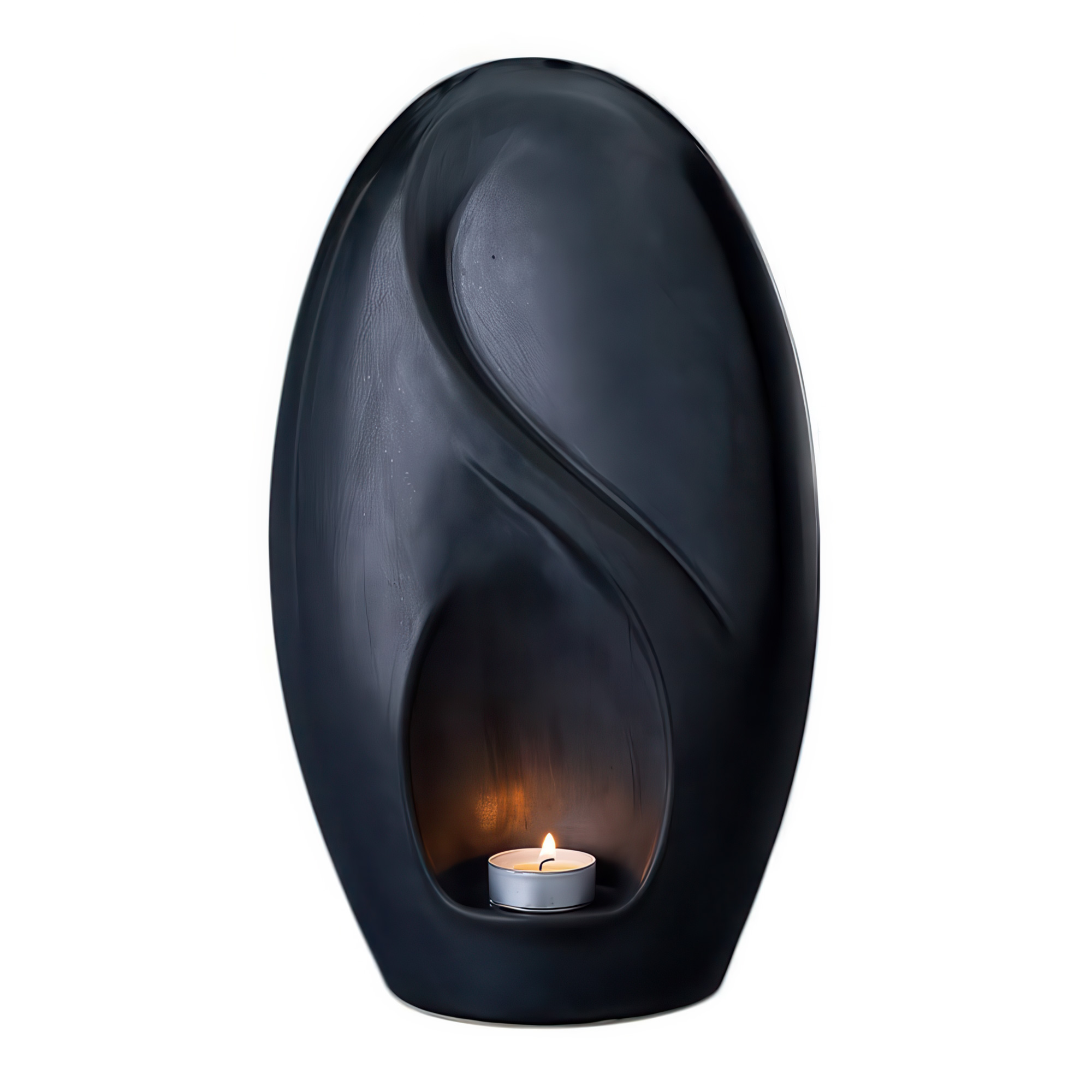
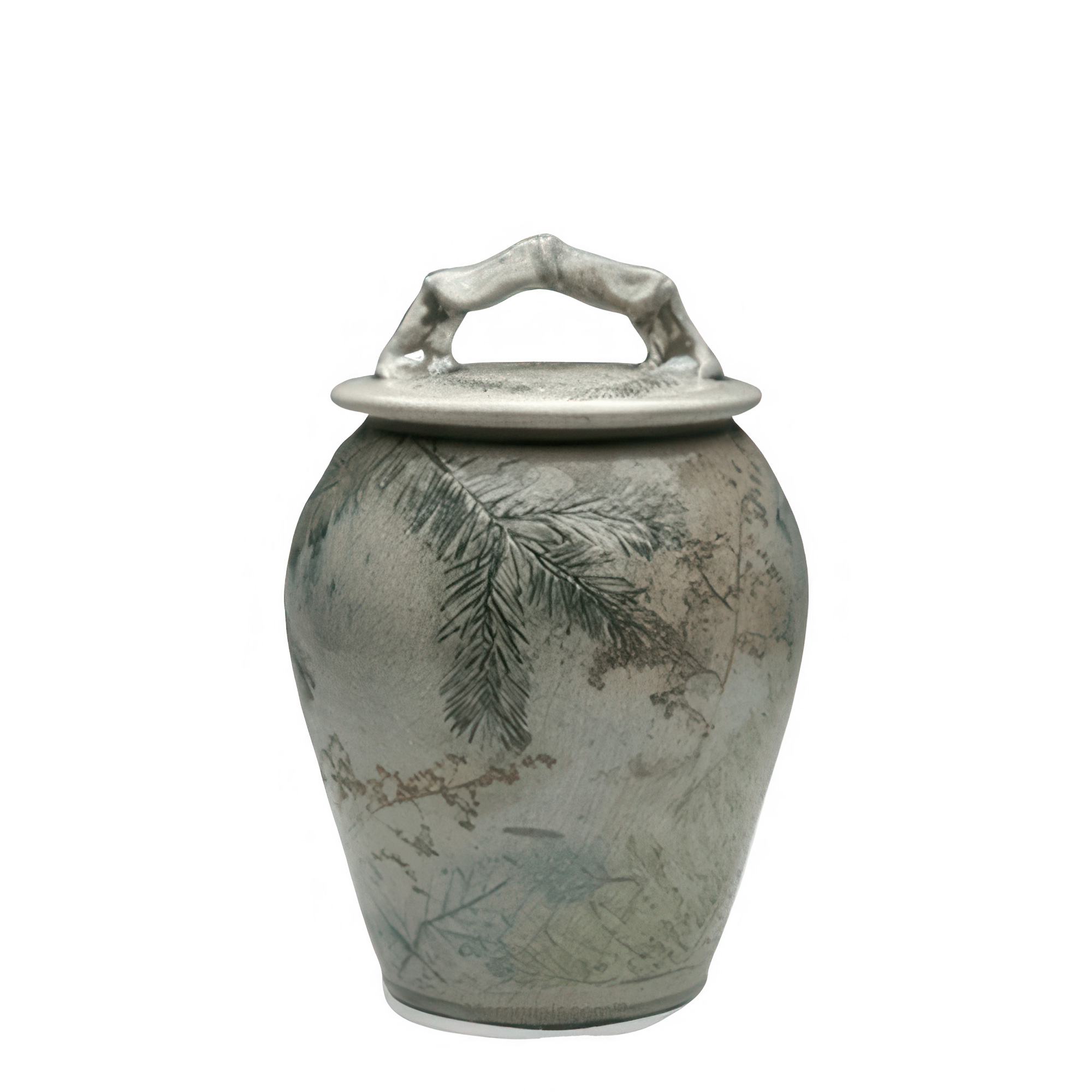
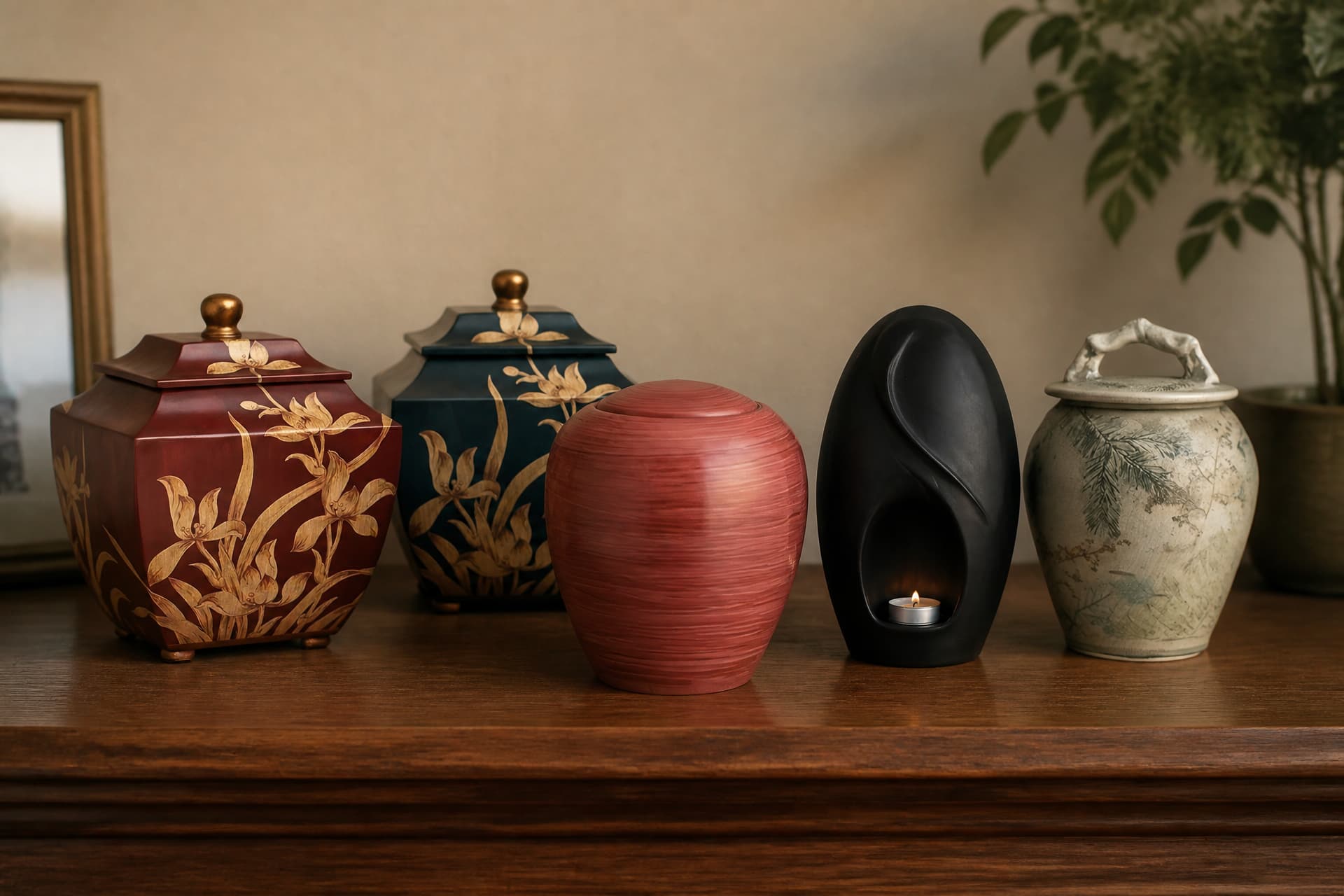
For the urn question, our published guide to the Japanese urn covers shapes and sizes and why they differ from Western ones, and the wider range of ceramic urns includes many in a similar spirit.
Can I wear a dark gray or navy suit? Better not to. Japan is the one tradition in this guide where black specifically is the expectation rather than one dark option among several.
Do I have to give kōden? It is customary in Japan. Outside Japan it often is not — ask whoever invited you.
What if I get the incense ritual wrong? Nobody will mind. Follow the person in front of you, and be aware that not going up at all is more noticeable than doing it imperfectly.
Should I wear a kimono? No. Western black is entirely correct for a guest, and formal mourning kimono is not a garment to borrow.
Which day should I attend? The wake, if you are a colleague or acquaintance. Ask if the invitation is not clear.
My child only owns a school uniform. Is that a problem? It is the opposite of a problem — a school uniform is correct formal wear in Japan and is what most children will be wearing.
Can I take the jacket off in summer? Not during the service. Japanese summers are severe and the expectation holds anyway; take it off outside if you need to and put it back on before you go in.
In Short
Plain black, white shirt, plain black tie or pearls. Black-and-white cords on the envelope, never red-and-white. Follow the person in front of you at the incense burner.
Japanese funeral etiquette has a reputation for being exacting, and it is — but exacting also means specified, and a specification is a much easier thing to meet than a judgment call.