🏬Supersize Online Funeral Retailer🪦1000's of Headstones⚱️Over 10,000 Cremation Urns⚰️Caskets Overnight Delivery🛒Funeral & Memorial Superstore🚚FREE Shipping on ALL Orders👨👩👧👦Helping Families for over 20 Years💰Lowest Price Guarantee🏬Supersize Online Funeral Retailer🪦1000's of Headstones⚱️Over 10,000 Cremation Urns⚰️Caskets Overnight Delivery🛒Funeral & Memorial Superstore🚚FREE Shipping on ALL Orders👨👩👧👦Helping Families for over 20 Years💰Lowest Price Guarantee
🏬Supersize Online Funeral Retailer🪦1000's of Headstones⚱️Over 10,000 Cremation Urns⚰️Caskets Overnight Delivery🛒Funeral & Memorial Superstore🚚FREE Shipping on ALL Orders👨👩👧👦Helping Families for over 20 Years💰Lowest Price Guarantee🏬Supersize Online Funeral Retailer🪦1000's of Headstones⚱️Over 10,000 Cremation Urns⚰️Caskets Overnight Delivery🛒Funeral & Memorial Superstore🚚FREE Shipping on ALL Orders👨👩👧👦Helping Families for over 20 Years💰Lowest Price Guarantee
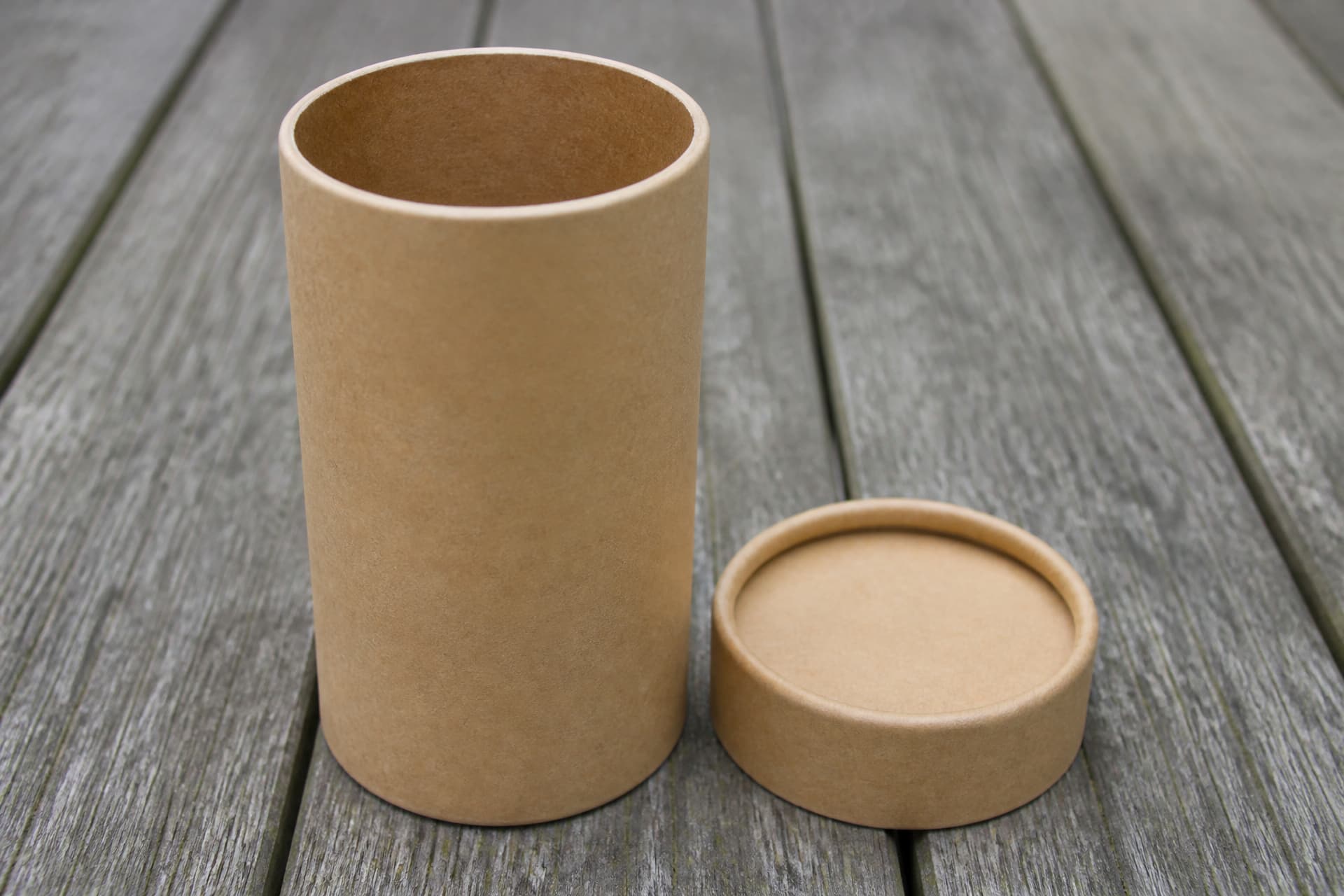
A scatter tube for ashes is a cardboard cylinder with a lid that comes off in one piece, designed so that cremated remains leave in a controlled line rather than a cloud. That is the whole idea, and it is a better one than it sounds.
The alternative — tipping a plastic bag out of an urn, in wind, with people watching — goes wrong often enough that an entire product category exists to prevent it. If you have a scattering planned and have been picturing the bag, this page is about the thing that replaces it.
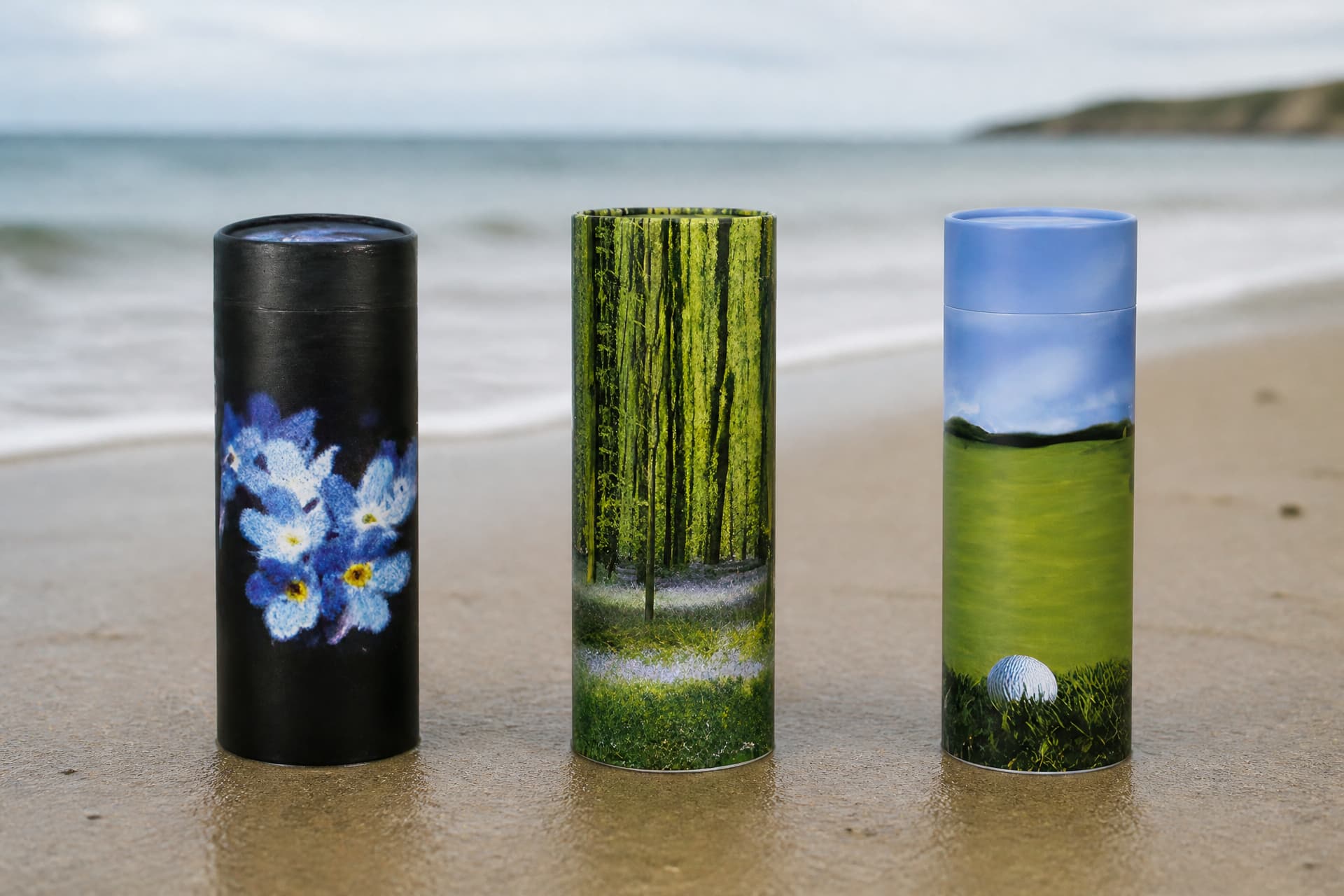
The whole mechanism. A lid that lifts off in one piece, a rim you can grip with one hand, and a wall stiff enough not to buckle when it is half empty.
A rigid cardboard tube, usually between eight and fourteen inches tall depending on capacity.
A push-on lid that lifts straight off. Not a screw thread, not a plug — the point is that it opens with one hand, outdoors, possibly in gloves.
A plain inner wall with no coating to catch ash.
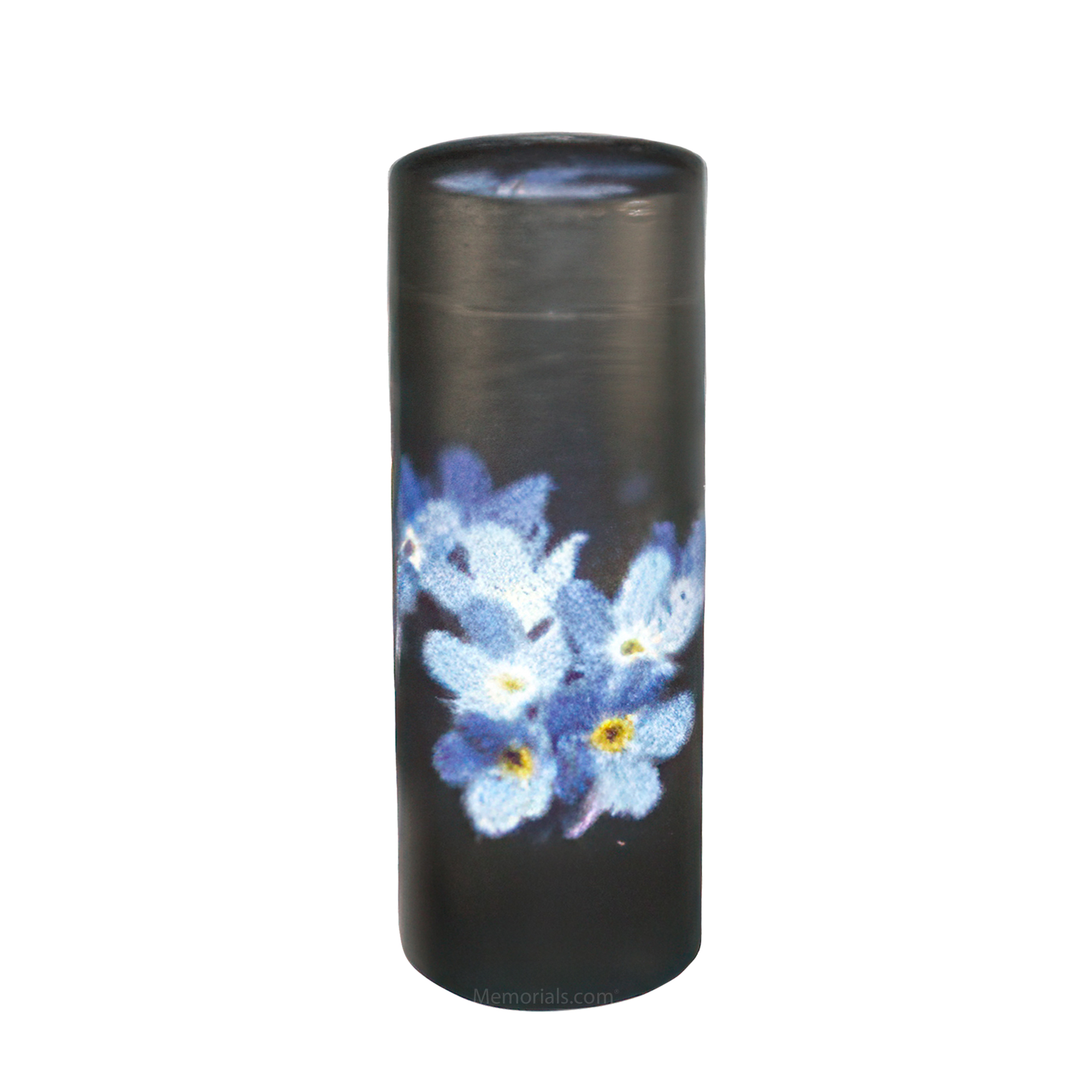
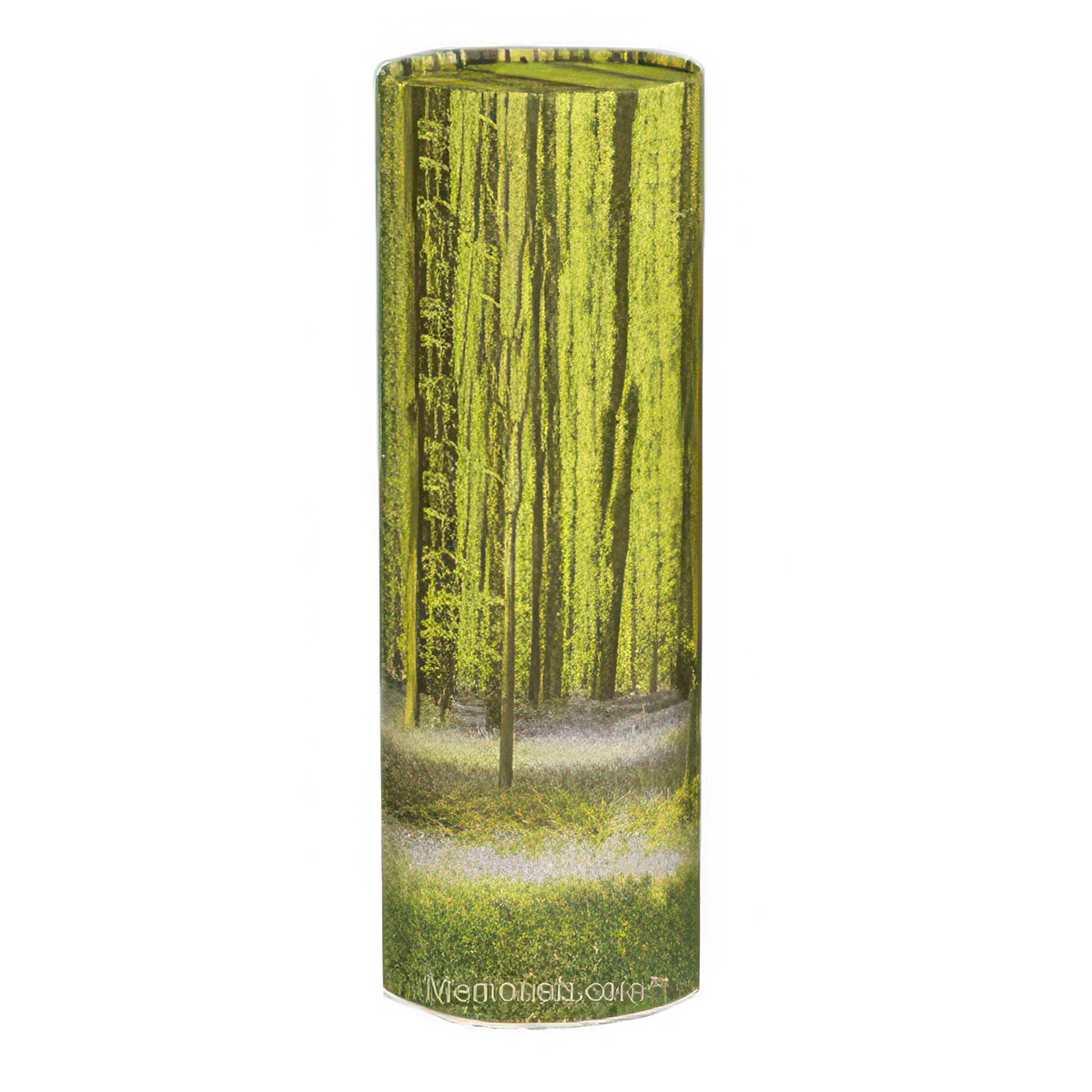
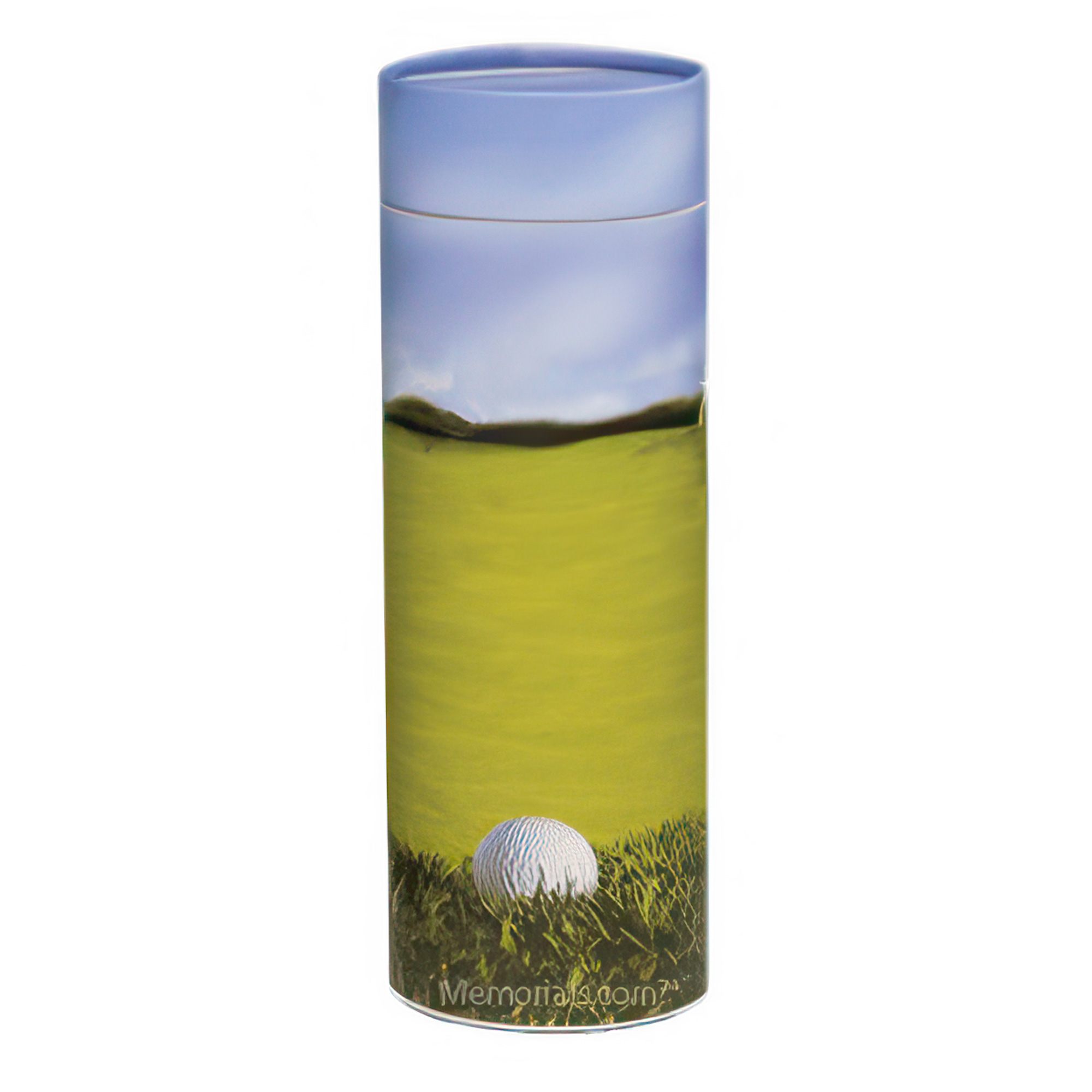
A printed outer wrap, which is the only part that varies much between one and another.
What it is not is an urn. It is not built for display, it is not sealed against moisture, and it is not designed to sit on a shelf for twenty years. It exists for one afternoon.
Scatter tubes come in full size, which holds the complete remains of an adult, and in smaller sizes meant for dividing a portion between several people or several places. If more than one person is scattering, the small ones are usually the better buy, and our guide to what size urn do I need covers the capacity arithmetic, which is the same for tubes.
Three practical reasons, and the third is the one people only discover afterward.
Control. The opening is narrow and fixed, so the rate is roughly constant whatever you do with your arm. Ashes leave in a stream you can aim. Tipping a wide-mouthed urn gives you no such control — it comes in a rush at the start and then stops, and correcting mid-pour is how people end up wearing it.
One hand. A scattering is not a convenient moment to be managing a lid, a bag, a twist tie and an urn. The tube opens one-handed and stays open.
It does not look like a container of remains. On a public beach or a trail, a plain printed cylinder reads as a thermos. Families consistently say this mattered more than they expected, because being watched is the part nobody plans for.
How to Use One, Step by Step
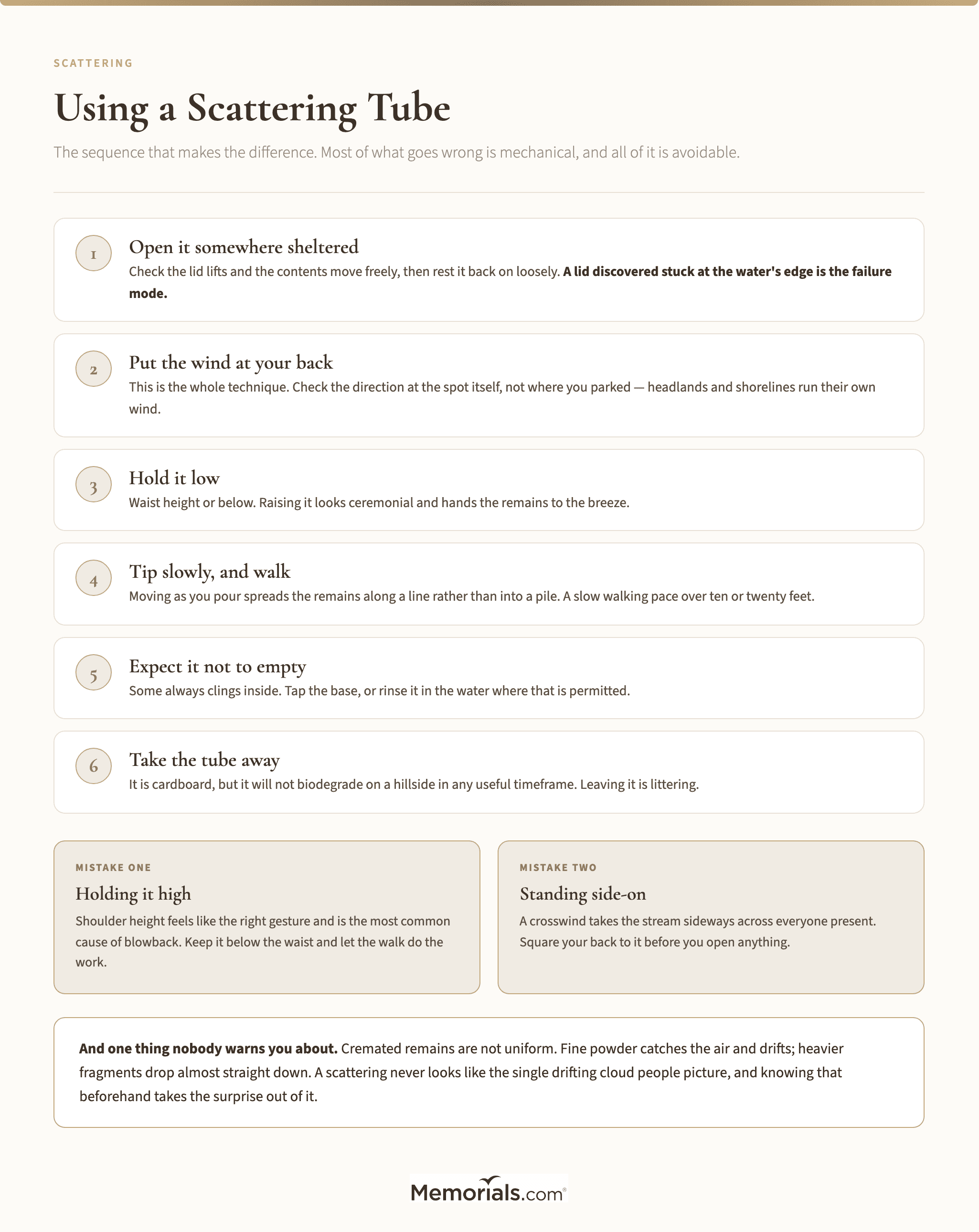
1. Open it before you need it. Take the lid off while you are still somewhere sheltered, check that the remains move freely, and put the lid back on loosely. Discovering a stuck lid at the water's edge is the failure mode. 2. Find the wind and stand with your back to it. This is the whole technique. Wind at your back, arm extended downwind, and the ash goes away from you. 3. Hold it low, not high. Waist height or below. Raising it looks ceremonial and guarantees the breeze takes it sideways. 4. Tip slowly and walk. Moving while you pour spreads the remains over a line rather than a pile. A slow walking pace over ten or twenty feet works. 5. Expect it not to empty completely. Some always clings to the inside. Tap the base, or rinse the tube in the water if you are at a shoreline and it is permitted. 6. Take the tube away with you. It is cardboard, so it will not biodegrade on a hillside in any useful timeframe, and leaving it is littering.
The one thing nobody warns you about: cremated remains are not uniform. There is fine gray powder, and there are heavier fragments. The powder catches the air and drifts; the fragments drop almost straight down. So a scattering never looks like the single drifting cloud people picture. Knowing that in advance takes the surprise out of it.
The sequence that makes the difference, and the two mistakes that account for most of what goes wrong.
Where You May Scatter
The tube is the easy part. Permission is not.
Broadly: your own land is yours, land you do not own needs the owner's consent, and public land varies by jurisdiction and by agency. Some states are explicit — Iowa, for instance, bars scattering on public property outright, and bars it on private property without the owner's consent. Federal land, state parks, and beaches each have their own rules, and "nobody will know" is a plan rather than a permission.
Four things actually differ, and price is the least of them.
What to check
Why it matters
Capacity
Full size versus keepsake size
A full adult's remains need the full size; dividing needs several small ones
Lid fit
Push-on, lifts in one piece
A screw lid needs two hands at the worst moment
Wall stiffness
Does it hold shape half empty
A soft tube buckles and the stream stutters
Water behavior
Floats or sinks, and how fast
Only matters if you are releasing it on water rather than pouring
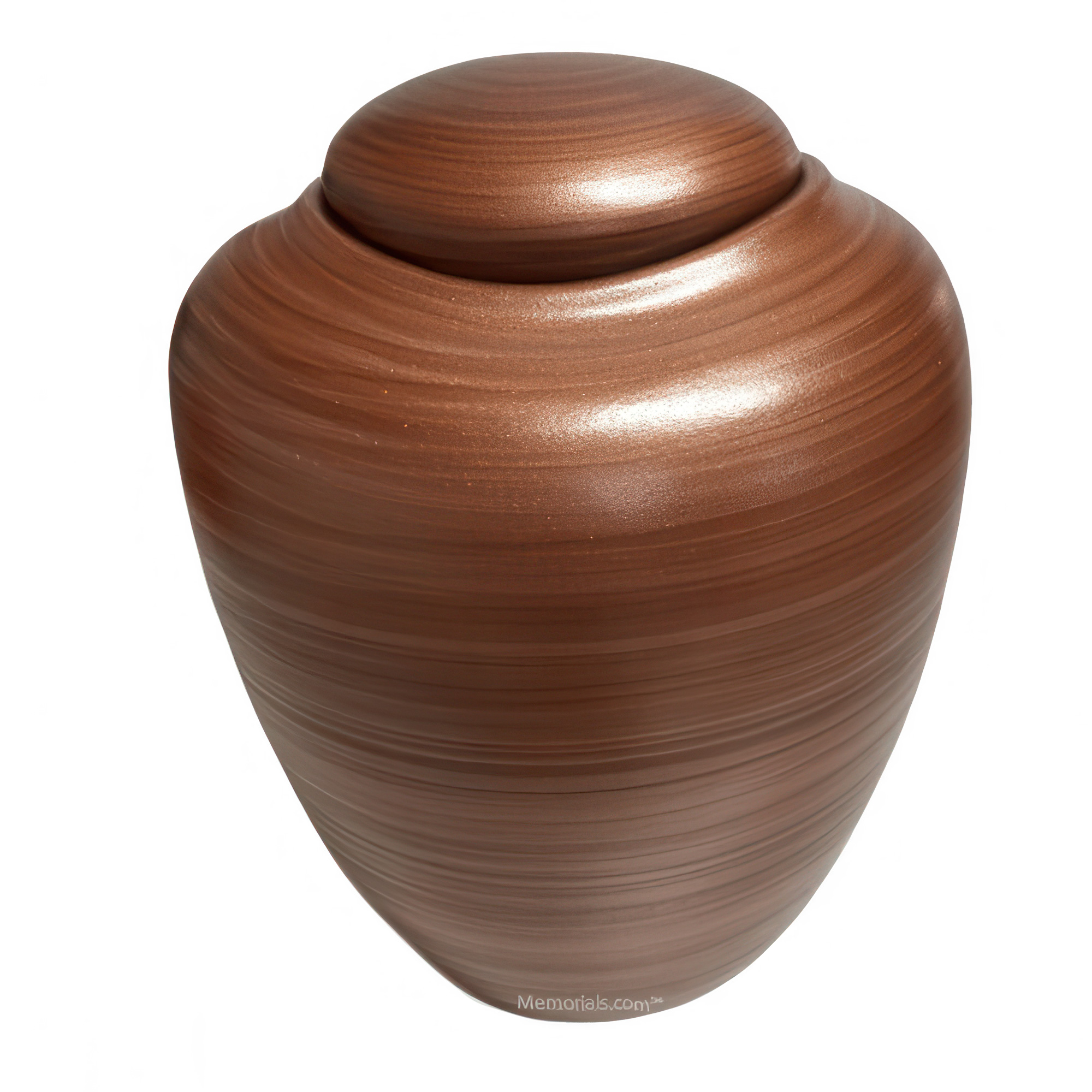
If the plan is a water release rather than a scatter — the tube goes in and goes down — that is a different product and a biodegradable urn built for water is the right one. A scattering tube left to float will drift back, which is a bad memory to create.
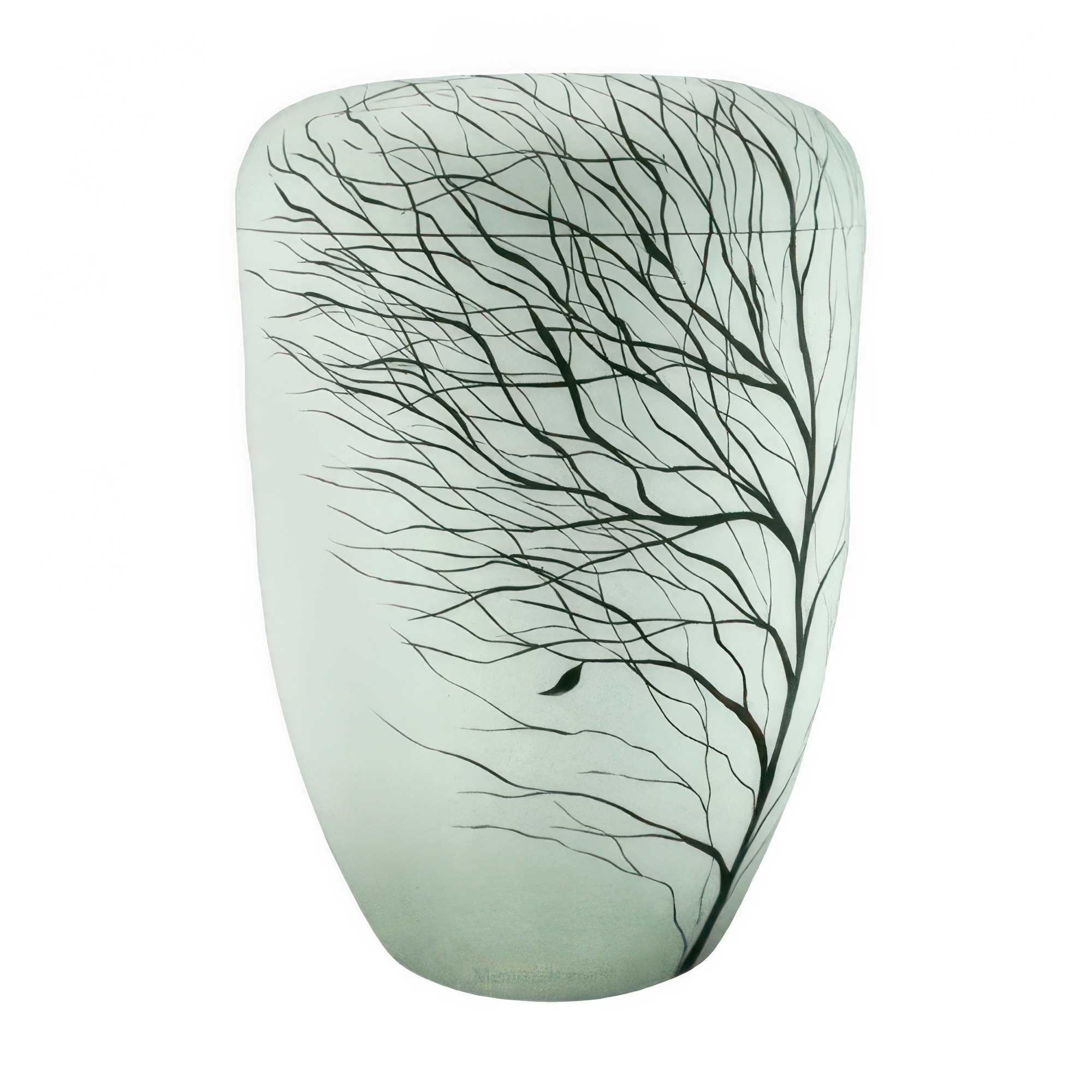
Worth knowing, because the search terms separate but the products overlap. A scattering urn does the same job with a more finished exterior — a tapered shape, a wooden or metal body, sometimes a sliding panel instead of a lift-off lid. Families choose one when the scattering is also a gathering, and a plain cardboard tube would feel too casual for the occasion.
The mechanism is the same: a controlled opening and a shape you can aim. Our scatter urn range covers both ends of that, and whichever urn for ashes you pick, the test is identical — can you open it with one hand, and does the opening restrict the rate.
Making One: What DIY Does and Does Not Solve
A diy scattering tube is a reasonable project, and the honest answer is that the hard part is not the tube.
A mailing tube from a stationer, trimmed to length, works mechanically. Heavy card stock rolled and taped works. What neither gives you is a lid that lifts cleanly in one piece — homemade caps either jam or fall off — and that is the component the whole design exists for. If you make one, spend the effort there and test it loaded with sand before the day.
Two genuine advantages to making it. You can size it exactly, which matters when dividing remains between several people. And you can decorate it, which for some families is part of the point — children's handwriting on the outside is not something you can buy.
One thing to avoid: do not seal the seam with anything that will not hold. A tube that opens along its length while being carried is the worst possible outcome, and tape under tension does exactly that in cold weather.
What to Do With the Tube Afterward
It is cardboard and it is empty, and most families find they do not want to simply bin it. Reasonable options: keep it, since it folds flat; recycle it, since it is uncoated card; or burn it, if you are somewhere that allows a fire and that feels right.
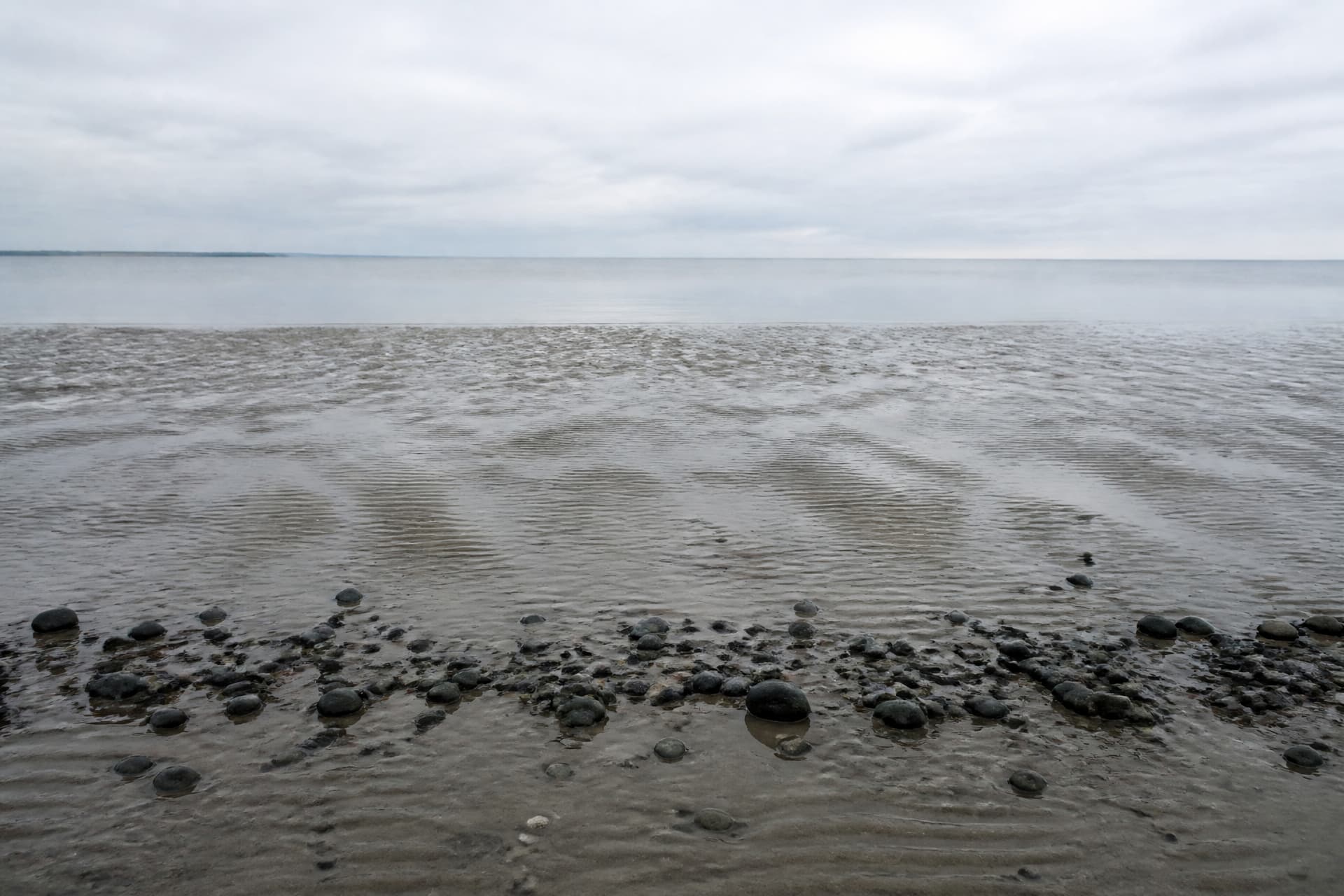
Most scatterings happen somewhere like this, and most of the planning that matters is about wind rather than ceremony.
What They Cost, and Where the Money Goes
A scattering tube is among the cheapest things in the whole category, and the price spread is almost entirely about the printed wrap rather than the mechanism. A plain kraft tube and a decorated one do the same job equally well.
That matters because of how people actually buy. A family choosing a scattering often buys a permanent urn as well — a portion kept back, a keepsake for someone who could not travel — and the tube is the small purchase beside the large one. Treat them as separate decisions. The tube is judged on whether the lid lifts cleanly; the urn is judged on whether you want to look at it for twenty years. Our urn selection guide covers the second question, and nothing about it should be decided to match the tube.
If cost is the constraint rather than a detail, note that a scattering is the cheapest disposition there is once cremation is paid for. There is no plot, no opening fee and no marker, which is a large part of why families choose it — and the cost to bury cremated ashes shows what the alternative runs to.
When More Than One Person Is Scattering
This is the common case and it is worth planning, because dividing remains on the day, outdoors, is miserable.
Divide beforehand, indoors, over a table. Several small tubes rather than one large one, filled at home where a spill is recoverable. If the family is scattering in different places on different days, that is the only arrangement that works at all.
If dividing the remains itself gives anyone pause — and it does for a lot of families, sometimes on religious grounds — is it wrong to separate cremated ashes treats the question seriously rather than brushing it aside. Settle it before the tubes are bought, not after.
Practical note for a group: decide in advance who pours. Passing a tube between several people mid-scatter is how it gets dropped, and a dropped tube on a windy headland ends the ceremony in the worst way available.
When a Tube Is the Wrong Choice
Three cases, and they are common enough to name.
You are burying rather than scattering. Cardboard in soil collapses within a season and the remains disperse into the ground, which may be exactly what you want or may not be. If you want a defined spot that stays defined, bury a proper container.
You are releasing onto water. A tube pours; it does not sink. For a release you want a container built to go down and break apart, not a cylinder that floats back on the tide.
You have not decided yet. A tube commits you to scattering, and it is a one-way decision in a way that keeping ashes is not. If the family is still discussing it, keep the remains in something sealed and decide later. The option stays open indefinitely; it does not stay open once poured.
Frequently Asked Questions
What is a scatter tube? A rigid cardboard cylinder with a lift-off lid, made to release cremated remains in a controlled stream rather than all at once. It is not designed for display or long-term storage — it exists for the scattering itself.
How do you use a scattering tube? Open it somewhere sheltered first to check the lid and that the contents move. Stand with your back to the wind, hold the tube at waist height or below, tip slowly, and walk as you pour so the remains spread along a line. Take the empty tube away with you.
Will the ashes blow back on me? Not if the wind is behind you and you keep the tube low. Blowback happens when people raise it to shoulder height or stand side-on to the breeze. Check the wind direction at the spot, not at the parking lot.
Do scatter tubes float? Most will, being cardboard, which is why a tube is for pouring rather than for releasing onto water. If the plan is to release a container into water, use a biodegradable urn designed to sink and break down.
Can I make my own? Yes, and the tube itself is easy. The lid is the hard part — homemade caps jam or fall off, and that is the one component the design exists for. Test it loaded with sand before the day.
How much does a scattering tube hold? A full-size tube holds the complete cremated remains of an adult. Smaller sizes are made for dividing a portion between people or places, which is the common use when several family members each want to scatter somewhere.
Is it legal to scatter anywhere? No. Your own land is straightforward; anywhere else needs the landowner's permission, and public land varies by jurisdiction and agency. Check before the day rather than on it.
The Part That Is Not About Equipment
A scattering tube solves a mechanical problem, and solving it matters more than it seems — the families who remember the scattering badly almost always remember a practical failure rather than an emotional one. The wind caught it. The bag would not open. Someone had to kneel on a beach wrestling with a twist tie.
Get the mechanism right and it disappears, which is what you want from it. Nobody should be thinking about the container at the moment they are using it, and the whole value of a well-made tube is that it asks nothing of you on a day when you have nothing to give it.