🏬Supersize Online Funeral Retailer🪦1000's of Headstones⚱️Over 10,000 Cremation Urns⚰️Caskets Overnight Delivery🛒Funeral & Memorial Superstore🚚FREE Shipping on ALL Orders👨👩👧👦Helping Families for over 20 Years💰Lowest Price Guarantee🏬Supersize Online Funeral Retailer🪦1000's of Headstones⚱️Over 10,000 Cremation Urns⚰️Caskets Overnight Delivery🛒Funeral & Memorial Superstore🚚FREE Shipping on ALL Orders👨👩👧👦Helping Families for over 20 Years💰Lowest Price Guarantee
🏬Supersize Online Funeral Retailer🪦1000's of Headstones⚱️Over 10,000 Cremation Urns⚰️Caskets Overnight Delivery🛒Funeral & Memorial Superstore🚚FREE Shipping on ALL Orders👨👩👧👦Helping Families for over 20 Years💰Lowest Price Guarantee🏬Supersize Online Funeral Retailer🪦1000's of Headstones⚱️Over 10,000 Cremation Urns⚰️Caskets Overnight Delivery🛒Funeral & Memorial Superstore🚚FREE Shipping on ALL Orders👨👩👧👦Helping Families for over 20 Years💰Lowest Price Guarantee
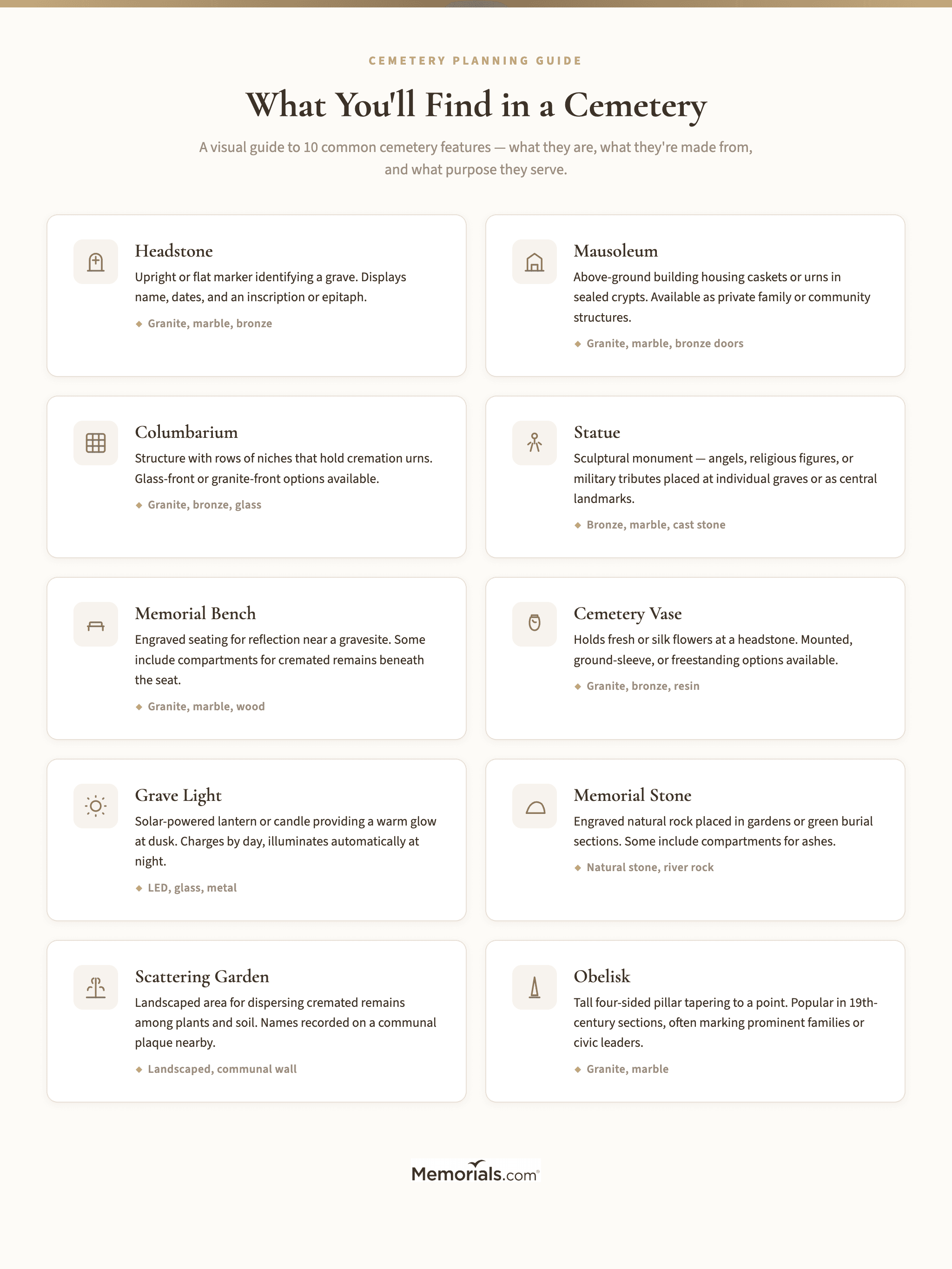
Cemeteries hold far more than rows of markers and manicured lawns. Walk through any modern cemetery and you will encounter a surprising range of structures, monuments, and personal touches — each one designed to honor a life in a distinct way. Whether you are navigating cemetery decisions for a loved one or simply curious about what lies beyond the entrance gates, understanding each cemetery feature helps you make informed choices and appreciate the landscape with deeper awareness.
This guide walks through every major element you will find in a cemetery, from towering monuments to the smallest solar-powered light at a gravesite. Along the way, we connect each feature to the products and resources that can help you personalize a memorial of your own.
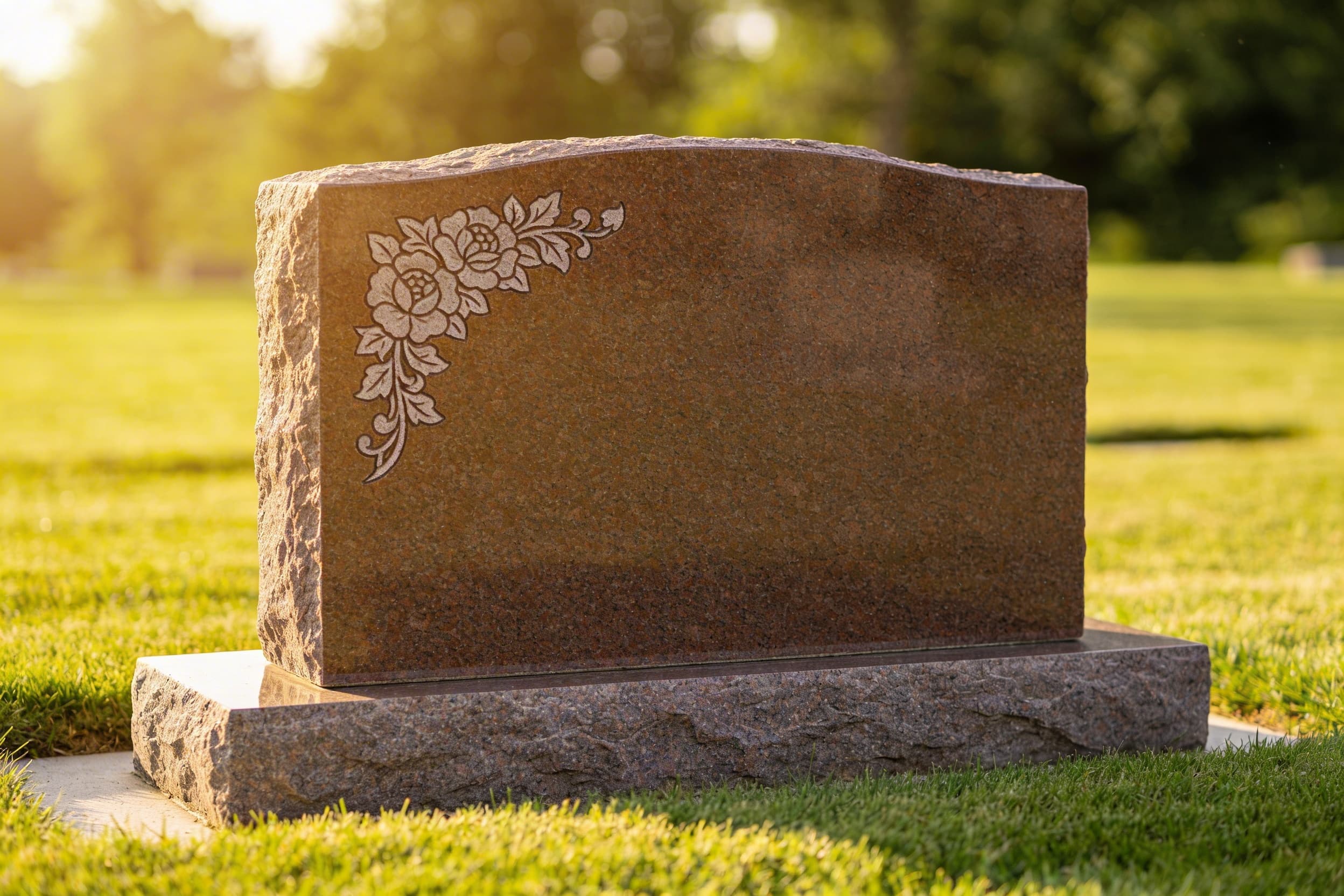
Headstones are the most recognizable feature of any cemetery. These permanent markers identify who is buried at a gravesite and typically display the person's name, birth and death dates, and a brief inscription or epitaph.
Headstones come in several forms. Upright monuments stand vertically and range from modest tablets a foot or two tall to towering family monuments that dominate a section. Flat markers, also called lawn-level markers, sit flush with the ground and create a uniform look preferred by many modern memorial parks. Slant markers are cut at an angle so the inscribed face tilts toward the visitor, making text easier to read from a standing position.
Materials vary widely. Granite is the most common choice because of its resistance to weathering and its capacity to hold finely etched details for decades. Bronze markers mounted on granite bases offer a sleek, formal appearance. Marble, once the standard, appears frequently in historic sections but is less popular today because it erodes faster than granite.
For families choosing cremation, dedicated cremation headstones provide above-ground monuments that incorporate a compartment for the urn, combining memorialization and interment in a single structure. If you are comparing styles, our guide to the best memorial options for a cemetery walks through the most popular choices side by side.
Grave Markers and Flat Memorials
While often used interchangeably with headstones, grave markers can refer specifically to flat or low-profile memorials. These include flush bronze markers used in national and veterans' cemeteries, where uniformity is a requirement, and granite flat markers placed at ground level across lawn-style cemeteries.
Flat markers are generally more affordable than upright monuments and are easier for grounds crews to maintain because mowing equipment can pass directly over them. Many cemeteries that enforce a "flat only" rule in certain sections do so to preserve a clean, park-like appearance.
Some flat markers also serve dual functions. Cremation grave markers include a built-in compartment beneath the stone for an urn, providing both permanent identification and a dignified resting place for cremated remains.
Mausoleums
A mausoleum is an above-ground building that houses the remains of one or more individuals within sealed crypts. These structures range from modest private family mausoleums the size of a small shed to grand community mausoleums with hundreds of crypts arranged along marble corridors.
Community mausoleums, sometimes called garden mausoleums when their crypts face the outdoors, offer climate-protected interment. Indoor versions allow visitors to pay their respects regardless of weather. Private family mausoleums are custom-built structures that can feature bronze doors, stained-glass windows, and architectural details reflecting the family's heritage or faith.
Mausoleum entombment is an alternative for families who prefer above-ground placement. It eliminates the need for a burial vault and provides a permanent, dry, and protected environment for either a casket or a cremation urn.
Columbariums and Cremation Niches
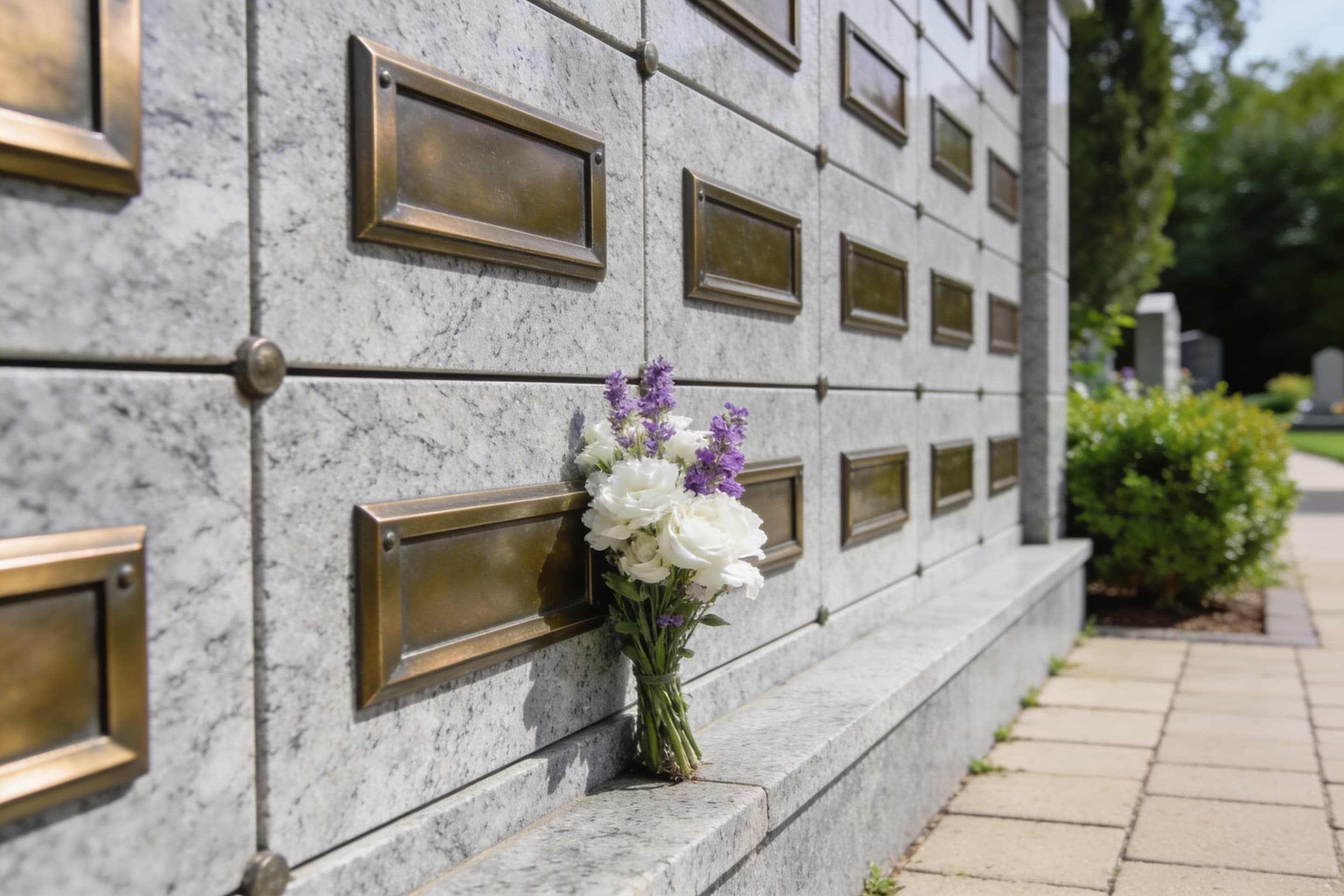
As cremation rates in the United States have climbed past 60 percent, columbariums have become one of the fastest-growing features in cemeteries. A columbarium is a wall, building, or freestanding structure that contains rows of small compartments — called cremation niches — where urns are permanently placed.
Some niches have glass fronts, allowing visitors to see the urn and any personal items displayed alongside it. Others have granite or bronze fronts that can be engraved with the person's name, dates, and a short inscription. To learn more about how these structures are organized and what they cost, see our detailed guide on how columbariums work.
Columbariums appear in many configurations. They may be built into an exterior garden wall, housed inside a mausoleum, or designed as standalone structures with benches and landscaping surrounding them. Choosing a niche offers a middle ground between scattering ashes and traditional ground burial — the remains stay in one identifiable place, and the niche plaque serves as a permanent record.
Statues and Sculptural Monuments
Cemetery statues add a powerful visual presence to any gravesite. Angel statues are among the most recognizable — weeping angels, praying figures, and guardian angels have appeared in cemeteries for centuries and continue to be one of the most requested sculptural forms.
Beyond angels, you will find religious figures, military tributes, children's sculptures, and abstract forms that express themes of love, loss, and hope. Materials include cast bronze, carved marble, and poured stone. Bronze statues weather gracefully and develop a distinctive patina, while marble figures carry a classical elegance that ties older cemetery sections to their historic roots.
Statues are not limited to individual gravesites. Many cemeteries commission large central monuments — war memorials, community tributes, or historical markers — that serve as gathering points for ceremonies and remembrance events.
Memorial Benches
Memorial garden benches offer visitors a place to sit, reflect, and spend time near a loved one's resting place. Made from granite, marble, cast stone, or weather-treated wood, these benches often feature engraved inscriptions — a name, a meaningful quote, or a date — turning a functional piece of furniture into a lasting tribute.
Some cemeteries position memorial benches along pathways, near scenic overlooks, or beneath shade trees. Others allow families to place a personalized bench directly adjacent to a gravesite. In certain memorial parks, the bench itself functions as the primary grave marker, with cremated remains interred beneath or within the bench structure.
Cemetery Vases and Flower Holders
Fresh flowers are one of the most universal symbols of remembrance at a gravesite. Cemetery vases provide a dedicated, secure place to display arrangements without worrying about them tipping over or blowing away.
Common types include granite vases that mount directly onto the headstone base, bronze vases that insert into a ground sleeve and can be removed during mowing, and plastic or resin vases that sit atop flat markers. Some cemeteries restrict vase types to maintain a uniform appearance, so it is always worth checking the rules before purchasing one.
Beyond attached vases, many families place seasonal flowers directly into the soil in front of a grave. Roses, mums, marigolds, and poinsettias are among the most popular choices, each carrying its own symbolism of love, endurance, or devotion.
Grave Lights and Solar Lanterns
Cemetery lights for graves create a warm, respectful glow that honors a loved one after sunset. Solar-powered models are the most popular option because they require no wiring or batteries — they charge during the day and illuminate automatically at dusk.
Styles range from small stake-mounted LED lanterns to decorative glass solar candles designed to sit on a headstone or marker base. Some families add lights during specific seasons or anniversaries, while others keep a permanent solar light at the grave year-round. Understanding etiquette for cemetery visitors helps you determine what is acceptable to place at a gravesite at your particular cemetery.
Gravestone Decorations and Personal Touches
Decorating a gravesite is one of the most personal things a family can do. Gravestone decorations include ceramic photographs mounted to a headstone, bronze emblems and insignias, small sculptures, seasonal wreaths, and decorative plantings.
In some traditions, visitors leave coins, stones, or shells at a gravesite instead of flowers. Jewish visitors commonly place a small stone on top of the headstone to show they have visited. Military graves often receive flags, especially around Memorial Day and Veterans Day. Each tradition reflects a different cultural understanding of remembrance, but all share the same purpose — acknowledging that someone is still loved and not forgotten.
Certain decorations are temporary. Families may refresh seasonal items several times a year — spring flowers give way to summer arrangements, then autumn wreaths and winter evergreen sprays. Other decorations, like engraved bronze emblems or ceramic photos, are permanently affixed and require little maintenance.
Memorial Stones and Rocks
Memorial stones are natural or shaped rocks engraved with a name, message, or symbol. They are especially popular in gardens, urn gardens, and green cemetery sections where traditional headstones may not be permitted or desired.
Sizes range from small handheld keepsakes to large boulders that anchor a family memorial plot. Some memorial rocks include built-in compartments for cremated remains, serving as both marker and final resting place. Others are purely commemorative — placed along a walkway, beside a tree, or within a landscaped area.
The appeal of memorial stones lies in their organic, natural appearance. They blend with the surrounding landscape in a way that polished granite and bronze sometimes cannot, making them a particularly fitting choice for green burial sites and memorial gardens.
Bronze Plaques and Dedication Markers
Bronze plaques appear throughout cemeteries — mounted on headstones, affixed to columbarium niches, embedded in walkways, and attached to memorial walls. They are one of the most versatile and durable forms of permanent memorialization.
Individual bronze markers identify specific gravesites or niches, while dedication plaques honor donors, commemorate special sections of the cemetery, or mark the significance of a garden, bench, or tree. Bronze resists corrosion and holds fine detail, making it a reliable choice for outdoor installations that will be exposed to weather for decades.
Scattering Gardens and Urn Gardens
Not all cemetery features mark a specific burial site. Scattering gardens are designated landscaped areas where cremated remains are scattered directly into the soil, water, or among plants. No individual marker identifies a specific spot, but a communal memorial wall or plaque nearby records the names of everyone whose remains rest in the garden.
Urn gardens, by contrast, are landscaped areas designed specifically for the burial of urns. Each urn receives its own small plot, often marked with a flat bronze or granite marker. Urn gardens typically feature winding paths, flower beds, and shade trees that create a contemplative setting distinct from the structured rows of traditional burial sections.
Both options appeal to families looking for a nature-centered alternative to a conventional gravesite while still maintaining a specific location for remembrance.
Pathways, Gates, and Landscaping
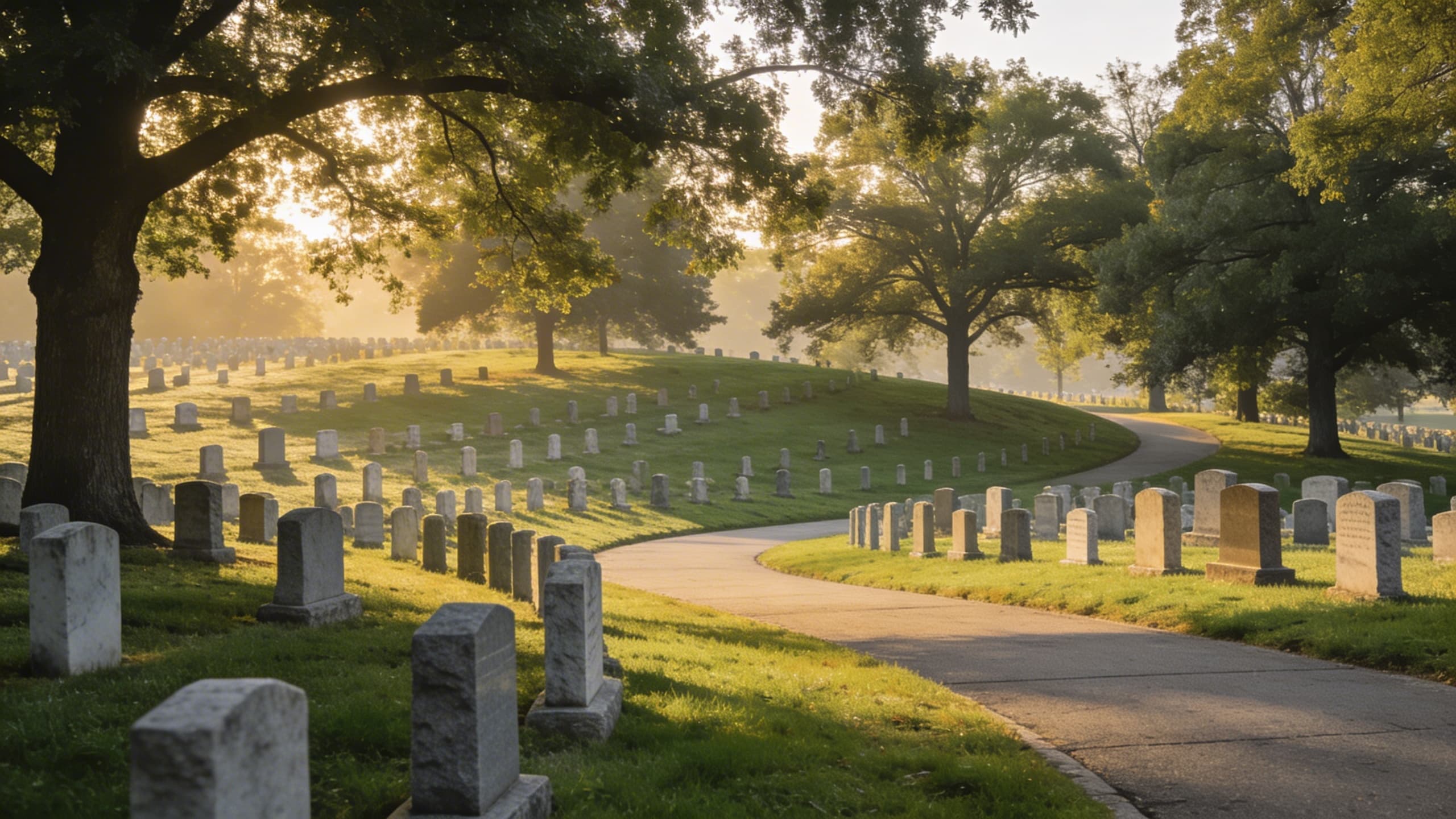
The physical infrastructure of a cemetery shapes the visitor experience just as much as the monuments themselves. Paved pathways and roads guide traffic, connect sections, and make gravesites accessible to elderly visitors or those using wheelchairs. Historic cemeteries often feature ornamental iron gates, stone archways, and perimeter walls that define the boundary between the cemetery and the surrounding neighborhood.
Landscaping plays a deliberate role. Mature trees provide shade and a sense of permanence. Hedgerows separate sections. Flowering shrubs mark seasonal cycles. Water features — fountains, reflecting pools, or small streams — add a calming presence. Many modern memorial parks are designed with walking paths that encourage visitors to use the grounds for quiet reflection, even outside formal visits to a specific grave.
If you notice an especially striking monument or landscape feature during a visit, our guide to tips for cemetery photography covers how to capture those moments respectfully.
Obelisks and Historic Monuments
Obelisks — tall, four-sided stone pillars that taper to a pyramid-shaped point — are among the oldest forms of cemetery monuments. They gained enormous popularity in the 19th century, when Victorian-era cemeteries embraced Egyptian revival aesthetics. Today, you will find obelisks in the historic sections of nearly every large cemetery, often marking the graves of prominent families or civic leaders.
Other historic monument styles include table tombs (flat slabs raised on stone legs), chest tombs (rectangular stone boxes), and draped urn sculptures symbolizing the passage from life to death. These older forms may no longer be common choices for new memorials, but they remain important architectural elements that give a cemetery its character and connect visitors to earlier eras.
Flagpoles and Ceremonial Features
Many cemeteries include a central flagpole, especially those that serve military veterans or have a dedicated veterans' section. The flag is typically lowered to half-staff on Memorial Day, Veterans Day, and other days of national mourning.
Ceremonial features may also include rostrum or speaker platforms used for Memorial Day services, committal shelters where graveside services are held in inclement weather, and memorial walls listing the names of the dead. National cemeteries in particular follow standardized design guidelines that include these elements as core components of the landscape.
Frequently Asked Questions
What is the most common thing you see in a cemetery?
Headstones and grave markers are the most common elements. Nearly every occupied plot has some form of permanent identifier, whether it is an upright granite monument, a flat bronze marker, or a simple stone set into the ground.
Are visitors allowed to leave items at a grave?
Most cemeteries allow flowers, small flags, and modest personal mementos. However, some have restrictions on items that could interfere with mowing or maintenance. Check with the cemetery office before placing permanent decorations or solar lights.
What is the difference between a mausoleum and a columbarium?
A mausoleum houses caskets or urns within above-ground crypts inside a building or garden structure. A columbarium is a structure specifically designed to hold cremation urns in individual niches. Some mausoleums include columbarium sections within them.
Can you place a memorial bench at any cemetery?
It depends on the cemetery's policies. Many public and private cemeteries offer bench programs where families can purchase and personalize a bench for placement in a designated area. Others allow benches only in specific sections or require approval of the design.
What is a scattering garden?
A scattering garden is a landscaped area within a cemetery where cremated remains are dispersed into the earth or among plants. The individual's name is usually recorded on a shared memorial wall or plaque nearby rather than at a specific spot in the garden.
Exploring a Cemetery With New Eyes
Every cemetery tells a story through its features — the weathered obelisk in the oldest section, the freshly placed solar candle on a new grave, the bronze plaque on a columbarium niche. Understanding what each element is and why it exists transforms a visit from a solemn obligation into a meaningful experience. It also empowers families making memorial decisions to see the full range of options available to them, well beyond the traditional headstone.
If you are beginning to plan a memorial, browse our full collection of cemetery products — including vases, lights, plaques, and decorations — or explore our guide on how to buy a headstone for a step-by-step walkthrough of the process.