🏬Supersize Online Funeral Retailer🪦1000's of Headstones⚱️Over 10,000 Cremation Urns⚰️Caskets Overnight Delivery🛒Funeral & Memorial Superstore🚚FREE Shipping on ALL Orders👨👩👧👦Helping Families for over 20 Years💰Lowest Price Guarantee🏬Supersize Online Funeral Retailer🪦1000's of Headstones⚱️Over 10,000 Cremation Urns⚰️Caskets Overnight Delivery🛒Funeral & Memorial Superstore🚚FREE Shipping on ALL Orders👨👩👧👦Helping Families for over 20 Years💰Lowest Price Guarantee
🏬Supersize Online Funeral Retailer🪦1000's of Headstones⚱️Over 10,000 Cremation Urns⚰️Caskets Overnight Delivery🛒Funeral & Memorial Superstore🚚FREE Shipping on ALL Orders👨👩👧👦Helping Families for over 20 Years💰Lowest Price Guarantee🏬Supersize Online Funeral Retailer🪦1000's of Headstones⚱️Over 10,000 Cremation Urns⚰️Caskets Overnight Delivery🛒Funeral & Memorial Superstore🚚FREE Shipping on ALL Orders👨👩👧👦Helping Families for over 20 Years💰Lowest Price Guarantee
Cemetery niche decorations and grave decorations are different jobs with different rules, and families who approach the first like the second are usually disappointed.
A grave sits in open ground with room around it. A niche is a compartment in a wall, one of hundreds, sized to hold an urn and very little else, in a structure whose entire visual logic is that every front looks like every other front. That uniformity is not an accident or an oversight — it is the thing a columbarium is selling, and it is why cemetery niche decorations are governed more tightly than almost anything else on the grounds.
None of which means nothing is allowed. It means the options depend almost entirely on one thing.
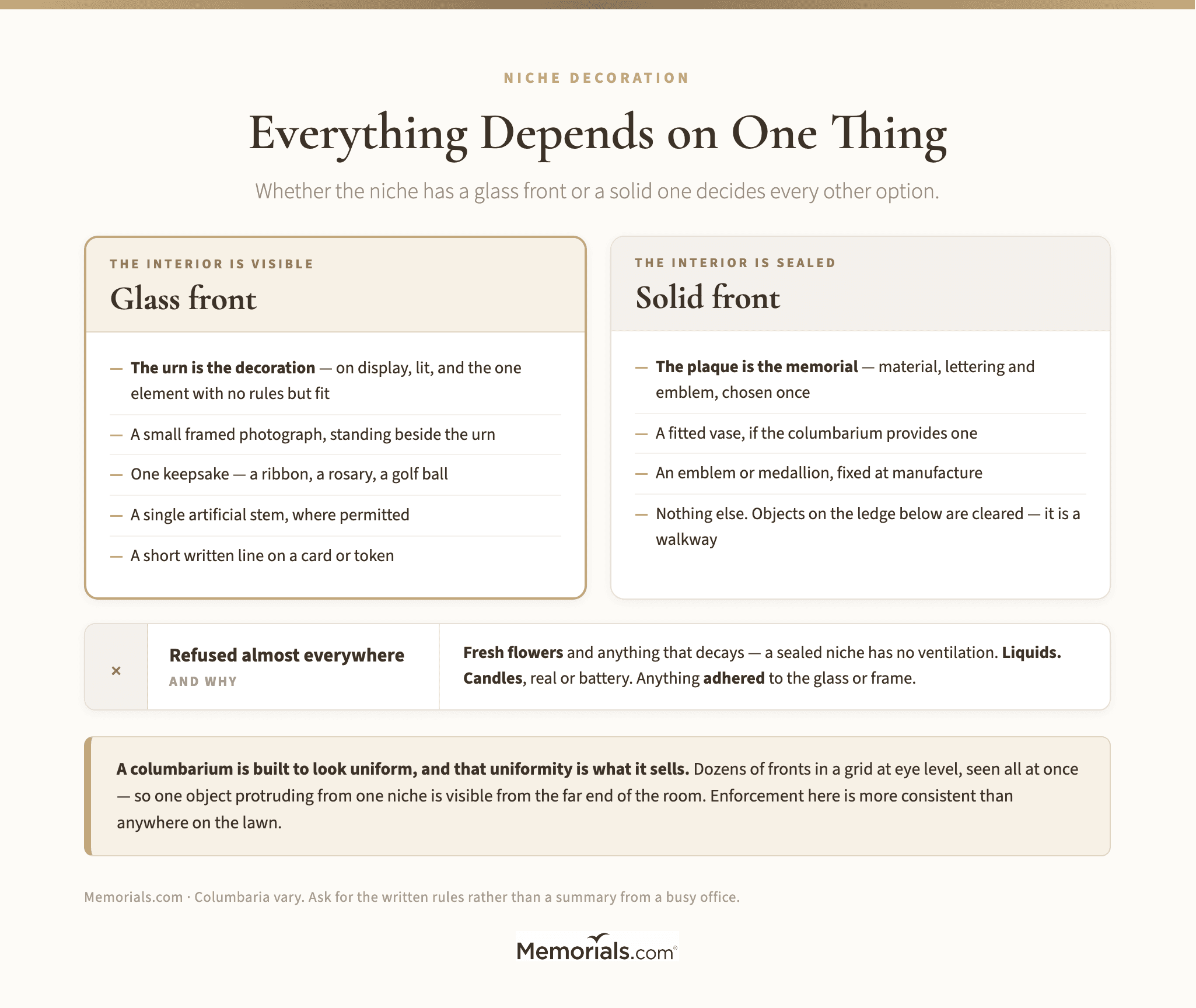
First: Is the Niche Glass-Fronted or Solid?
Everything follows from this, and families often do not know which they have bought.
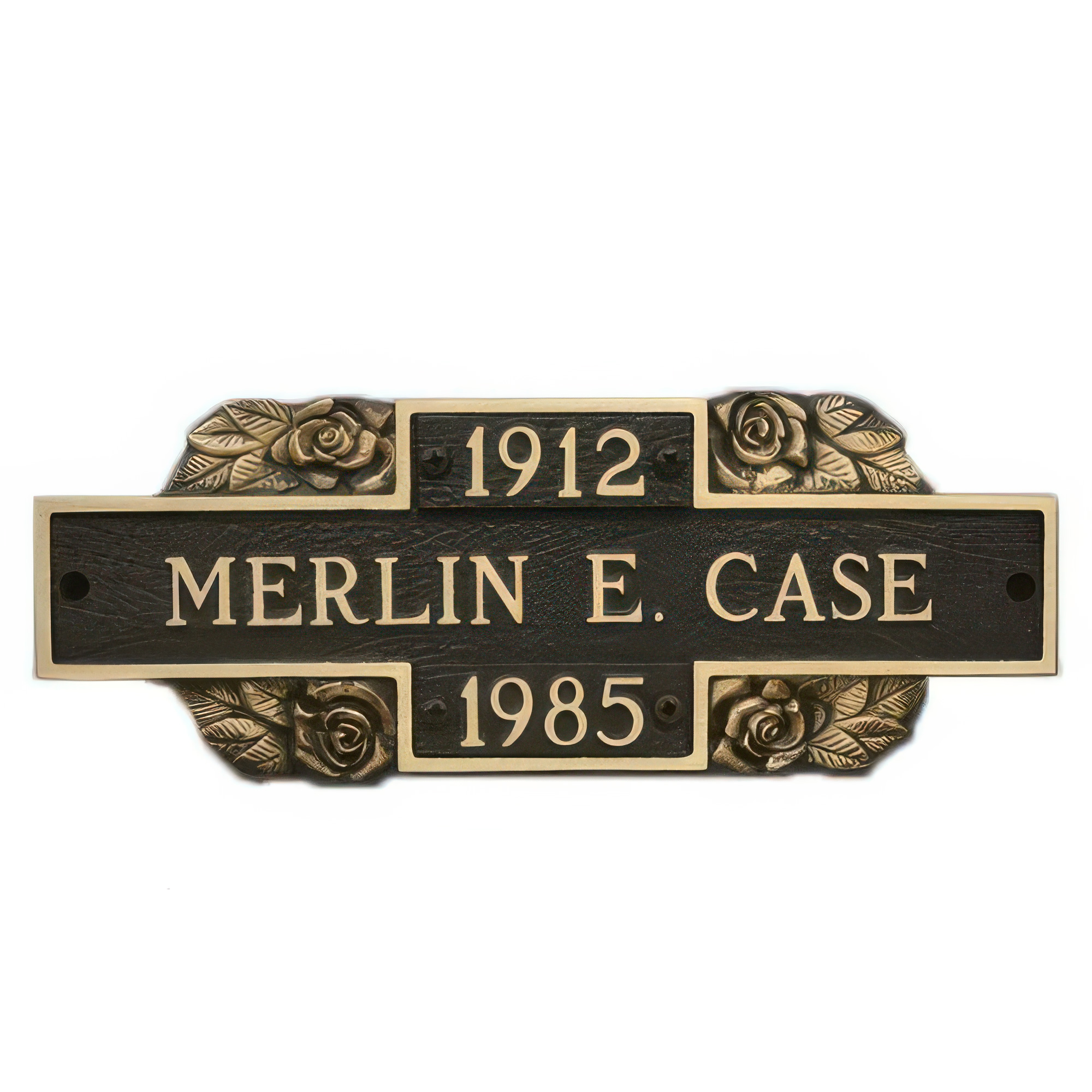
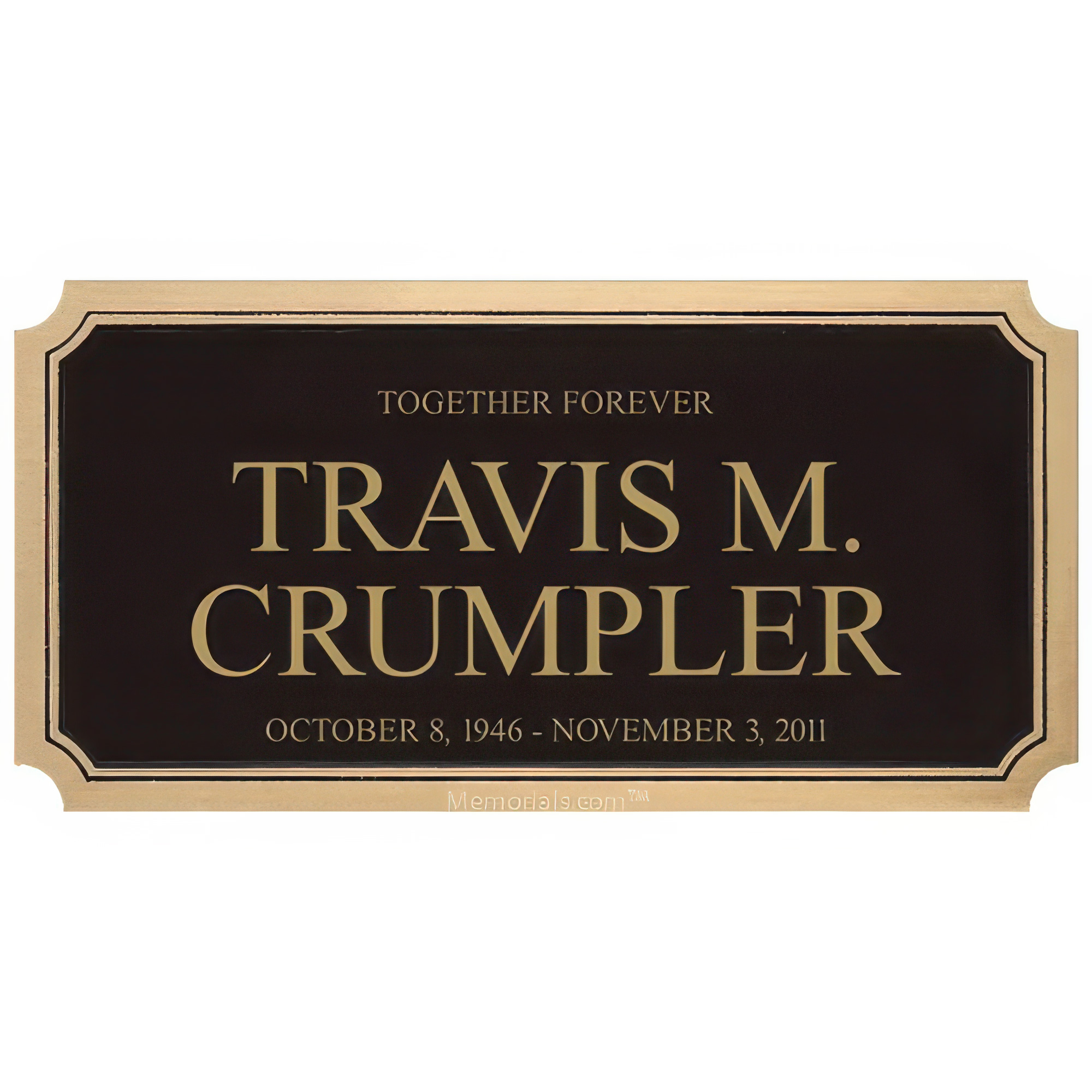
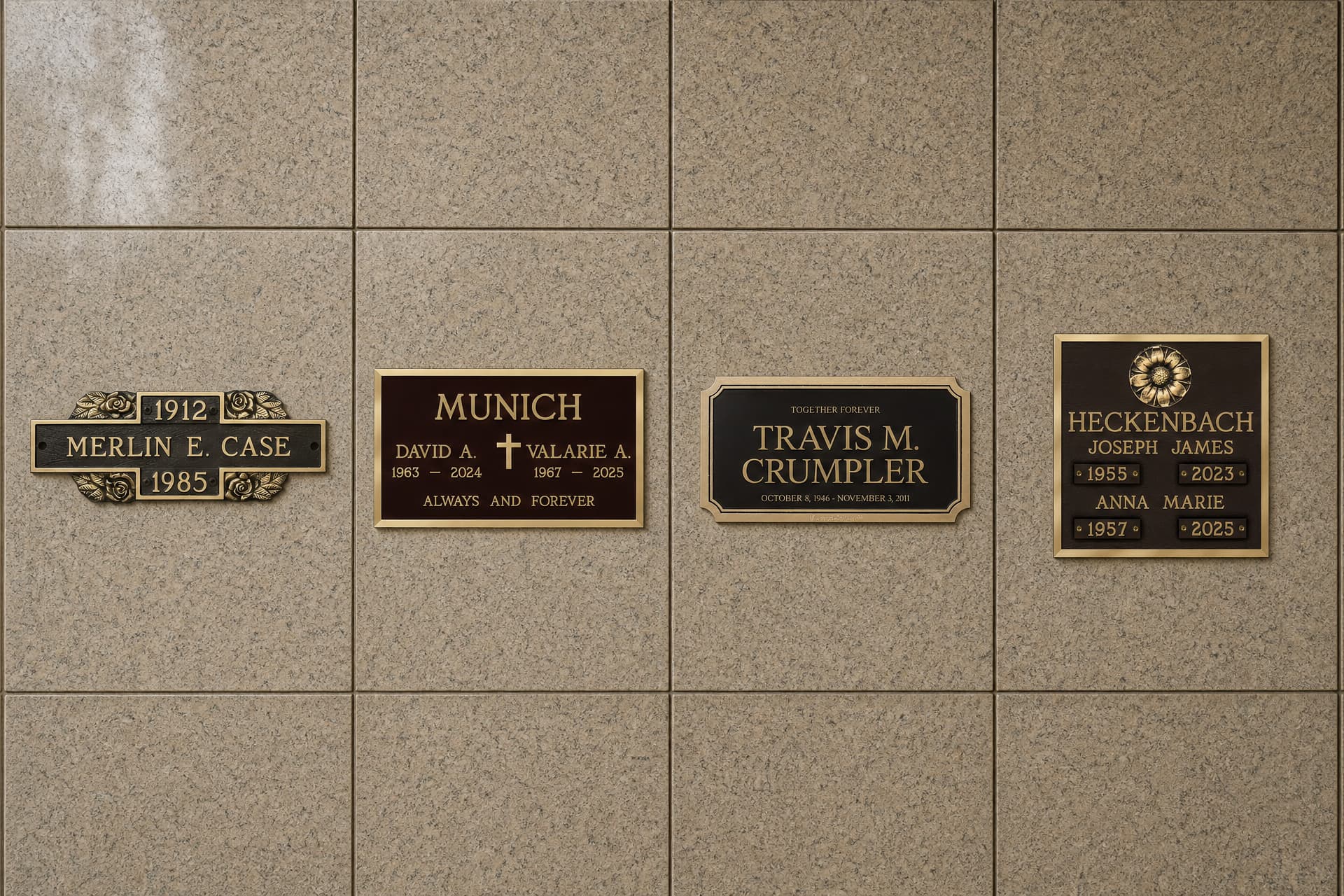
— bronze, granite, or marble — seals the compartment. Nothing inside is visible, so nothing inside is decoration. Everything you can do happens on the face of the plaque or in a vase fitted beside it, and the plaque itself is specified by the columbarium.
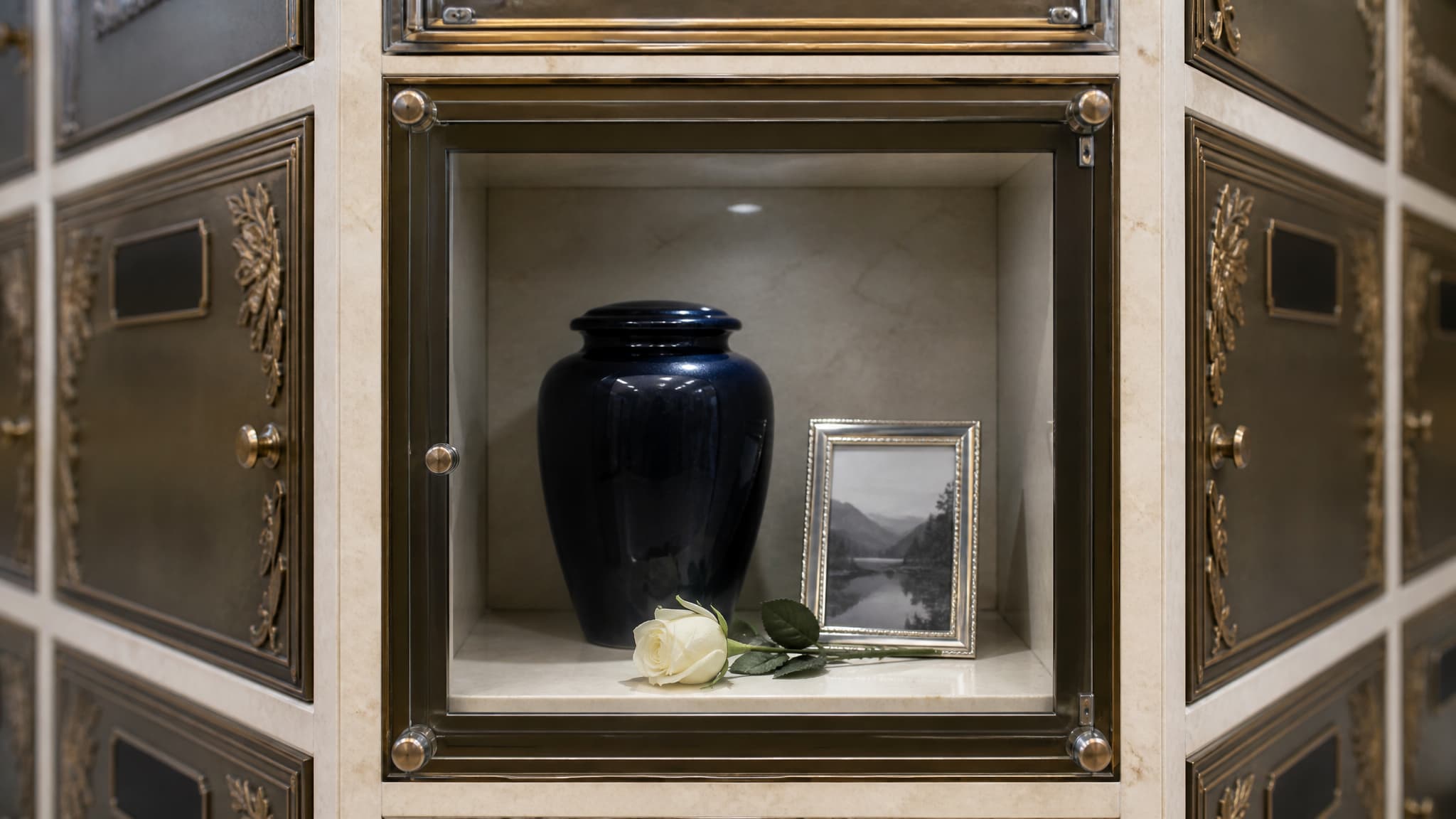
A glass front shows the interior. The urn is visible, and so is anything placed beside it. This is where most of the real decoration happens, and it is why a glass-front niche typically costs more.
The interior is small — many niches are around twelve inches in each direction, and the urn takes most of it. Work with that rather than against it.
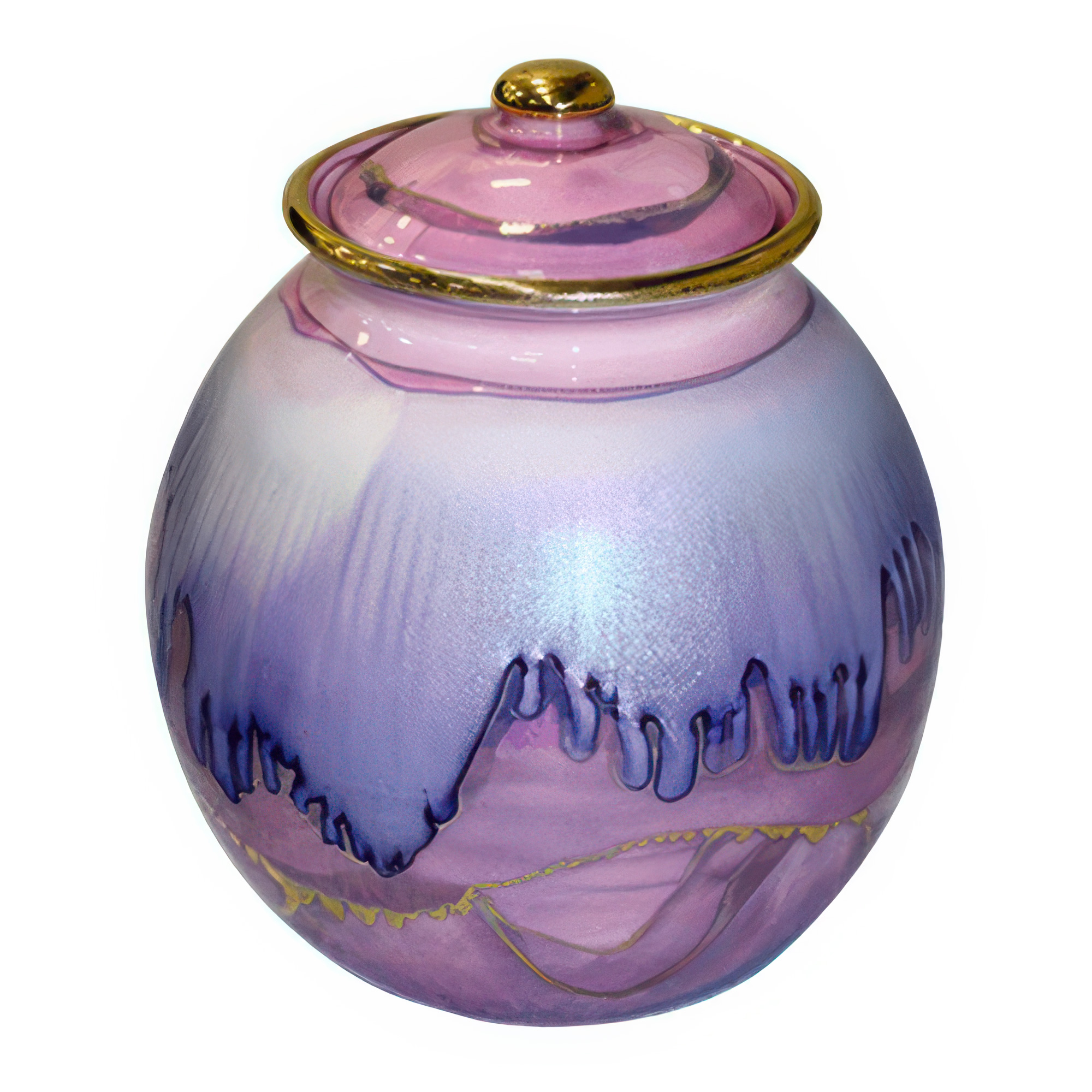
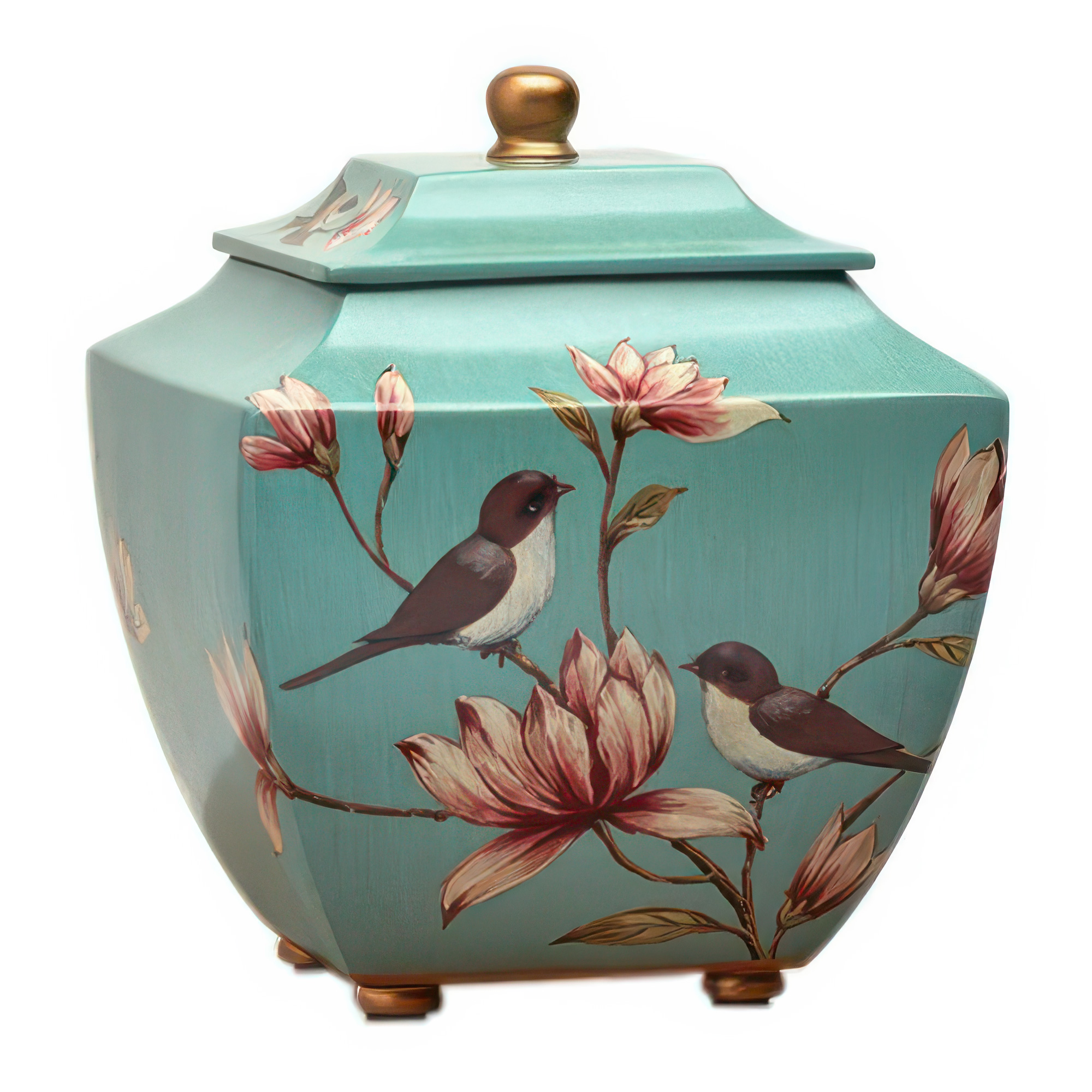
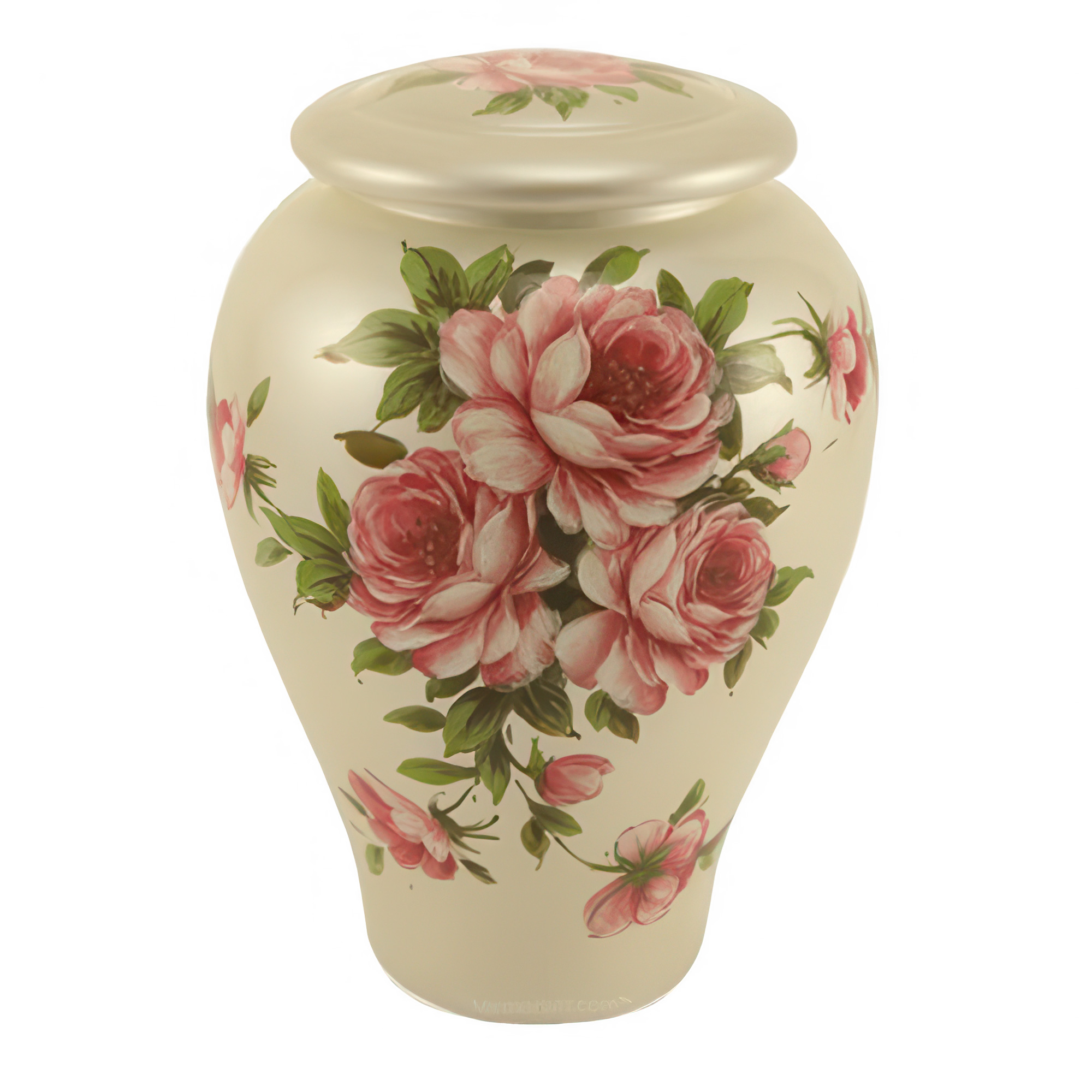
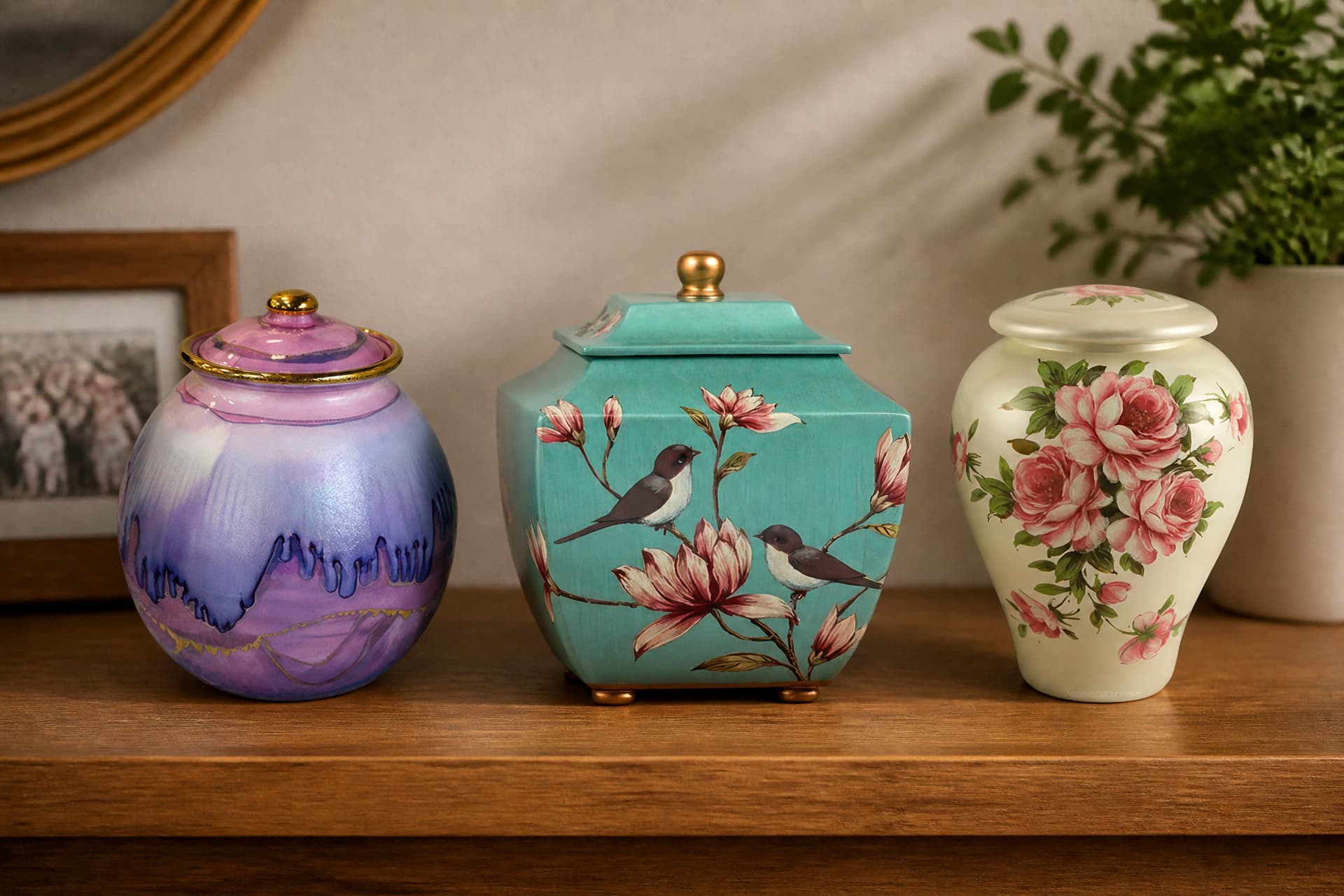
The urn is the decoration. This is the single most useful thing to understand. In a glass-front niche the urn is on permanent display at eye level, lit, and seen by everyone who passes. It does more visual work than everything else combined, and it is the one element with no rules attached beyond fitting the space. Our range of cremation urns covers the materials and finishes, and our guide to urn placement in a cemetery covers the dimensional requirements that come first.
A small framed photograph. The most common addition by a wide margin. Keep it small enough to stand beside the urn rather than behind it, and use a frame that will not fade — indoor columbaria are often brightly lit and outdoor ones get sun.
A single small keepsake. A military ribbon, a rosary, a wedding ring in a small box, a fishing fly, a golf ball. One well-chosen object reads as deliberate; five read as clutter through glass.
Artificial flowers, if permitted. Fresh flowers are almost never allowed inside a sealed niche, because moisture has nowhere to go and the glass fogs and stains. A single high-quality artificial stem is usually the accepted compromise.
A short written line on a small card or engraved token, where the plaque outside is limited to name and dates.
What Columbaria Usually Refuse
Consistent across most grounds, and for reasons that are easy to understand once stated.
Anything that decays. Fresh flowers, food, paper that yellows. A sealed compartment has no ventilation.
Liquids of any kind, including a small bottle as a tribute. Leaks damage the niche and everything near it.
Candles, real or battery. Real ones are a fire risk indoors; battery ones leak.
Anything that overfills the space. If the door will not close cleanly, it comes out.
Objects attached to the glass or the frame. Adhesive marks are permanent and the fronts are expensive to replace.
Items of significant value. Not usually a rule, but worth your own caution — a visible valuable in a public wall is an invitation.
Decorating a Solid-Front Niche
With no interior to work with, three options remain, and the first is the main one.
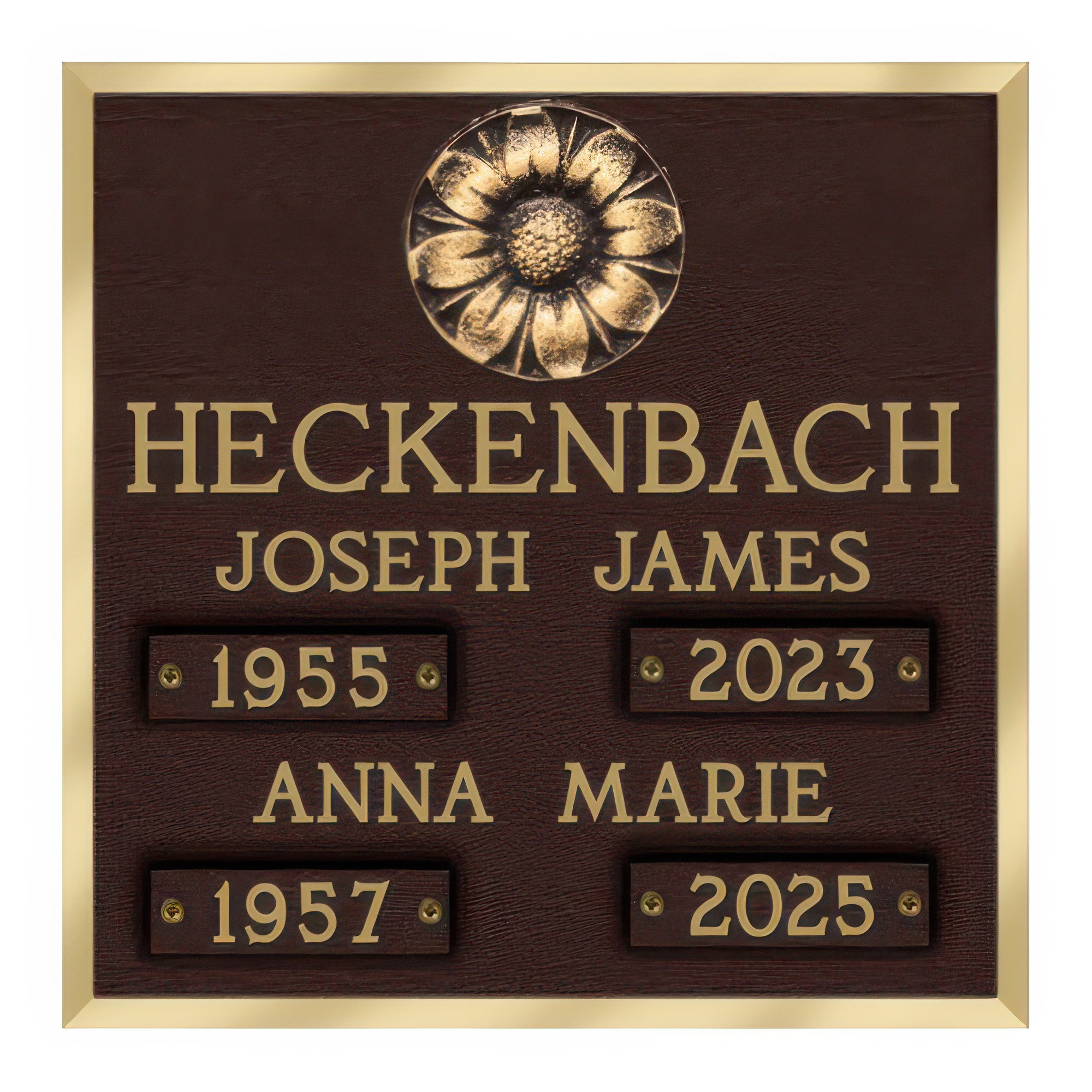
The plaque itself. Material, lettering style, and any permitted emblem are chosen once and then permanent. This is where the personalization lives, and it deserves more thought than families usually give it, because it is the whole memorial. Our cremation niche plaques guide covers materials, sizing and design, and our range of cremation niche plaques covers the formats.
A fitted vase. Many columbaria provide or permit a small vase mounted beside or below the plaque. Where they exist, columbarium niche vases are the only place flowers may go, and they are usually a specified model rather than anything you choose. Our guide to choosing cemetery vases covers the general principles, and our cemetery flower holders range covers the wider formats.
An emblem or medallion, where permitted — a military insignia, a religious symbol, a fraternal emblem — fixed to the plaque rather than added afterward.
That is generally the complete list. Objects left on the ledge below a niche are almost always cleared, because the ledge is a walkway, not a shelf.
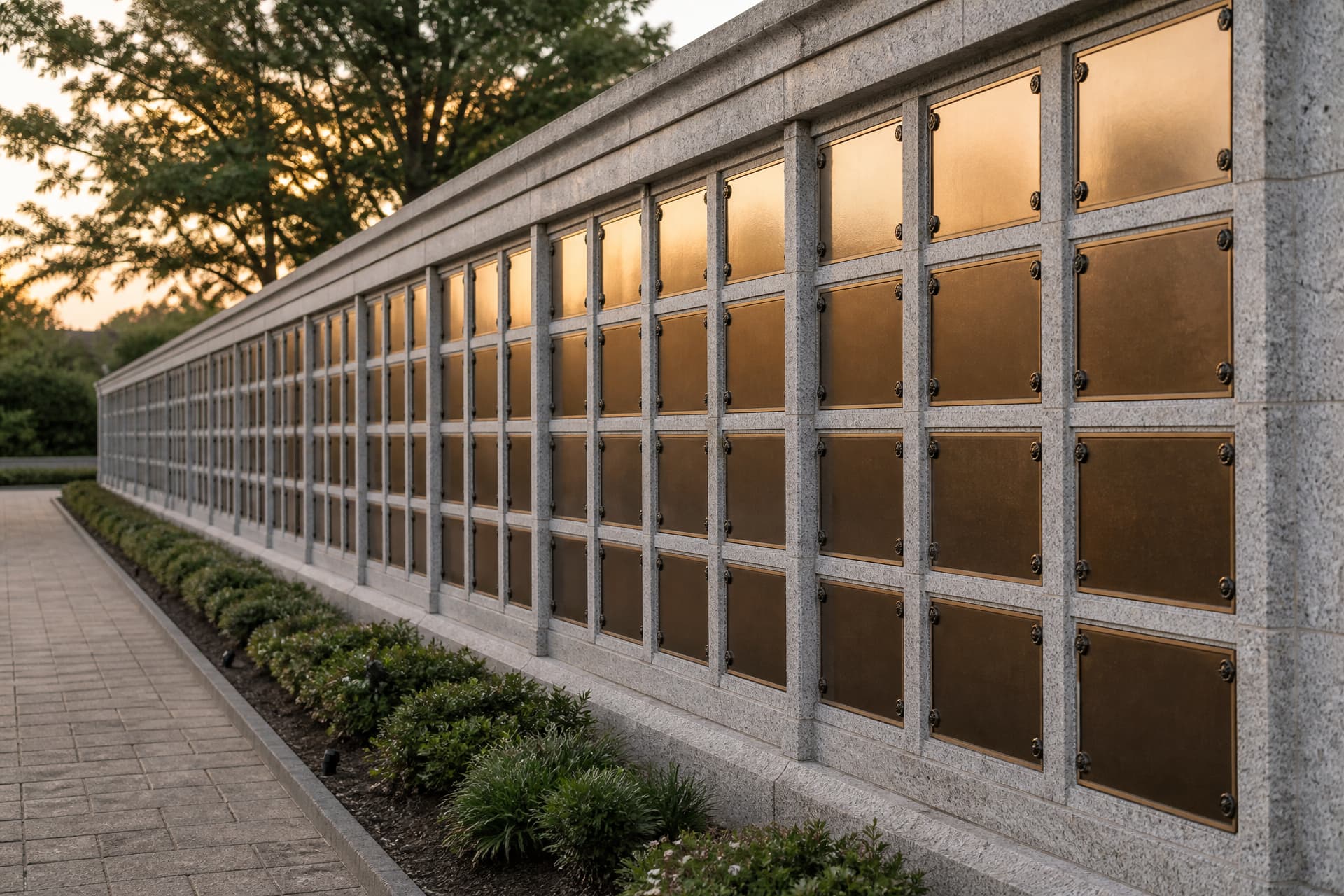
The uniformity is the product. Dozens of fronts in one grid at eye level, which is why a single object protruding from one niche is visible from the far end of the wall.
Indoor and Outdoor Walls Have Different Rules
Worth knowing, because the same cemetery can run both and apply different standards.
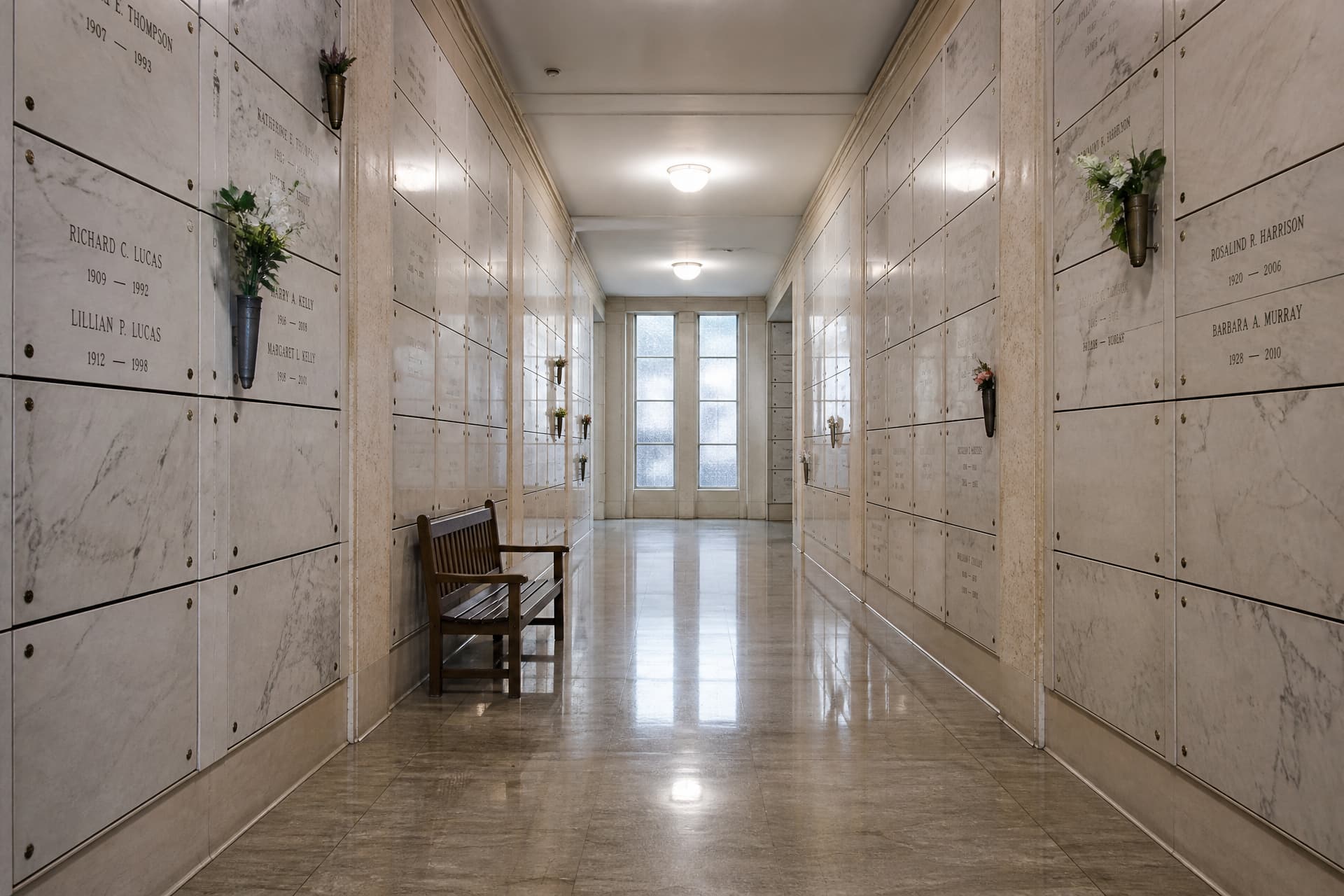
Indoor columbaria — inside a mausoleum, chapel or dedicated building — are climate-controlled, so materials last and lighting is consistent. They are also the most tightly governed, because the space is architectural and reads as a room. Expect narrow rules and firm enforcement.
Outdoor walls and garden columbaria face weather. Sun fades photographs and artificial flowers within a season, cold and damp get into anything porous, and wind takes whatever is not fixed. Rules are often slightly looser, but the environment does its own enforcing. Anything you place outdoors should be chosen to survive a year of it.
Since the urn carries the display, it is worth choosing it for the niche rather than choosing it first and hoping.
Measure before you fall in love with anything. Niche dimensions are interior measurements and the door frame often reduces the usable opening. Get the height, width and depth from the cemetery in writing, and subtract an inch in each direction for working room. An urn that technically fits but has to be wrestled in is a problem every time the niche is opened.
Think about how it reads through glass. Highly polished metal and glossy ceramic reflect the lighting in an indoor columbarium and can photograph as a bright blur. Matte and satin finishes, wood, and stone read more clearly. Deep colors recede behind glass; pale ones stand forward.
Consider the proportion, not just the volume. A tall narrow urn leaves room beside it for a photograph. A wide low urn fills the floor of the niche and leaves room above. Which you want depends entirely on what else is going in.
Check whether the niche is lit from above or the front. Top lighting throws the face of an urn into shadow and emphasizes its shoulders; front lighting flattens everything. If the columbarium has a display niche, go and look at it.
Our guide to cremation urns for burial covers the durability requirements that apply when an urn goes underground instead, which are different and stricter.
This surprises families, and understanding why makes the restrictions easier to accept.
A cemetery lawn absorbs variety. Graves sit apart, markers differ, and one family's flowers do not intrude on the next grave. A columbarium wall is the opposite: dozens of fronts in a continuous grid, at eye level, seen all at once. A single object protruding from one niche is visible from the far end of the room and changes how the whole wall reads.
There is a second reason that is rarely stated but matters more. A columbarium is a shared structure, often indoors, and the cemetery is responsible for its condition for as long as it stands. Adhesive residue, water damage, and fading all accumulate across hundreds of niches, so a rule that looks fussy applied to one family is a maintenance policy applied to the building.
The practical consequence is that enforcement in columbaria tends to be more consistent than on the lawn. Things genuinely do get removed, on schedule, and arguing about it afterwards rarely works. Knowing the rules first is worth more here than anywhere else in a cemetery.
Indoor walls are climate-controlled, so photographs and keepsakes survive. They are also the most tightly governed, because the space reads as a room rather than as grounds.
Seasonal Decoration
Most columbaria permit some seasonal marking, and most restrict it by date rather than by item.
The usual pattern is a window around the winter holidays and around Memorial Day, during which small wreaths, flags and seasonal stems are allowed on or beside the niche, followed by a clearance date after which everything is removed. Some grounds provide small clips or holders so nothing is adhered to the front.
Ask for the dates in writing. They are rarely posted anywhere obvious, and the single most common complaint families have about columbaria is that something was cleared on a date nobody told them about. Our guide to seasonal cemetery decorations covers the year more broadly, and our notes on cemetery etiquette cover the conventions that apply around other people's niches.
Get the Rules Before You Buy Anything
Four questions, one phone call, and it saves every disappointment described above.
Is this niche glass-fronted or solid?
What are the interior dimensions, and what does the urn leave?
What may be placed inside, and what may be placed outside?
When does the columbarium clear, and does it notify families first?
If the columbarium has written rules, ask for the document rather than a summary. Verbal answers from a busy office are given in good faith and are frequently incomplete.
Frequently Asked Questions
What to put in a niche if there is very little room? The urn and one photograph. That combination fits almost any niche and is what the majority of glass-front niches actually contain.
Can I put fresh flowers in a columbarium niche? Almost never inside a sealed niche — there is no ventilation and moisture damages both the interior and the glass. A fitted vase outside the niche is the permitted route where one exists.
Are columbarium decorations allowed to be changed? Yes, in a glass-front niche, though many columbaria require staff to open it rather than the family. Ask about the process; some charge a small fee and some require notice.
Can I attach anything to the front of the niche? Generally no. Adhesives mark the plaque or the glass permanently and the fronts are costly to replace. Emblems are fitted at manufacture or by the cemetery.
What happens to items left below a niche? They are cleared. The ledge or floor in front of a columbarium is a walkway and has to stay clear.
Can two urns share a niche? Companion niches exist and are sized for two. A single niche usually cannot take a second urn, which is a decision to make before purchase rather than later.
Do I need permission to open my own niche? Usually yes. Most columbaria keep the fronts secured and require staff to open them, partly for security and partly because the fixings are easily damaged. Expect to give notice, and expect a small fee in some grounds.
Is an outdoor niche a worse choice than an indoor one? Not worse, but different. Outdoor walls cost less, are accessible at any hour without entering a building, and suit families who visit often. Indoor walls protect everything inside from weather and light, which matters if photographs or keepsakes are going in. Decide on how the niche will be visited, not only on price.
The Urn Does the Work
If there is one thing to take from all of this: in a glass-front niche, the decoration you actually control is the urn. Everything else is a small object in a small space under somebody else's rules, while the urn is on permanent display and entirely your choice.
Choose that well and the niche looks considered even if nothing else is ever added — which, over the years, is what most of them end up holding. For the interment decisions that come before it, start with our cemetery planning guide.