🏬Supersize Online Funeral Retailer🪦1000's of Headstones⚱️Over 10,000 Cremation Urns⚰️Caskets Overnight Delivery🛒Funeral & Memorial Superstore🚚FREE Shipping on ALL Orders👨👩👧👦Helping Families for over 20 Years💰Lowest Price Guarantee🏬Supersize Online Funeral Retailer🪦1000's of Headstones⚱️Over 10,000 Cremation Urns⚰️Caskets Overnight Delivery🛒Funeral & Memorial Superstore🚚FREE Shipping on ALL Orders👨👩👧👦Helping Families for over 20 Years💰Lowest Price Guarantee
🏬Supersize Online Funeral Retailer🪦1000's of Headstones⚱️Over 10,000 Cremation Urns⚰️Caskets Overnight Delivery🛒Funeral & Memorial Superstore🚚FREE Shipping on ALL Orders👨👩👧👦Helping Families for over 20 Years💰Lowest Price Guarantee🏬Supersize Online Funeral Retailer🪦1000's of Headstones⚱️Over 10,000 Cremation Urns⚰️Caskets Overnight Delivery🛒Funeral & Memorial Superstore🚚FREE Shipping on ALL Orders👨👩👧👦Helping Families for over 20 Years💰Lowest Price Guarantee
Search for the best memorials for cemetery use and you will get pages of designs. Design is the wrong end to start from. The first thing that decides your memorial is not what you like — it is what the section you have bought into permits, and that answer is often much narrower than any catalog suggests.
So this compares the six memorial options for graves by the two things that actually decide between them: what the cemetery will allow, and what each costs relative to the others. Style comes after those, and by then the list is usually down to two.
If you have already established you are buying a headstone specifically, our complete guide to buying a headstone goes much deeper on materials, ordering and installation than this page does. This one is for the earlier decision: which of memorial.
Ask the Cemetery First. It Removes Most of the List.
Before comparing anything, get four answers from the cemetery office in writing.
What is permitted in this section? Not in the cemetery — in your section. A single cemetery routinely runs a traditional section allowing upright monuments and a memorial-park section allowing nothing above turf level.
What are the maximum dimensions, including the base?
Is there a foundation or setting fee, and how much?
Must the memorial be bought or installed through the cemetery? Some require their own supplier for installation even where they do not control the sale.
That last one catches families out, and it is a real cost. Our notes on headstone installation cover why cemeteries care so much about who touches a monument.
In a memorial park the answer to the first question is usually "flat markers only," and five of the six options below disappear in one sentence. Better to know that now than after choosing a bench.
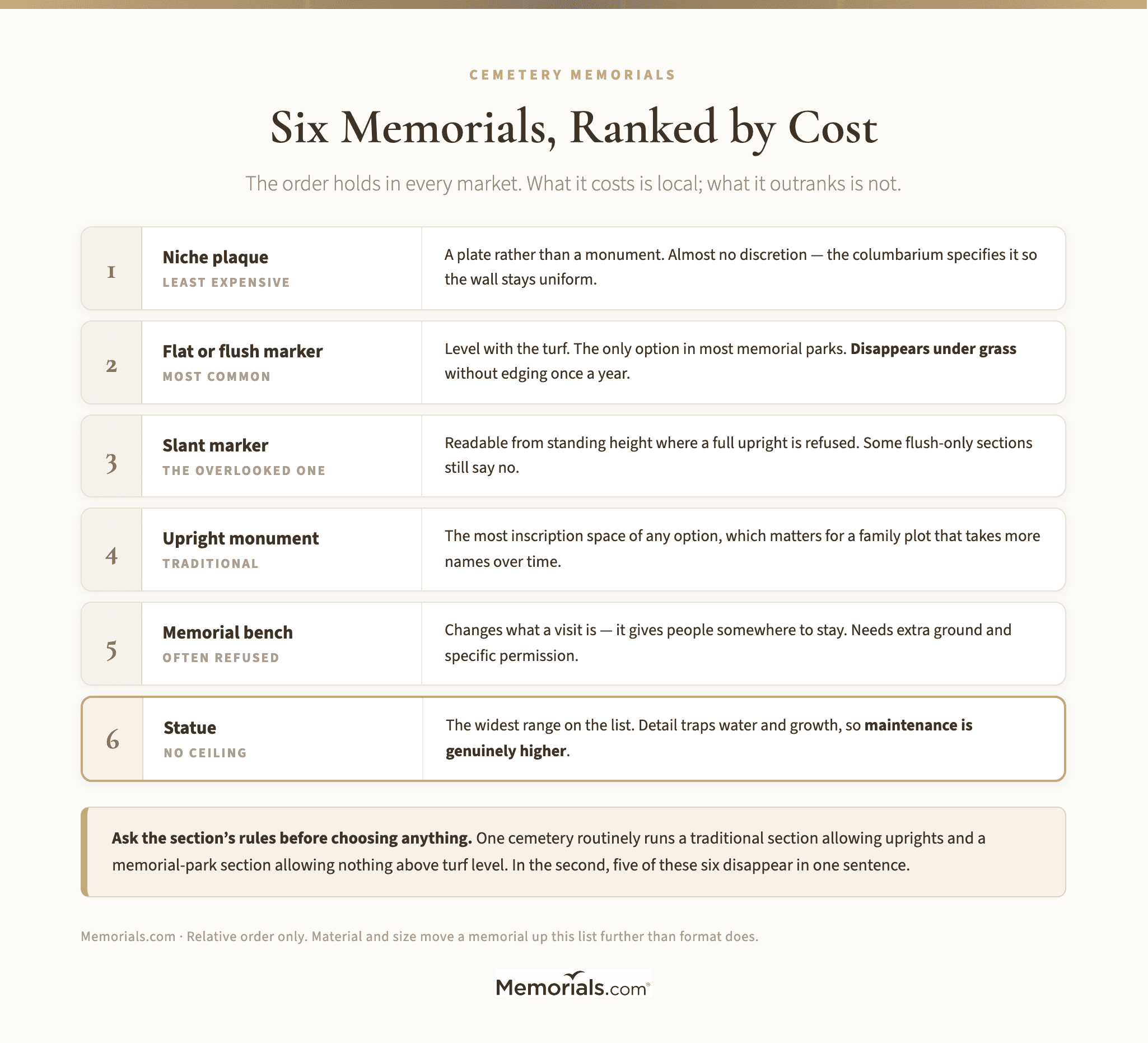
The order holds in every market, because it follows the amount of stone and the work of setting it. What each costs locally does not.
Shop Cemetery Memorials
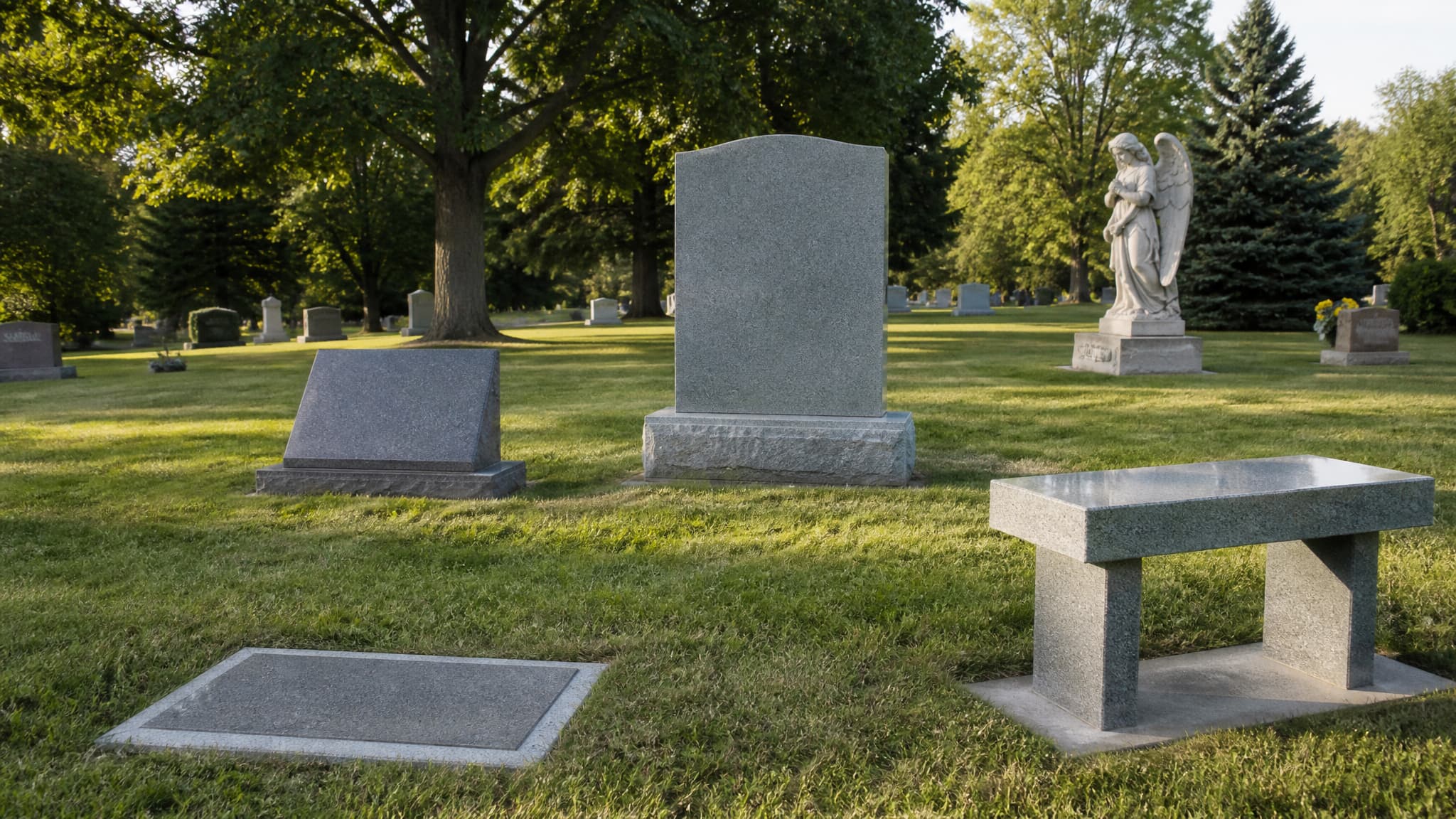
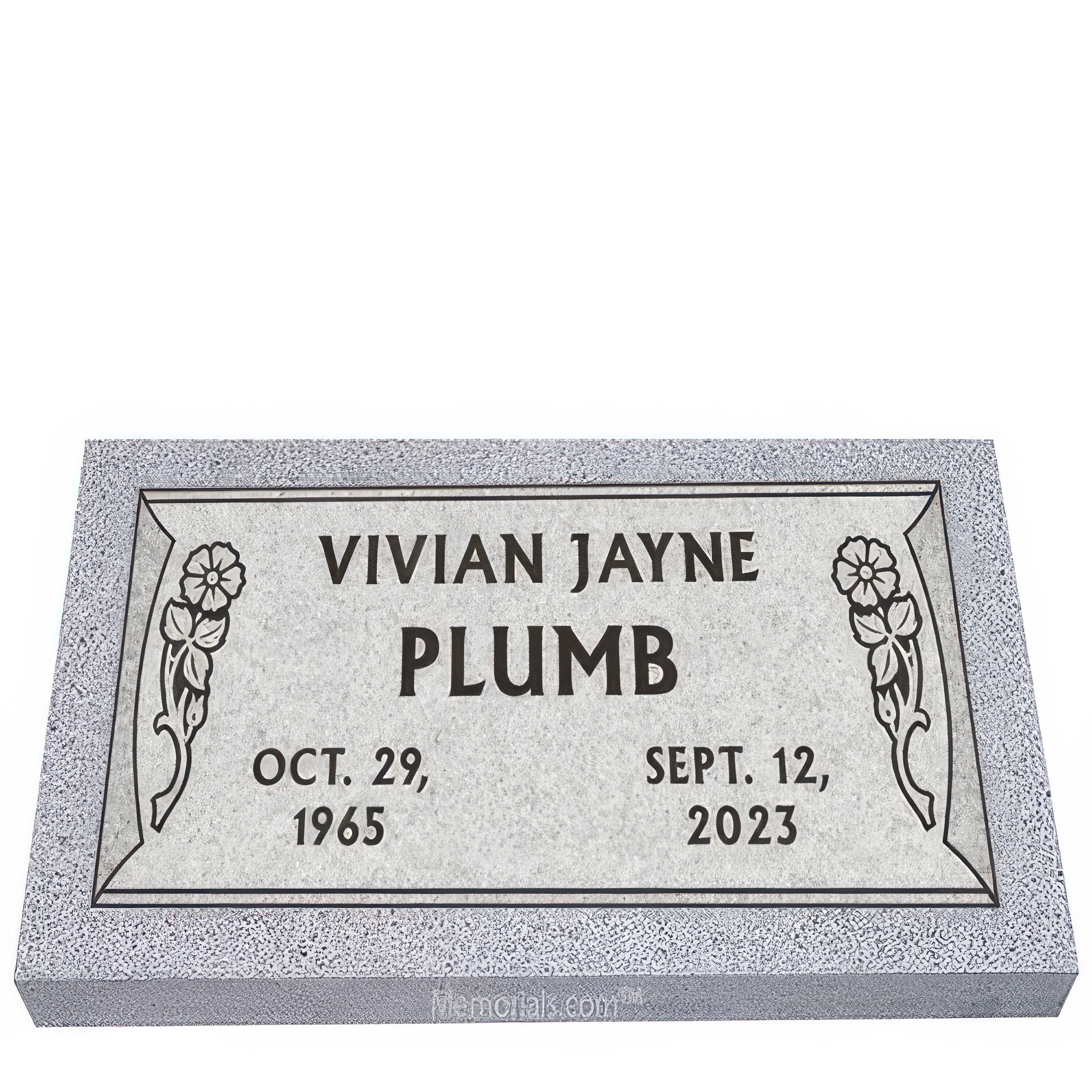
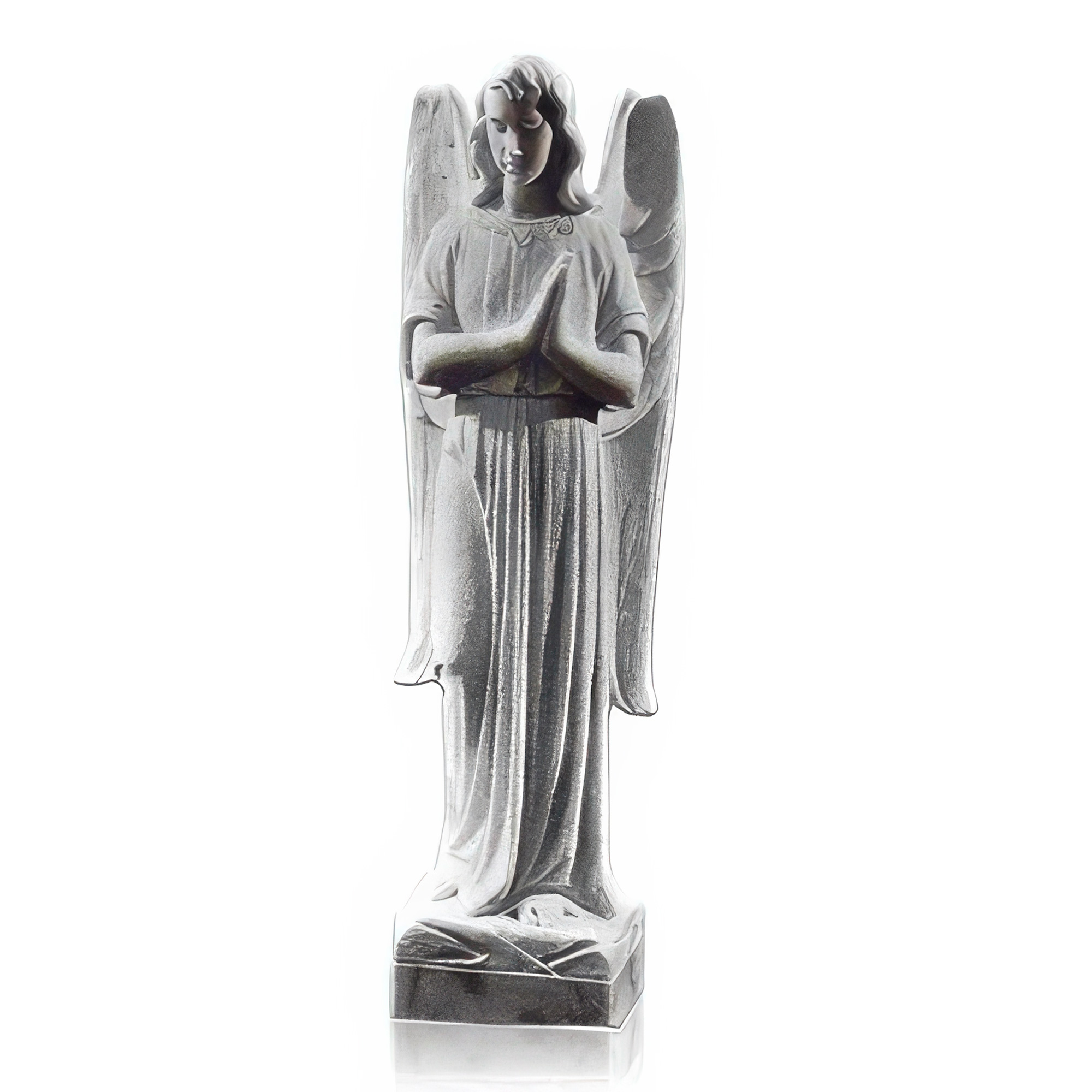
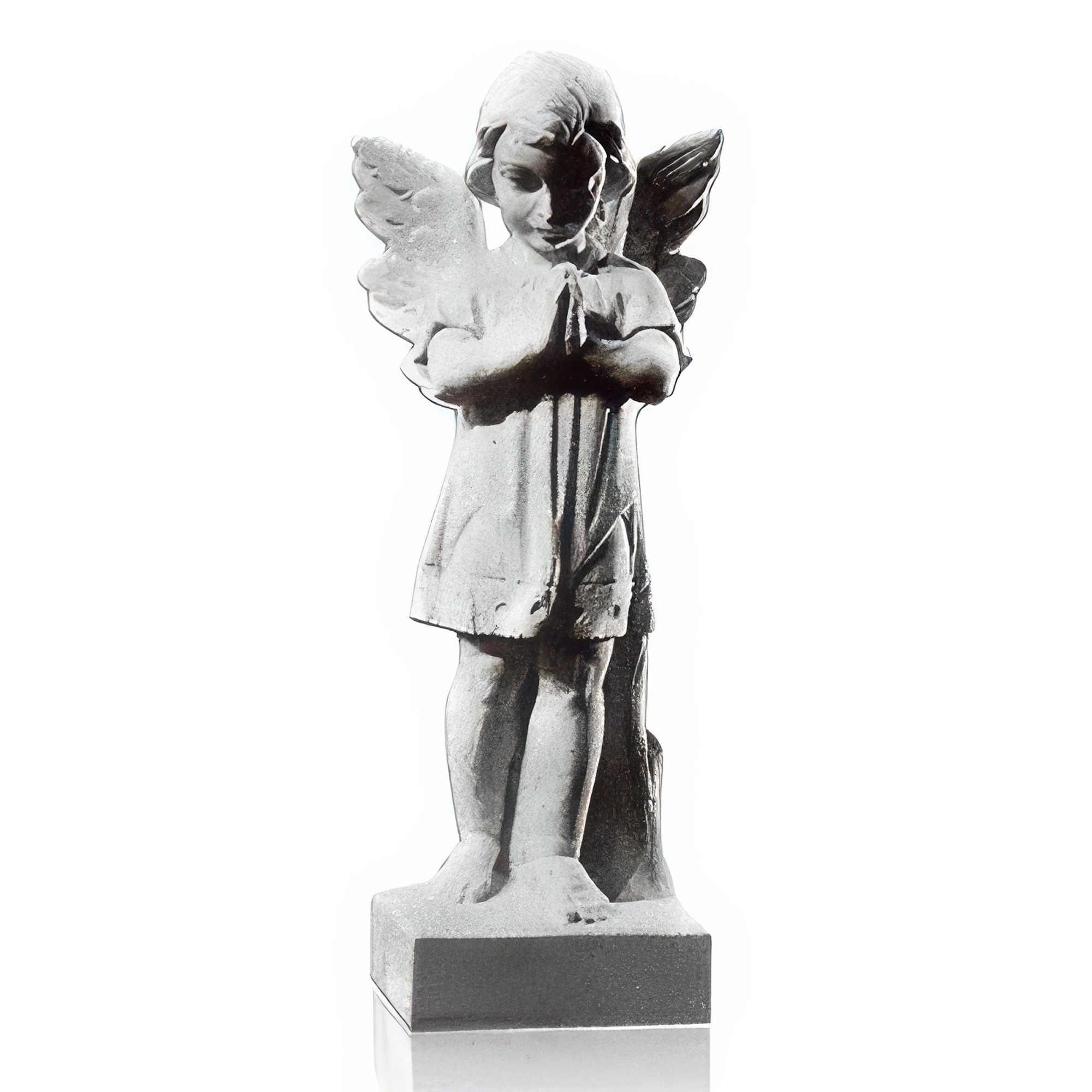
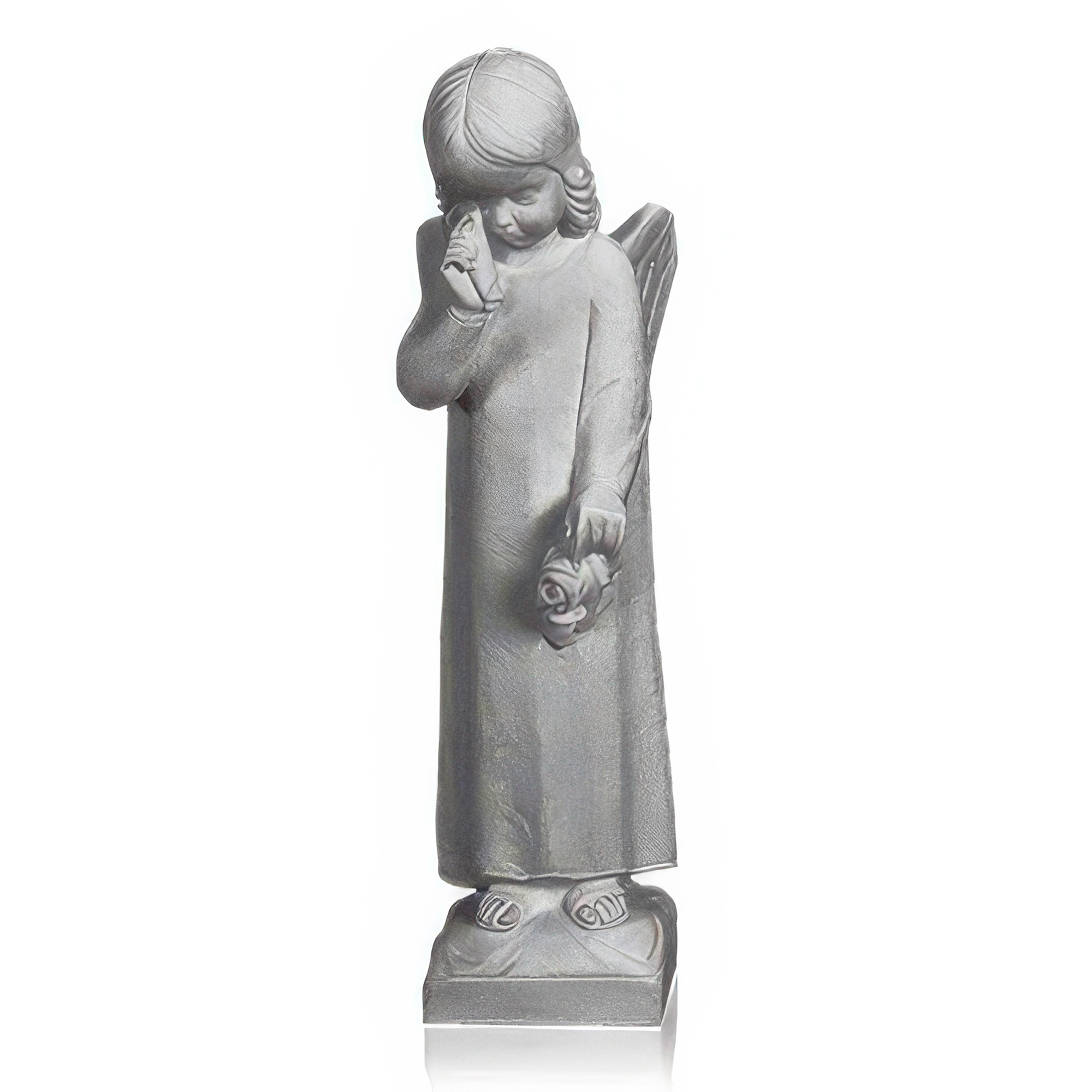
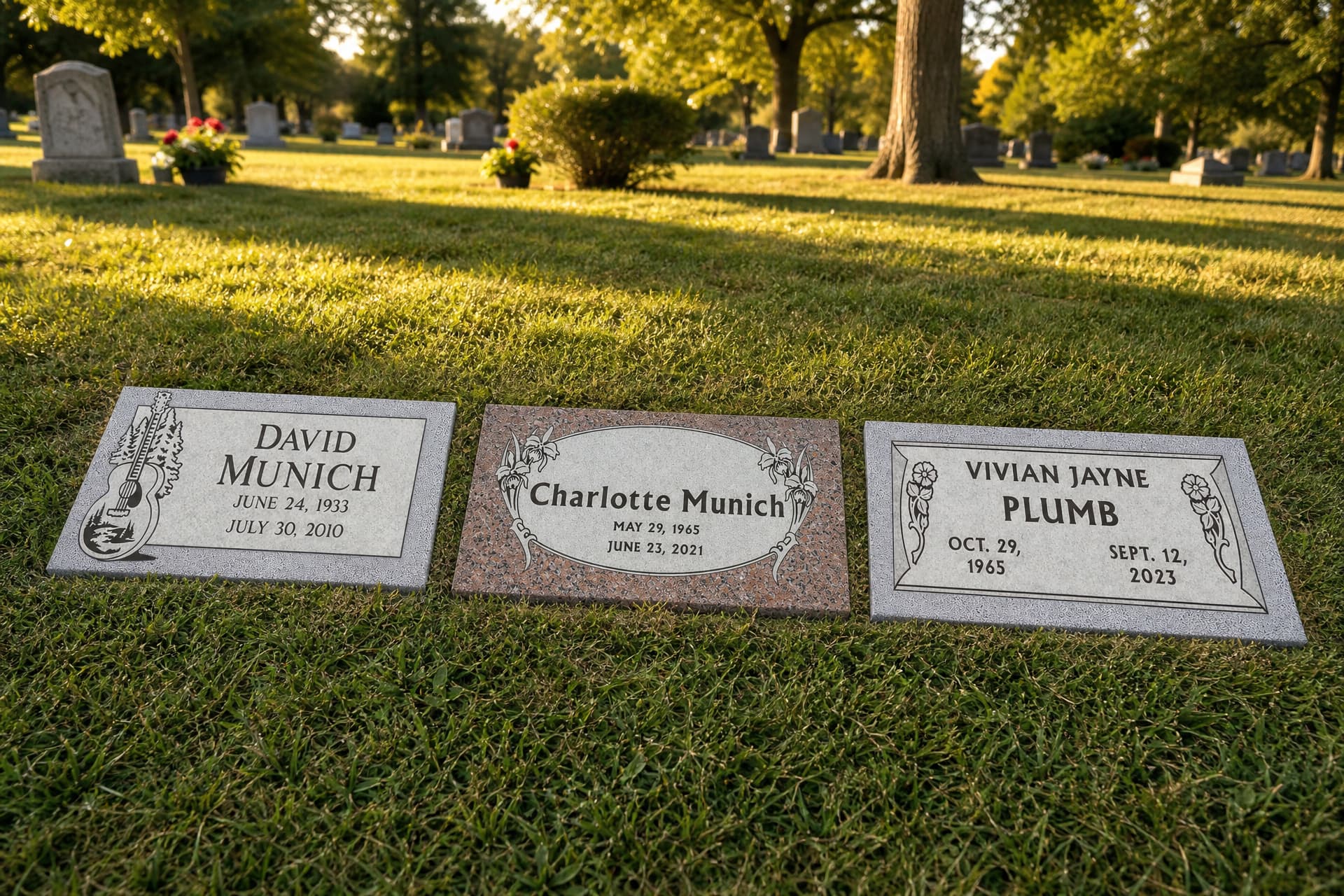
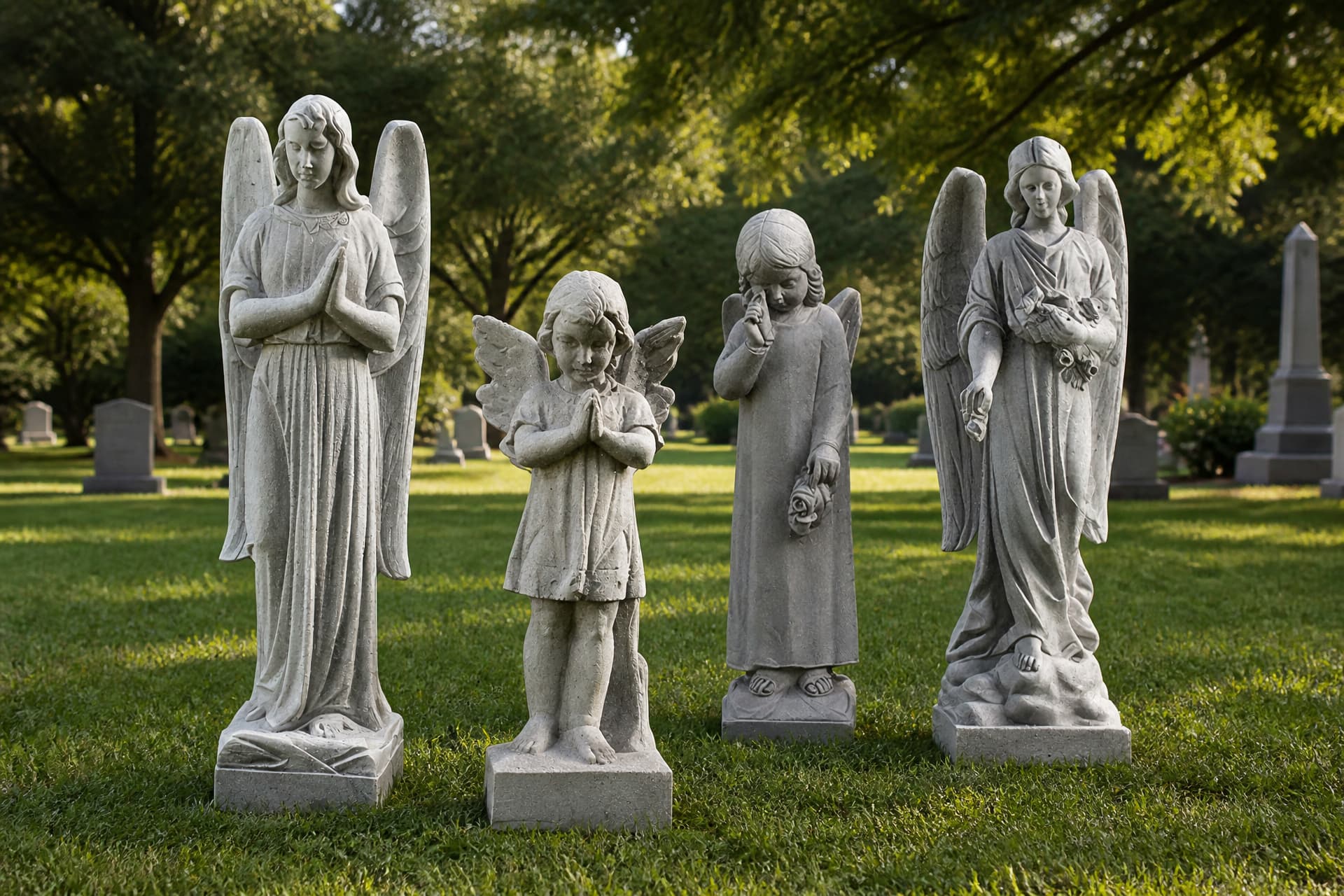
Statues and flush granite markers from the memorial types compared above
The traditional headstone: a die standing on a base, visible from across the grounds.
Choose it when the section permits it and you want the memorial to be findable and readable from a distance. It also offers the most inscription space of any option, which matters for a family plot that will take more names over time.
The tradeoffs. It is the most expensive format for a given material, because it uses the most stone and needs a foundation. It is also the format cemeteries restrict most often, for the mowing reasons that produced the flat marker in the first place — covered in our comparison of flat versus upright headstones.
Our range of grave markers covers the upright formats alongside the flush ones.
Flat or Flush Marker
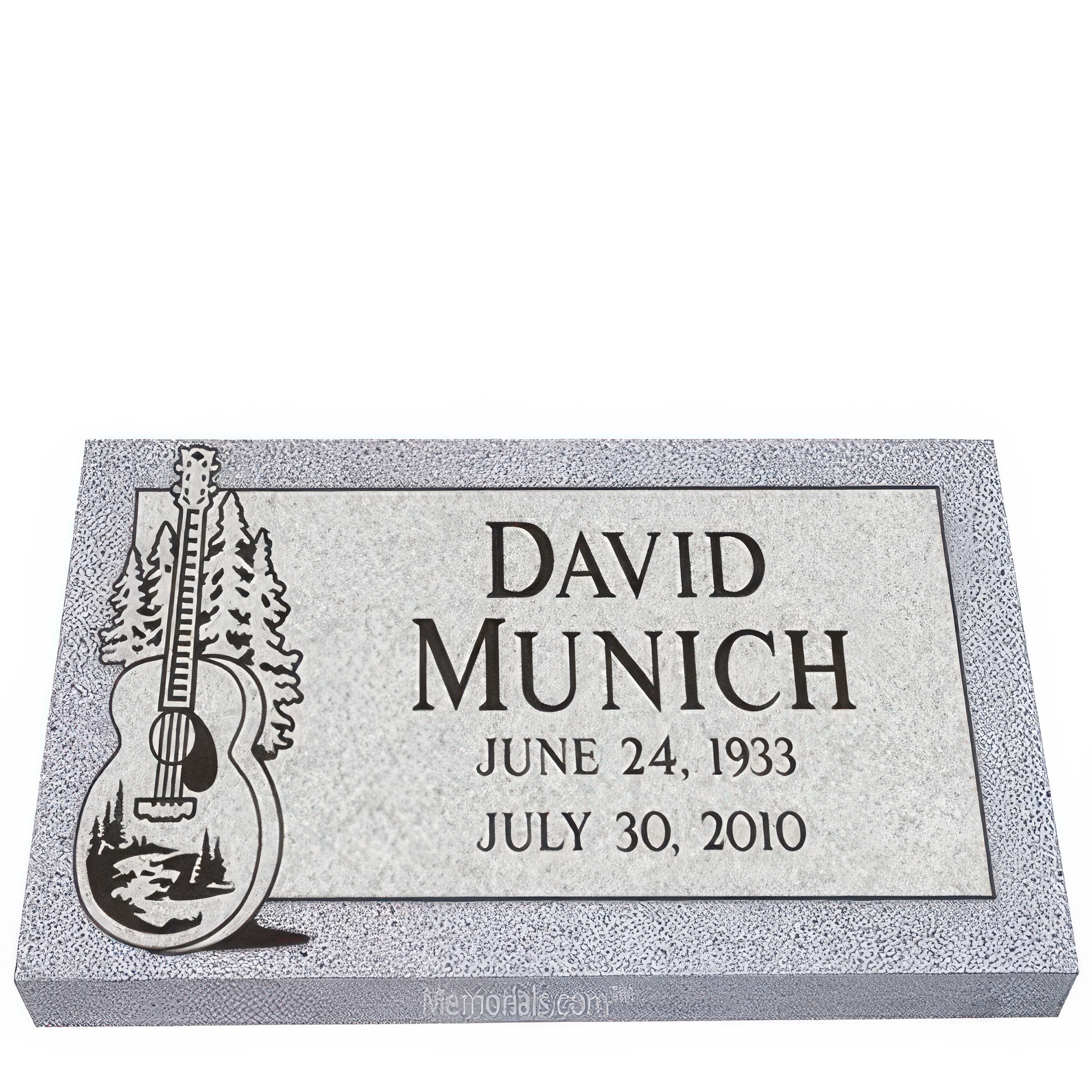
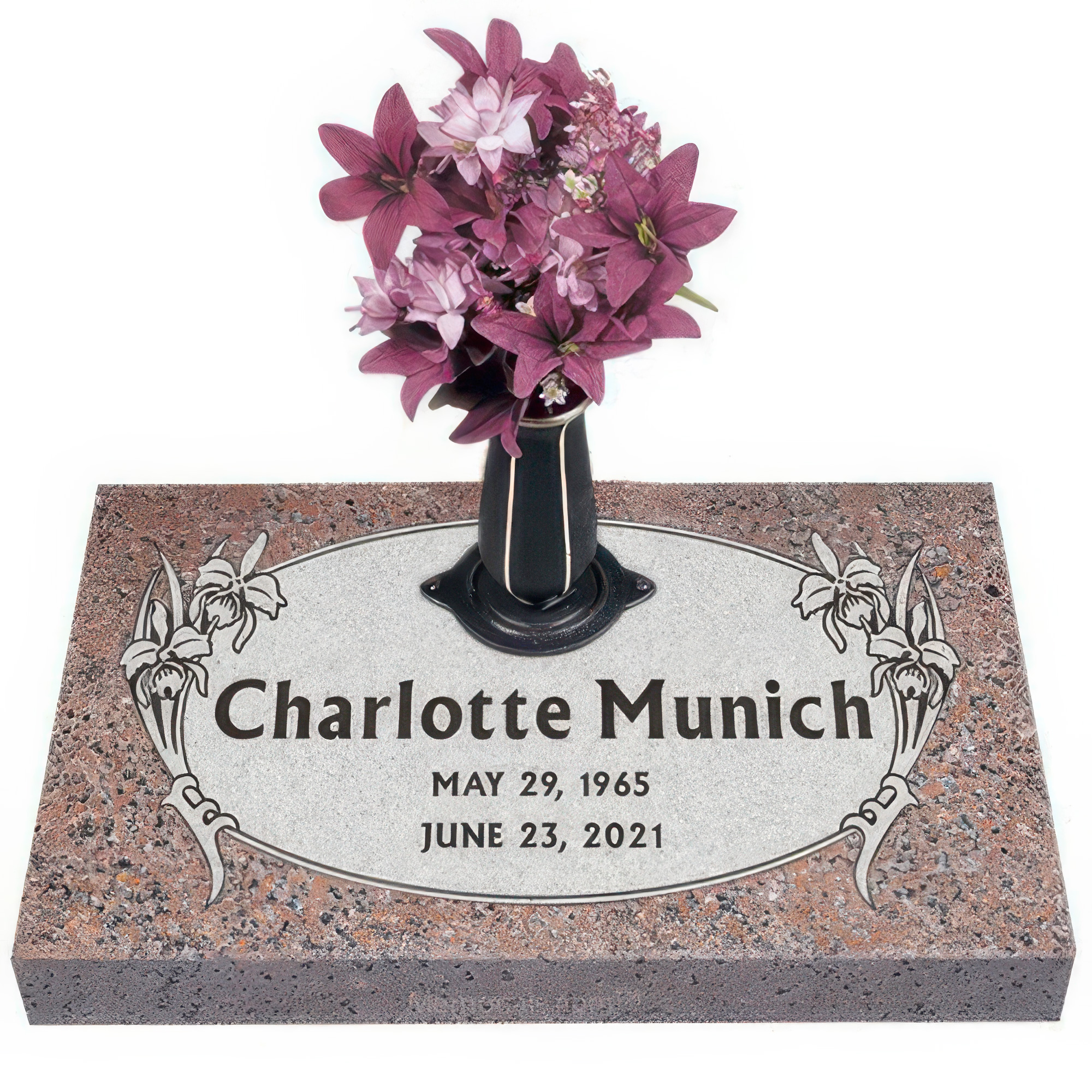
A rectangular tablet set level with the turf, in granite or in bronze on a granite base.
Choose it when the section requires it, which is the usual reason, or when you want the grave marked without a monument standing over it. Bronze on granite is the standard in lawn-park cemeteries because it survives mowing equipment indefinitely.
The tradeoffs. Limited inscription space, and it disappears. Turf creeps over the edge of a flush marker at roughly an inch a year, so it needs edging once a year or it is under the grass within a decade. Our cemetery maintenance guide covers the upkeep.
Cost sits well below an upright monument in the same material, which is part of why memorial parks can sell plots more cheaply.
A wedge of stone with a sloped face, standing a few inches proud of the ground.
Choose it when you want the inscription readable from standing height but the section will not take a full upright. It is the compromise format and it is under-considered — many families do not know it exists until a monument dealer raises it.
The tradeoffs. It occupies a middle ground in price as well as height. Some flush-only sections still refuse it, because anything above turf level is the thing that rule is about. Confirm specifically rather than assuming a low profile is acceptable.
A bench changes what a visit is. It is also among the most expensive formats, needs more ground than a single plot, and is the option cemeteries refuse most often.
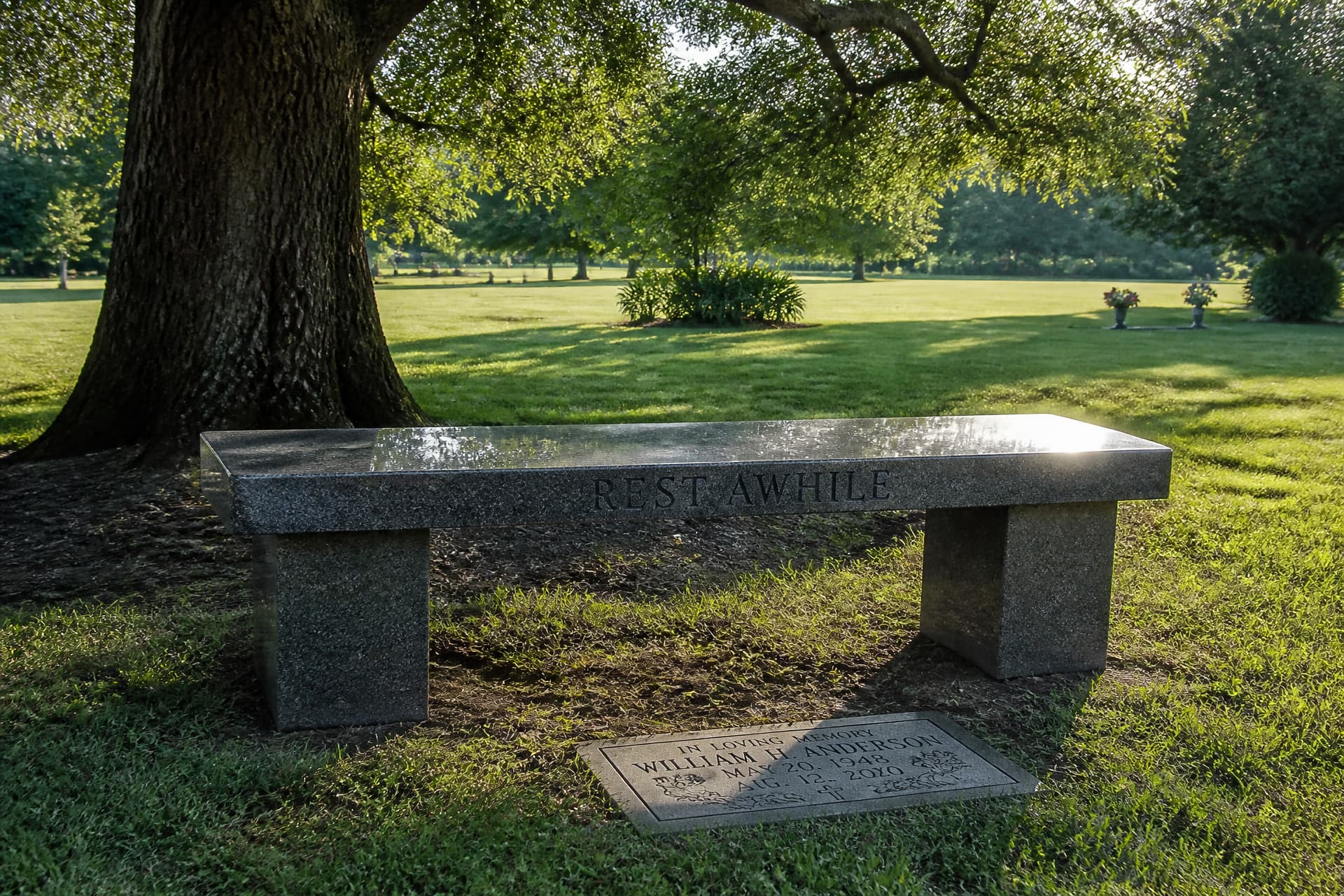
Memorial Bench
A granite bench, either as the memorial itself or alongside a marker.
Choose it when the grave will be visited often and sat at. A bench changes what a visit is: it gives people somewhere to stay. For a family plot, or a grave that will be a focus for a large family, it is the option that gets used rather than looked at.
The tradeoffs. It is among the most expensive formats, it needs considerably more ground than a single plot, and many cemeteries permit it only in designated areas or require the purchase of the adjoining plot. It is also the option most often refused outright, so ask before falling in love with it.
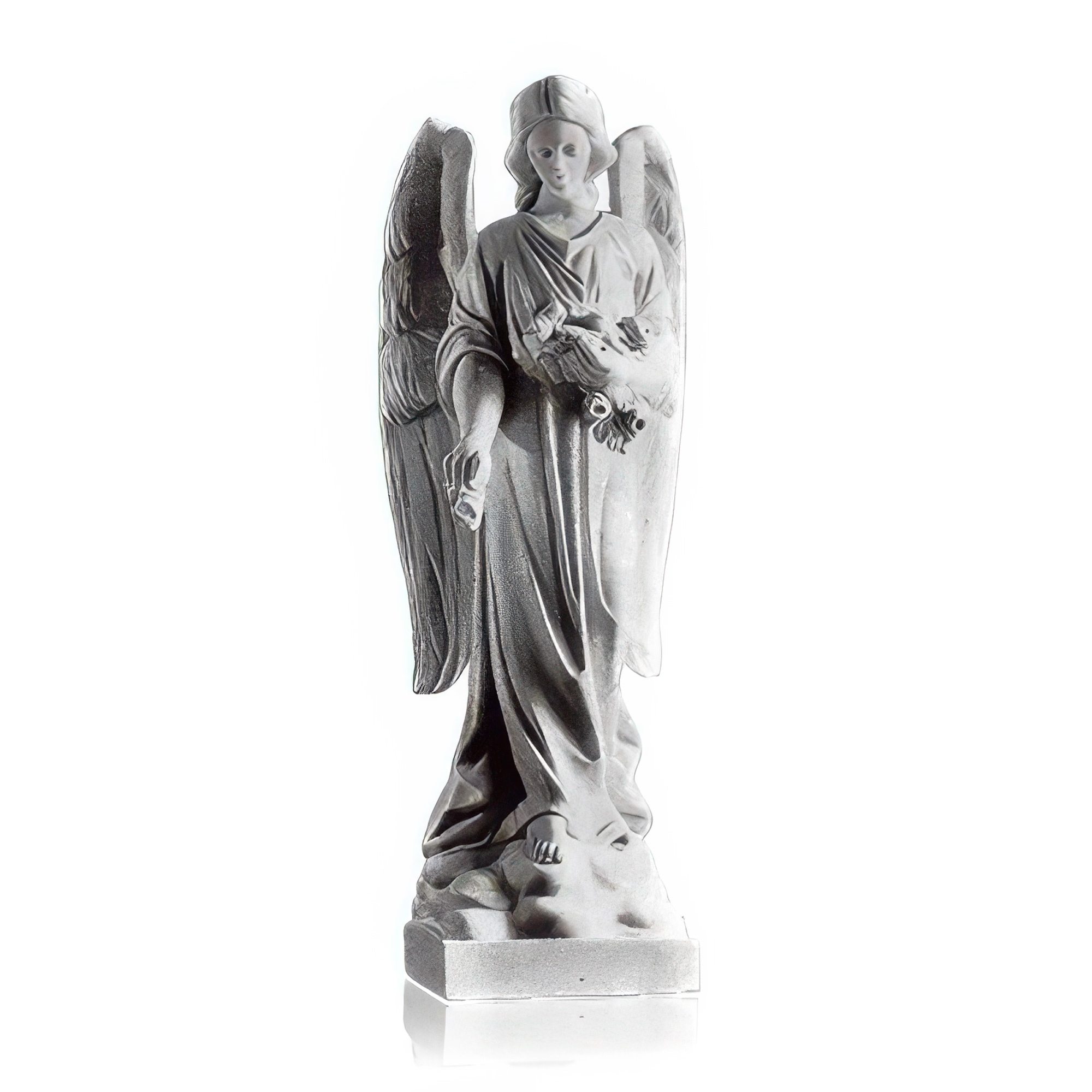
Statue or Sculptural Memorial
A carved or cast figure — an angel, a cross, a religious figure, or a custom subject.
Choose it when the memorial should carry meaning beyond the name, and the section allows height. Our range of memorial statues covers the common subjects, and the symbolism behind them is covered in our guide to headstone symbols and their meanings.
The tradeoffs. The widest price range of anything on this list, from modest cast pieces to commissioned carving costing more than the plot. Sculptural forms also weather differently from a flat monument face: detail traps water and organic growth, so maintenance is genuinely higher. Our guide to how to clean a headstone covers doing it without damage.
Niche Plaque or Columbarium Front
For cremated remains held in a columbarium rather than buried, the memorial is the niche front itself.
Choose it when the interment is a niche — the decision has largely been made for you, and what remains is the plaque's material, lettering and any permitted emblem. Our cremation niche plaques guide covers the specification in detail, and the columbarium versus burial plot comparison covers the interment choice that precedes it.
The tradeoffs. Almost no discretion: columbaria specify the plaque so the wall stays uniform, and that uniformity is the point. It is also the least expensive memorial on this list, because it is a plate rather than a monument.
Ranking Them by Cost
Nobody publishes reliable national figures for this and we are not going to invent any. What holds regardless of market is the order, because it follows the amount of stone and the work of setting it:
1. Niche plaque — least expensive
2. Flat or flush marker
3. Slant marker
4. Upright monument
5. Memorial bench
6. Statue — the widest range, and the only one with no meaningful ceiling
Two things move a memorial up this list more than the format does: material and size. A large flush marker in an uncommon granite can cost more than a small upright in a common one. For what the primary memorial actually costs and how stone, lettering and setting fees combine, see how much a headstone costs, and for the ground beneath it, cemetery plot cost.
The Additions That Are Not Memorials
Three things families frequently want, which sit alongside the memorial rather than replacing it, and which have their own permission rules.
A vase. Either integrated into the marker or set separately. Our guide to choosing cemetery vases covers mounting and materials, and our cemetery vases range covers the formats.
A secondary plaque for a spouse, a service record, or a later date. Our memorial plaques range covers these.
Edging or a border. Frequently prohibited outright, because it obstructs mowing. Our grave edging ideas cover what is generally accepted.
How to Decide in Four Steps
Step 1: get the section's rules in writing. This eliminates most of the list and costs nothing.
Step 2: decide how many names it must eventually carry. A memorial for one person and a memorial for a family plot are different objects, and inscription space is the constraint people underestimate.
Step 3: decide whether it should be read standing or seen from a distance. That is the upright-versus-flush question, and the slant marker is the answer people forget.
Step 4: then choose material and design, which is where our headstone design ideas start.
If the Interment Is Cremation
The list narrows and shifts, because the ground requirement changes. A cremation burial takes a fraction of the space of a casket burial, and many cemeteries sell smaller plots or dedicated cremation gardens for exactly this.
That opens memorial options for cemetery sections a full-size plot would not support. A single plot can hold several urns, so one upright monument can serve a whole family. Cremation-specific formats exist too — pillars designed to hold the remains inside the memorial, and flush markers sized to a cremation plot. Our guide to cremation headstones and grave markers covers those formats, and urn placement in a cemetery covers the interment rules that come first.
The one thing that does not shrink is the permission question. A cremation garden often has its own rules, and they are frequently stricter than the main grounds.
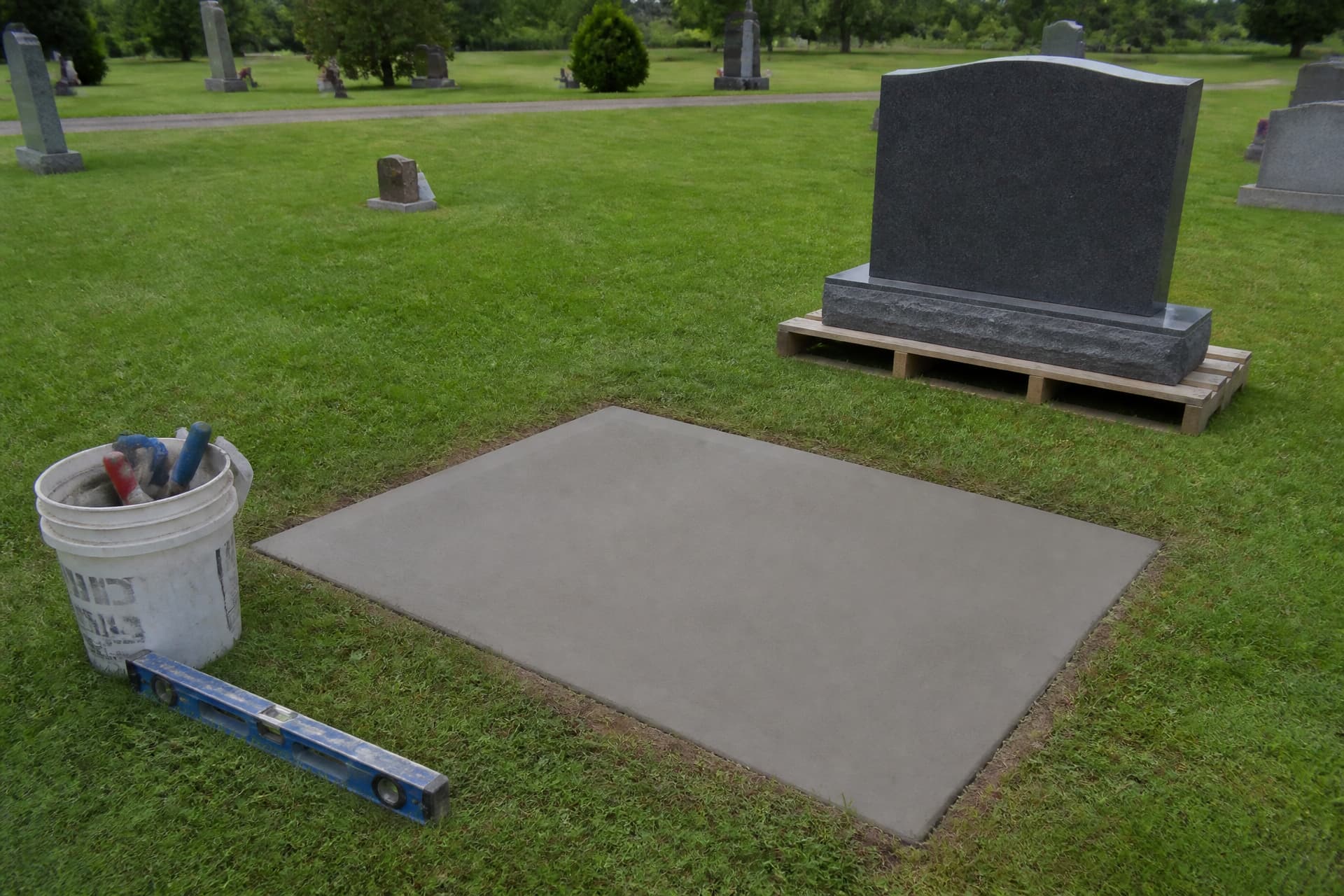
The part nobody quotes. Anything standing above the turf needs a foundation poured to the cemetery's specification, charged separately, and on a small marker it can rival the cost of the stone.
Two Constraints That Beat Every Preference
Whatever shortlist you arrive at, two things override it, and both are easier to check than to argue with.
The foundation. Anything standing above the turf needs a concrete foundation poured to the cemetery's specification, and the cemetery normally pours it and charges for it. That fee is separate from the memorial, it is set by the cemetery rather than by whoever sells you the stone, and on a small marker it can rival the cost of the marker itself. It is also the reason a cemetery cares which memorial you pick: the heavier the monument, the more foundation it needs and the more ground it commits.
What happens to it in fifty years. The best cemetery memorials, judged over that span, are the ones somebody can still read and still maintain. Granite in any format survives. What varies is whether the inscription stays legible — a deeply cut upright face stays readable almost indefinitely, a flush marker vanishes under turf without an annual edging, and fine sculptural detail collects lichen in every crevice. Choosing a memorial is partly choosing how much maintenance you are committing a future family member to.
Neither of these appears in a showroom conversation unless you raise it. Both are worth raising.
Frequently Asked Questions
What are the most common types of cemetery memorials? Flat markers and upright monuments account for the large majority. Slant markers, benches, statues and niche plaques make up the rest, and their availability depends almost entirely on the section.
Can I have more than one memorial on a grave? Sometimes. A marker plus a vase is normal; a marker plus a bench usually needs extra ground and specific permission. Two monuments on one plot is rarely allowed.
Which memorial lasts longest? Granite in any of these formats will outlast everyone reading this. What differs is legibility: a flush marker buries itself under turf, and a sculptural piece traps growth in its detail. Longevity is mostly a maintenance question, not a material one.
What are good cemetery memorial ideas for a family plot? An upright monument with the family surname, with individual flush markers for each grave beneath it, is the traditional arrangement and the one that handles additions best.
Is a bench allowed instead of a headstone? In some cemeteries and some sections, yes. Many require a conventional marker as well, so the bench is an addition rather than a replacement. Ask before pricing it.
Do I have to buy the memorial from the cemetery? Usually not — cemeteries generally regulate what may be installed and who installs it, rather than who sells it. Installation is the part that is commonly restricted.
How long does it take to get a memorial set after the burial? Longer than most families expect. The stone has to be ordered and cut, the inscription proofed and approved, and the foundation poured, and foundations are usually only poured in settled weather. A few months is normal and a winter burial often waits for spring. Families frequently mark the grave with a temporary marker in the meantime, which the funeral home or cemetery can supply.
Start With the Rules, Not the Catalog
Every family that ends up disappointed here made the same mistake: they chose a memorial and then asked whether it was permitted. Reverse those two steps and the decision gets much easier, because the section's rules usually leave two real options and the choice between two is manageable.
For everything that surrounds that decision — the plot, the interment, and the regulations that govern both — start with our cemetery planning guide.