🏬Supersize Online Funeral Retailer🪦1000's of Headstones⚱️Over 10,000 Cremation Urns⚰️Caskets Overnight Delivery🛒Funeral & Memorial Superstore🚚FREE Shipping on ALL Orders👨👩👧👦Helping Families for over 20 Years💰Lowest Price Guarantee🏬Supersize Online Funeral Retailer🪦1000's of Headstones⚱️Over 10,000 Cremation Urns⚰️Caskets Overnight Delivery🛒Funeral & Memorial Superstore🚚FREE Shipping on ALL Orders👨👩👧👦Helping Families for over 20 Years💰Lowest Price Guarantee
🏬Supersize Online Funeral Retailer🪦1000's of Headstones⚱️Over 10,000 Cremation Urns⚰️Caskets Overnight Delivery🛒Funeral & Memorial Superstore🚚FREE Shipping on ALL Orders👨👩👧👦Helping Families for over 20 Years💰Lowest Price Guarantee🏬Supersize Online Funeral Retailer🪦1000's of Headstones⚱️Over 10,000 Cremation Urns⚰️Caskets Overnight Delivery🛒Funeral & Memorial Superstore🚚FREE Shipping on ALL Orders👨👩👧👦Helping Families for over 20 Years💰Lowest Price Guarantee
A death in a Hindu family moves quickly. The cremation is commonly held the same day or at the next dawn, which means a family is choosing a funeral home, reaching a priest and deciding who will perform the rite within hours of a death rather than within days of one. Hindu funeral traditions have a clear shape underneath that speed: a set of things done at home, a set done at the crematory, a period of mourning that runs about two weeks, and a final act at the water. Each part can be carried out in the United States, and this article walks through them in the order they happen.
Two readers usually arrive here. One has been invited to a service in a few days and does not want to get anything visibly wrong. The other is arranging the rite for a parent, knows what it looked like in India, and has no idea how any of it maps onto an American funeral home on a Tuesday morning. Both are served below, and where the two diverge the difference is marked. The rite also sits inside a wider set of , and much of what feels specific to this one — speed, washing, a period of household mourning — turns out to be shared.
One thing to hold before reading further: practice varies enormously. Region, community, sect, and how long the family has been in the United States all change the details, sometimes completely. Everything described here is written as "in many communities" or "traditionally" because that is the honest form. Where you need certainty, the person to ask is the family's own priest.
What Happens in the First Hours
The rite as a whole is called antyesti, the last sacrifice, or antim sanskar, the last rite. Its opening stage takes place wherever the person died or, more often, wherever they are brought immediately afterward — traditionally the family home rather than a funeral home.
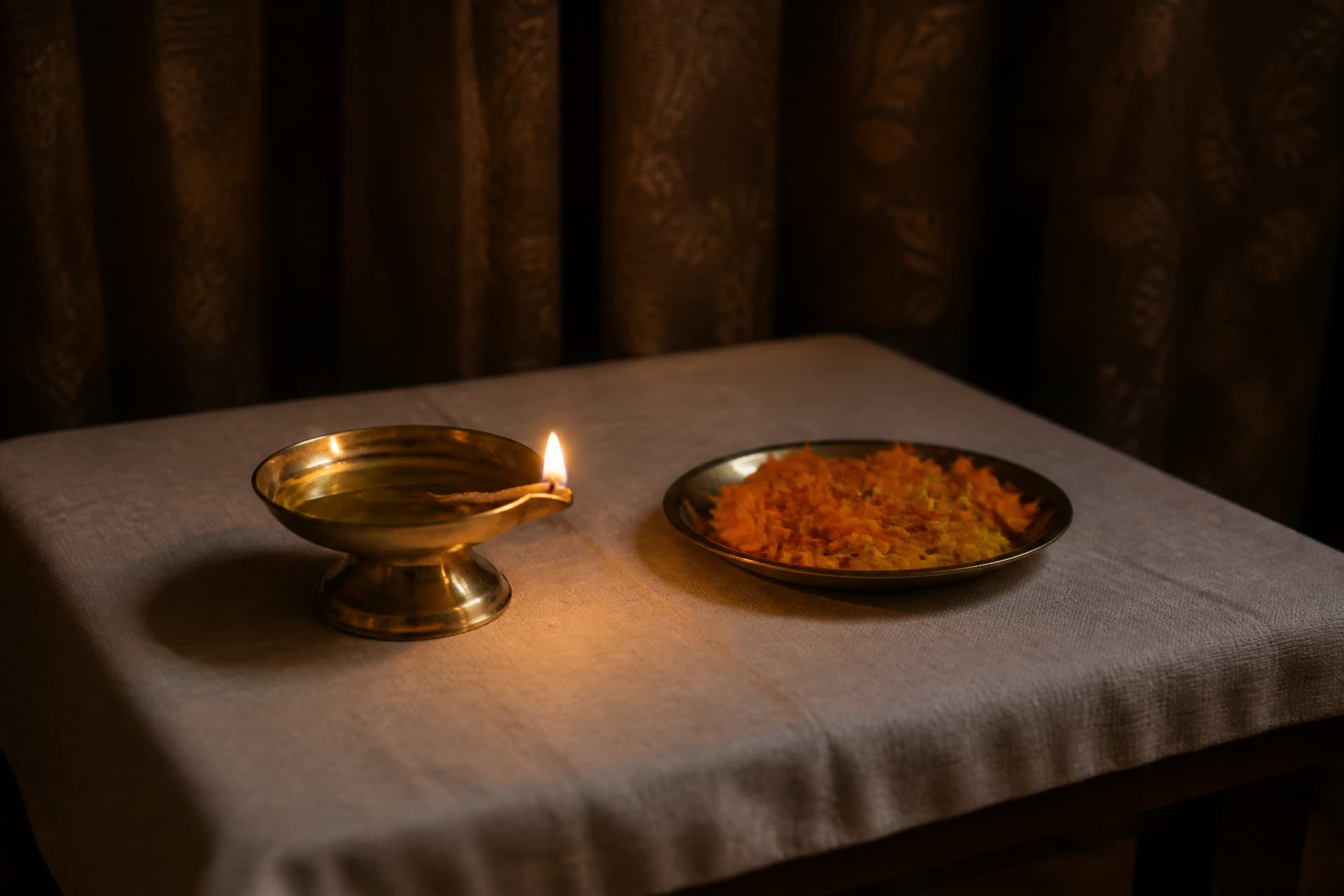
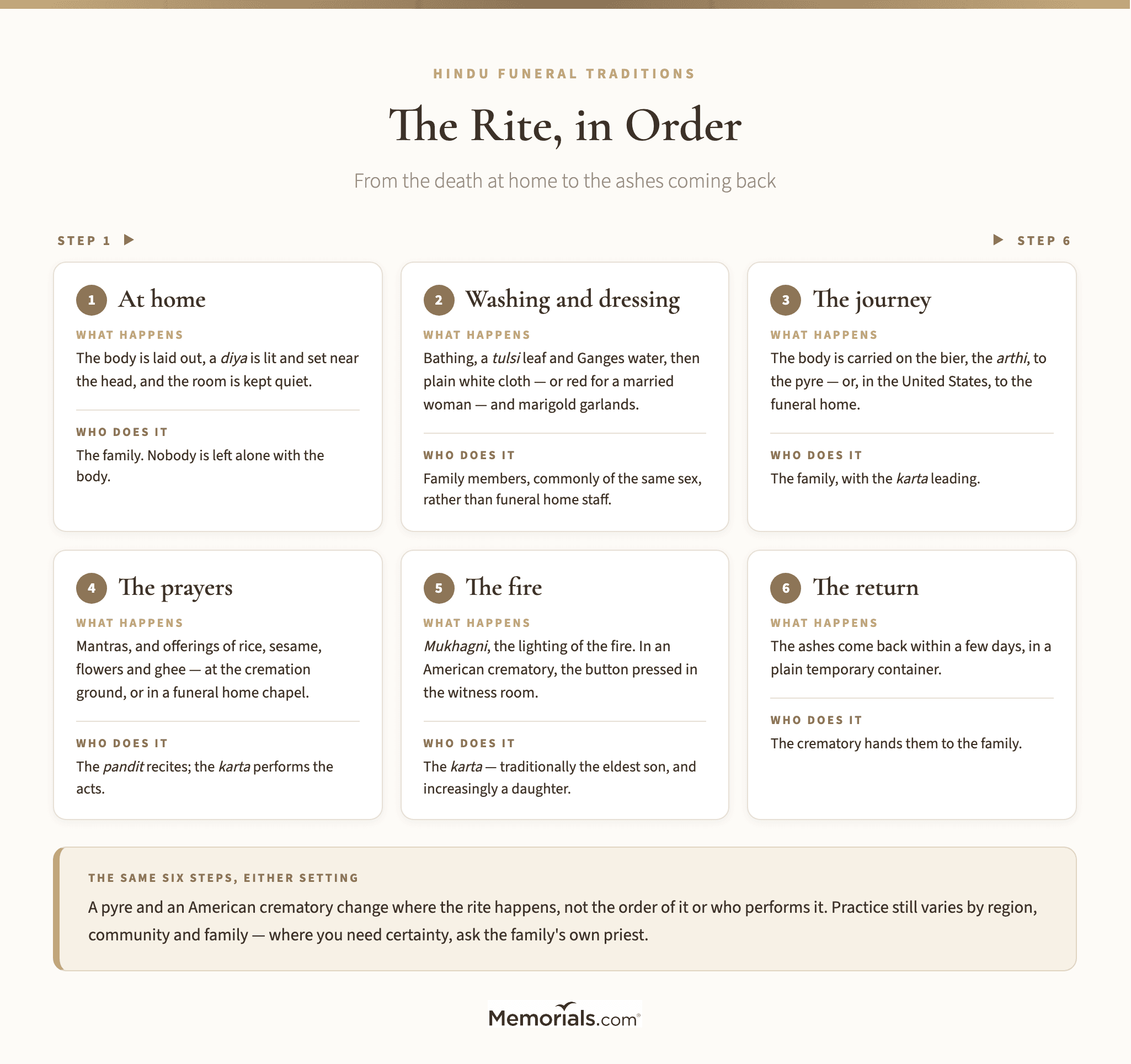
If the death happened at a hospital, families frequently ask to take the body home first, and many American hospitals will release it to a funeral home that agrees to deliver it to the house for a short time. In many communities the body is laid on the floor rather than on a bed, on a mat or a white sheet, with the head to the north or the feet to the south depending on the tradition being followed. A diya — a small oil lamp — is lit and set near the head, and it is often kept burning until the body leaves for the crematory. Incense is lit. The room is kept quiet, and the family sits with the body rather than leaving it alone.
The washing follows. Hindu death rituals put considerable weight on this stage: the body is bathed, commonly by family members of the same sex rather than by staff, and in many households the water is mixed with a little Ganges water kept in the house for exactly this purpose. Sesame oil, yogurt, milk and ghee appear in some traditions. A tulsi (holy basil) leaf may be placed in the mouth, and a few drops of Ganges water with it.
Then the dressing. A man or a widow is usually dressed in plain white. A married woman who dies before her husband is traditionally dressed in red or in her wedding sari, with the full marks of a married woman, because in that tradition she is honored as having died in an auspicious state. Ash or sandalwood paste may be applied to the forehead. Flowers follow — marigold garlands above all, sometimes jasmine or rose — and the body is placed on a bier, the arthi, for the journey.
Alongside the body, the house itself changes. Cooking often stops. Lamps are lit and the usual images of deities in the home may be covered or turned to face the wall. Mirrors are sometimes covered too, which is one of the few Hindu practices with a direct parallel in Jewish and several Christian traditions — why some families cover mirrors is a question that crosses religions rather than belonging to any one of them.
The speed of all this surprises people who are used to a week between a death and a funeral. The reason given is that the soul's departure should not be delayed by attachment to the body, and the body is treated as something to be released rather than preserved. It has a practical consequence for an American family: embalming is generally not wanted, viewing is brief and happens at home or in a short prayer service, and the funeral home is being asked to work on a timetable it may not be used to. That request is reasonable and most funeral homes can meet it, but it has to be made early and directly.
The diya lit beside the body is usually kept burning until the body leaves for the crematory, and in many households it is the only light in the room.
Biodegradable Urns for Immersion
Built to hold the ashes through the service and then break apart in water
A Hindu cremation is not a service someone else performs while the family watches. It is a rite the family carries out, and one person carries most of it: the karta, traditionally the eldest son, or in his absence another close male relative. In a growing number of families a daughter acts as karta, and in the United States that is now common rather than remarkable. A priest — a pandit or purohit — leads the recitation, but the acts belong to the karta.
At the traditional cremation ground, the shmashana, the sequence runs like this. The body is placed on the pyre with the head positioned according to local custom. The karta circles the body, commonly three times or five, sometimes carrying a pot of water that is emptied and then broken. Mantras are recited. The karta then performs mukhagni, the lighting of the fire at the mouth or the head, which is the central act of the whole rite. Later, in some traditions, comes kapala kriya, the ritual breaking of the skull to release the soul — described here because families are sometimes told about it and find no explanation anywhere. Open-air cremation on wood is the traditional form, and the pyre itself has its own long history well beyond Hinduism.
In the United States, almost none of that happens on wood. It happens in a crematory, and the translation is more workable than most families expect.
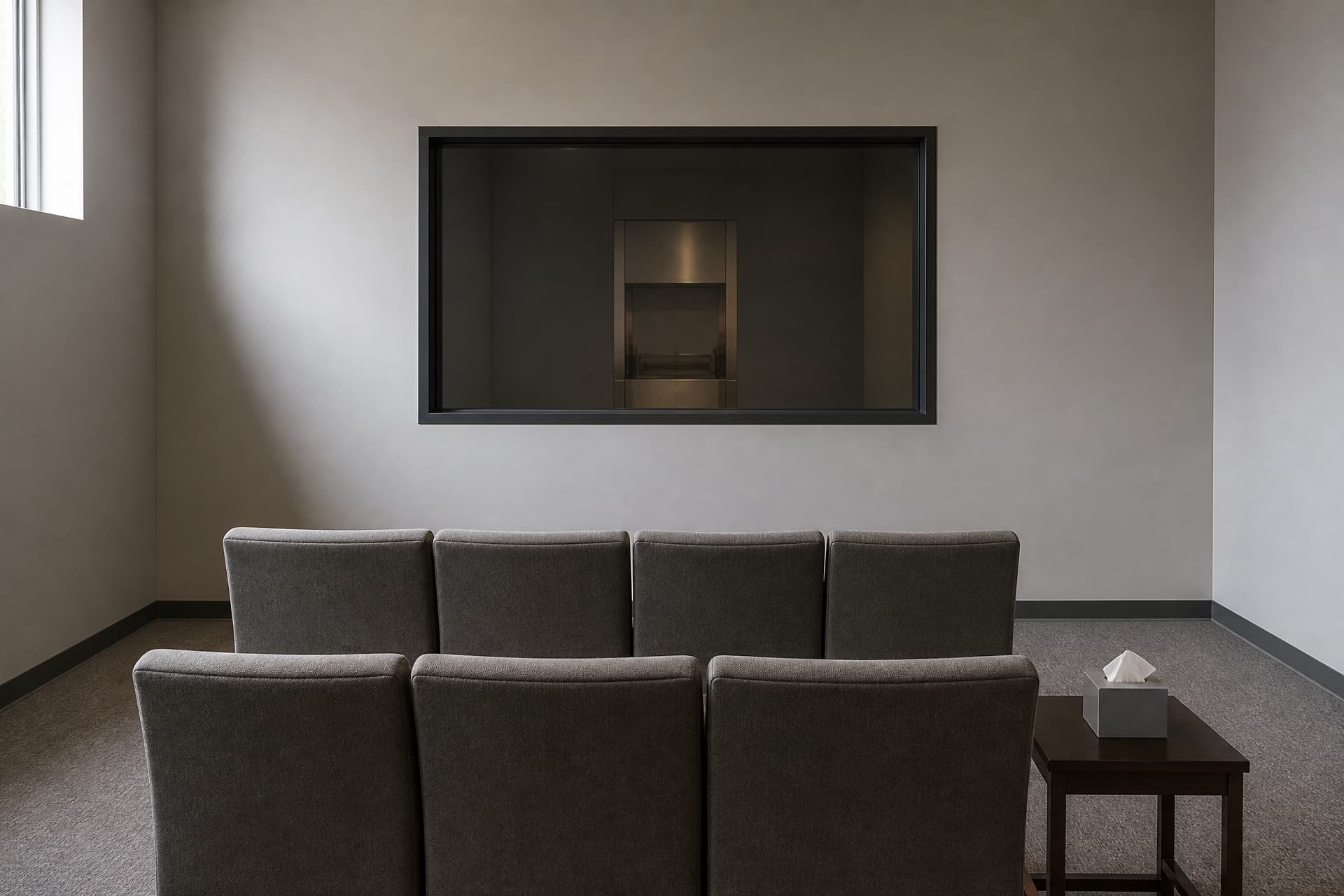
The priest generally comes to the funeral home rather than the family going to a temple. A short service is held in a chapel or a prayer room: mantras, the same offerings of rice, sesame, flowers and ghee, the karta performing the acts he or she would have performed at the pyre. The body is then moved to the crematory itself. Most crematories in the US have a witness room — a small room with rows of chairs facing a viewing window, sometimes with a partition that can be opened — where the family can be present as the casket enters the retort. In place of the torch, the karta presses the button that starts the cremation. Funeral directors are used to this request; the term to use when booking is "witness cremation", and it is worth confirming that the crematory allows it before anything else is agreed. If you want to know what is physically happening on the other side of that window, what happens inside a crematory sets out the process without euphemism.
Two practical points that catch families out. The first is timing: same-day or next-morning cremation depends on the crematory's schedule and on the death certificate being signed, and in some states a permit is required before a cremation can proceed. The second is what comes back. Ashes are usually returned within a few days, in a plain temporary container — a cardboard box or a plastic urn — and the family is expected to have decided what happens next. That decision is easier to make before the crematory calls than after.
The witness room is where an American crematory makes the rite possible: the family is present, and the karta starts the cremation rather than a technician.
The sequence holds whether the cremation happens on a pyre or in an American crematory — what changes is the setting, not who does the acts or the order they come in.
Why Hindus Cremate — and Who Is Not Cremated
The reasoning is not about disposal. In Hindu thought the atman, the self, is not the body and does not die with it; it moves through samsara, the cycle of birth and death, carrying the consequences of action, karma, until it reaches moksha, release from the cycle altogether. Fire is understood to sever the tie between the self and the body quickly and completely. Burial, in that view, prolongs an attachment that the person no longer needs.
That is also why the rite is performed by a son or daughter rather than a professional, and why the days that follow matter so much. The funeral is not the end of the family's obligation but the start of it: the rites of the following days are understood to help the departed on the way. The Garuda Purana, a text often read to families during the mourning period, is where much of the detailed teaching about that passage is set out. The contrast with a tradition that treats the body as something to be kept intact and returned to the earth whole is sharp — a Muslim burial is held with the same urgency, within a day where possible, and reaches the opposite conclusion about fire.
Then the exception, which most guides omit. It is not true that all Hindus are cremated. Renunciates — sannyasis, those who have formally left ordinary life — are commonly buried or interred in a seated position, because the renunciation itself is understood to have already performed what the fire does for everyone else. In many communities infants and very young children are buried rather than cremated, and the age at which the practice changes differs from region to region. Some communities bury in other circumstances as well. If a family tells you their grandfather was not cremated, they are not describing a lapse; they are describing a rule you had not been told about. The broader question of who is not cremated, across religions and in a few situations where the choice is not the family's to make, has more to it than most people expect.
Attending a Hindu Funeral as a Guest
If you have been invited as a colleague, a neighbor or a member of the family by marriage, the anxiety is nearly always the same: showing up wrong. Hindu funeral customs are more forgiving than that worry suggests, and a guest who is quiet, respectful and slightly early will not cause offense.
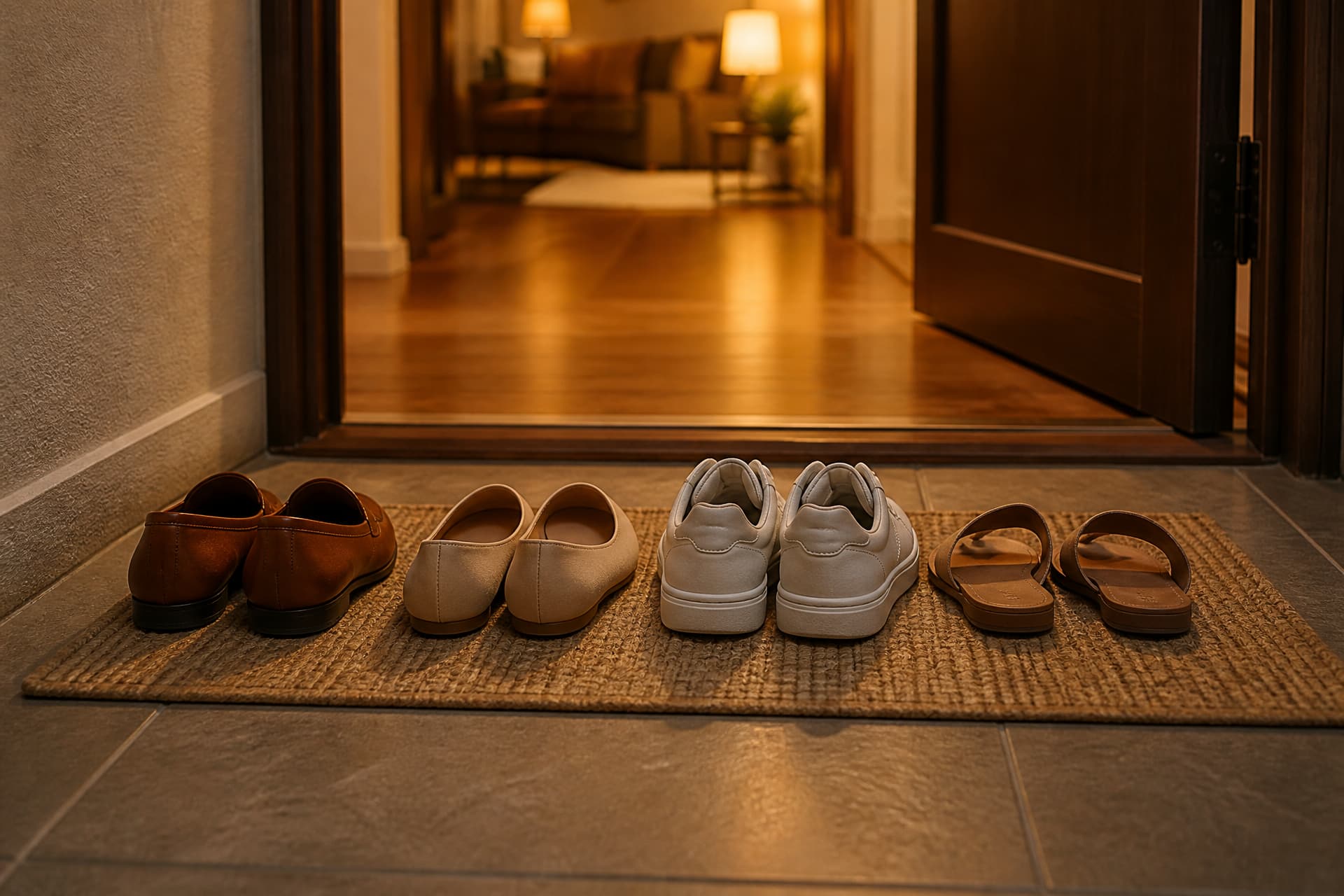
Wear white or off-white if you can. White is the color of mourning in most Hindu communities, and black — the correct choice at an American funeral — reads as out of place at a Hindu one, though nobody will say anything if you wear it. Dress modestly: covered shoulders, long pants or a long skirt, nothing tight or bright. Leave jewelry simple. Expect to remove your shoes before entering a home or a prayer room, so wear something you can slip off, and socks without holes in them. That is most of it, and what to wear to an Indian funeral covers the rest — including what to do when the invitation gives you no guidance at all.
Arrive on time or a little early. Services move quickly and the family will be leaving for the crematory at a set moment. Greet the family with folded hands rather than a handshake or an embrace unless they offer one first. Sit where you are directed; men and women are sometimes seated separately. Phones stay away. Photographs are generally not taken, and you should never take one without being asked to.
On flowers, guidance genuinely conflicts, and it is worth saying so rather than picking a side. Some traditions treat the body and the ceremony as the family's alone and expect guests to bring nothing at all; other communities garland the body heavily and welcome flowers from everyone. At most US Hindu services flowers are ordinary and fine, and white flowers are the safe choice. The only reliable answer is to ask the family or whoever passed on the invitation. If in doubt, bring nothing and give money later — a contribution toward funeral costs, handed over discreetly or sent afterward, is normal in many communities and is more useful than an arrangement.
What to say is simpler than it feels. "I am so sorry" is enough. Avoid anything about reincarnation, a better place, or what the person's soul is doing now; a guest speculating about someone else's theology is uncomfortable regardless of how kindly it is meant. Food is usually served afterward, often vegetarian, and staying to eat is part of paying respects rather than an optional extra. Much of the rest is the same courtesy owed at any service, and general funeral etiquette transfers directly.
Shoes come off before a home or a prayer room, which is why guests who are unsure what to wear should at least think about what they are wearing on their feet.
The Days of Mourning: The Tenth Day, the Thirteenth, and Shraddha
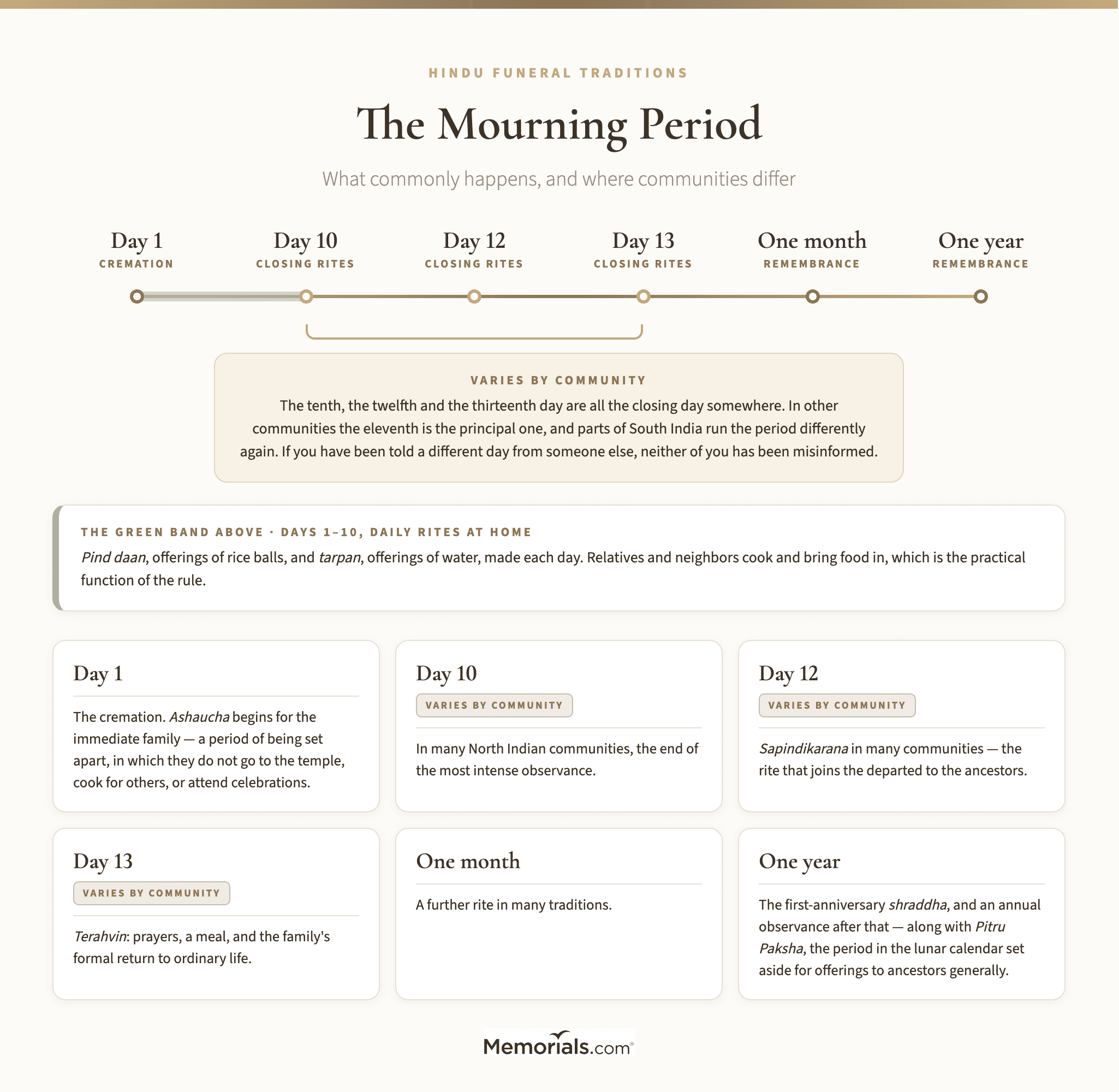
The mourning period begins the moment the cremation ends, and it is a defined stretch of time rather than an open one. The family enters a state usually called ashaucha, a ritual impurity that has nothing to do with hygiene and everything to do with being set apart. In many communities the immediate family does not go to the temple, does not cook for others, does not attend celebrations, and does not participate in normal religious observance for the duration. Relatives and neighbors cook and bring food in — which is the practical function of the rule, and the reason a mourning house is full of people carrying dishes.
Daily rites are performed at home, commonly for ten days, and often include pind daan: offerings of pinda, balls of cooked rice mixed with sesame and other ingredients, made each day to sustain the departed on the journey. Tarpan, offerings of water, may accompany them. A priest attends for some or all of these, and the karta continues to lead. Many families also mark the house itself as changed for the duration, and there is a wider practice across cultures of cleansing the house afterward that has close parallels here.
The period then closes with a set of rites whose day varies by community — and this is the single point on which families most often find contradictory answers online. In many North Indian communities the tenth day marks the end of the most intense observance, the twelfth day carries sapindikarana (the rite that joins the departed to the ancestors), and the thirteenth day carries terahvin, a ceremony with prayers, a meal and the family's formal return to ordinary life. In other communities the eleventh or the twelfth day is the principal one, and in parts of South India the period runs differently again. Some families observe a shortened version, especially in the United States where relatives have flown in on limited leave. All of these are correct within their own tradition. If you have been told the thirteenth day and someone else has been told the tenth, neither of you has been misinformed.
Shraddha is the name for the rites of remembrance themselves, and they do not stop at the thirteenth day. There is commonly a rite at one month, a shraddha on the first anniversary, and an annual observance thereafter, along with Pitru Paksha, a period in the lunar calendar set aside for offerings to ancestors generally. A Hindu family's obligation to the dead is ongoing by design.
For a guest, the useful thing to know is that visits during this period are welcome and expected. You do not need an invitation, you do not need to stay long, and you do not need to say much. Other traditions structure the same stretch of time differently — Buddhist practice frequently marks a forty-nine-day observance rather than a thirteen-day one — but the underlying idea that mourning has a defined shape, and an end, is shared.
The tenth, twelfth and thirteenth days are all correct answers depending on the community, which is why families comparing notes so often think one of them has been told the wrong thing.
Immersing the Ashes: The Ganges, and What Families Do Here
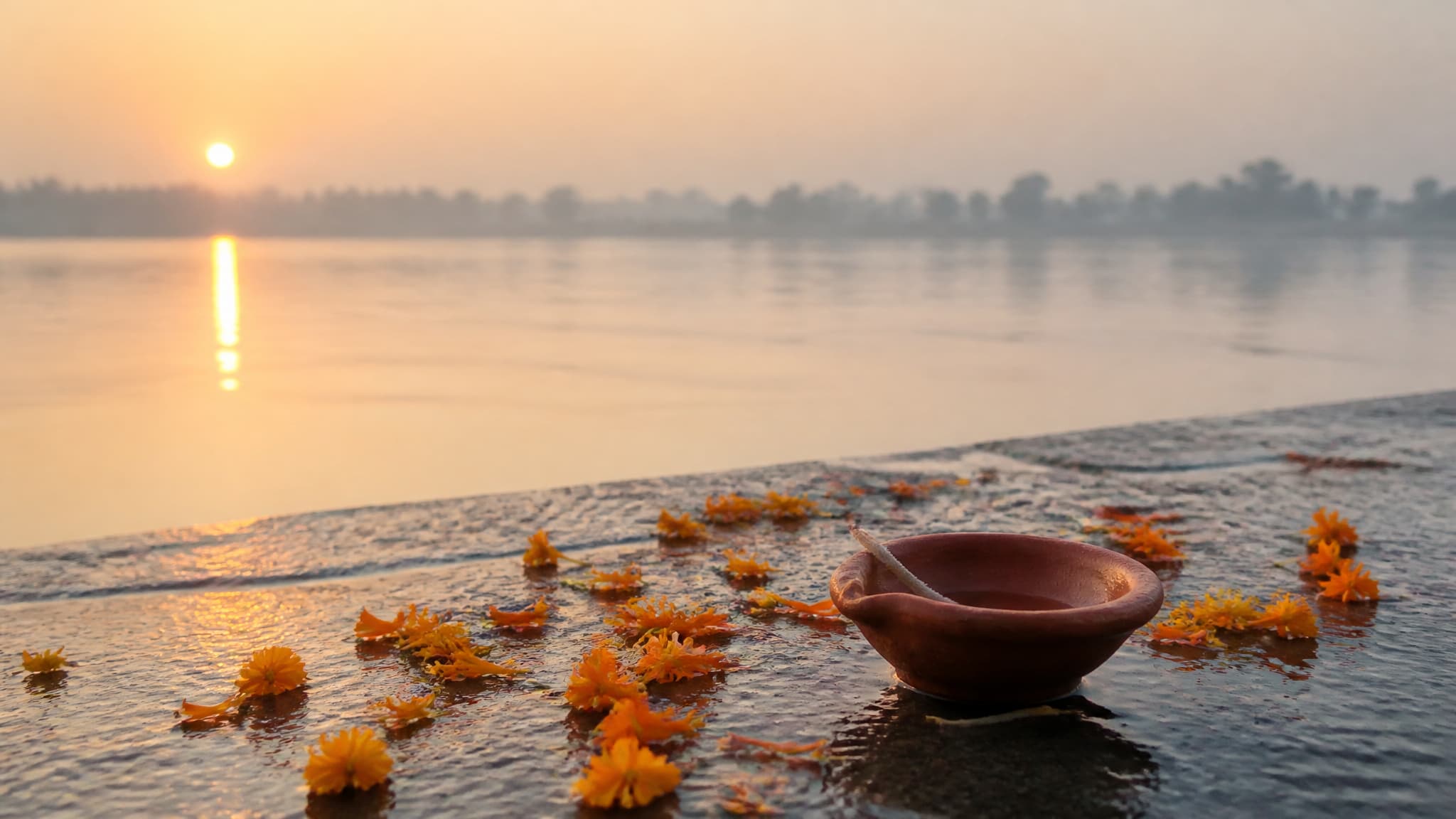
The ashes — asthi — are collected after the cremation, and in the traditional sequence they are gathered by the karta and kept briefly before the final act of the rite: asthi visarjan, immersion in flowing water. Moving water carries the remains away and completes the release that the fire began. This is not a scattering in the American sense and it is not a memorial gathering; it is the last required step of the funeral.
The Ganges is the most sacred destination, and families who can travel go to Haridwar, to Varanasi, or to the confluence at Prayagraj. Families who cannot travel do something else, and the tradition accommodates that far better than its reputation suggests. Any flowing river will serve, and so will the sea. Some families use a river near where the person lived; some go to a coast that meant something; some carry the ashes to India on a later trip, and some divide the timing — a portion immersed locally now, the remainder taken to the Ganges when a family member next travels.
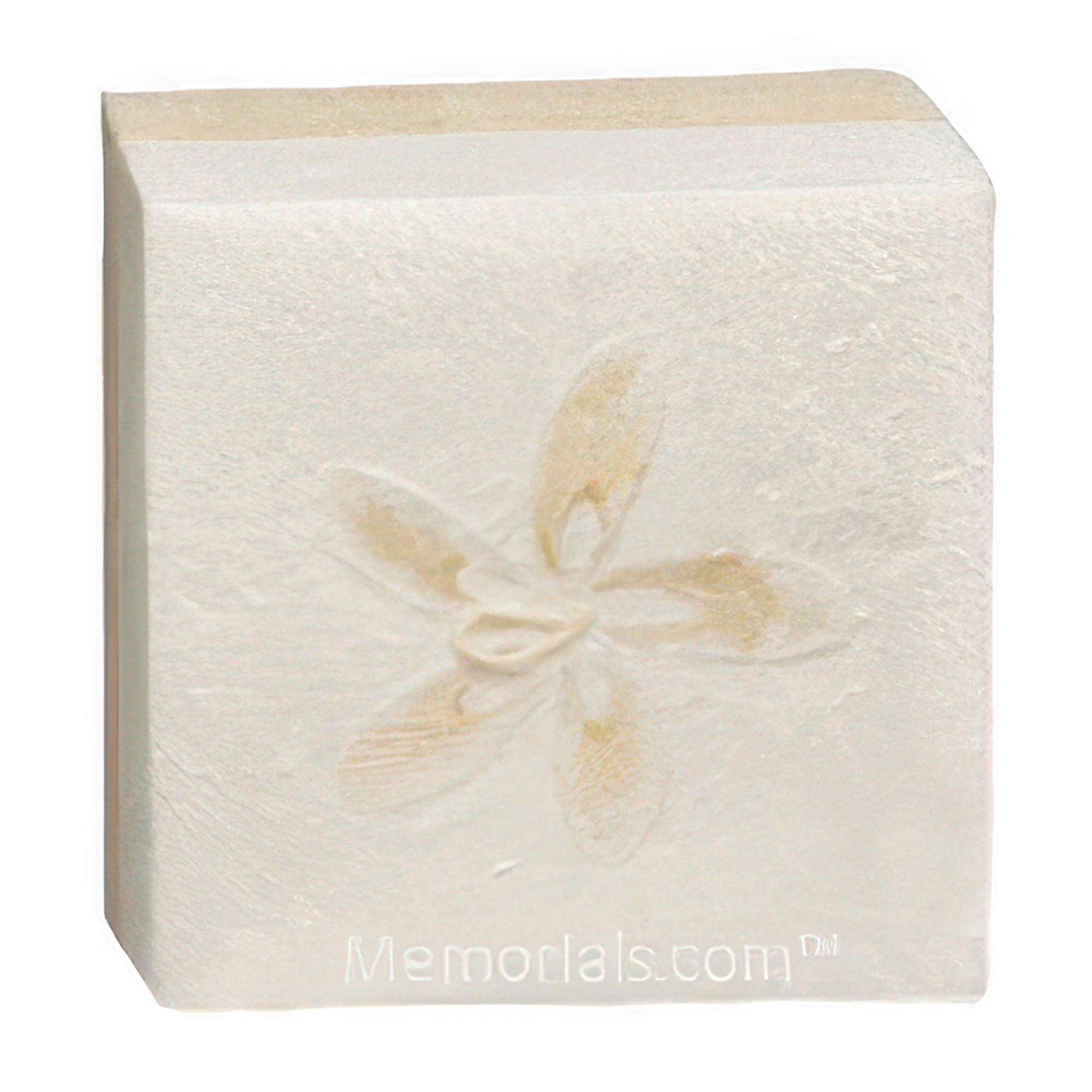
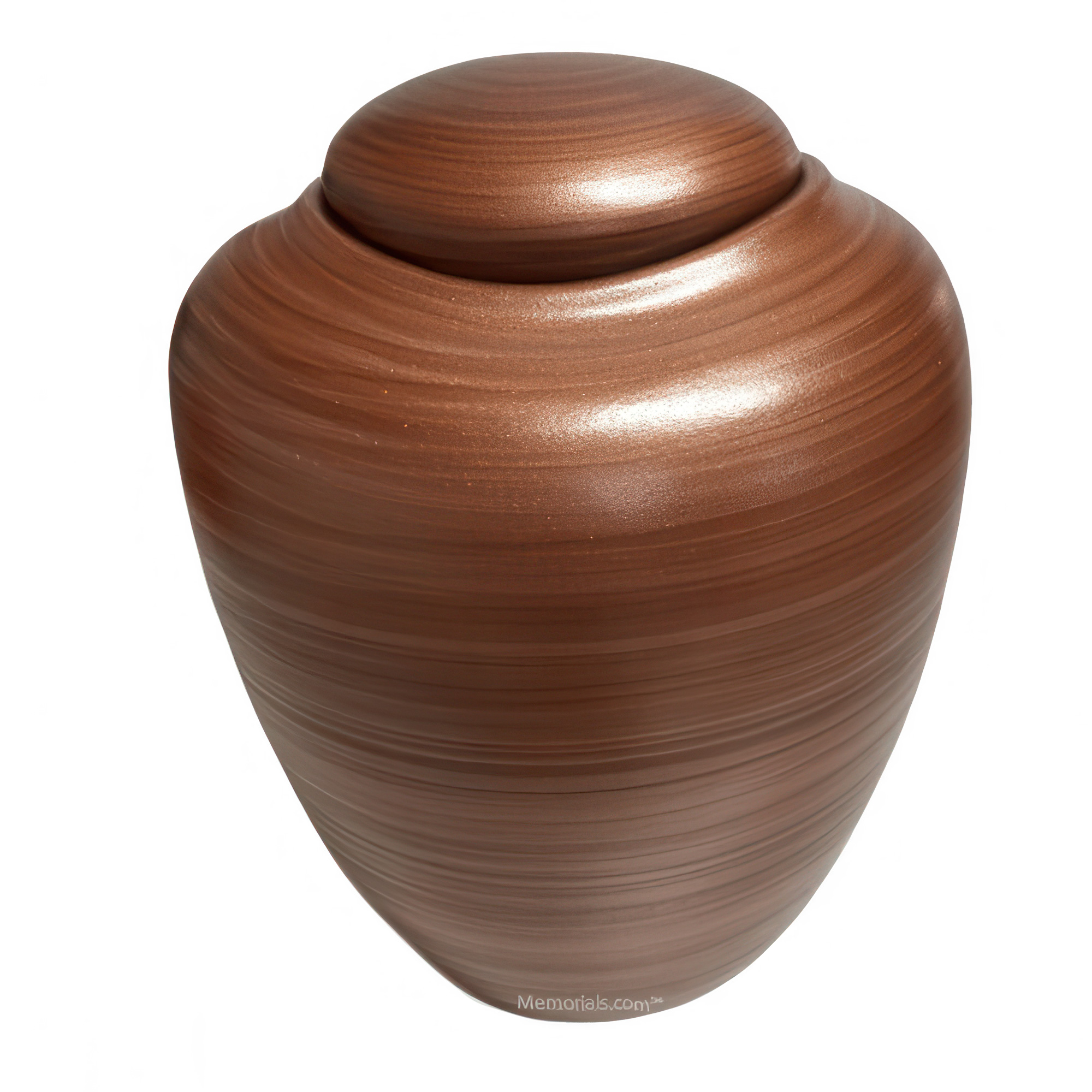
Whatever the water, the container matters, because the rite ends by putting it in. A biodegradable urn is built for exactly this: made from paper pulp, salt, sand, hemp or unfired clay, it holds the ashes with dignity through the service and then breaks apart in water within minutes or hours rather than sitting on a riverbed. The alternative — a permanent vessel that has to be tipped out, or worse, dropped in — makes an awkward moment out of the most solemn part of the rite. If you want the mechanics before choosing, how these urns break down explains what each material does once it is in the water and how long it takes.
One thing to settle before the day. Immersion in American waters is not automatically permitted: rivers, lakes and coastal waters are governed by a mix of federal, state and local rules, and a public park or a stretch of shoreline may have its own. Permission is generally straightforward to obtain, and the practical step is to ask first rather than afterward. The rules on scattering ashes set out who to ask and in what order. Flowers and petals go into the water in most traditions; anything that will not break down should not.
Traditionally, all of the ashes are immersed and nothing is kept. That is still what many families do, and a priest asked directly will usually say so.
It is also not what every family does now, and the reason is worth stating plainly rather than judging. A family may be spread across three countries. One son is in New Jersey, a daughter is in London, a brother never left Pune, and only one of them can realistically be at the water. Dividing the ashes so that each household can perform its own observance, or so that a portion can be immersed now and a portion carried to the Ganges next year, is a modern accommodation to a modern situation. Some families do it without hesitation; others feel the weight of departing from the tradition and want an answer before they decide. The question of dividing ashes between families is one that comes up across every faith, and it does not have a single answer even within one of them. Ask the family's priest — that is the person whose answer will actually settle it.
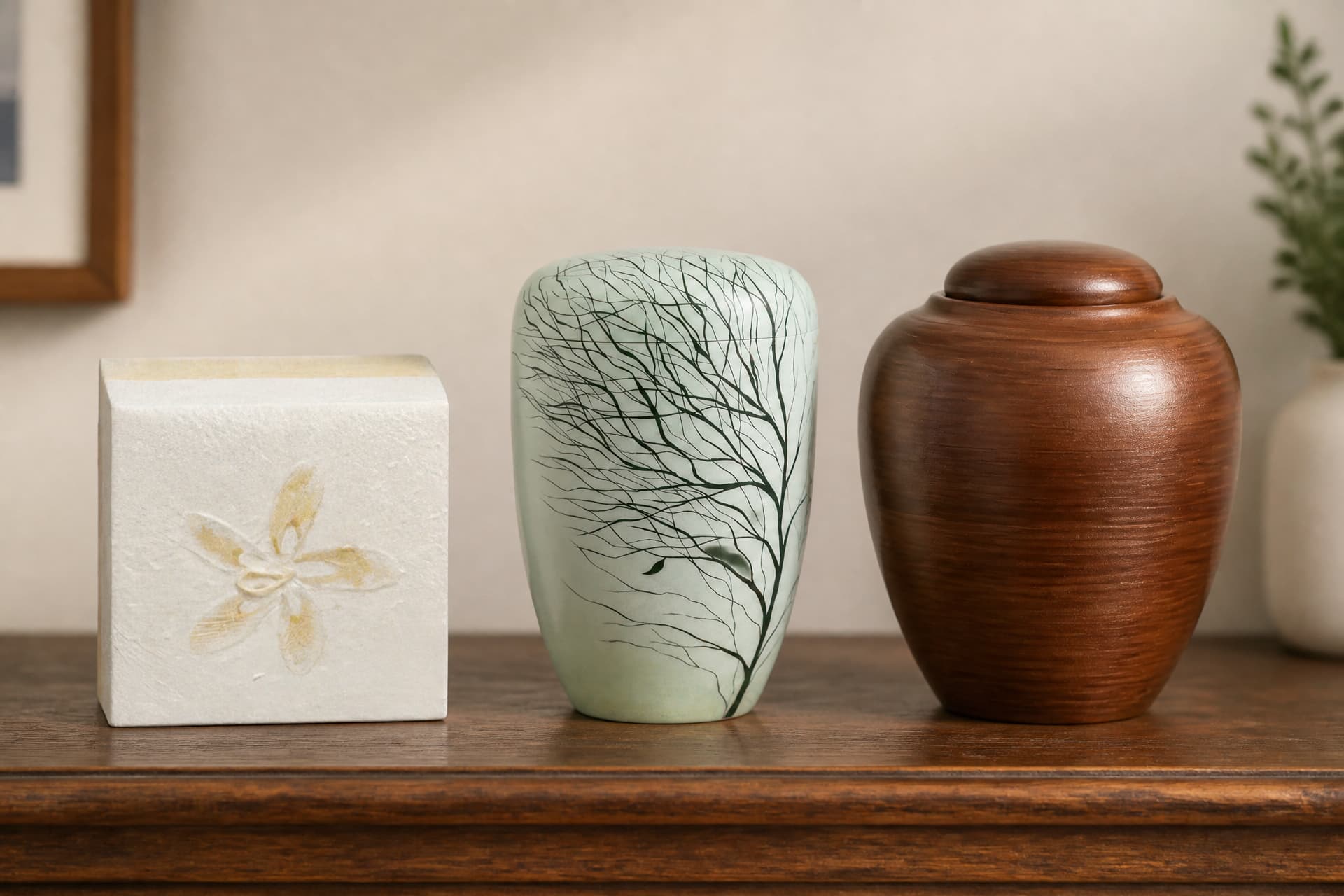
Where a portion is kept, it is generally kept simply, and often not on display. Some families keep it in the home shrine; some keep a small quantity for a future trip; some hold the whole of it until the karta can travel. If the ashes are going to be kept for more than a few weeks, the temporary container from the crematory is not really made for it — the lid is not secure, the label is a sticker, and it is not something a family wants to look at. Plain cremation urns in wood, brass, marble or ceramic do that job without turning the ashes into an ornament. Before choosing one, it helps to know how much room ashes actually take: full-size and keepsake vessels are sized very differently, and a family dividing a portion between four households needs the small ones rather than the large.
Everything above is a common shape, and a common shape is not a rule. Practice differs by region, by community, by sect, by caste, by family, and by generation, and the differences are not small details.
North and South Indian practice diverge on the mourning days, on the treatment of the body, and on who performs which act. Tamil, Bengali, Gujarati, Marathi, Punjabi and Nepali families each keep customs the others do not share. Vaishnava and Shaiva families differ in the mantras used and in some of the offerings. ISKCON communities have their own established practice in American cities. A family that has been in the United States for three generations may keep the core of the rite and quietly drop half the details, and a family that arrived last year may keep all of them. Reformist movements such as the Arya Samaj simplify the rites considerably by design.
The point of saying this is not to make the subject seem unknowable. It is to make it easier for you to ask. If you are the person arranging the funeral and you are unsure what your own family does, the question to put to an older relative is not "what is the correct practice" but "what did we do for grandmother" — the second one has an answer and the first one does not. If you are a guest, ask the family what they would like you to do rather than reading a page like this one and assuming. Neighboring traditions have the same internal variety: Buddhist funeral customs share the emphasis on cremation and on rites continuing after the funeral, and vary as much from country to country.
Frequently Asked Questions
Why do Hindus cremate instead of bury?
Because fire is understood to separate the self from the body cleanly and quickly. In Hindu thought the atman does not die with the body, and the body's remaining is treated as an attachment that no longer serves the person. Cremation releases it. Burial, in that understanding, holds on to something that should be let go.
How soon after death does a Hindu cremation take place?
Traditionally within a day — the same day where possible, otherwise by the following sunrise. In the United States the practical limit is the death certificate, the crematory's schedule, and any permit the state requires, so a next-day or second-day cremation is more usual than a same-day one. Tell the funeral home at the first phone call that speed matters; most can accommodate it if they know.
Who lights the fire at a Hindu funeral?
The karta — traditionally the eldest son, or the closest available male relative. Daughters increasingly act as karta, and in the United States that is now common. At an American crematory, the karta presses the button that starts the cremation rather than lighting a torch, and the priest recites while the karta performs the acts.
What should I wear to a Hindu funeral?
White or off-white, modest and plain, with shoes you can take off easily. Black is not wrong enough to cause offense but it is not the mourning color here. Keep jewelry and makeup minimal, and cover your shoulders and legs.
Should I bring flowers to a Hindu funeral?
Practice differs, and both answers you will find online are true somewhere. At most Hindu services in the United States flowers are ordinary, and white flowers or a marigold garland are safe. Some communities expect guests to bring nothing at all. Ask the family or whoever invited you; if you cannot ask, bring nothing and offer a contribution toward costs instead.
What happens to the ashes after a Hindu cremation?
They are immersed in flowing water — the Ganges where a family can travel, and otherwise a local river, a lake or the sea. Some families carry a portion to India on a later trip. The immersion is part of the funeral rite rather than a separate memorial event, and in the United States it usually needs permission from whoever manages the water.
How long is the Hindu mourning period?
Commonly about thirteen days for the immediate family, with daily rites through the first ten and a closing ceremony on the tenth, twelfth or thirteenth day depending on the community. Rites of remembrance continue after that — at one month, on the first anniversary, and annually.
If You Are Arranging One This Week
Four decisions, roughly in this order. Call a priest first, before the funeral home if you can, because the priest's availability shapes the timetable and because most Hindu priests serving American communities have done this many times and will tell you what your family's tradition expects. Then call a funeral home and ask two specific questions: can you do a cremation within a day or two, and does your crematory have a witness room where the family can be present and start the cremation. Ask both explicitly. A general "we handle Hindu funerals" is not the same answer.
Third, decide who will act as karta, and tell them. It is not a role to spring on someone in a chapel. Fourth, decide where the ashes are going before the crematory hands them over, because that decision determines what they should be handed over in — and a family that has not made it ends up storing a parent in a cardboard box on a shelf for six months while it argues.
None of this requires you to reproduce India in a Midwestern funeral home. The rite has always adapted to what was available: the priest comes to the chapel instead of the ghat, the button replaces the torch, a river an hour away stands in for the Ganges. What matters is that the acts are performed, by the right person, in the right order, and that the ashes end up in moving water. When you reach that last step, an urn built to dissolve is the small practical thing that lets the final act of the rite be what it is supposed to be — one movement, and then the water.