🏬Supersize Online Funeral Retailer🪦1000's of Headstones⚱️Over 10,000 Cremation Urns⚰️Caskets Overnight Delivery🛒Funeral & Memorial Superstore🚚FREE Shipping on ALL Orders👨👩👧👦Helping Families for over 20 Years💰Lowest Price Guarantee🏬Supersize Online Funeral Retailer🪦1000's of Headstones⚱️Over 10,000 Cremation Urns⚰️Caskets Overnight Delivery🛒Funeral & Memorial Superstore🚚FREE Shipping on ALL Orders👨👩👧👦Helping Families for over 20 Years💰Lowest Price Guarantee
🏬Supersize Online Funeral Retailer🪦1000's of Headstones⚱️Over 10,000 Cremation Urns⚰️Caskets Overnight Delivery🛒Funeral & Memorial Superstore🚚FREE Shipping on ALL Orders👨👩👧👦Helping Families for over 20 Years💰Lowest Price Guarantee🏬Supersize Online Funeral Retailer🪦1000's of Headstones⚱️Over 10,000 Cremation Urns⚰️Caskets Overnight Delivery🛒Funeral & Memorial Superstore🚚FREE Shipping on ALL Orders👨👩👧👦Helping Families for over 20 Years💰Lowest Price Guarantee
You have been asked to help arrange the funeral, or you have been invited to one, and what you actually want to know is how not to get it wrong. A Scottish funeral is shorter, plainer and far less scripted than most people expect, and almost nothing that makes it Scottish happens during the service itself. It happens in the house in the days before, at the edge of the grave afterward, and in the room where everyone eats when it is over.
There is one thing worth saying before any of the detail, because it settles most of the anxiety on its own: there is no single Scottish practice to fail at. A Free Church funeral in Lewis, a Requiem Mass in Glasgow and a Church of Scotland service in Edinburgh differ from each other more than any of them differs from an ordinary American funeral. A family in Ohio with a Scottish grandmother is not sitting an exam. Our wider funeral traditions guide sets Scotland beside the other ways families bury their dead; this page stays with Scotland, and with the question of what travels.
What follows is the order of the day, the customs that sit around it, and — for each one — whether it can honestly be done at a funeral home in the United States. Scottish funeral traditions are practical rather than theatrical, which is exactly why so much of the practice survives three generations and an ocean.
What Happens at a Scottish Funeral
The death is announced first, and announced widely. Historically that meant a neighbor going door to door; for most of the twentieth century it meant the intimations column in the local paper, and now it means a post that reaches cousins in three countries by lunchtime. The announcement carries the practical facts — where, when, and whether the family has asked for flowers or for a donation instead — because the assumption is that people will come, including people the family has not spoken to in years.
Then come the days before, when visitors call at the house. Scots call this the wake, and it is not the same thing as an American viewing at a funeral home, so it is worth knowing the difference between a wake and a funeral before you arrive. The wake is hospitality. The funeral is the service.
The service itself is short. Twenty to forty minutes is normal, in the kirk, at the crematorium, or standing at the graveside in whatever weather has turned up. There is a psalm — very often the twenty-third, sung to the tune Crimond, which is named after an Aberdeenshire village and is the piece most likely to break the room. There are prayers, a reading, and a eulogy given by the minister or by a member of the family. There is no viewing of the body at the service, no open coffin at the front, and no long procession of speakers.
One vocabulary note that matters more than it looks. Scottish families say coffin. The word an American funeral director will use, casket, is understood perfectly well but sounds imported, and if you are writing an order of service or speaking at the graveside, coffin is the word that will sound right to the relatives who notice such things.
After the service the mourners walk or drive to the burial ground for the committal, and after the committal everyone goes to eat. That last part is not an afterthought bolted onto the day. It is the half of the funeral most Scottish families would describe as the important half.
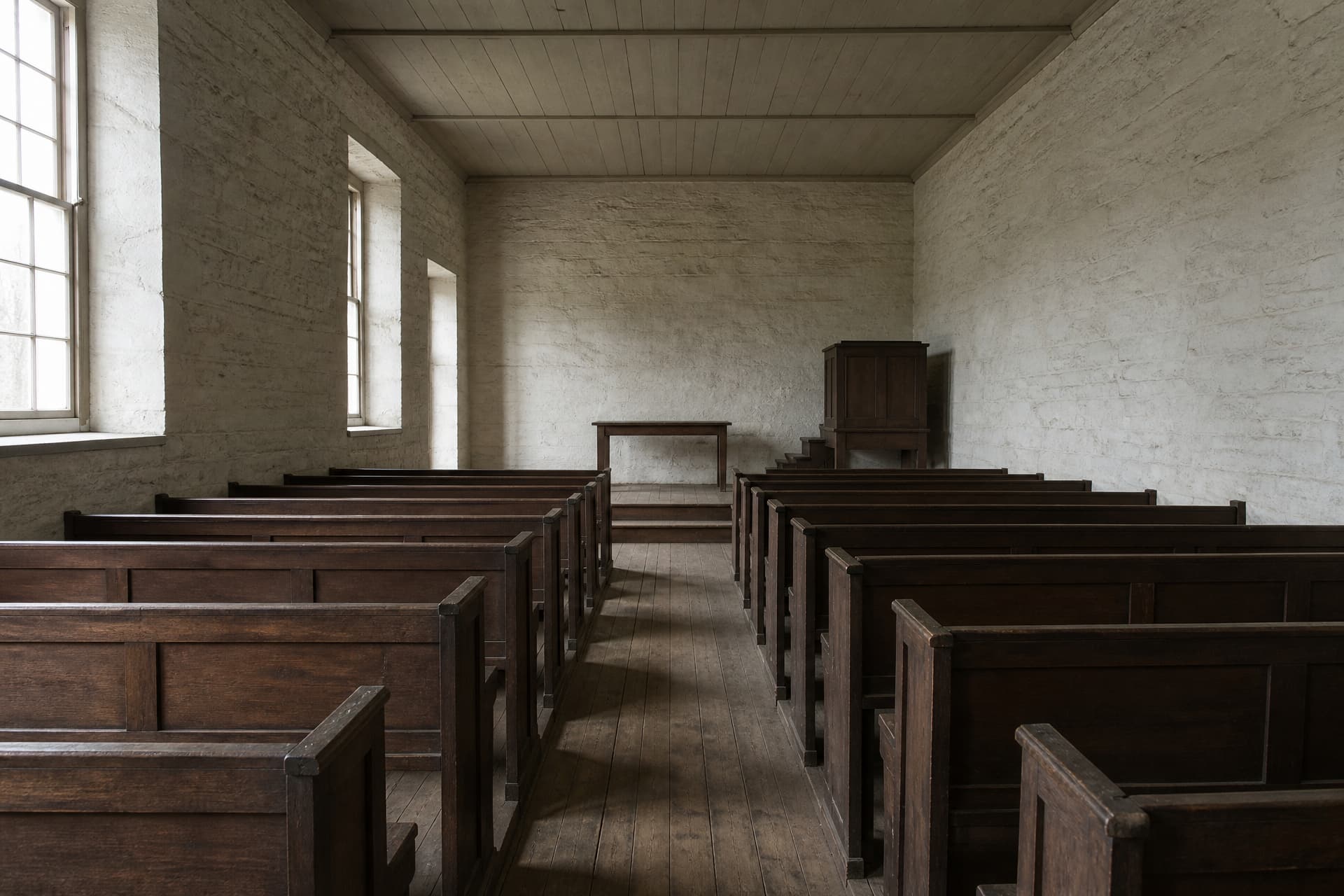
Plainness is the design, not a shortage. After the Reformation the Scottish church stripped ceremony out of burial deliberately, and the short, undecorated funeral service is what was left behind.
The Stone and the Keepsake
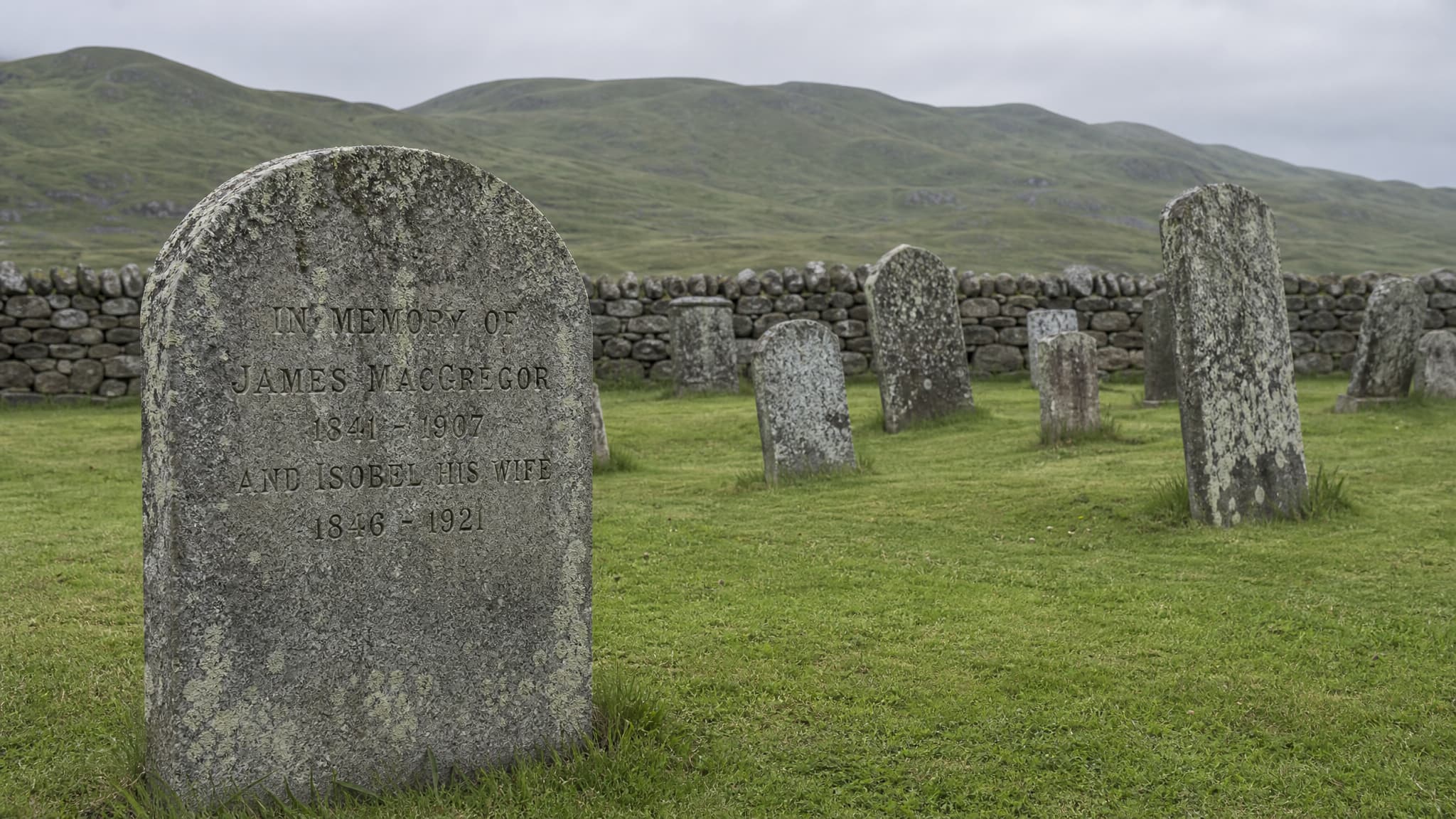
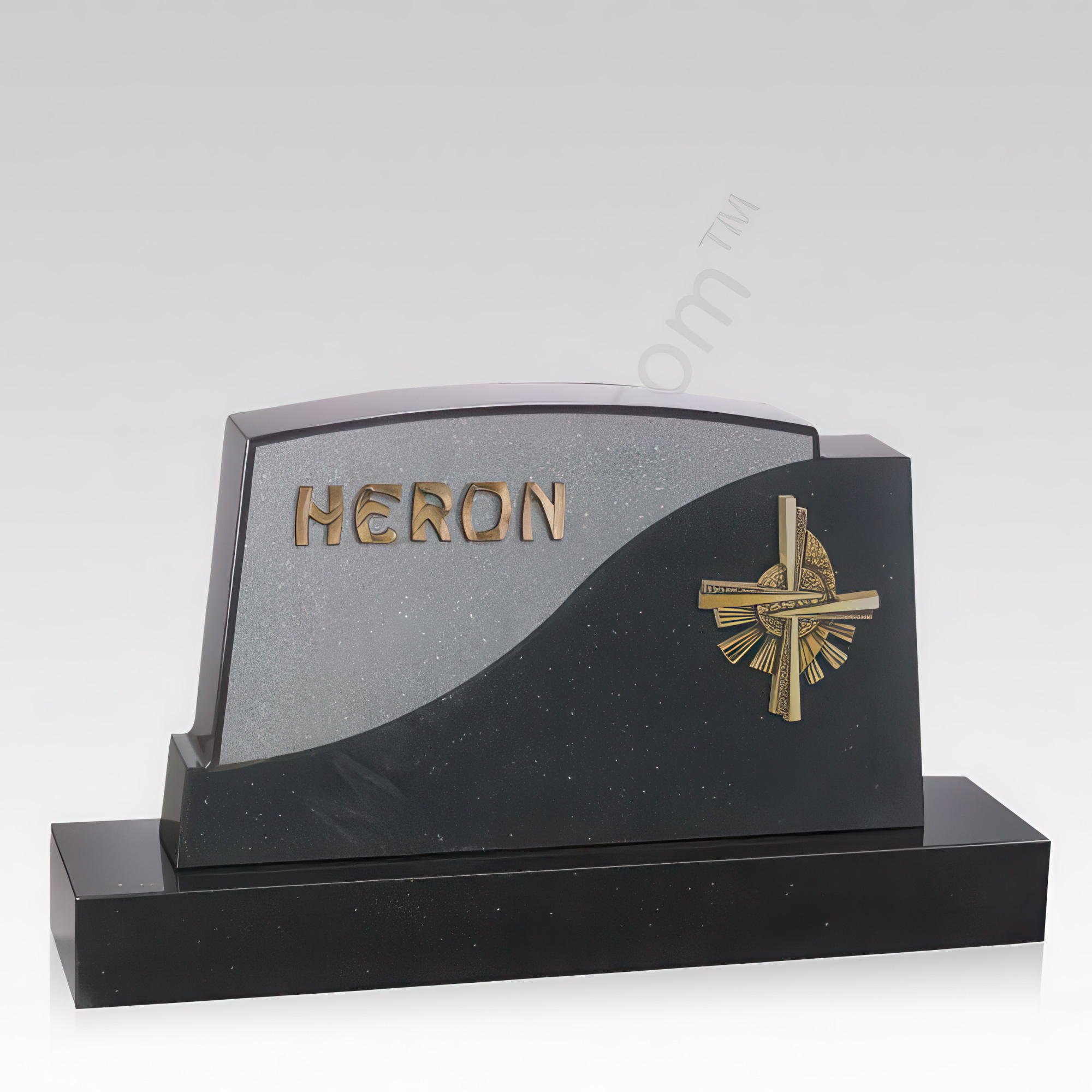
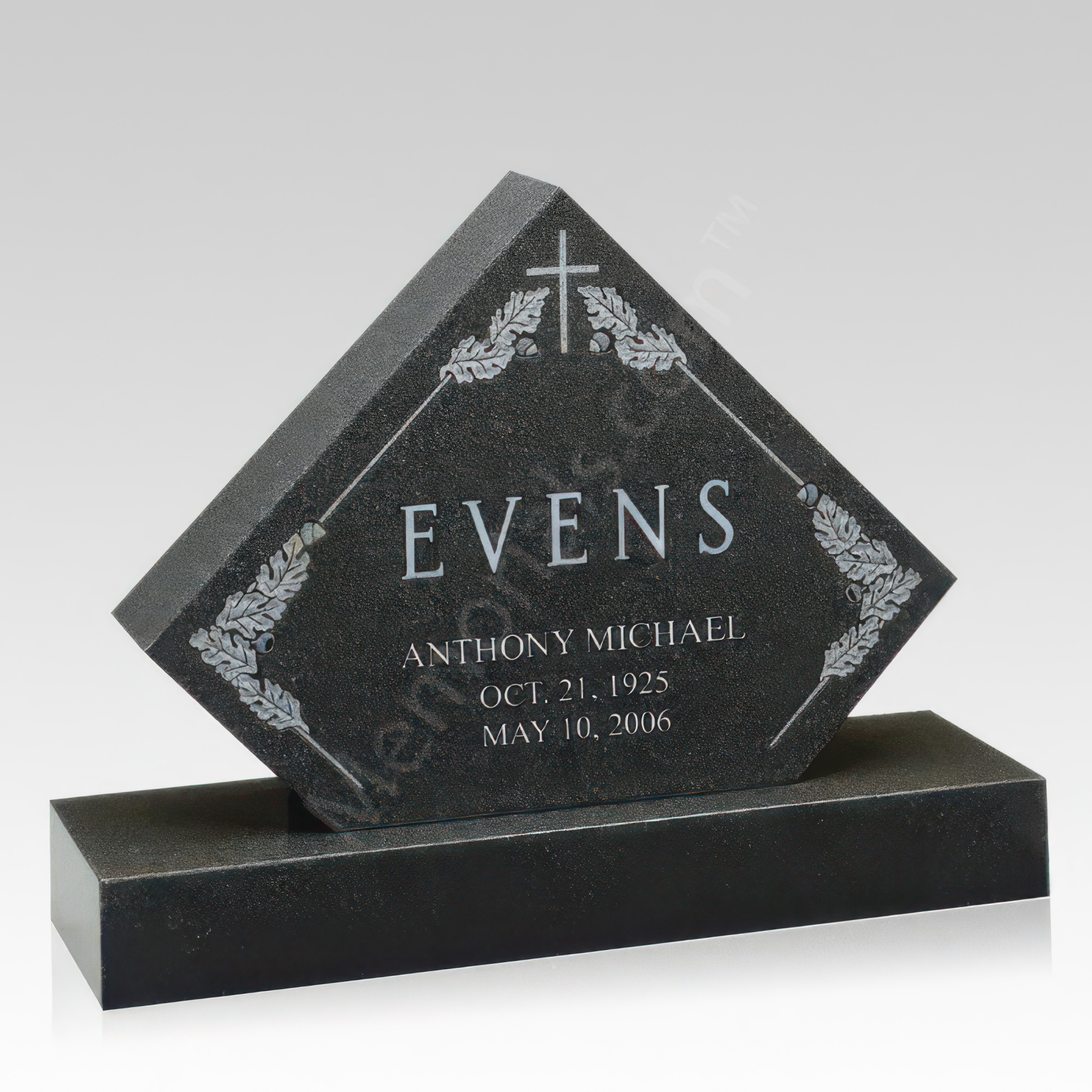
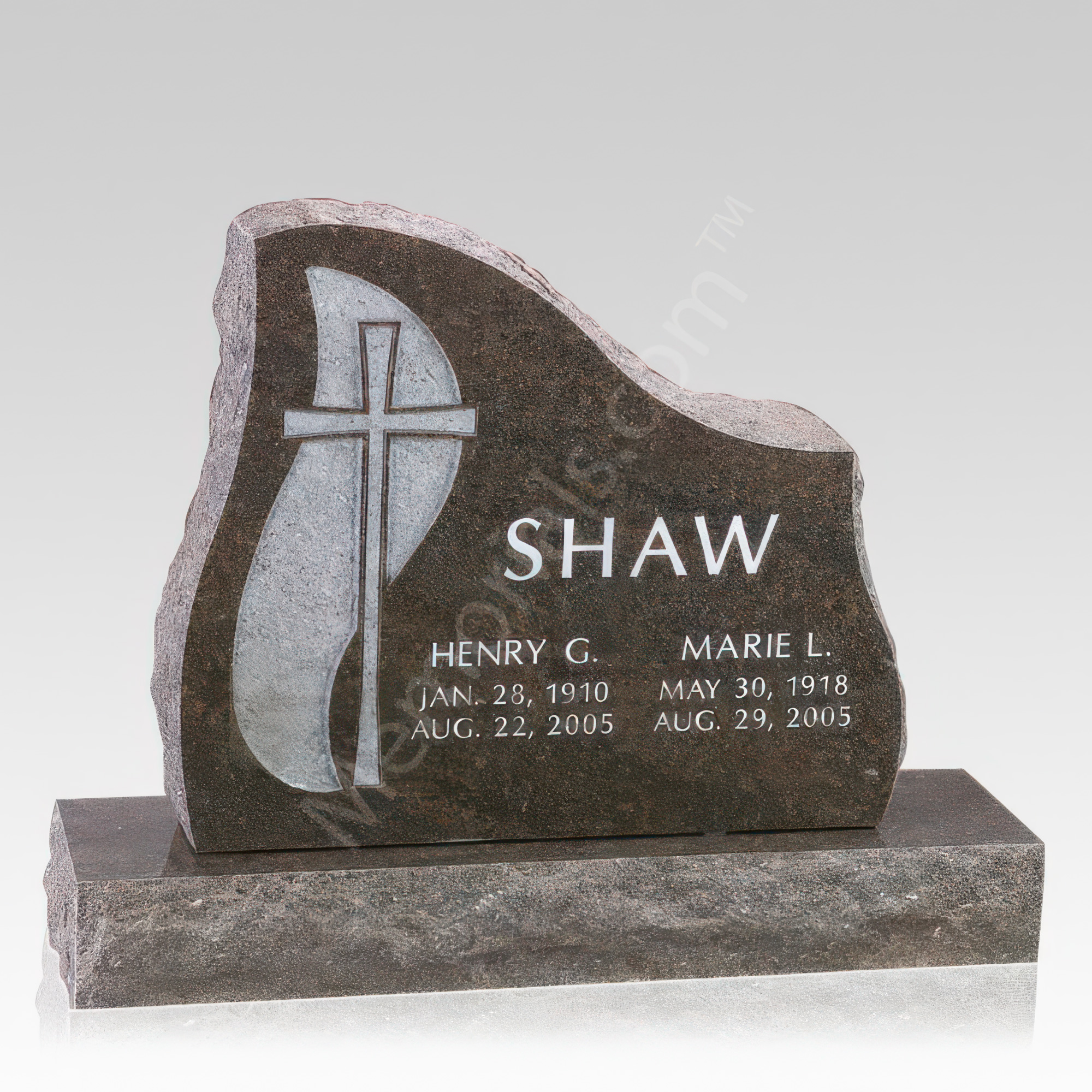
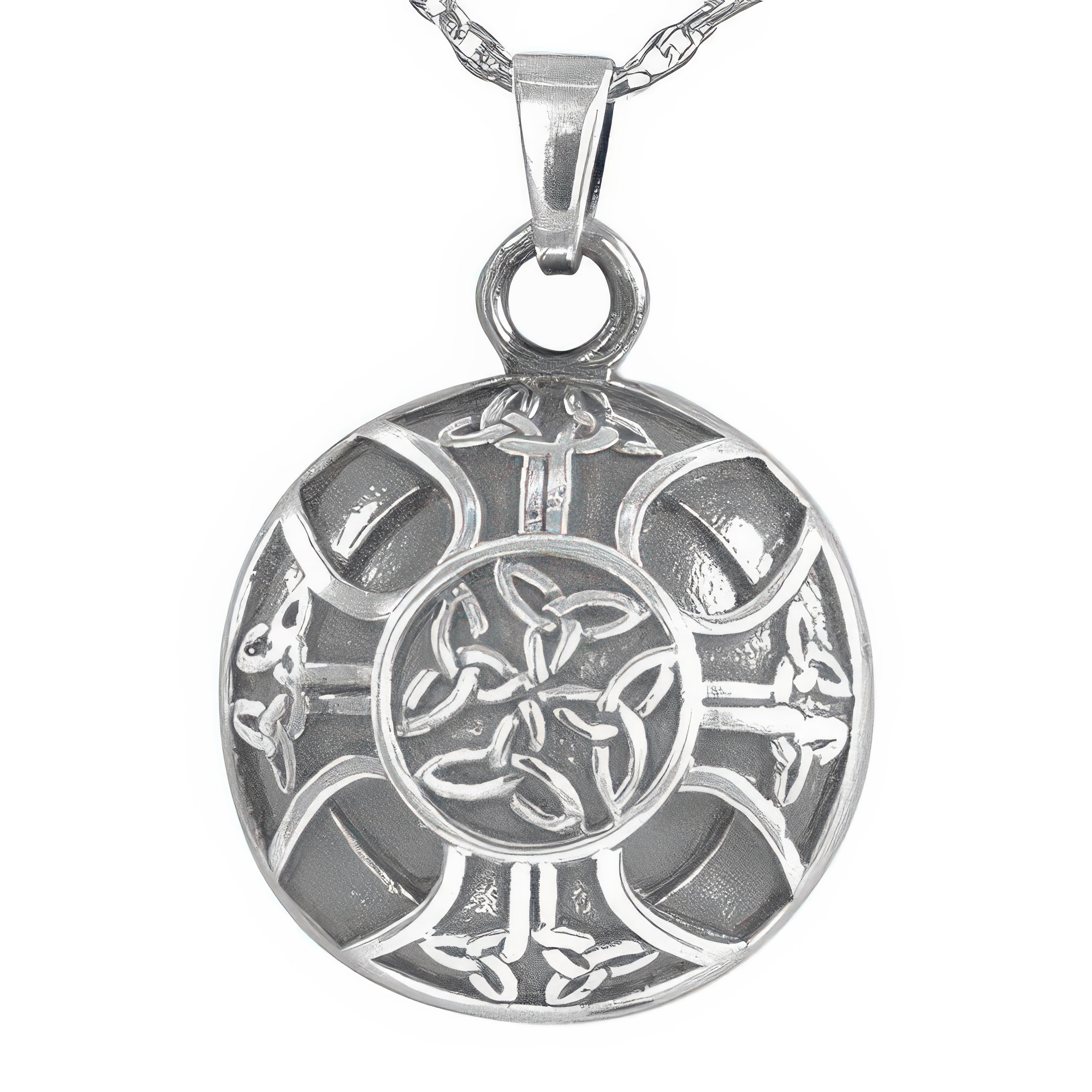
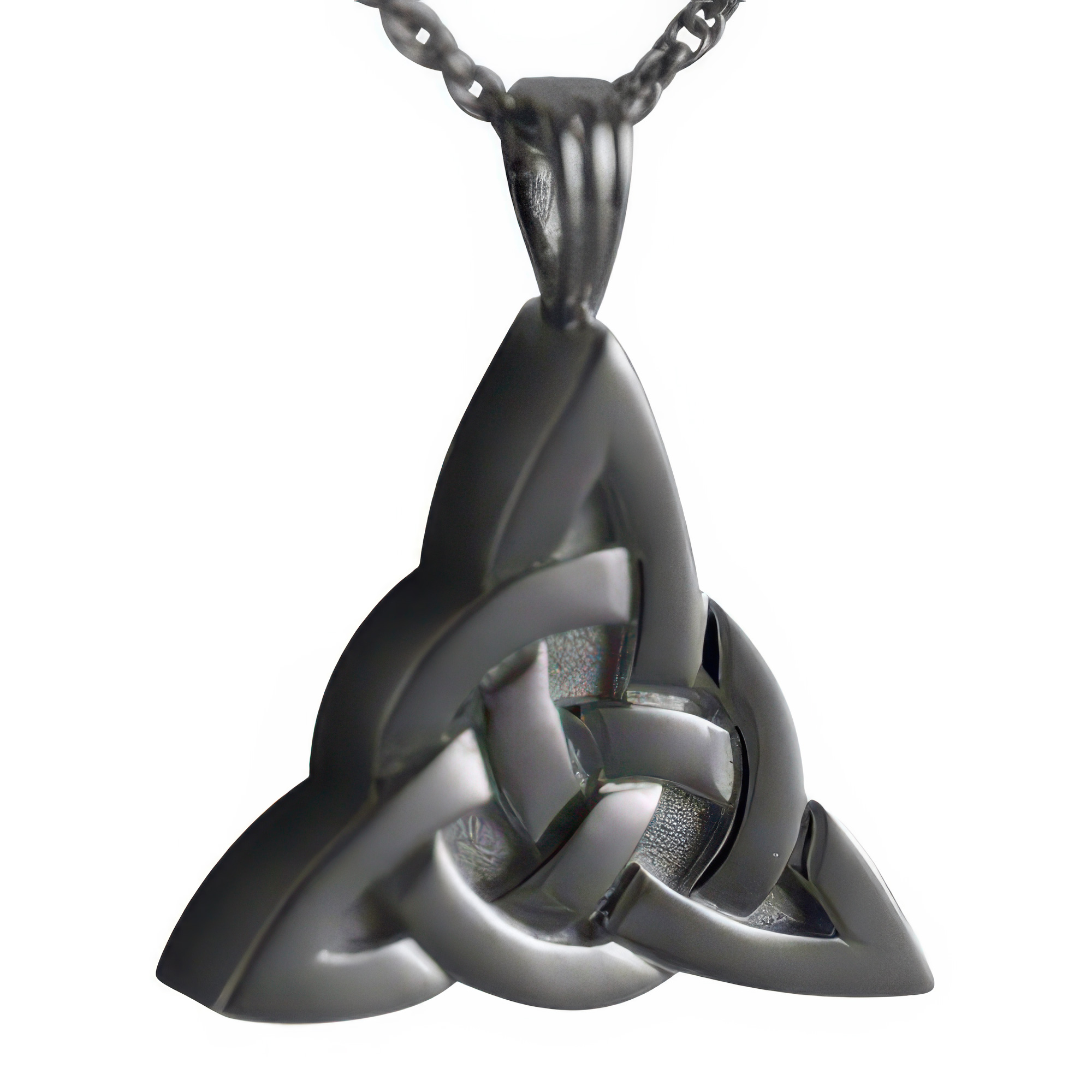
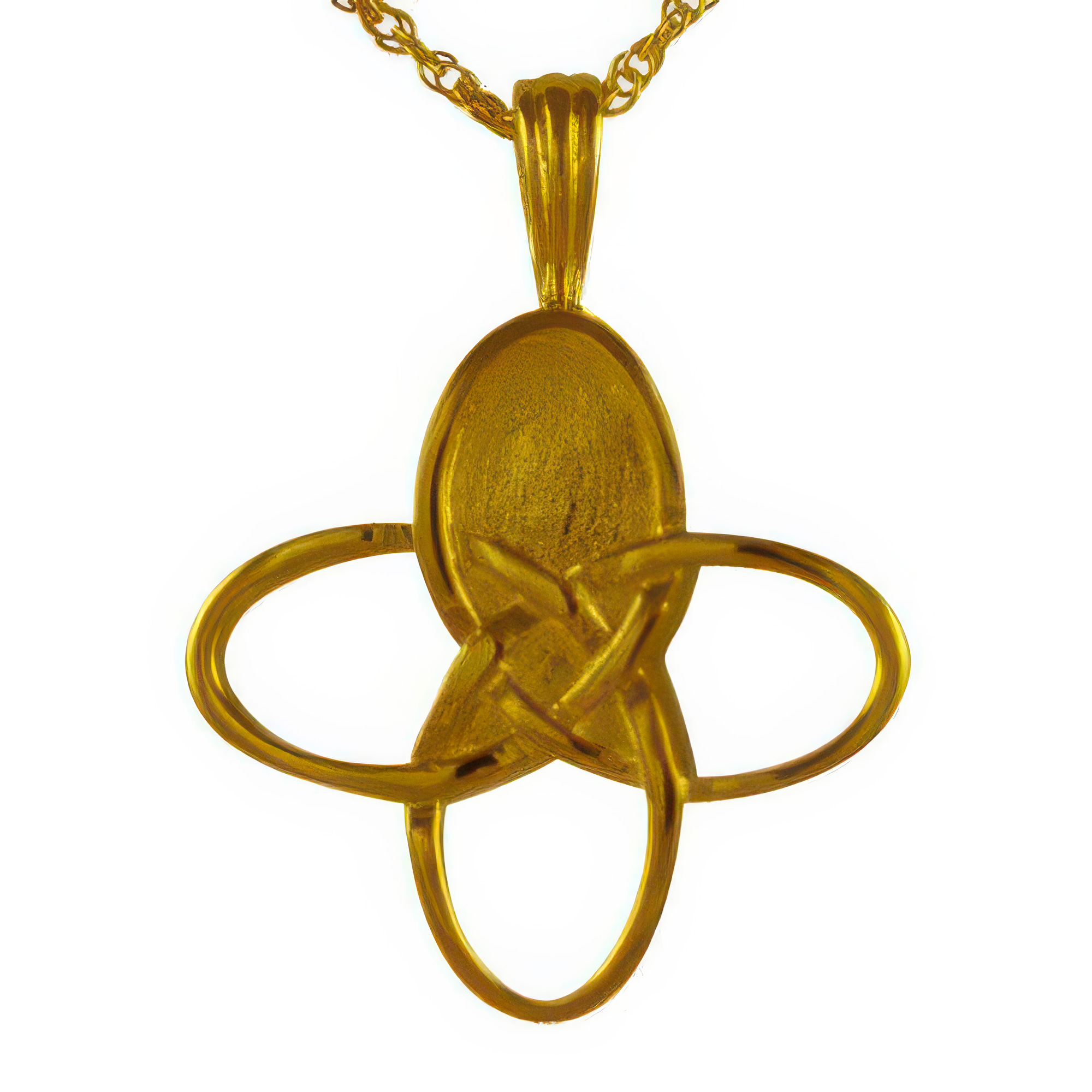
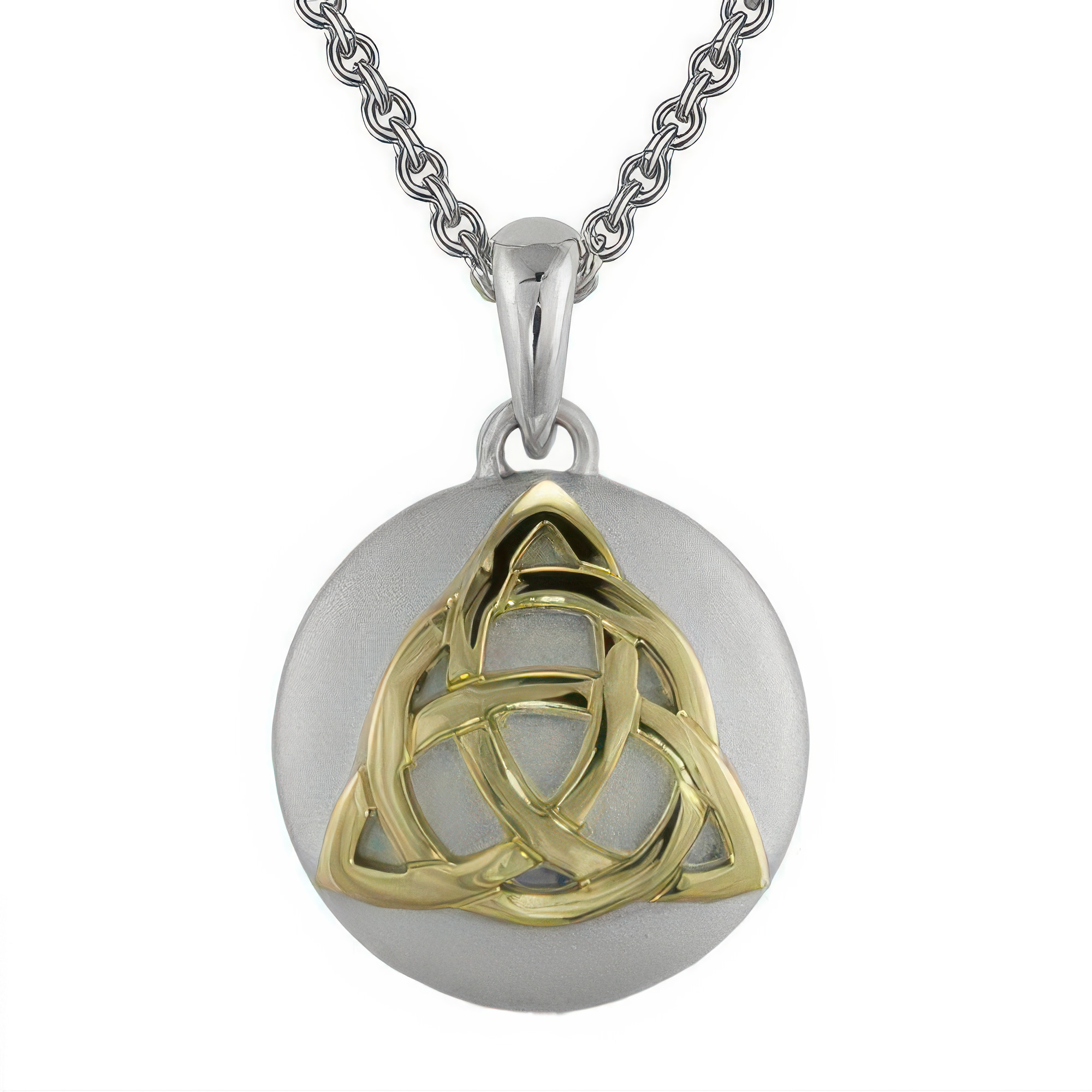
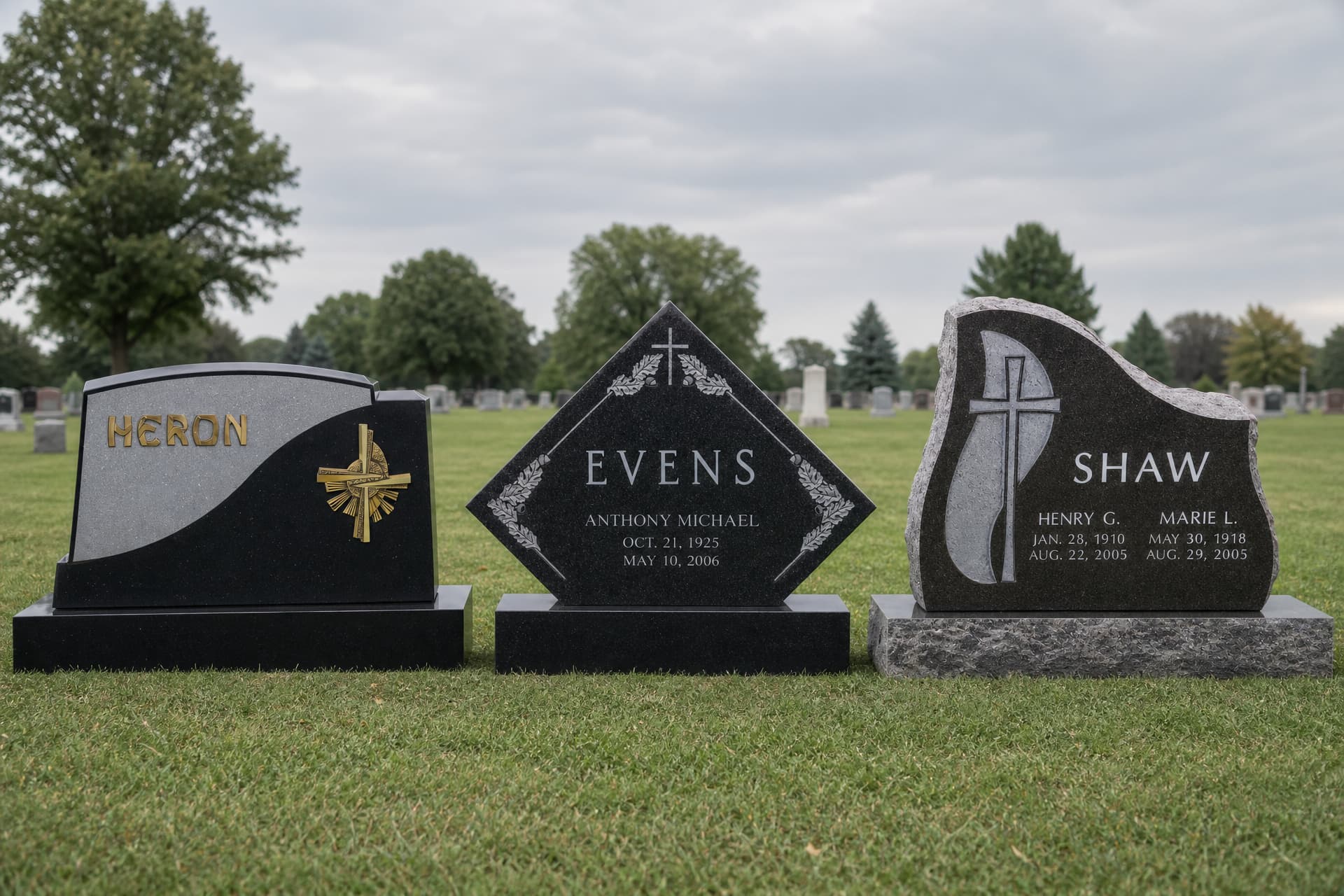
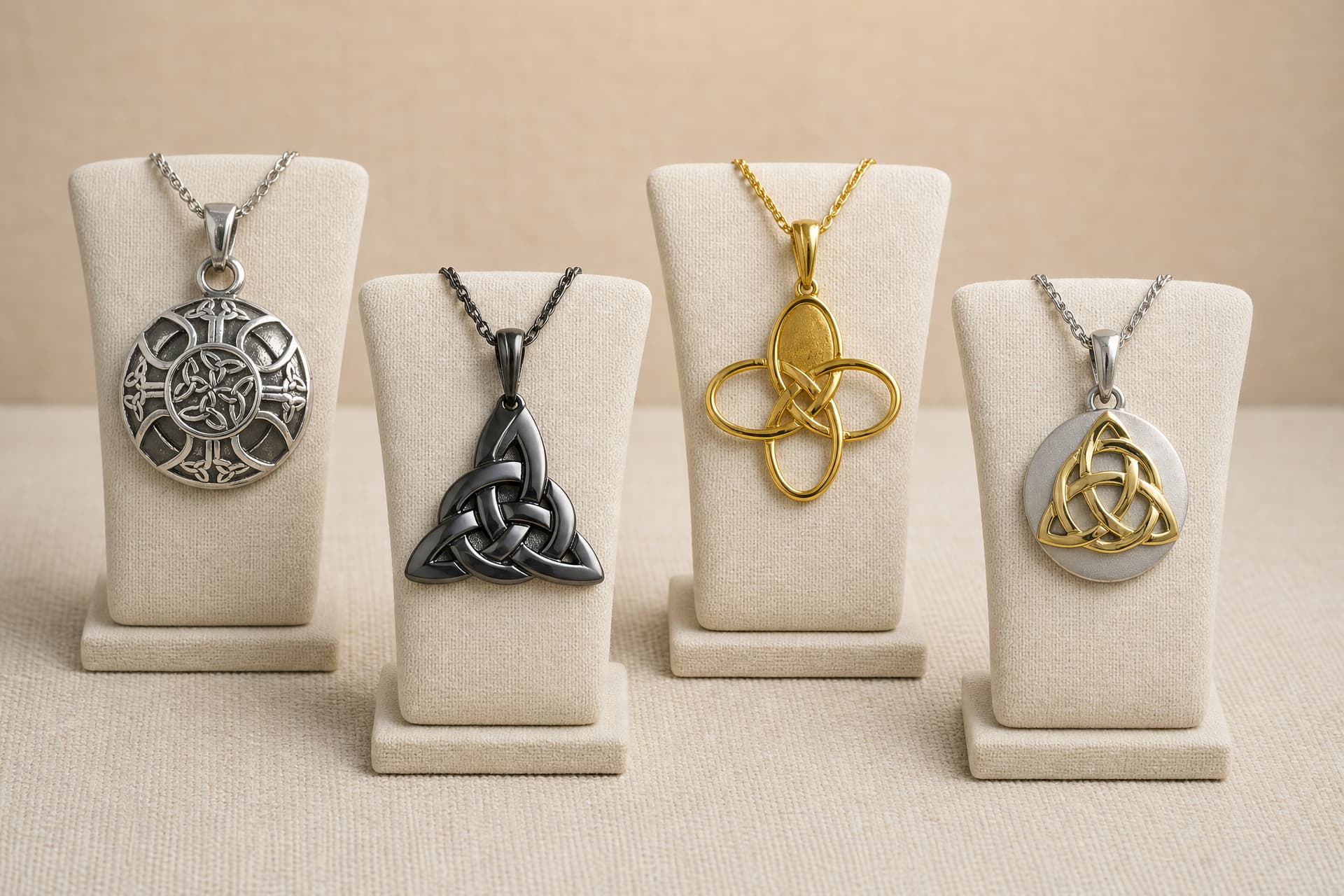
Upright companion headstones with room for a family's names, and Celtic pendants that carry a small portion of ashes
Most of what people mean by Scottish death traditions took place before anyone reached the church. The body was kept at home, in the front room, and somebody sat with it through the night. That watch has a name — the lykewake — and its purpose was practical as well as devotional: the dead were not left alone, and the living were not left alone either.
Neighbors called in without being invited. They brought food, they took a dram of whisky, they told stories, and they were expected to look at the person who had died and say something to the family about them. Older Scottish households also stopped the clock at the hour of death and covered the mirrors until after the burial. That custom runs across northern Britain and well beyond it, and the reasons people give for it vary enormously — our page on covering the mirrors sets out what the practice actually seems to be for.
The formal moment when the body was placed in the coffin had its own name, the kisting, and in many parishes it was a small service in its own right, with the minister present and only the family in the room.
Scottish and Irish wakes are cousins rather than twins, and it is worth being clear about the difference if your family is both. Irish wake traditions run louder and longer, with music and drink and a deliberate sense of celebration. The Scottish version is quieter, shorter and more sober — the whisky is there, but the register is subdued rather than festive. Confusing the two is the single most common mistake made by American families reconstructing a heritage funeral from films.
What survives of all this in the United States is straightforward: an evening of visitation at the funeral home, or better, an evening at the family's house with the door unlocked and food on the table. Nobody needs to sit up all night for it to be the same custom.
Bagpipes at a Funeral: When the Piper Plays and What They Play
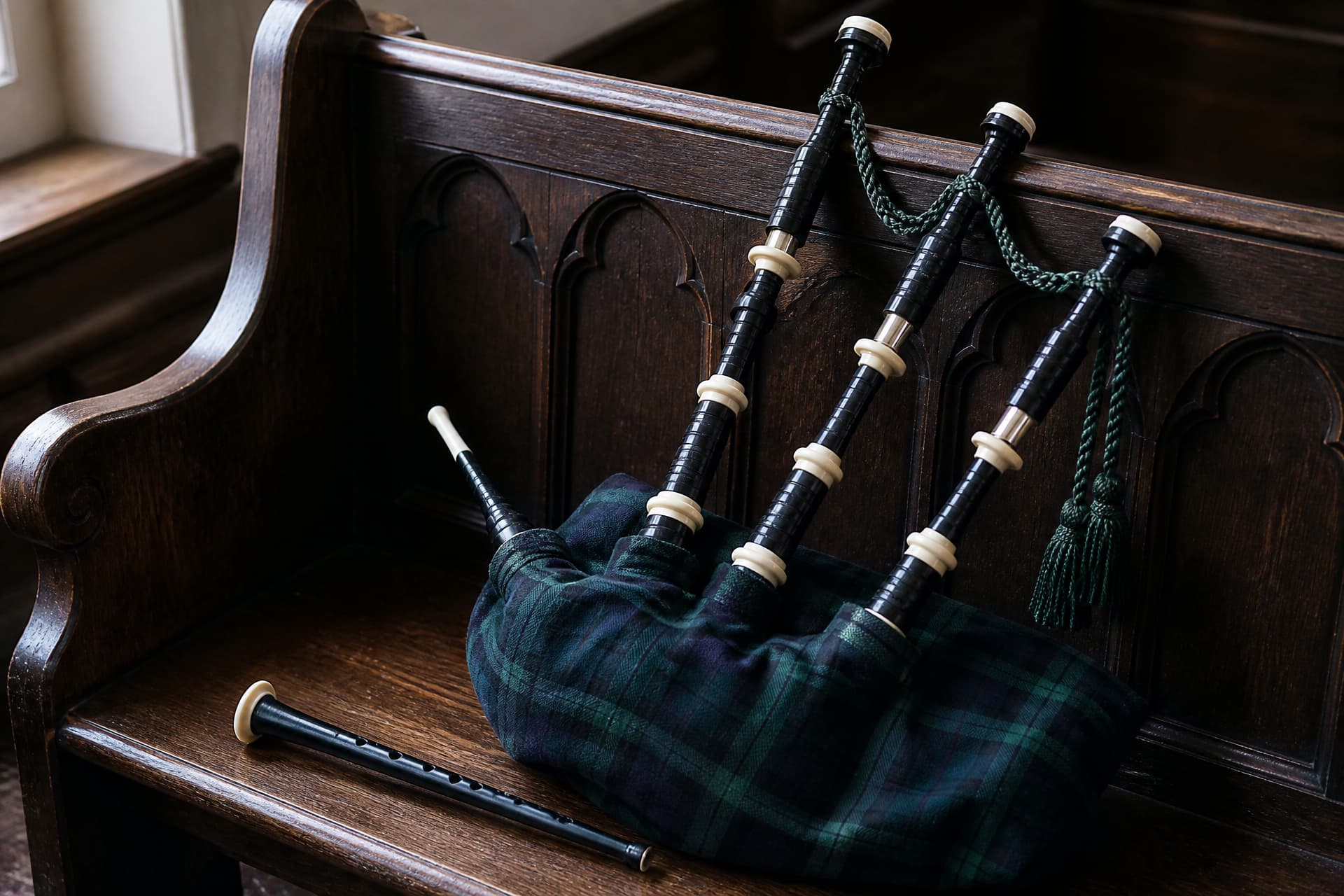
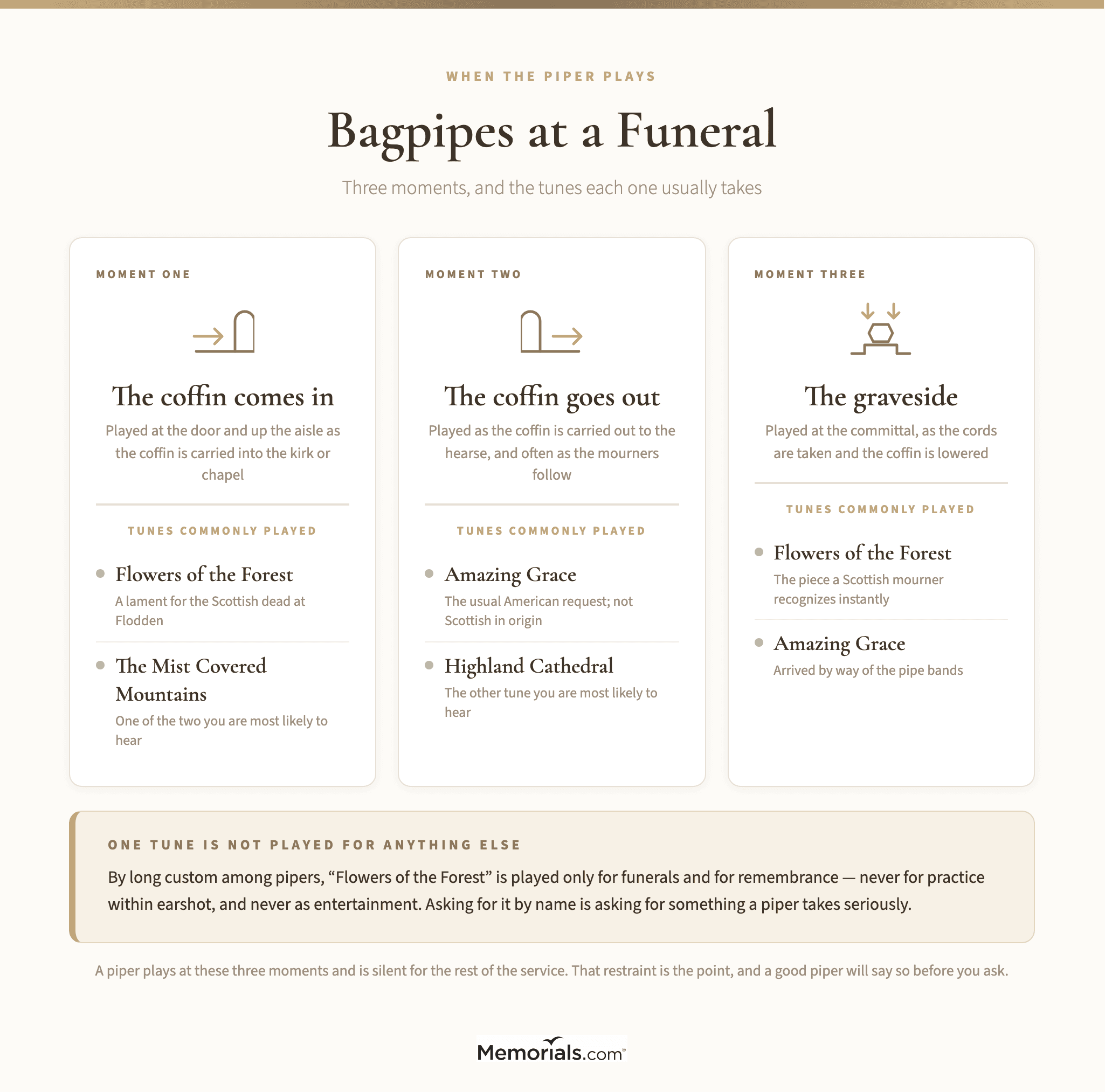
Almost everything published under Scotland funeral traditions is about the pipes, which gives a misleading impression of how much of the day they occupy. A piper plays at three moments and is silent for the rest: as the coffin is carried in, as it is carried out, and at the graveside during the committal. That is the whole of it, and the restraint is the point — the sound is unbearable in the best sense, and a piper who played through the service would ruin it.
The tune most associated with Scottish mourning is "Flowers of the Forest," a lament remembering the Scottish dead at Flodden. By long custom among pipers it is played only for funerals and remembrance, never for practice in earshot of anyone and never as entertainment. Ask for it and you will be asking for something a piper takes seriously. "Amazing Grace" is the tune most American families request and no piper will object, though it is worth knowing it is neither Scottish in origin nor traditional at a Scottish funeral; it arrived by way of the pipe bands. "The Mist Covered Mountains" and "Highland Cathedral" are the other two you are most likely to hear.
Three moments and no more — coffin in, coffin out, and the graveside. A piper who plays through the service has misunderstood the job, and a good one will say so before you ask.
When the piper plays and what the tune usually is. "Flowers of the Forest" is the one to ask for by name if you want the piece a Scottish mourner will recognize instantly; it is reserved by custom for the dead.
Bagpipers for funerals are far easier to find in the United States than most families assume. Pipe bands attached to police and fire departments exist in nearly every large city, Scottish societies and Highland games associations keep lists, and a funeral director in any city with an Irish or Scottish population will already have a number. Ask three things when you book: whether they play indoors or only outside, whether they know "Flowers of the Forest," and how much lead time they need — a piper often has to be somewhere else that morning.
If the whole idea of music leading a coffin appeals to you, it is not a Scottish invention. The New Orleans second line funeral does the same work with brass instead of pipes, turning the walk between two places into the rite itself. And if you are choosing the rest of the music for the service, our guide to funeral songs covers what plays well in a room and what does not.
What to Wear: Kilts, Tartan and What Guests Should Do
Dark, plain and formal. That is the whole rule, and it applies to Highland dress and to an ordinary suit equally.
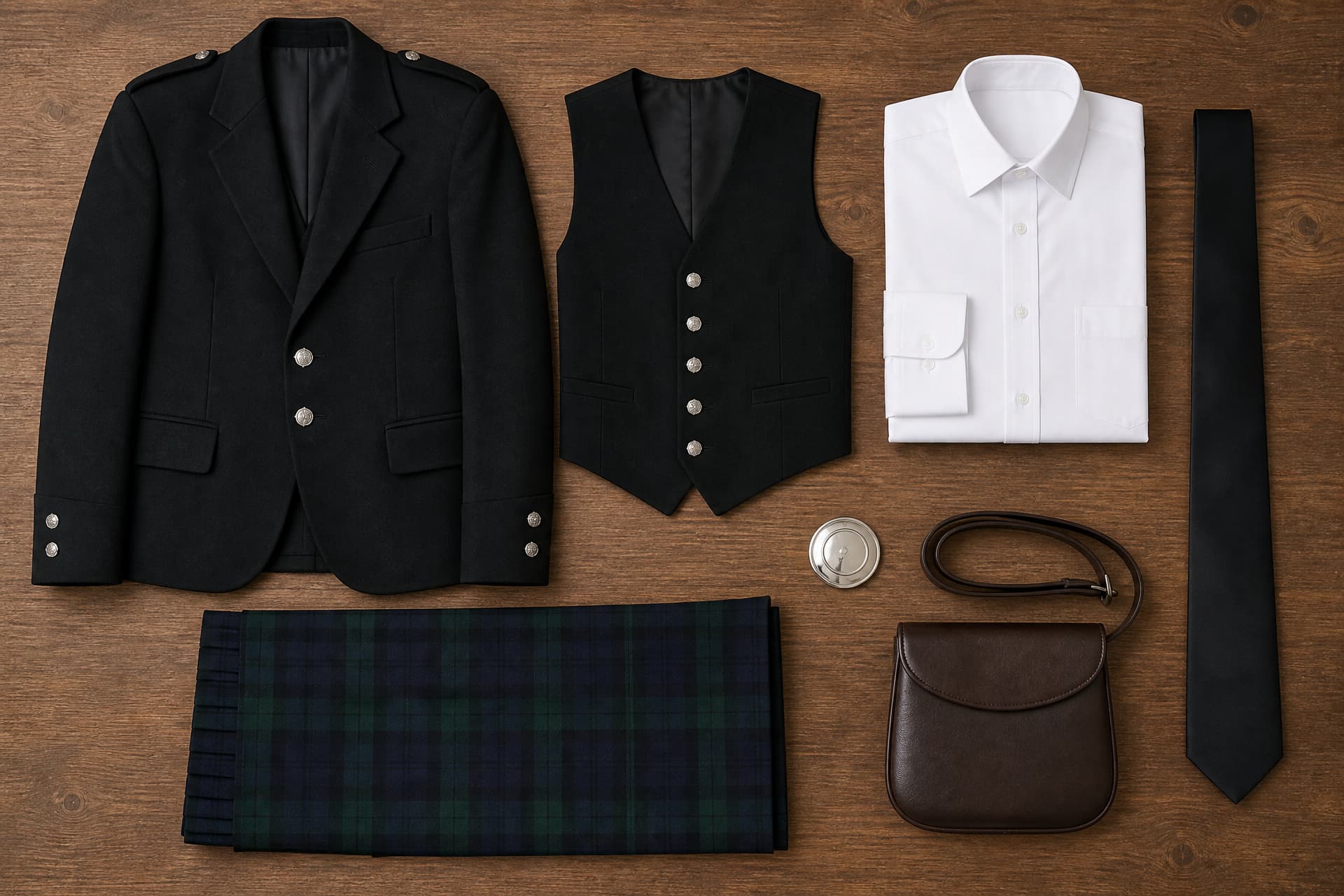
For a man wearing a kilt, the daytime jacket is the Argyll — a plain black or charcoal jacket with a black waistcoat, a white shirt and a black necktie. The Prince Charlie, which is the one people picture, is evening dress worn with a bow tie, and while you will certainly see it at funerals it is the less correct of the two before dark. Kilt hose should be dark rather than cream, the sporran plain leather rather than a fur dress sporran, and plain black shoes are safer than ghillie brogues. A muted or dress-weight tartan reads better than a bright one.
The question underneath all of this is usually the one people are too embarrassed to ask: am I allowed to wear a tartan I have no claim to? You are. There is no law and never has been. Clan tartans are a nineteenth-century convention, the registry of tartans in Scotland records designs rather than granting permission, and no relative at a funeral in Ohio is going to challenge your right to a sett. If your family has a tartan, wear it because it means something. If it does not, a plain dark suit is not second best.
For a guest who is not Scottish, an ordinary dark suit or dark dress is entirely correct and nobody will think anything of it. You do not need Highland dress to attend, and turning up in hired Highland dress you have never worn before is more conspicuous than not wearing it. If you want the standard American answer alongside the Highland one, see what men wear to a funeral.
The daytime combination: Argyll jacket, black waistcoat, black necktie, muted kilt. The Prince Charlie jacket most people picture is evening dress, and a bow tie at eleven in the morning is the giveaway.
Scottish Burial Traditions: the Lair, the Cords and the Stone
Scottish burial traditions come down to three things — the lair, the cords and the stone — and the middle one is the reason people who have been to a Scottish funeral never forget it.
A lair is the burial plot, or more precisely the right of burial in it. Families hold a lair across generations and are buried into it in turn, which is why a Scottish headstone so often carries four or five names and a span of a hundred years. If your family has a lair in Scotland and you are burying someone in the States, that is worth knowing, because it changes what the stone here is for: it becomes a second marker rather than the only one. Where the family chooses cremation instead, the ashes may be interred in the lair, scattered somewhere that mattered, or kept — and if they are kept, the urns for ashes a family chooses tend to be the plainest ones on the page rather than the most decorated.
Then the cords. At the graveside the coffin is lowered by the mourners themselves, not by the funeral director and not by machinery. Cords are attached to the coffin and numbered, usually six or eight of them, and the funeral director reads out beforehand who takes which. Number one goes to the chief mourner at the head of the grave and the rest are allocated by closeness. Being given a cord is an honor, it is announced publicly, and the family will have thought carefully about the list. If you are handed one, you hold it, you take the weight when the word is given, and you let it run through your hands slowly. It is the most physically involving thing that happens at any funeral in Britain, and it is why so many Scots describe the graveside rather than the service when they describe a funeral.
The stone itself is plain by inclination. Polished dark granite, deeply cut lettering, a ringed Celtic cross if the family wants one, and very little else. Scotland exported an enormous amount of monumental granite in the nineteenth century — Aberdeen was called the Granite City for a reason, and a good deal of what stands in older American cemeteries came out of quarries there — so granite headstones for graves in the Scottish manner are not a departure from what a US cemetery already contains. Where a Scottish stone tends to differ is in restraint: fewer images, more names, and lettering meant to be read in a hundred years.
After the Funeral: the Purvey and What Families Keep
The gathering after a Scottish funeral is called the purvey, and it is the word most likely to appear on the order of service without explanation. It means the food laid on afterward and, by extension, the whole reception. Tea, sandwiches, sausage rolls, shortbread and a whisky for those who want one. It is held in a hotel function room, a church hall or the family's house, and it is where the day changes register — the room gets louder, people laugh, and the stories that were too long for the eulogy get told properly. If you are catering one in the States, the funeral food question is the same question every family faces, and the Scottish answer is simply: plenty, plain, and no seating plan.
Scottish mourning after that has no fixed timetable, which surprises people who have attended funerals in traditions that count. Catholic families in Scotland may mark a month's mind and a year's mind with a Mass on the anniversary; Protestant families often mark nothing formally at all beyond visiting the grave. Set that beside a tradition with a definite endpoint — the reckoning of 49 days after death observed across much of Buddhist Asia — and the contrast is instructive. Scottish practice gives the family no schedule, which is freeing for some people and unmooring for others.
What families keep tends to be small and worn rather than displayed. A ring, a watch, a piece of jewelry that goes to a granddaughter. Where the family wants something new made, the Celtic vocabulary is what it usually reaches for, and celtic cremation jewelry — a knot, a circle, an interlaced band — carries a small amount of ashes in a sealed chamber without announcing what it is to anyone who has not been told.
If that is the direction you are going, our celtic cremation jewelry guide covers what the knotwork designs mean, how the sealing works, and what to ask a jeweler before you hand over ashes.
How Scottish Practice Differs Across Scotland — and From Other Traditions
Scottish funeral traditions vary by region far more than by century, and if a relative tells you something contradicts what you have read here, they are probably right about their own part of the country.
In the Highlands and Islands the wake runs longer, and in Free Church and Free Presbyterian congregations the service is austere in a way that startles visitors: unaccompanied psalm singing led by a precentor who lines out each phrase for the congregation to answer, Gaelic in many places, no instruments at all, and often no flowers. There is no piper inside that church. In Glasgow and the west, where generations of Irish Catholic families settled, a Requiem Mass with a vigil the night before is the norm and the funeral is a fuller liturgy. In Edinburgh and the east, Church of Scotland practice is short, formal and understated, and the whole thing may be over in half an hour.
The layering goes back further than the churches. Orkney, Shetland and the Western Isles were Norse for centuries before they were Scottish, which is why the burial archaeology of the northern isles sits Norse over Celtic — the viking funeral of popular imagination and the Christian kirkyard burial are two strata of the same ground rather than two different countries.
Set against traditions further afield, the honest comparison is a narrow one. A muslim funeral shares with Scottish Presbyterian practice a deliberate plainness at the grave — no ornament, no display, the same simplicity for everyone — but arrives at it from an entirely different direction and on a much faster timetable, usually within a day. Buddhist funeral customs run the other way from Scottish practice in almost every respect: where a Scottish funeral concentrates everything into a single short morning, Buddhist observance spreads it across weeks of ritual. Naming those differences is more useful than claiming a kinship that is not there.
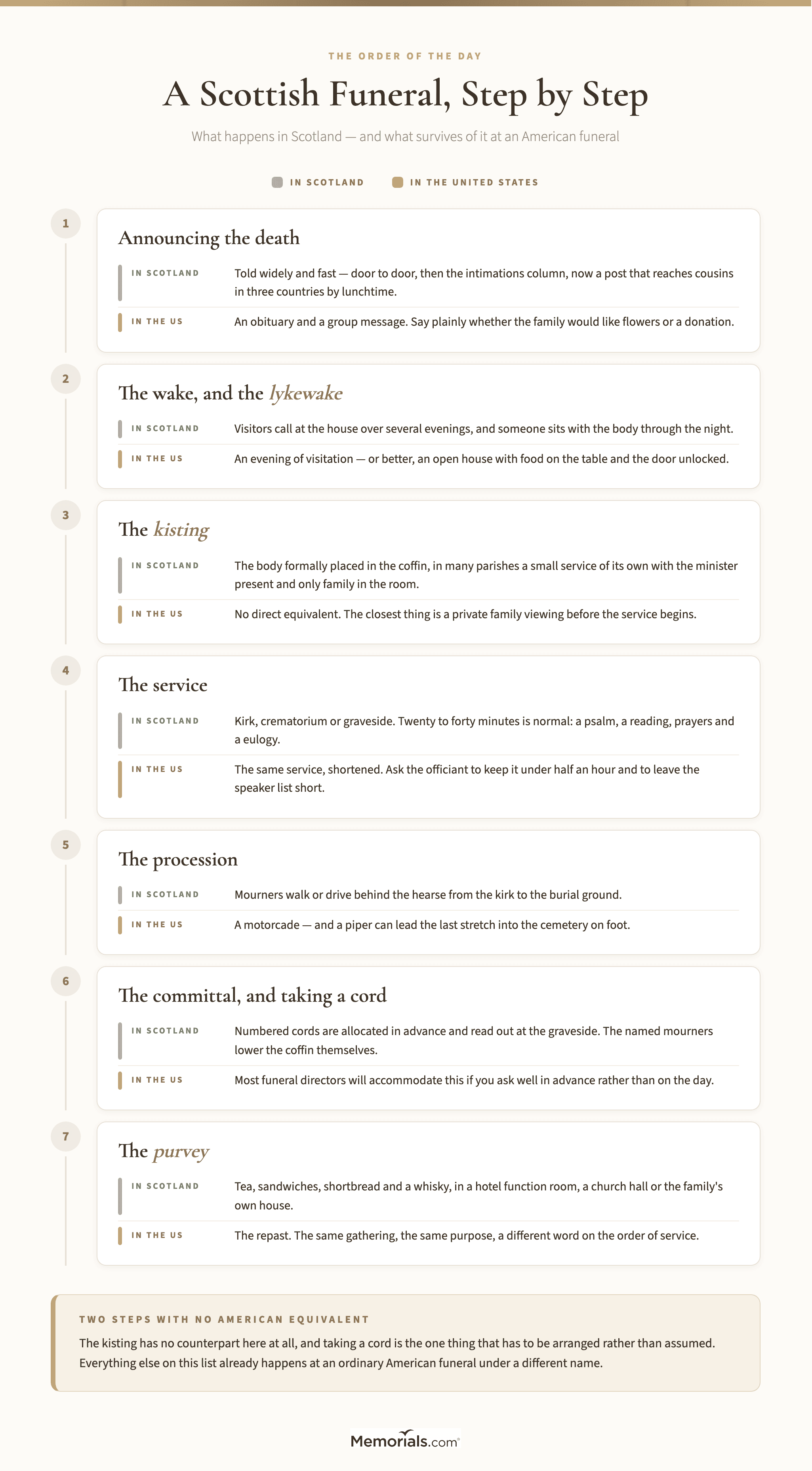
The order of the day, and what each step becomes in the States. Only two of the seven have no straightforward American equivalent — the kisting, and taking a cord at the graveside, which a US funeral director will usually accommodate if you ask.
Frequently Asked Questions
Are bagpipes only appropriate for Scottish funerals?
No. Pipers play at funerals for police officers, firefighters and service members of every background in the United States, and for many families with no Scottish connection at all. The instrument carries public grief better than almost anything else, which is why it has spread so far beyond Scotland. If you want pipes and your family is not Scottish, that is an ordinary request and no piper will find it strange.
When should the piper play during the service?
At three points: as the coffin is carried into the church or chapel, as it is carried out, and at the graveside during the committal. Some families add a single tune at the end of the purvey. A piper does not play during the service itself, and a good one will tell you so.
What if some guests dislike the sound of bagpipes?
It is a real consideration, and pipes indoors in a small chapel are genuinely loud. The usual solution is to have the piper play outside — at the door as people arrive and leave, and at the graveside — which is where the sound is designed to be heard anyway. The other option is a single lament at the graveside only.
What do you wear to a Scottish funeral?
Dark and formal, exactly as you would to any other funeral. If you wear a kilt, pair it with an Argyll jacket, a black waistcoat, a white shirt and a black necktie rather than the evening-dress Prince Charlie. If you do not, a dark suit or dark dress is completely correct. You do not need any claim to a tartan to wear one, and you do not need Highland dress to attend.
What is a purvey?
The purvey is the meal and gathering held after a Scottish funeral — the equivalent of a repast or reception. It usually means tea, sandwiches, shortbread and a whisky, in a hotel room, a church hall or the family's house. If the order of service says purvey and gives an address, it means everyone is invited and the family would like you to come.
Taking What Means Something and Leaving the Rest
The fear that brings most people to a page like this one is the fear of doing a heritage badly in front of people who would know. It is worth putting down. Scottish funeral practice has never been uniform, it has changed enormously within living memory, and every family in Scotland is already improvising against what their grandparents did. Nobody is grading you.
So take the parts that carry meaning for your family and leave the rest without apology. A piper at the graveside and nothing else is a Scottish funeral. An open house the night before, the word purvey printed on the order of service, and the family lowering the coffin themselves is a Scottish funeral. Psalm 23 to Crimond, sung badly by people who have not sung it in thirty years, is very much a Scottish funeral.
And when the day is over and the question becomes what to keep, the same principle holds. A plain stone with room left on it for the names that will follow, or a small Celtic piece worn under a collar where nobody sees it — the restraint is the tradition, more than any particular object is.